
Why are Solar Panels on a Metal Roof the Perfect Match for Your Home?
Solar energy adoption continues to grow across residential and commercial properties in the United States as homeowners look for cleaner and more cost-effective ways to power their homes. While solar panels on a metal roof are not the only option, they are increasingly viewed as one of the best setups for long-term solar performance.
The combination of a metal roof and a solar panel system creates a highly efficient, durable, and sustainable setup. Metal roofs last significantly longer than traditional roofing materials, improve energy efficiency, and work exceptionally well with modern solar mounting systems.
This guide explores why metal roofs and solar panels work so well together, the different installation methods available, how integrated home battery storage improves efficiency, cost considerations, and common mistakes to avoid during installation.
Why are metal roofs and solar panels the perfect match?
The case for combining metal roofs and solar panels is not just aesthetic. It is deeply practical, rooted in lifespan alignment, thermal performance, and sustainability.
Lifespan consideration
Solar panels are built to last. Most modern photovoltaic systems carry a performance warranty of 25 to 30 years, with many panels continuing to generate meaningful power well beyond that. The challenge with traditional asphalt shingle roofs is that they only last 15 to 20 years. This means homeowners may need to remove and reinstall their solar panels midway through the system's life to replace the roof underneath. That process can be expensive and time-consuming. A metal roof eliminates that problem entirely. With a lifespan of 40 to 70 years, a quality metal roof will outlast your solar panels for decades.
Energy efficiency and cooling (The "Cool Roof" Effect)
Metal roofs are known for their reflective properties. Instead of absorbing large amounts of heat, they reflect solar radiation back into space. Lighter colored metal roofs are especially effective at keeping indoor temperatures lower during hot weather.
When solar panels are mounted above the roof surface, they create a small air gap between the panels and the roof. This additional airflow helps reduce heat buildup while also shading portions of the roof from direct sunlight.
Cooler roof temperatures can also improve solar panel efficiency. Photovoltaic panels perform better at moderate temperatures, while excessive heat can reduce energy output. By keeping the roof cooler, metal roofing helps support more efficient solar energy generation.
Eco-friendliness & sustainability
Metal roofing is one of the most sustainable roofing materials available today. Many metal roofs are manufactured using recycled materials, and they are 100 percent recyclable at the end of their lifespan.
Pairing a recyclable roof with renewable solar energy creates an environmentally responsible home energy system. Homeowners benefit from reduced carbon emissions, lower energy consumption, and less waste compared to conventional roofing systems.
Types of metal roofs and how panels are installed
The specific design of your metal roof determines how the solar installer will secure the array to your home.
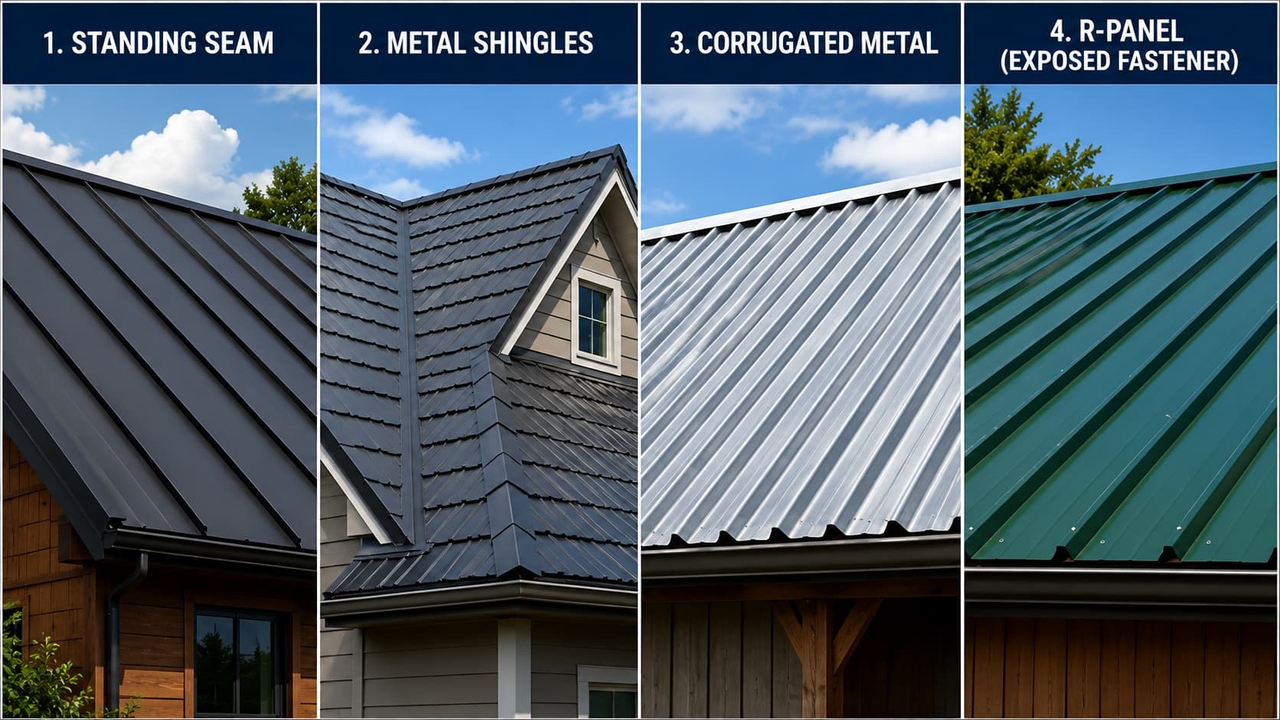
Standing seam metal roofs (The Gold Standard)
Standing seam metal roofs are considered the gold standard for solar installations. These roofs feature raised vertical seams that run continuously from the top to the bottom of the roof. Solar panels on standing seam roofs can often be installed using specialized clamp systems that attach directly to the seams without drilling holes into the roof surface. High-tension clamps, such as S5! systems, provide secure attachment points while preserving the roof’s waterproof integrity. Because the installation does not penetrate the roof, homeowners maintain the roof’s weather resistance and the manufacturer's warranty. The installation process is also faster and cleaner than many other roofing types.
Corrugated and exposed fastener metal roofs
Corrugated metal roofs and other exposed fastener styles are also solar-compatible, though the installation process is more involved. Because there are no raised seams to clamp onto, installers must drill into the roof surface to anchor the mounting brackets.
When this is done correctly, using straddle blocks or specialized brackets along with high-quality waterproof sealants, the roof remains protected. Using substandard sealants or improperly sized hardware is one of the most common causes of leaks and long-term problems with solar on corrugated metal roofs. Hiring an experienced installer with a proven track record on this roof type is essential.
Metal tiles and shingles
Metal tile and shingle roofing systems require custom mounting methods because the individual tiles can be more delicate than standing seam panels. Installers must carefully secure the mounting hardware without compromising the structural integrity of the roofing system. This type of installation often takes more time and requires experienced professionals familiar with specialty roofing materials.
Mounting systems (Rail vs. Rail-less):
Beyond the roof type itself, the choice of mounting system also matters. Traditional rail-based systems use aluminum rails that span multiple attachment points, providing a rigid structure for the solar panels to fasten onto. Rail-less or direct-attach systems skip the rails entirely and fasten panels directly to the mounting hardware.
On a standing seam metal roof, the seams themselves effectively function as built-in rails, which is one reason rail-less approaches work so well in this context. Fewer materials mean less weight on the roof, faster installation, and often lower overall cost.
Maximizing your solar investment with complete energy integration
Capturing and storing excess power
A high-performing solar array on a metal roof can generate substantial electricity during daylight hours, often more than a typical household consumes in real time. Without energy storage, that excess power is typically sent back to the utility grid, often at a lower rate than what you pay to pull power back in during the evening.
To achieve genuine energy independence and maximize the financial return on your solar investment, your rooftop generation needs to be paired with a capable storage solution. This is where the system transforms from a simple utility bill reducer into a true home energy platform.
Building a centralized home energy hub
Rather than assembling mismatched components from multiple manufacturers and hoping they communicate with each other effectively, the smarter approach is to build around a unified, integrated ecosystem from the start.
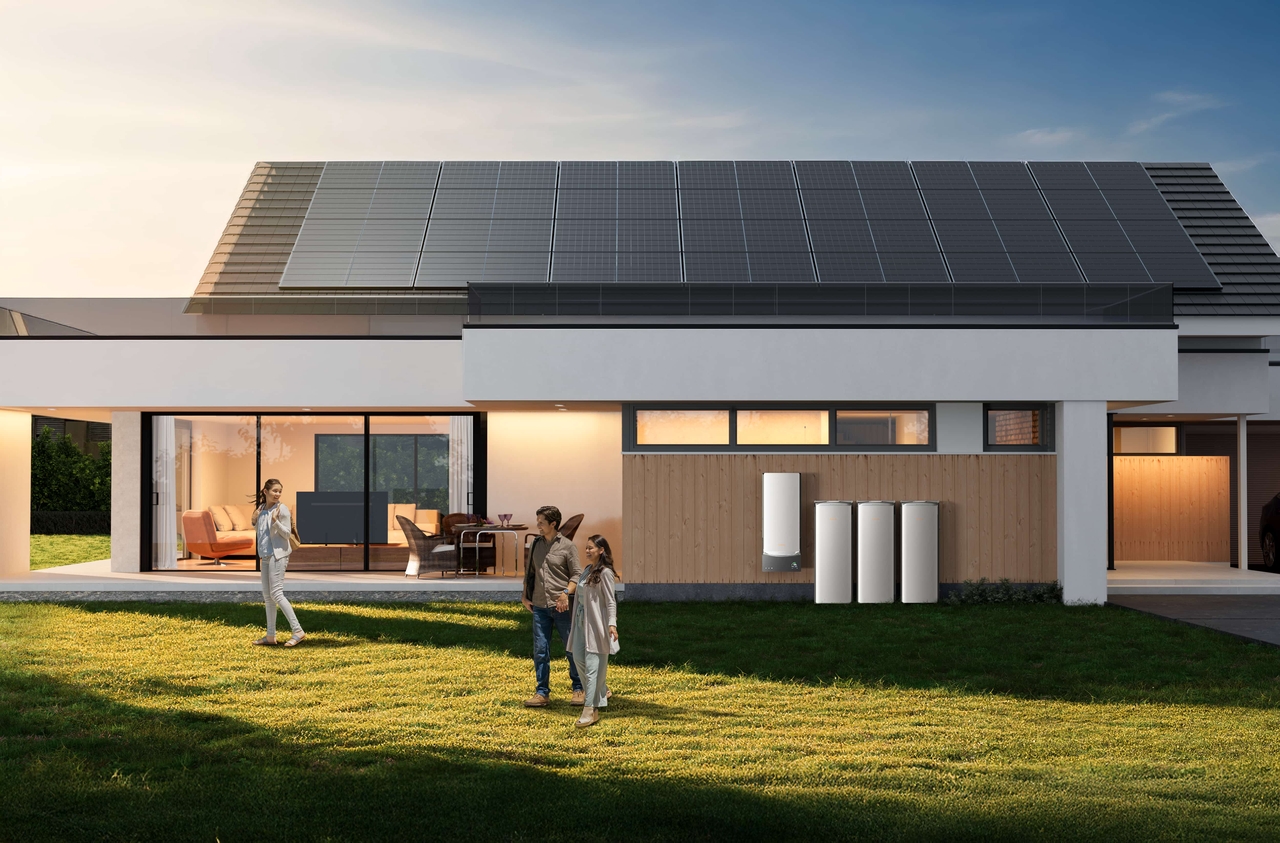
The EcoFlow Ocean Pro paired with high-efficiency solar panels creates a complete home energy solution for long-term savings and reliability. Acting as the central energy hub, it supports up to 40 kW of solar input and scalable storage up to 80 kWh, making it ideal for large metal roof solar systems. Stored energy can power the home overnight, during cloudy weather, or through grid outages.
The system also includes an intelligent energy management mode that automatically shifts household electricity usage to off-peak hours. Over time, this smart energy management can significantly increase savings while simplifying the entire solar experience.
Unsure if your home is ready for a roof upgrade or how to navigate building a complete solar and battery ecosystem? Schedule your free consultation today to speak with an energy expert and get a customized assessment for your setup.
Get Your Free Home Energy Consultation!
Which energy solution are you interested in?

Cost and ROI considerations
Installing solar panels on a metal roof involves upfront investment, but long-term energy savings, durability, and reduced maintenance costs can deliver an excellent return over time.
Installation cost advantages
Metal roofs are generally more expensive upfront than asphalt shingles, but they can reduce solar installation complexity in certain situations. Installing solar on a standing seam metal roof using penetration-free clamps is significantly faster than drilling into asphalt or other roof types. Labor is one of the largest line items in any solar installation quote. When the mounting process is faster and simpler, the labor cost comes down. Homeowners with standing seam roofs often find that their solar installation costs less than they expected, precisely because of this installation advantage. The long lifespan of metal roofing also reduces future maintenance and replacement expenses associated with the solar array.
Long-term savings and grid optimization
The monthly electricity bill savings from a well-sized solar system are significant and compound year over year. Pairing your array with battery storage and time-of-use optimization takes those savings further still. Net metering programs allow homeowners to receive credit for excess solar energy exported to the grid. Time-of-use optimization goes a step further, storing solar energy during the day and drawing from that stored power during evening peak rate hours instead of purchasing expensive grid electricity. The combination of reduced consumption and strategic storage can dramatically shorten the payback period of your entire solar and storage investment.
Common mistakes to avoid during installation
Proper installation is essential for maximizing the lifespan, safety, and performance of both your metal roof and solar panel system. Avoiding common mistakes can prevent costly repairs later.
Skipping the roof inspection: Before installing solar panels, homeowners should ensure the metal roof is in excellent condition. Rust, corrosion, structural fatigue, or loose fasteners can compromise the long-term reliability of the system. A professional inspection helps identify any repairs needed before installation begins
Using the wrong hardware: Low-quality brackets, incompatible metals, or poor sealants can damage the roof and reduce system lifespan. Incorrect materials may also cause galvanic corrosion, which weakens mounting components over time and increases the risk of leaks and structural damage.
Ignoring grounding: Proper grounding is critical because metal roofs conduct electricity. An incorrectly grounded solar system can increase the risk of electrical faults, lightning damage, and fire hazards. Professional installation ensures the system meets safety standards and local electrical regulations.
Signing off
Metal roofs and solar panels are one of the most effective and sustainable combinations available for modern homes. Their compatible lifespans, energy efficiency benefits, and installation advantages make them an ideal long term investment for homeowners seeking cleaner energy and lower utility costs.
When paired with advanced battery storage and intelligent energy management systems, a metal roof solar installation can provide greater energy independence, improved savings, and long-lasting performance for decades.
Frequently Asked Questions (FAQs)
What is the best color metal roof for solar panels?
Lighter colored metal roofs are the best choice for solar panels. They reflect more solar heat, keeping the roof cooler and allowing the panels to operate more efficiently. Dark colors absorb heat and can reduce system performance.
Are metal roofs better for solar panels than asphalt shingles?
Yes, metal roofs are better for solar panels than asphalt shingles. They last longer, support faster penetration-free installation, stay cooler for better solar efficiency, and reduce the need for roof replacement during the solar system’s lifespan.
Will a 400W solar panel run a fridge?
A single 400W solar panel can power an energy-efficient fridge during sunny daytime hours. For reliable overnight and backup operation, pairing the system with battery storage like the EcoFlow Ocean Pro is recommended for continuous power availability.
Does installing solar panels on a metal roof make the house hotter?
No. Installing solar panels on a metal roof does not make the house hotter. The air gap between the panels and roof, combined with the reflective properties of metal, actually helps reduce heat buildup and keeps the home cooler.
How long will solar panels last on a metal roof?
Most solar panels last 25 to 30 years or longer with proper maintenance. Since metal roofs can last 40 to 70 years, the roof will often outlast the solar system, reducing long-term replacement and maintenance costs.

