
How much do solar panels cost in Illinois in 2026?
Rising electricity bills and frequent storms have many Illinois homeowners searching for reliable, affordable energy solutions. If you're dealing with unpredictable utility costs and power outages, solar panels offer a smart way to take control.
The average solar panel cost in Illinois in 2026 makes it a viable investment for many, especially with state incentives. Pairing your system with a home battery backup option can deliver true energy independence by storing excess power for outages or nighttime use.
This guide breaks down current pricing, factors affecting costs, savings potential, incentives, and installation steps.
Solar costs in Illinois vary based on system size, equipment quality, installation complexity, and location; as of 2026, homeowners can expect to pay approximately $2.97–$3.04 per watt installed, according to cost tracking benchmarks compiled by the federal Lawrence Berkeley National Laboratory Tracking the Sun Portal. A typical Illinois household requires a solar system of around 12.6–12.7 kW, resulting in an average installation cost of roughly $37,661–$38,286 before incentives.
Typical price range:
Low-end installation: $32,012
Average installation: ~$37,661
High-end installation: $43,310
Solar Panel Cost by System Size in Illinois (2026)
System Size | Average Gross Installation Cost |
3 kW | $9,115 |
4 kW | $12,154 |
5 kW | $15,192 |
6 kW | $18,231 |
7 kW | $21,269 |
8 kW | $24,307 |
9 kW | $27,346 |
10 kW | $30,384 |
Note: Costs shown before incentives and financing charges.
What factors affect solar panel costs in Illinois?
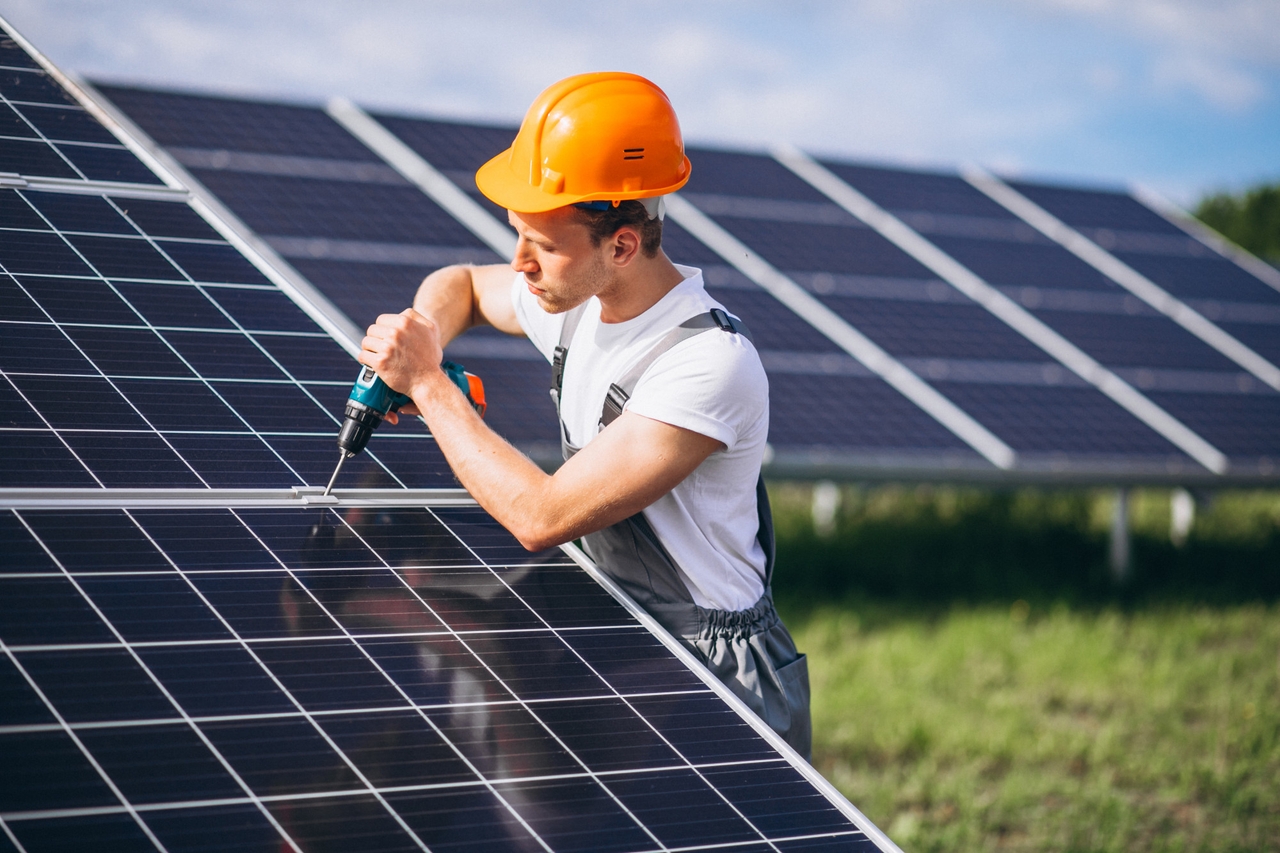
Several key variables determine your final solar panel cost in Illinois. Understanding these helps you make informed decisions and potentially save thousands on your installation.
System size: Larger systems carry a higher upfront cost, though they benefit from a lower per-watt price due to bulk hardware purchasing.
Panel brand and type: High-efficiency monocrystalline panels cost more upfront than older polycrystalline models, but they generate substantially more power in smaller spaces.
Roof type, angle, and condition: Complex roof designs, steep angles, or older roofs needing repairs significantly raise installation labor and material costs. South-facing roofs with optimal tilt reduce expenses by maximizing energy production
Installer pricing: Local labor rates, warranty extensions, and company overhead vary widely between local contractors and national developers.
Permitting and interconnection fees: Local municipal permits and utility company connection fees vary across the state, impacting the baseline administrative expense.
Are solar panels worth it in Illinois?
Yes, solar panels are highly worth it in Illinois. Despite the initial out-of-pocket expense, the average system yields an estimated 25-year net savings of $21,939 to $27,772.
With traditional electricity rate trends in Illinois showing steady upward climbs, transitioning to solar allows you to bypass utility inflation entirely. Most Illinois homeowners achieve full financial break-even within an estimated payback period of roughly 13.4 years, after which the electricity generated is pure profit.
A primary driver of this high return on investment (ROI) is Illinois' net metering program. When your panels produce excess electricity during the day, that power is sent back to the grid in exchange for utility credits. Even with recent state updates that transition new systems to a supply-only credit model, these credits never expire. They continuously roll over to lower your monthly bills, drastically cutting what you pay for the energy you pull from the grid at night.
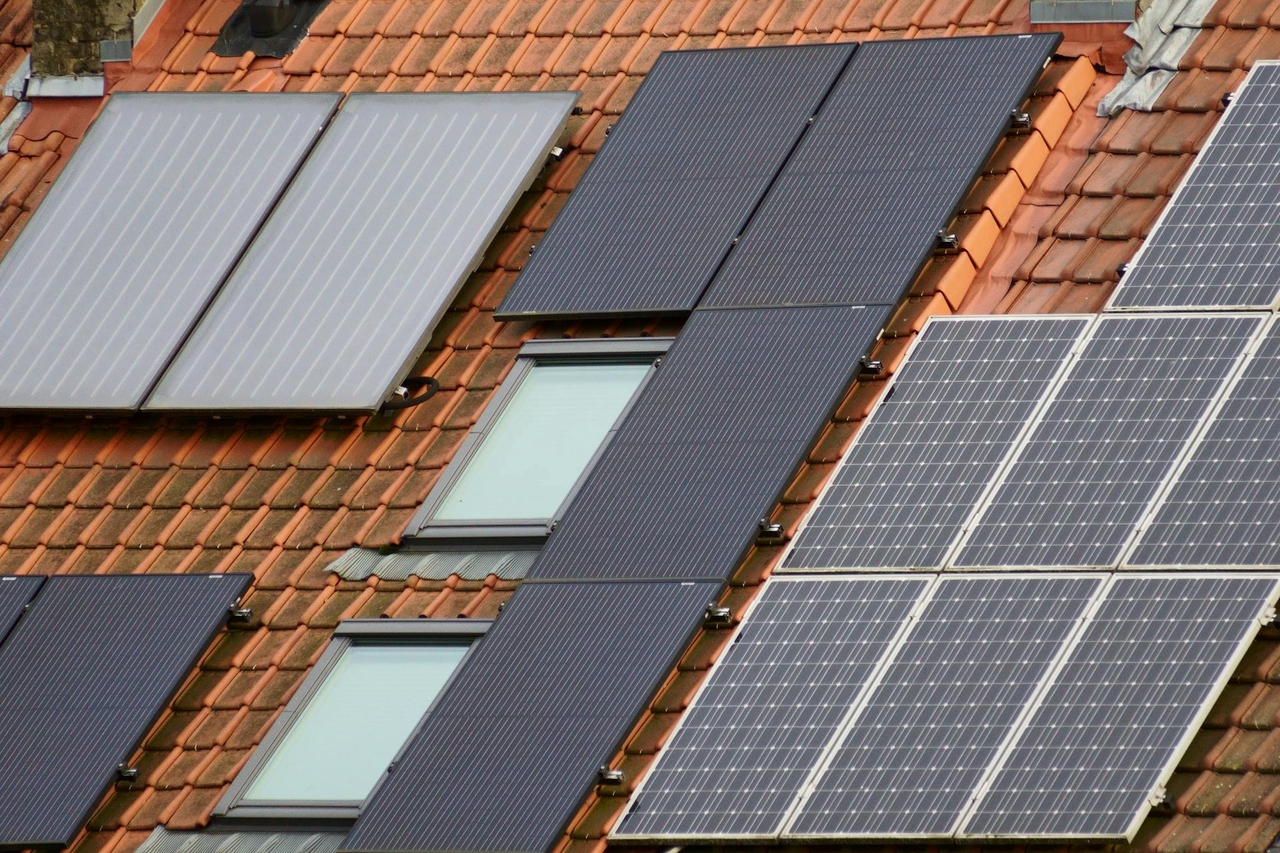
Maximising returns: Illinois solar incentives and rebates (2026)
Illinois features some of the most aggressive state-level clean energy programs in the country to help reduce your net expenses:
Illinois Shines (SREC Program): This state incentive pays you directly for the clean energy your system produces. Over a 15-year contract, you receive Solar Renewable Energy Credits (SRECs) that can reclaim 25% to 40% of your total system costs.
Net Metering Policy: Guaranteed retail-rate credits for surplus power generated via ComEd, Ameren, or participating municipal grids.
ComEd / Ameren rebates: Instant or structured commercial and residential equipment rebates for qualifying smart-inverter installations.
Property tax exemption: The Special Assessment for Solar Energy Systems ensures that the added equity value solar panels bring to your home is entirely exempt from increasing your local property taxes.
Important policy note: The historical federal Residential Clean Energy Credit (Investment Tax Credit or ITC) is structurally restricted and no longer available for standard cash or direct-loan residential solar purchases. Maximizing state-specific tools like Illinois Shines and localized utility rebates is now paramount to achieving the lowest net configuration cost.
How to get true energy independence in Illinois
Solar panels are excellent for lowering your electricity bills, but they have one major limitation: they only generate power when the sun is shining. During grid outages, which are increasingly common in Illinois due to severe storms, high winds, and winter weather, your solar system will automatically shut down for safety reasons.
As a modern product, battery storage solves this problem by storing excess solar energy produced during sunny hours. When paired with your solar system, the battery automatically powers your home during outages, at night, or when utility rates are highest.
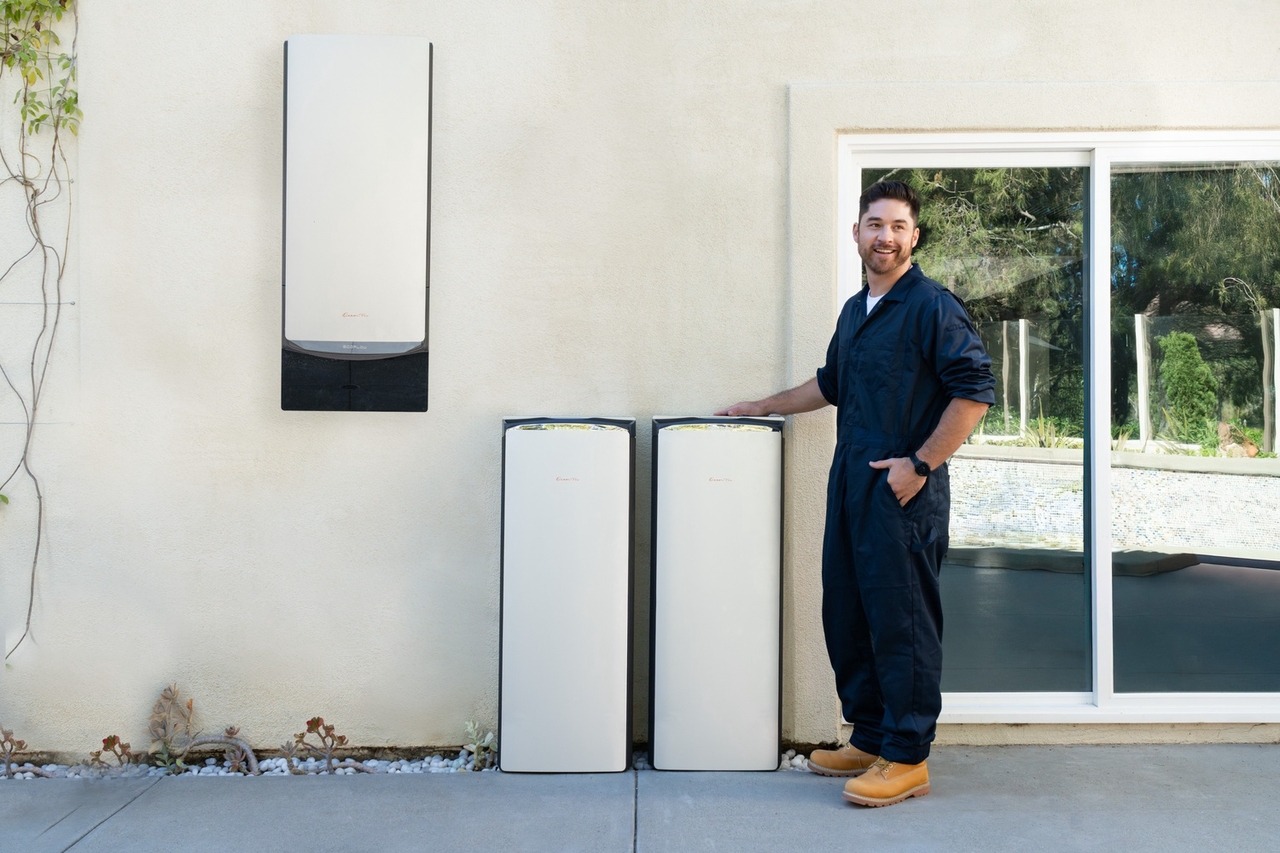
For reliable whole-home power backup in Illinois, the EcoFlow Ocean Pro is one of the most capable options on the market. This advanced home battery system offers massive scalable capacity (up to 80kWh), powerful 24kW continuous output, and fast solar charging. Built with safe and long-lasting LFP battery chemistry, it performs well in Illinois' extreme temperatures. The EcoFlow Ocean Pro shines during storms and grid instability by powering your entire home, providing overnight energy from stored solar, and maximizing self-consumption.
Steps to install solar panels in Illinois
Find qualified local installers
Research licensed and certified solar contractors in your area. Compare multiple quotes, warranties, equipment options, and customer reviews before selecting an installer.
Assess your roof and sunlight exposure
Evaluate your roof's condition, age, orientation, and shading. A professional assessment helps determine whether your property is suitable for solar energy.
Design your solar system
Your installer will calculate your energy needs and design a system that maximizes electricity production while fitting your roof space.
Obtain permits and approvals
The installer handles local permits, building approvals, and utility applications to ensure the project complies with Illinois regulations and requirements.
Complete grid interconnection
Your utility company reviews the system and approves its connection to the electrical grid, allowing net metering participation where available.
Install and inspect the system
Solar panels, inverters, and optional batteries are installed. After inspection and utility approval, the system is activated and begins generating power.
Get Your Free Home Energy Consultation!
Which energy solution are you interested in?

Conclusion
In 2026, the average solar panel cost in Illinois sits at around $3.04 per watt, with a typical 12.6 kW system costing approximately $38,000 before incentives. Thanks to strong programs like Illinois Shines, ComEd/Ameren rebates, property tax exemptions, and net metering, the effective cost drops significantly, delivering average 25-year savings of $21,000–$27,000 and a payback period of roughly 13–16 years. Adding a home battery backup further enhances these long-term financial benefits while providing true energy independence during outages.
Ready to take control of your energy future? Schedule a free EcoFlow consultation to design the perfect design for your Illinois home.
FAQs
How much does it cost to install solar panels in Illinois?
The average solar installation in Illinois costs about $37,661 before incentives for a typical residential system. Actual costs vary based on system size, equipment quality, roof conditions, and installer pricing.
Is it worth it to go solar in Illinois?
Yes. Solar can reduce electricity bills, provide long-term savings, and increase energy independence. Illinois incentives, net metering programs, and rising utility rates make solar attractive for many homeowners.
What is the 20 rule for solar panels?
The 20 rule is a sizing guideline recommending your solar system produce about 20% more energy than your average annual consumption. This accounts for inefficiencies, cloudy days, and future usage increases.
What happens after 25 years of solar?
Systems don't suddenly break; they simply slowly degrade. Most panels still reliably produce 80% to 85% of their original power output capacity well beyond their 25-year manufacturer warranty.
What happens to solar panels during Illinois winters?
Solar panels continue producing electricity during Illinois winters whenever sunlight is available. Snow may temporarily reduce output, but cold temperatures can improve panel efficiency and performance.

