
What Are the Benefits of Solar Energy for Homeowners?
The main solar energy benefits for homeowners include lower monthly utility bills and a reduced carbon footprint. As grid electricity rates climb, property owners often evaluate whether this transition makes financial sense for their specific household. While panels provide long-term utility offsets, they require careful planning around weather patterns and roof structures.
Additionally, standard arrays shut down during blackouts for safety reasons. To maintain electricity when the grid fails, integrating a home backup battery ensures the property stays operational. Below, we outline the realistic advantages and actual system limits of residential solar installations.
What are the benefits of solar power?
Moving to renewable energy comes down to practical returns. Figuring out how a property achieves energy independence with solar helps clarify if the investment pays off.
Lower monthly utility bills
Generating on-site power directly cuts operating costs. Transitioning to solar power for your home shifts long-term budget planning by securing a predictable energy resource, which is one of the most immediate benefits of solar energy.
Grid offset: Making your own electricity means pulling less from the utility company. That translates to smaller monthly bills.
Rate stabilization: The Department of Energy notes that solar stabilizes costs against shifting market prices, shielding owners from annual rate hikes.
Net metering credits: Many regions use net metering policies. Households send extra daytime power back to the grid in exchange for utility credits. These credits offset the cost of grid energy pulled at night.
Reduced environmental impact
A major part of the benefits of using solar involves shrinking a household's carbon footprint. Traditional power plants burn fossil fuels, affecting local air quality and ecosystems. Panels, on the other hand, generate electricity without pumping carbon dioxide or sulfur dioxide into the air.
Solar panels have low maintenance costs
Residential solar arrays lack moving parts. This static design prevents mechanical wear and tear, keeping upkeep straightforward. Installers generally back the components with performance warranties covering 20 to 25 years. Routine maintenance usually just means keeping the glass free of dust and debris. In many areas, seasonal rain washes them off naturally.
Potential property value increases
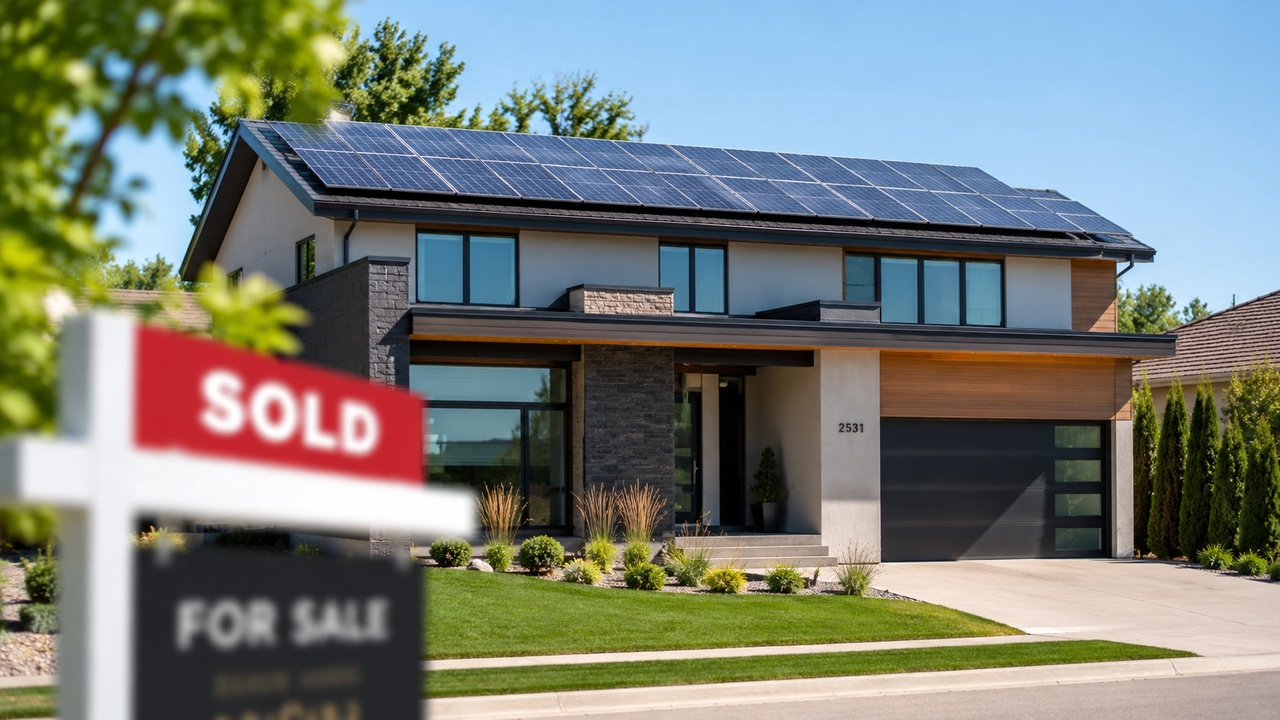
Adding a renewable energy system often catches the eye of potential buyers, functioning as a long-term financial driver among overall solar power benefits. Real estate markets increasingly treat solar as a premium upgrade. Research from the Lawrence Berkeley National Laboratory shows that houses with existing, owned solar installations often command higher sale prices. Buyers like moving into a place with built-in utility savings, providing a financial return even if you decide to sell the property later.
Common drawbacks and system limitations
Despite the clear upside, solar technology is not a magic fix for every house. Understanding the physical and financial limits sets realistic expectations.
High upfront installation costs
The initial price tag is a major hurdle. Buying the hardware and paying a professional installation crew requires serious capital. Financing options and solar loans spread out the cost, but they add interest rates. Property owners have to weigh the long-term utility savings against that immediate financial commitment to see if it fits their budget.
Space and structural roof requirements
Arrays need specific structural conditions to work. A roof has to be sturdy enough to hold the mounting hardware's added weight. Roof angle and direction also dictate sunlight capture. If large trees or neighboring buildings cast heavy shade over the house, solar production drops off sharply.
Solar production depends on sunlight
Solar power fluctuates with the weather. Panels only generate electricity when sunlight hits the photovoltaic cells directly. Heavy clouds or rainstorms cut efficiency. This dependency also means production stops completely at night, forcing homes to rely on the grid after the sun goes down.
Solar alone usually does not provide backup during an outage
A common misunderstanding is that solar panels maintain household power during a neighborhood blackout. Standard grid-tied setups actually shut down the moment the main utility grid fails. This built-in safety measure, known as anti-islanding, prevents active arrays from pushing live current into dead power lines, which protects the utility crews repairing the outage.
Nighttime presents another gap. Once the sun sets, a house goes right back to pulling electricity from the utility company. For properties in areas with time-of-use billing, relying solely on solar erodes utility savings during peak evening rates and leaves the home vulnerable to sudden outages.
The most practical fix is adding a home battery. Banking extra daytime power lets the house run smoothly regardless of what the grid is doing.
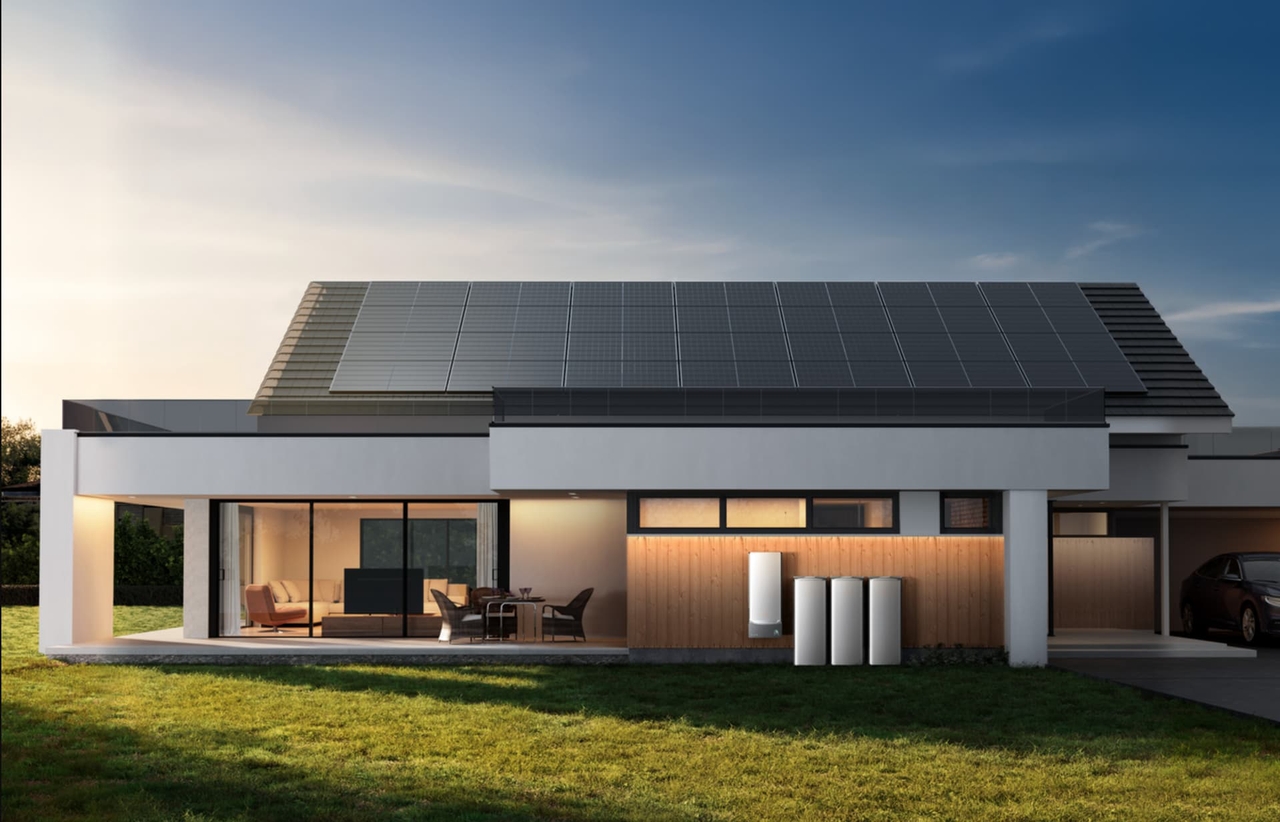
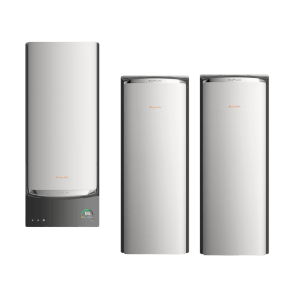
The EcoFlow OCEAN Pro Solar Battery System captures the surplus energy your panels make during the afternoon. By expanding up to 80kWh of storage capacity, the unit holds enough reserve power to run heavy-duty appliances when the grid drops. It works directly with existing panels to stabilize your utility costs after dark.
High-capacity output: Delivers up to 24kW of continuous power, enough to start demanding loads like a 5-ton HVAC system.
Grid-tied resilience: Offers UPS-grade switchover speeds (under 10ms) to maintain power during unexpected blackouts.
Intelligent mode: Shifts energy consumption to off-peak periods, which can help offset higher utility rates based on real-world usage patterns.
This setup offers a practical solution for households dealing with frequent weather-related grid failures or expensive evening electricity rates.
Get Your Free Home Energy Consultation!
Which energy solution are you interested in?
Are you ready to resolve uncertainty about home battery backups? We can help protect modernized properties from utility interruptions and peak pricing. Request a consultation today to find a practical energy solution for your home.
Making the decision: Is solar right for your home?
Figuring out if solar makes sense means looking closely at your specific property. A few key operational factors dictate whether the system actually pays off.
Evaluating your roof condition and lifespan
Check your roof before buying panels. Solar hardware lasts decades. If the current shingles need replacing in a few years, putting panels up now invites trouble. Fixing a roof under an active solar array means paying a crew to detach the equipment, complete the roofing job, and put the panels back up. That adds heavy labor fees.
Conclusion
Using sunlight to power a home is a straightforward way to cut utility bills and step away from fossil fuels. Yet, the transition requires real planning. Reviewing solar panels benefits and disadvantages shows that heavy upfront costs, strict roof conditions, and changing weather all dictate how a system actually performs. Figuring out if the setup makes sense means checking local utility rates and roof limits. Adding a battery into the mix solves the biggest headaches. It keeps the lights on during blackouts and lets a household bypass expensive peak pricing altogether.
FAQs
What are the 5 benefits of solar energy?
The primary solar energy benefits include cheaper monthly utility bills, a smaller carbon footprint, and very low system maintenance. Adding a setup can also boost property value while cutting down reliance on aging fossil fuel grids.
Is there a downside to solar energy?
Yes. The upfront installation price is steep, and production drops on cloudy days. A house also needs a sturdy, sun-facing roof with very little shade, otherwise the investment rarely pays off in the long run.
Do solar panels work at night?
No, they stop generating power once the sun sets. Without a battery, homes just pull electricity from the grid after dark. Adding a backup system like the EcoFlow OCEAN Pro changes this by saving daytime power for evening use and blackout protection.

