
What Is a Soft Starter? Core Mechanics and Heavy Motor Protection
Have you ever noticed your lights dimming for a split second when your air conditioner turns on? That sudden drop in power happens for a very specific reason. Heavy electric motors need a massive surge of electricity just to wake up and start spinning. This initial pull of electricity is called inrush current. It places a huge amount of stress on your home electrical system. Over time, this daily wear and tear can damage both the motor itself and your power grid.
For homeowners trying to keep their appliances running smoothly, understanding how to manage these massive power surges is very important. When you run your house on backup power, those sudden surges can sometimes overwhelm standard batteries or gas generators. This often leaves people searching for reliable home battery backup options that will not shut down when a heavy motor turns on.
In this exploration of motor mechanics, we will examine how specialized devices protect your equipment from damage. We will also examine modern, built-in solutions that handle heavy motor startups naturally. By the end of this reading, you will know exactly how to protect your most expensive home appliances.
What is Soft Starter Technology?
Solid-State Components
To protect motors and electrical grids, engineers created a very specific device. So, exactly what is soft starter technology? Simply put, it is a solid-state electrical component. It is placed directly between an alternating current (AC) motor and its main power supply. It does not have moving parts like a traditional mechanical switch. Instead, it relies on advanced electronics to manage the flow of electricity safely.
Managing Electrical Surges
Its main job is to temporarily reduce the massive surge of electricity when a motor is first turned on. It also reduces the harsh mechanical twisting force, which is known as torque. Think about pushing a heavy car. Getting it to budge from a dead stop takes a massive amount of effort. Once it rolls, it takes much less energy to keep it moving. Electric motors work the exact same way. They need a large electrical push just to break their resting state. Because these heavy appliances draw so much power to start, they are often a huge part of what consumes the most electricity in a house.
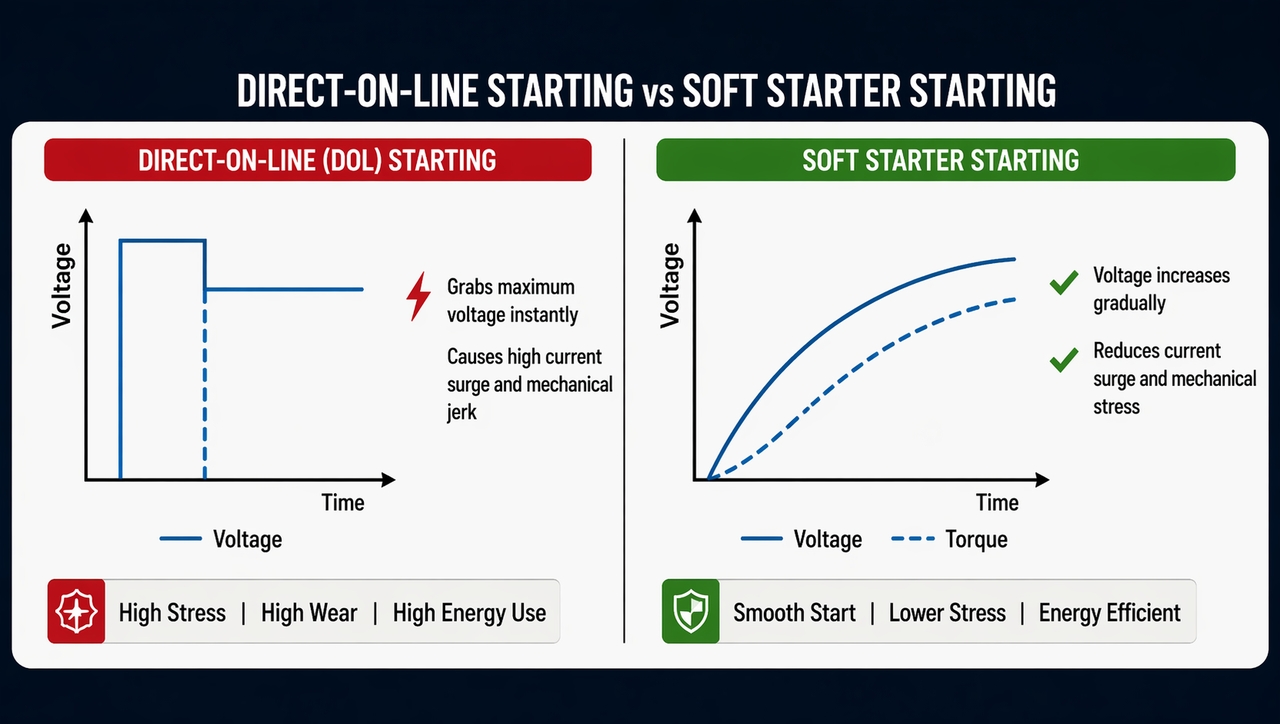
When a standard motor starts normally, it uses a method called "direct-on-line" starting. It grabs the absolute maximum voltage immediately. This causes a violent jerk inside the machine. By putting this device in the middle, you force the electricity to enter the motor slowly. The motor spins up gently. The mechanical parts do not slam together, keeping the machine completely safe.
How Does a Soft Starter Work?
Silicon-Controlled Rectifiers
Now that we know what it does, we can dive into the internal mechanics. How does a soft starter work on the inside? It relies on a few clever electrical parts. The core of this device uses components called silicon-controlled rectifiers (SCRs). Electricians also call them thyristors. You can think of these SCRs as electronic traffic gates. They sit directly on the power line. When the motor is turned off, these gates are completely closed tight.
Smooth Voltage Ramp-Up
When you turn the motor on, the SCR gates open just a tiny bit. They restrict the initial voltage flowing to the motor. Because the motor gets a small taste of electricity, it begins to turn very slowly. It does not jerk or shake. As the motor gains speed, the SCR gates progressively open wider. They let more voltage pass through. This gives the motor a smooth, controlled ramp-up. The speed increases steadily until the motor reaches full operating speed.
The Bypass Contactor
Once running at 100 percent speed, the device changes its operation. Keeping electricity flowing through the SCR gates generates a lot of heat. Too much heat damages electronic parts. To fix this, a bypass contactor automatically takes over. This heavy-duty switch snaps closed. It gives the electricity a clear, direct path to the motor. This prevents heat buildup and lets the motor run happily on full grid power.
Key Benefits of Using a Soft Start Starter
Better Mechanical Longevity
Integrating a soft start starter into an electrical system provides massive advantages. Every time a heavy motor starts instantly, it violently twists its internal parts. This sudden shock rapidly wears down rubber belts, metal gears, and pulleys. By eliminating this jerk, the machine lasts much longer. The smooth start saves thousands of dollars in repair bills over the years. You get more life out of your expensive appliances.
Superior Electrical Stability
Heavy motors pull a massive amount of power when they wake up. This pulls power away from everything else on the circuit. It causes localized voltage drops. Your lights flicker, and desktop computers might crash. A gradual start limits this initial power grab. It keeps the voltage perfectly stable across your home. It protects your sensitive electronics, like televisions and phones, from dangerous fluctuations.
Critical Thermal Protection
Electricity naturally creates heat. When a massive surge of power hits a motor all at once, the internal wires get very hot. Frequent harsh startups generate extreme thermal stress inside the motor housing. Over time, this heat can melt the protective insulation. A controlled startup keeps the wiring much cooler. It minimizes thermal damage and keeps the motor safe for daily use.
Common Applications and Heavy Motor Solutions
Industrial Water Pumps
These devices are completely essential in many different industries. City water facilities use them on massive water pumps to prevent pipe-damaging "water hammer." Water hammer happens when water starts or stops too quickly, blowing pipes apart. Factories also use them on conveyor belts. If a belt starts with a jerk, fragile products will fall and break. A smooth start protects the expensive goods.
Residential HVAC Compressors
This technology naturally transitions into residential applications, too. The most common home application involves large central air conditioning compressors. Home HVAC units draw massive startup currents, known as Locked Rotor Amps (LRA). Because of this huge surge, homeowners sometimes install a soft starter kit to prevent tripped breakers. This is especially common when running on older gas generators during a blackout.
Robust Backup Solutions
Instead of retrofitting individual appliances, upgrading to a robust home backup system can safely absorb massive electrical surges natively. High-capacity solutions like the EcoFlow OCEAN Pro Solar Battery System are engineered to handle extreme startup demands without the need for external modifications:
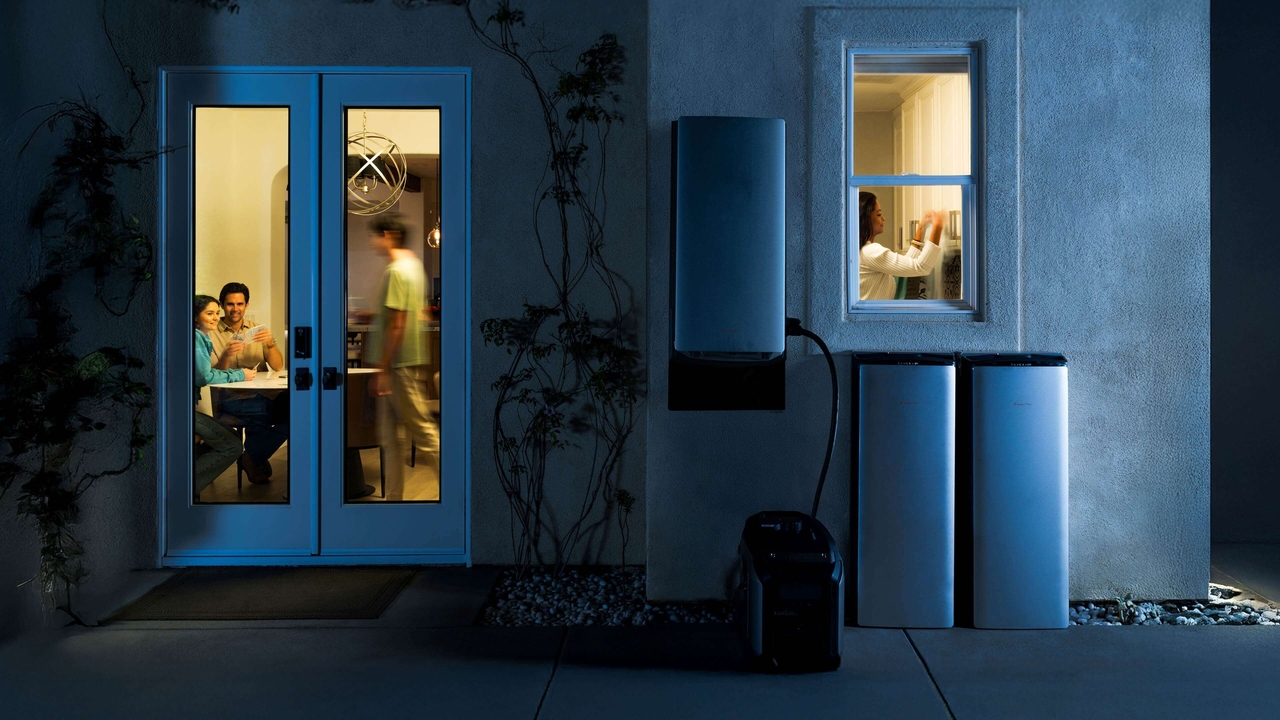
Heavy motor support: Delivers 205A LRA, easily starting demanding loads. It handles up to two 5-ton (17.6 kW) HVAC units simultaneously, so you do not need to purchase separate kits for your air conditioners.
Flexible backup duration: Battery storage scales from a base 10kWh module up to a massive 80kWh limit. This allows you to keep major household appliances running securely during prolonged power outages.
Automated efficiency: A built-in Intelligent Mode automatically shifts your heaviest energy usage to off-peak hours. This helps optimize your daily electricity costs seamlessly without any manual effort.
Are you ready to resolve your uncertainty about heavy motor loads and home power? We can help you find the perfect system to keep your appliances safe. Request a consultation today to learn how to keep your home fully powered through any outage.
Get Your Free Home Energy Consultation!
Which energy solution are you interested in?

Soft Starters vs. Variable Frequency Drives (VFD)
Single-Purpose Control
When looking to improve motor efficiency, people often compare these starter devices to Variable Frequency Drives (VFDs). Both technologies limit the massive inrush current. However, their core functions are very different. A soft starter is a specialized, single-purpose tool. It only controls the motor during the brief acceleration phase. Once the motor reaches full speed, the device's job is finished. It cannot change how fast the motor spins while it is running.
Continuous Speed Alteration
A Variable Frequency Drive is much more complex. A VFD can continuously alter the electrical frequency going to the motor. This allows the VFD to control the exact speed of the motor throughout its entire run cycle. You can make the motor run at half speed at any time. VFDs offer continuous speed control for complex tasks. However, they are large, expensive, and create extra electrical noise. For machines that simply need to turn on safely and run at one speed forever, VFDs are completely unnecessary.
Final Thoughts
Dealing with heavy electrical loads does not have to be frustrating. Whether you are managing a factory conveyor belt or just keeping your home air conditioner safe, controlling the startup surge is the key. By smoothing out the flow of electricity, you protect your equipment from mechanical damage. You also protect your home wiring from dangerous heat and voltage drops.
While individual kits can help older appliances, modern energy ecosystems handle these issues natively. By choosing a robust battery setup, you can absorb massive power spikes naturally. You get total peace of mind, knowing your appliances are safe, stable, and ready for anything.
FAQs
What is the main purpose of a soft starter?
Its main purpose is to lower the huge electrical surge and mechanical stress when an AC motor turns on. This smooth start protects your home grid from voltage drops and saves the motor's internal parts from breaking down.
How does a soft starter work?
It uses internal solid-state gates called thyristors to limit the initial voltage. As the motor slowly gains speed, these gates open wider. This lets full power flow smoothly without causing a sudden electrical spike or violent jerk.
Do I need a soft starter kit for my home AC?
If your AC dims the lights, a kit helps. However, modern whole-home batteries like the EcoFlow Ocean Pro absorb massive 205A LRA surges natively. This often eliminates the need to install extra soft starter kits for heavy air conditioners.
Does a soft starter save energy?
It mainly stops huge power spikes when a motor wakes up, which can lower utility demand fees. However, it does not actively save energy or reduce power use while the motor is already running at its normal, full operating speed.
Can a soft starter control motor speed?
No, it cannot change your motor's continuous running speed. It only manages the brief acceleration phase by adjusting the startup voltage. Once the motor reaches its top speed, the starter is completely bypassed.

