
Scandinavian Style Home: A Guide to Simple & Efficient Living
Cluttered rooms, high energy bills, and overly complicated interiors can make home life feel stressful and inefficient. A Scandinavian style home offers a refreshing solution rooted in simplicity, comfort, and functionality. Homeowners can combine clean Nordic design principles with a modern smart home energy system to achieve both aesthetic harmony and efficient living. This guide explores key elements of Scandinavian style homes with purposeful exteriors and interiors that feel open and effortlessly sustainable.
What are Scandinavian style homes
People love Scandinavian style homes because they are clean, functional, and peaceful places to live. They were inspired by Nordic countries and the style is based on the idea that homes should be simple, useful, and beautiful without being too much.
Traditional Scandinavian homes first appeared in the early 1900s because of the long, dark winters and lack of natural light in Nordic areas. They became popular around the world in the 1950s. The goal is to make homes that feel cosy and uncluttered by combining natural elements with modern minimalism.
Simply put, Scandinavian-style houses are defined by simplicity, functionality, and a strong connection to nature. These are appreciated for their minimal approach, thus prioritizing usability without decorative excess.
Key characteristics & exterior design of Scandinavian home designs
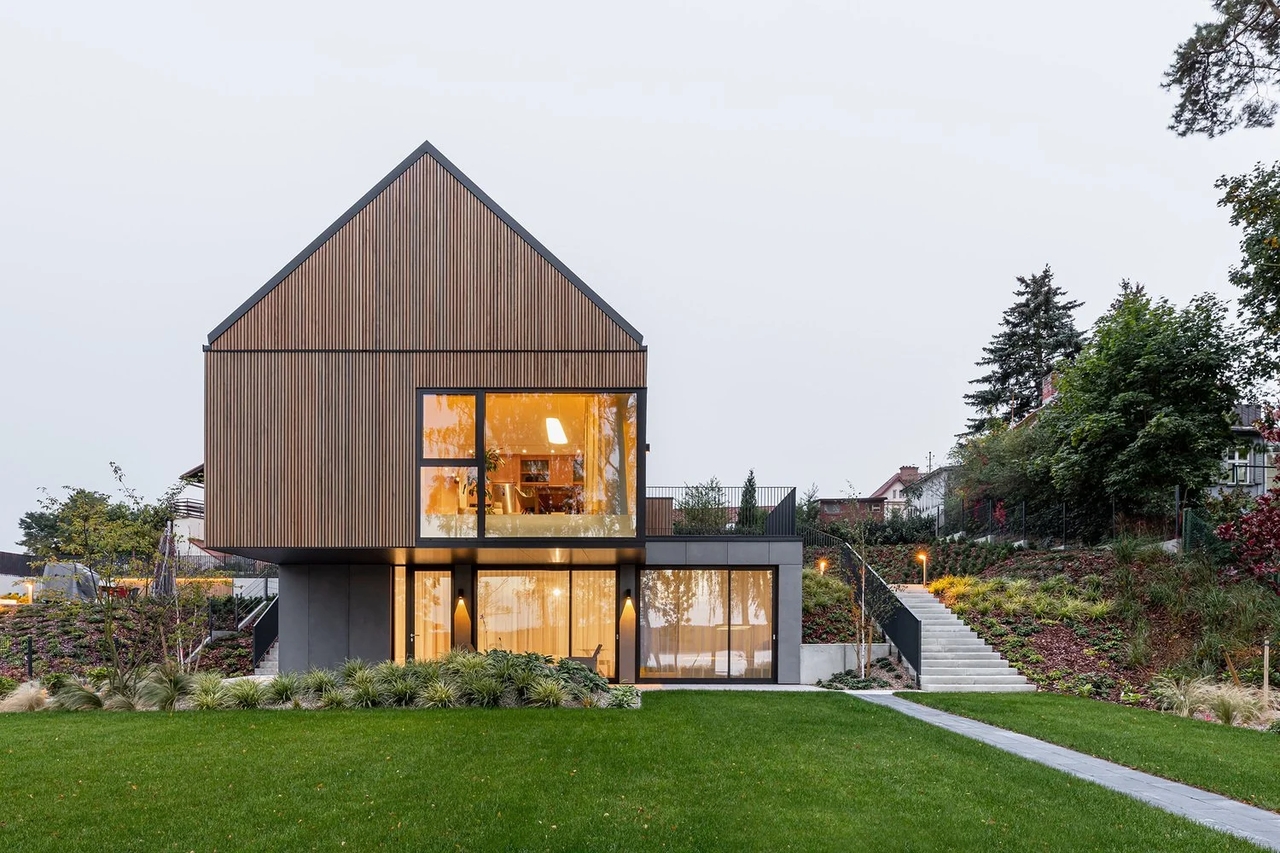
Key characteristics
Light-filled spaces with large windows: Scandinavian homes are built to make the most of the limited natural light that comes in, which is especially important in Nordic areas with long winters. Big windows often minimally dressed or left uncovered let in a lot of light, making the rooms bright and cheerful.
Neutral color palette: The foundation of Scandinavian modern home design interiors is a soft, muted color scheme that includes whites, light greys, beige, and gentle earthy tones. This palette enhances natural light, reduces visual clutter, and creates a calm, cohesive environment that feels timeless and easy to live in.
Clean lines and minimalism: Furniture and architectural details follow simple, streamlined forms without excessive ornamentation. This minimal approach reduces distractions and promotes a sense of order, making spaces feel more functional, spacious, and visually balanced.
Natural materials and textures: Wood (especially light oak or pine), stone, wool, cotton, and linen are widely used to bring warmth and tactility into interiors. These natural materials make the minimal look softer and give the space a cosy, lived-in feel that is known as "hygge," a Scandinavian idea that focuses on comfort and well-being.
Exterior design
Simple geometric forms: Scandinavian home exterior favors straightforward shapes such as rectangles and clean rooflines. This simplicity is in line with the overall design philosophy of functionality and avoids adding unnecessary decorative details, which makes the look balanced and harmonious.
Muted and natural color schemes: Scandinavian home exterior commonly features soft whites, cool greys, matte blacks, and earthy tones like deep brown or forest green. These colors are chosen to blend naturally with surrounding landscapes such as forests, mountains, and coastal areas.
Large, strategically placed windows: When it comes to designing a Scandinavian-style home, windows are not just functional but also a defining aesthetic feature. They are often large and symmetrically placed to maximize daylight, improve energy efficiency, and create a strong visual connection between indoor and outdoor environments.
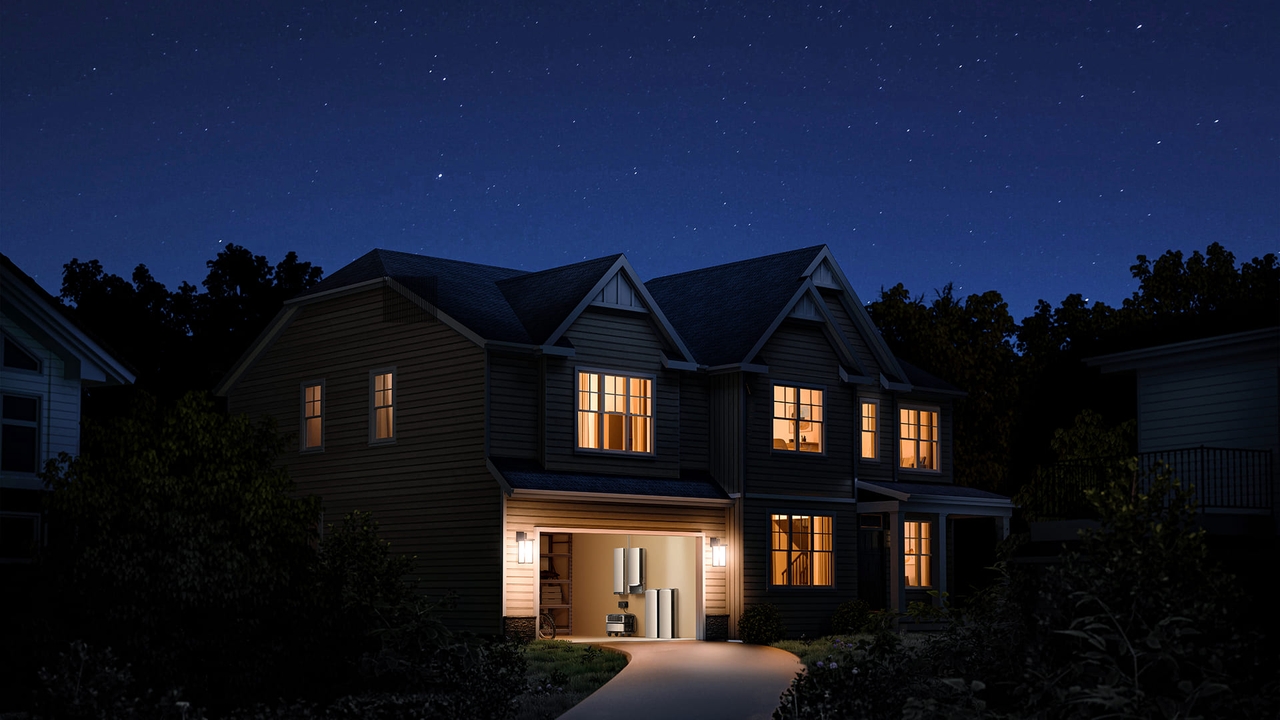
Sloped or pitched roofs: Roofs are typically steep or angled to handle heavy snowfall and rain common in Nordic climates. Beyond functionality, these rooflines also contribute to the iconic, cozy silhouette associated with Scandinavian architecture.
Popular Scandinavian style variations
a. Minimal Scandinavian
Minimal Scandinavian design is all about living in a space that is very simple and free of clutter. Spaces are kept simple, with clean lines, neutral colours, and furniture that works well. The emphasis is on openness and calm, with every object having a clear purpose.
b. Rustic Scandinavian
Rustic Scandinavian-style homes blend the clean simplicity of Nordic design with warm, natural, and sometimes rugged elements. It incorporates raw or reclaimed wood, textured fabrics, and earthy tones to create a more grounded and cozy atmosphere.
c. Modern Scandinavian
Modern Scandinavian design gives traditional Nordic ideas a more modern and contemporary feel. It keeps things simple and useful, but it often has bold accents, smooth finishes, and new materials like metal, glass, and polished surfaces. Complement modern Scandi houses with smart home technology to change lives.
d. Japandi style
Japandi is a mix of Scandinavian functionality and Japanese minimalism in design. It focuses on natural materials, muted colours, and simple designs that are meant to be beautiful. Scandinavian design adds warmth and comfort, while Japanese design adds order and calm.
Why Scandinavian homes focus on simple and efficient living
Scandinavian homes are deeply rooted in a philosophy that values balance, practicality, and comfort over excess. In Nordic cultures, "less is more" isn't just a design preference—it's a way of life that prioritizes efficient living, where every space, object, and design choice serves a clear purpose. This approach naturally reduces clutter, improves functionality, and creates homes that feel calm and easy to maintain.
A major reason for this focus is the region's environmental conditions and high energy demand. With long winters and limited daylight, Scandinavian homes are designed to maximize warmth, natural light, and insulation efficiency. This has led to a strong emphasis on sustainable design choices that reduce energy waste while maintaining comfort. From thermal insulation to smart layouts, every detail is optimized for performance and efficiency.
Modern Scandinavian-style homes can easily integrate with smart energy solutions that help homeowners manage consumption more effectively. For example, EcoFlow Ocean Pro is a great choice. Engineered for long-term resilience, the modular architecture scales from 10kWh to 80kWh and features a sub-10ms transfer time for uninterrupted power. By quietly improving energy control, it enhances the Scandinavian idea of a home that is not only simple and beautiful, but also highly efficient and sustainable.
Get Your Free Home Energy Consultation!
Which energy solution are you interested in?


Conclusion
Scandinavian style home is more than a visual trend—it's a way of living that embraces simplicity, warmth, and functionality in every corner of the home. By focusing on clean spaces, natural materials, and purposeful design, it creates an environment that feels both calming and practical. Even modern additions like a smart home energy system fit seamlessly into this philosophy, enhancing efficiency without disrupting the home's simplicity.
Ready to upgrade your lifestyle? Schedule Your Free Consultation Today to learn how you can effortlessly integrate modern energy solutions into your Scandi-style homes.
Frequently Asked Questions
1. What defines a Scandinavian-style home?
Simple, useful, and comfortable are the hallmarks of a Scandinavian-style home. It has clean lines, simple decor, neutral colours, and a lot of natural materials like wood and fabrics. The goal is to make spaces that are bright, open, and useful, as well as welcoming.
2. Are Scandinavian style homes expensive to build?
Not necessarily. While high-quality materials and craftsmanship can increase costs, the overall design philosophy emphasizes simplicity and efficiency, which can help reduce unnecessary expenses. Smart planning, energy-efficient features, and minimalistic layouts often make these homes cost-effective in the long run.
3. Why are Scandinavian homes mostly neutral?
Neutral colors like white, grey, and beige help reflect natural light, making interiors feel brighter and more spacious, especially important in regions with long, dark winters. These tones also create a calm, cohesive environment that aligns with the minimalist aesthetic.
4. What is Scandinavia house known for?
Scandinavian homes are known for their light-filled spaces, functional layouts, and connection to nature. They emphasize comfort, often associated with "hygge", energy efficiency, and timeless design that balances beauty with practicality.
5. How can I make my Scandinavian home eco-friendly?
You can make your home eco-friendly by using sustainable materials, maximizing natural light, improving insulation, and reducing energy waste. Incorporating solutions like a smart home energy system can further optimize energy use, helping you maintain a simple, efficient, and environmentally responsible living space.

