
Exploring the Core Benefits of Residential Energy Storage Systems
Utility bills have been creeping upward for years, and grid reliability in many parts of the country is not improving fast enough to keep pace with extreme weather events and aging infrastructure. Homeowners are noticing. More people than ever are looking beyond simply paying the monthly electric bill and asking a more pointed question: what would it take to stop depending entirely on the grid?
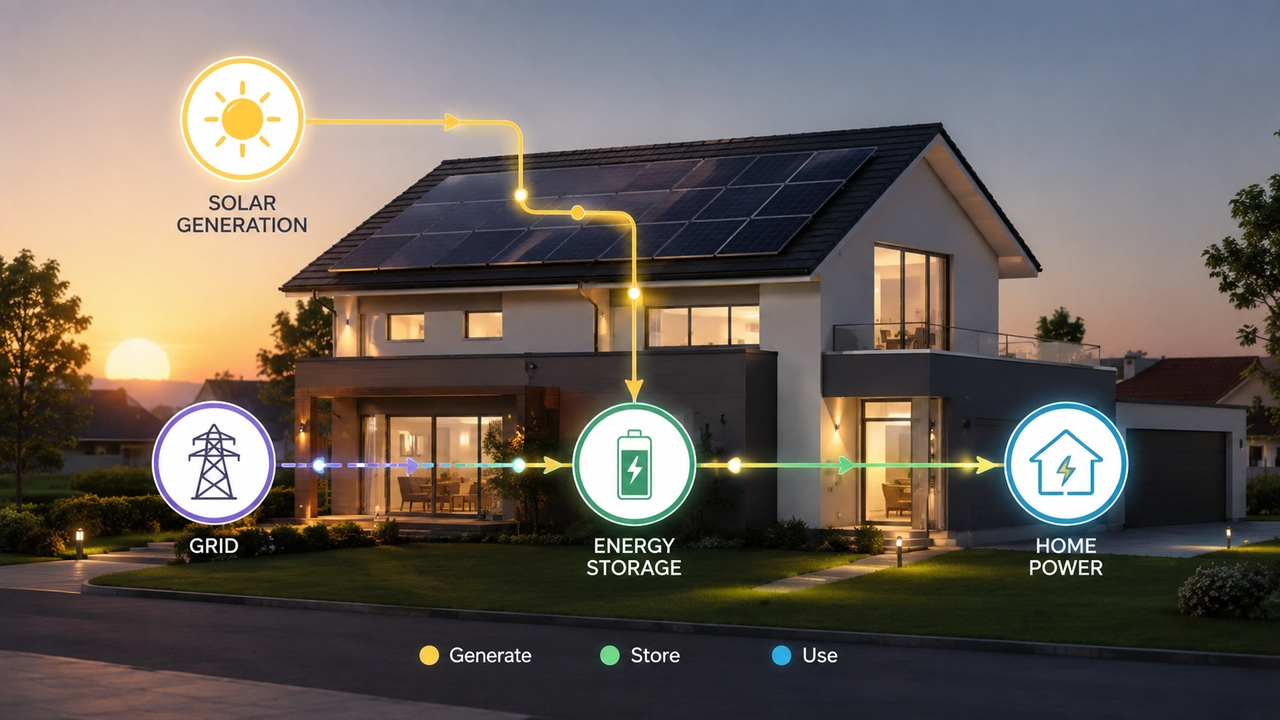
A residential energy storage system is the most direct answer to that question. It captures surplus electricity, typically from rooftop solar panels, and holds it for later use when rates are high, the sun is not shining, or the grid goes down altogether. Investing in a reliable home battery backup protects a household from unpredictable blackouts while giving real control over daily power consumption.
This overview covers the core components, primary benefits, sizing considerations, and where home energy storage technology is heading next.
What is a Residential Energy Storage System?
Think of a residential energy storage system as a personal power reservoir built into the home. Instead of sending excess solar electricity immediately back to the grid in exchange for modest credits, these systems hold that power on-site and deploy it on the homeowner's terms.
Core Components of Home Energy Storage
The hardware behind a residential energy storage system is more integrated than most people expect. Several components work together to move electricity safely and efficiently around the property.
Battery Modules: They are the physical cells that hold the electrical charge. Most modern residential systems use Lithium Iron Phosphate (LFP) chemistry, chosen for its thermal stability, long cycle life, and considerably lower fire risk compared to older lithium-ion chemistries. These modules are what store and release the actual energy.
Hybrid Inverters: It handles the conversion and routing of electricity between all the moving parts: Solar panels, batteries, the grid, and household appliances. Solar panels produce direct current (DC), but homes run on alternating current (AC). The inverter manages that conversion while also deciding, in real time, where power flows based on current conditions and programmed priorities.
Battery Management System (BMS): This is the internal intelligence layer that keeps everything safe. The BMS monitors cell temperature, voltage, state of charge, and overall health continuously. It prevents overcharging, over-discharging, and overheating, all of which can degrade battery performance or create safety hazards. A capable BMS is what separates a battery that lasts 15 years from one that degrades badly within five.
Smart Electrical Panels: They distribute stored power to specific household circuits and allow real-time monitoring of consumption by circuit. Advanced panels go further, enabling remote control of individual circuits and automated load management during outages or peak rate periods.
All 4 components need to work well together. A strong battery paired with an underpowered inverter or a weak BMS will underperform regardless of the storage capacity on paper.
Key Benefits of Adding a Battery to Your Home
Integrating a residential energy storage system into a property goes considerably beyond basic blackout protection. As highlighted by the U.S. Department of Energy on solar and storage integration, modern home batteries fundamentally change how a household manages and consumes energy.
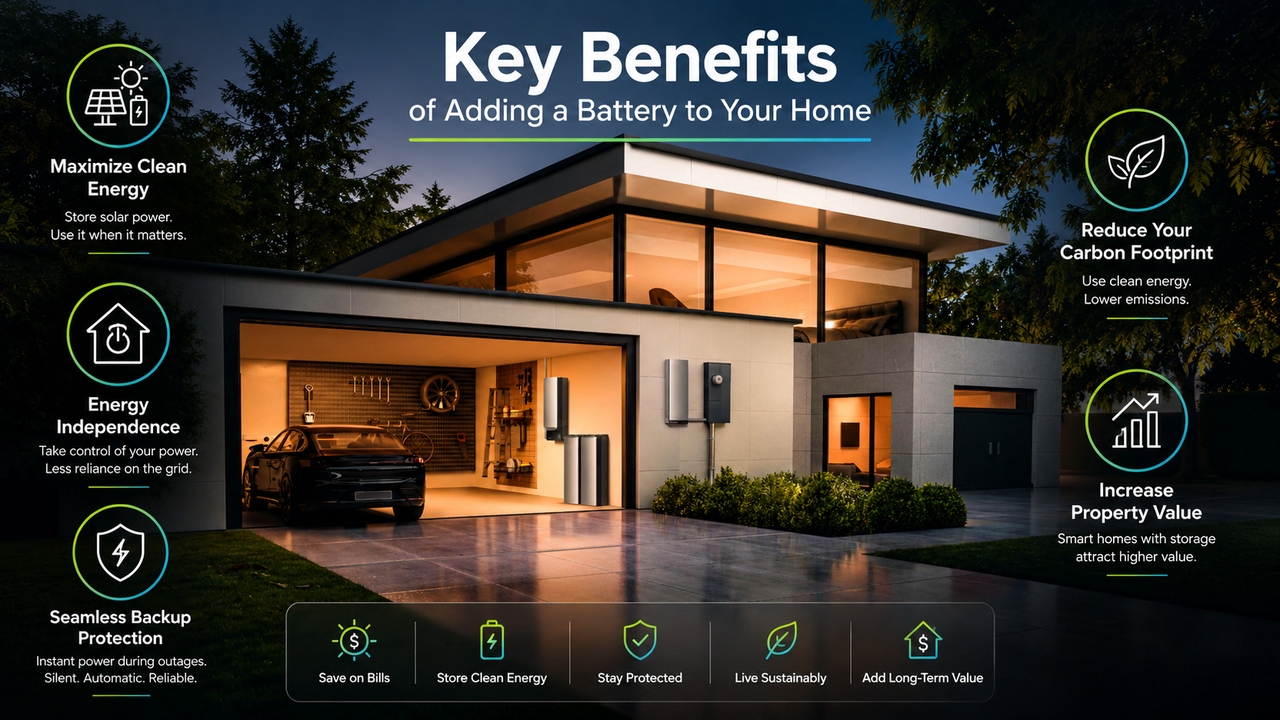
Maximizing Clean Energy Self-Consumption: Without storage, excess solar power generated during peak sunlight hours gets exported back to the grid for minimal feed-in credits, often at rates far below what the same electricity would cost to buy back later. A battery keeps that clean generation on-site. Solar energy produced at noon gets used at 7 p.m. instead of being sold cheap and bought back expensive.
True Home Energy Independence: Centralized utility infrastructure is aging, and grid instability during extreme weather is well-documented. On-site storage provides real control over how and when a home uses electricity, rather than leaving that entirely to the utility's ability to keep the lights on.
Continuous, Seamless Emergency Resilience: A generator is loud, requires fuel, needs outdoor ventilation, and takes a moment to kick in after power cuts. A battery system is silent, operates indoors, needs no fuel, and switches automatically in milliseconds. Refrigerators, medical equipment, and security systems stay powered without anyone doing anything.
Reducing Household Carbon Footprint: Storing daytime solar power and using it to cover high-draw evening activities reduces reliance on fossil-fuel peaker plants that utilities fire up during peak demand hours. The carbon savings are real, even if they do not show up directly on a bill.
Increasing Property Value: Homes equipped with permanent, self-sustaining energy ecosystems are increasingly recognized as premium properties in real estate markets. A well-installed solar-plus-storage system adds measurable value that buyers in energy-conscious markets actively seek out.
Get Your Free Home Energy Consultation!
Which energy solution are you interested in?
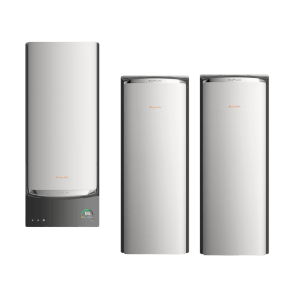

Figuring out the right system for a specific home, load profile, and energy goals takes more than reading a spec sheet. Request a consultation with an EcoFlow energy advisor to get a clear picture of what configuration actually makes sense for the property.
Evaluating and Sizing Your Storage Solution
Getting the sizing right is where most homeowners benefit most from professional guidance. A system that is too small will not cover real loads during an outage. A system that is oversized adds unnecessary upfront cost. Matching hardware to actual household needs is the goal.
Assessing Household Power Needs
The starting point is understanding which appliances matter most during an outage or on a high-demand evening. Essential loads like Wi-Fi routers, lighting, and phone charging are relatively low-draw. Heavy-duty appliances like central air conditioning, electric water heaters, and electric stoves demand serious continuous wattage and even higher surge power when they start up.
A home that wants to run a full HVAC system, refrigerator, and general lighting through a multi-day outage needs a very different system than one focused purely on keeping a few essentials alive for a few hours.
Distinguishing Between Continuous Power and Peak Surge Needs
This is the part that catches many buyers off guard. Two specifications matter equally, and they measure different things.
Storage capacity, measured in kilowatt-hours (kWh), determines how long the home can run. Output capacity, measured in kilowatts (kW) and amps, determines how many appliances can run simultaneously. A system with plenty of kWh but insufficient kW output will fail to start large motorized equipment like HVAC compressors, well pumps, and refrigerators.
The key figure to check is Locked Rotor Amps (LRA): The surge current a motor draws at the moment of startup, which can be several times higher than the appliance's running current. An undersized inverter that cannot handle the LRA of a 5-ton HVAC unit will trip during startup, even if the battery has plenty of charge remaining.
Choosing a Modern Whole Home Backup Solution
For households that want genuine whole-home coverage, the hardware needs to match that ambition. The modern whole-home battery setup, like the EcoFlow OCEAN Pro Solar Battery System, is designed for exactly this use case. It delivers 24kW of continuous output with a 205A LRA rating, comfortably starting two 5-ton HVAC units at the same time without breaking a sweat. Storage scales from 10kWh all the way to 80kWh as energy needs expand, and the system supports up to 40kW of solar input across 8 independent MPPT channels for maximum generation capture.
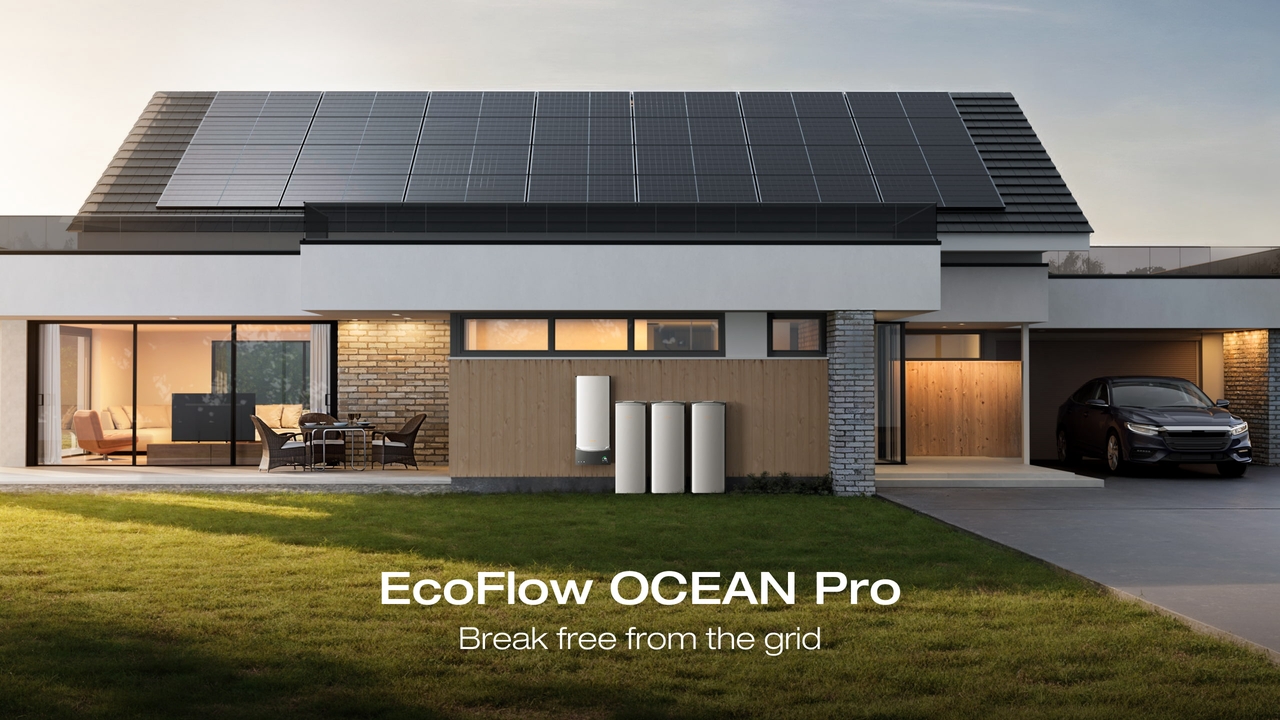
Beyond raw capability, the built-in Intelligent Mode automatically shifts household energy consumption to off-peak rate periods, cutting utility costs without requiring manual scheduling. For homeowners who want a system that manages itself intelligently rather than one that just sits waiting for an outage, that kind of built-in optimization makes a meaningful difference in long-term savings.
Ensuring Safe and Compliant Installation
High-voltage electrical work connected to a home's main panel is not a DIY project under any circumstances. Proper installation requires a licensed, certified electrician to ensure the system meets local building codes and the National Electrical Code (NEC). A reputable installer will also handle the utility interconnection application and coordinate any required permits, leaving the homeowner with a system that is safe, code-compliant, and covered by applicable warranties.
Future Trends in Home Energy Management
The residential energy storage landscape is evolving quickly, and several developments are worth tracking for anyone making a long-term investment decision.
Intelligent Load Management: Smart electrical panels are increasingly moving beyond simple circuit distribution to active load management. Systems using Intelligent Mode features learn household energy habits over time and automatically shift heavy appliance usage to off-peak rate periods, maximizing bill savings without any manual input from the homeowner.
Advanced Cell Chemistry: The industry is gradually moving toward solid-state batteries, which promise higher energy density and better thermal stability than current LFP designs. Production at residential scale is still several years out, but the trajectory is clear. Current LFP systems remain the practical and proven choice for the foreseeable future.
Automated Grid Response: Future systems will communicate more directly with local grid operators, predicting weather patterns and grid conditions to preemptively charge batteries before storms arrive or demand spikes are forecast. Early versions of this functionality already exist in some premium systems today.
Conclusion
Residential energy storage has moved well past the early-adopter phase. Hundreds of thousands of American households now use battery systems to manage outages and reduce grid dependence, with the residential storage market growing rapidly. More than 800 MW of new residential capacity was installed in 2025 alone, a 75% year-over-year increase.
The fundamentals are straightforward: capture clean solar energy when production peaks, store it on-site, and deploy it on the homeowner's schedule rather than the utility's. The financial case is real, the grid resilience benefit is real, and the long-term property value impact is real.
Getting those benefits consistently depends on choosing the right system for actual household loads, sizing it correctly for both capacity and output, and having it installed by qualified professionals. For most modern homes wanting genuine whole-home independence, a high-output LFP system remains the most practical and proven path to getting there.
FAQs
What is residential energy storage?
Residential energy storage refers to battery systems installed at a home that capture and hold electricity, typically from solar panels, for use during outages, peak rate hours, or overnight. The goal is on-site energy control rather than full dependence on the utility grid.
How much does residential energy storage cost?
In 2026, a typical residential battery system runs between $9,000 and $18,000 installed, or roughly $700 to $1,100 per usable kWh. Whole-home systems with higher capacity and output capability sit at the higher end of that range.
Is it worth buying a battery to store electricity?
For most homeowners with solar panels or in areas with time-of-use utility pricing, the combination of bill savings, backup power, and reduced grid dependence makes storage worth the investment. Payback periods typically range from 8 to 12 years, depending on local electricity rates, usage patterns, and available state incentives.
How long do home energy storage batteries last?
Modern LFP batteries are rated for over 6,000 charge cycles, which translates to 10~15 or more years of daily use for most households. Premium systems like the EcoFlow OCEAN Pro carry 15-year warranties, reflecting the durability built into current LFP chemistry.
Can I run my whole house on solar batteries?
Yes, with the right system sizing. Running an entire home through a multi-day outage requires both sufficient storage capacity (kWh) and enough continuous output (kW) to handle all appliances simultaneously, including the surge demands of HVAC compressors. Systems designed for whole-home backup, with 24kW or more of continuous output, are built specifically for this purpose.

