
Remote Work Best Practices: Practical Tips for Work-Life Balance
Remote work best practices are becoming essential as more professionals struggle to balance productivity and personal well-being from home. Remote work can offer freedom and flexibility, but sometimes, it can also blur the lines between work and personal life, which can lead to stress, burnout, and less efficiency. By adopting proven strategies and utilizing a home battery backup, remote workers can foster a healthier, more sustainable work environment while keeping their gadgets connected all the time. This guide covers the benefits of working remotely and proven strategies to strike a work-life balance.
What are the benefits of working remotely

Productivity boost
One of the most significant advantages of remote work is increased productivity. In a traditional office environment, concentration can be disrupted by workplace distractions such as interruptions from coworkers, unplanned meetings, and general office noise.
Employee satisfaction
Remote work often results in increased employee satisfaction as it offers more autonomy and flexibility. Employees like being able to have more control over how they organize their day, and that can increase their sense of ownership and engagement.
Cost saving
Remote work offers significant financial advantages for employees and employers. Commuting, fuel, public transportation, parking, work attire, and daily meals bought away from home are all costs that can be saved by workers.
Increased flexibility
Flexibility is one of the main reasons many professionals opt for remote work. Employees often can align their schedules with personal obligations, family responsibilities, appointments, and other daily routines.
Work-life balance
When done right, remote work has the potential to greatly improve work-life balance. Employees often have more time to spend with family, hobbies, exercise, and personal wellness without long commutes and rigid office schedules.
Common challenges remote workers face

Burnout
Remote work carries one of the highest risks of burnout. Working from home can cause employees to lose boundaries between work and personal life. The continuous pressure can cause physical and emotional fatigue.
Isolation
Many professionals thrive working alone, but isolation can be a real challenge for some. Many of the socializing that occurs naturally in traditional office settings, like casual conversations, team lunches, and impromptu collaboration opportunities, are missed by remote workers.
Overworking
Plenty of remote workers can't “switch off” when the day’s work ends. With laptops, smartphones, and home office set-ups, there’s always work to do, which may lead to employees checking emails late at night, working through breaks, or extending their work hours needlessly.
Communication gaps
Communication can be more difficult in remote settings than in traditional offices. They use digital communication tools like email, messaging tools, and video conferencing tools extensively.
Home distractions
Remote workers also face distractions that may be less prevalent in a traditional office environment. Family, chores, pets, deliveries, TV, and personal devices all require attention throughout the day.
What are the best remote work practices
Create a structured daily routine
A well-structured daily routine offers consistency and helps remote workers stay organized throughout the workday. Without the natural structure of an office environment, it's easy to lose track of time, procrastinate, or feel overwhelmed with competing responsibilities.
Having set start and finish times, deciding on tasks ahead of time, and scheduling breaks provides a predictable workflow that helps to improve focus and productivity. Regular breaks are essential for maintaining mental clarity and preventing fatigue. A good routine also helps separate work activities from personal activities, making it easier to maintain a healthy work-life balance.
Set clear boundaries between work and personal life
Setting boundaries is crucial for work-life balance and making sure that remote work doesn’t infringe on personal time. Create a separate work area. Having a specific workspace creates a mental divide between work and home life. Even a small dedicated workspace can help improve concentration, reduce distractions, and create a more professional working environment.
Let family know your working hours. Clearly communicated work schedules help reduce interruptions and establish realistic expectations. Turning off email alerts, messaging notifications, and work-related applications outside of work hours helps protect personal time and supports mental recovery.
Improve communication in remote teams
Good communication practices are critical to maintaining collaboration, transparency, and accountability in remote work environments. Select the appropriate communication tools. Getting the right tools helps information move easily between teams.
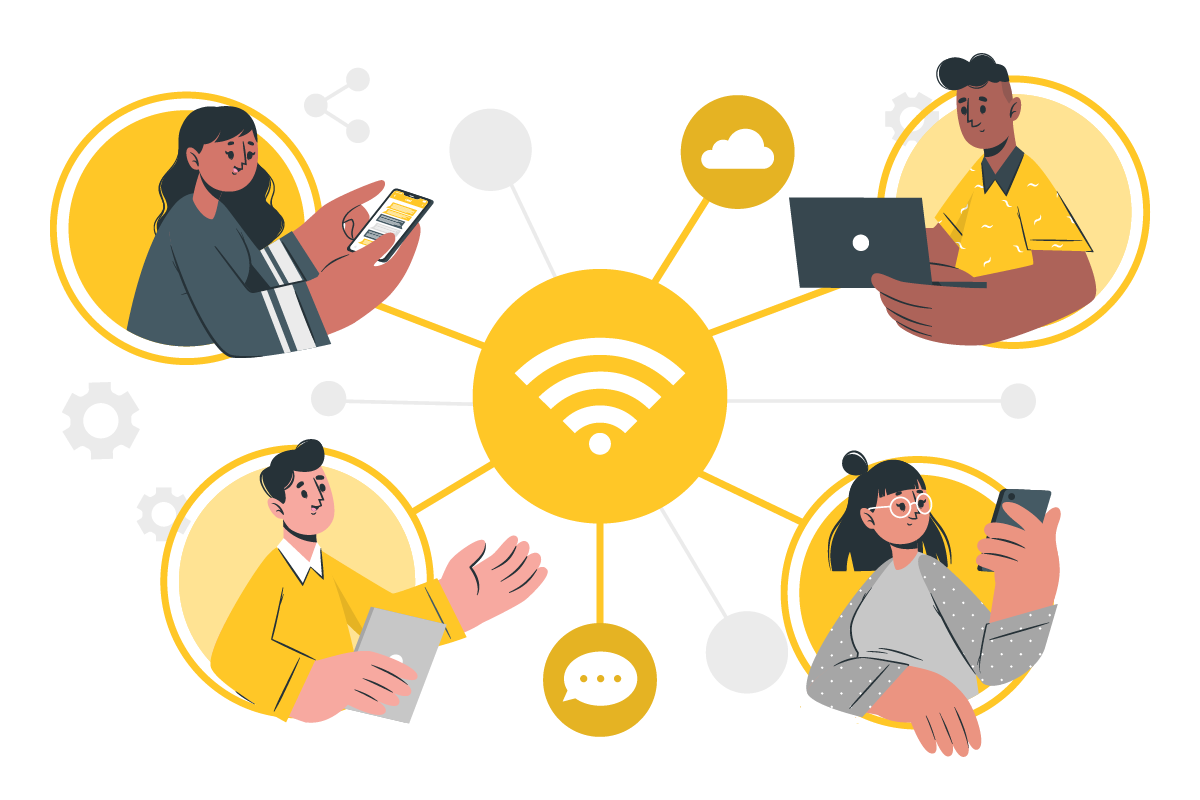
Standardizing communication platforms can reduce confusion and improve consistency for organizations. Team meetings on a regular basis keep employees informed, aligned, and connected. These check-ins provide an opportunity to discuss progress, challenges, and priorities.
Master time management and productivity
Time management is an essential skill for remote professionals as they generally work with more independence and less direct supervision. Good time management involves prioritizing, setting realistic goals, monitoring progress, and reducing distractions.
Methods like time blocking, task prioritization, and productivity tracking can help employees to stay focused and to do more during working hours. And if they plan their time well, the efficiency of remote workers can be increased without the stress of missed deadlines and too much workload.
Design a comfortable and efficient workspace
A well-designed workspace has a dramatic impact on productivity and overall well-being. To foster a productive workspace, remote workers should invest in ergonomic furniture, appropriate lighting, high-speed internet, and noise-canceling solutions to help them stay focused, comfortable, and efficient.
An organized workspace minimizes distractions and physical discomfort, enabling employees to work more effectively throughout the day. It can also help prevent interruptions and maintain productivity during unexpected outages by having reliable backup power solutions to keep essential devices running.
Real lifeline of remote work: Why uninterrupted power matters?
Reliable electricity is a critical yet often overlooked part of a successful remote-working environment. Power outages, voltage fluctuations, and Internet disconnections can instantly interrupt video meetings and ongoing projects, and cause data loss. A reliable backup power solution can help keep the work flowing, regardless of external power conditions.
How do backup power solutions enhance productivity?
Whole-home backup power options can be an alternative power source when grid power is not available, and can help remote employees stay connected and productive. They help keep critical devices such as laptops, Wi-Fi routers, monitors, smartphones, and networking equipment running during outages, minimizing downtime and avoiding workflow disruptions.
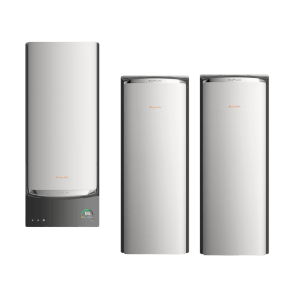
EcoFlow Ocean Pro makes a practical backup power solution for remote professionals who require a reliable source of power in the event of an outage or unreliable grid. Designed as a whole-home energy storage system, it offers 10 kWh of battery storage per unit, expandable to 80 kWh, allowing users to scale capacity to meet their energy needs.
With a massive 24 kW output, you can run your desktop monitors, networking gear, and home office essentials simultaneously, all while keeping the AC running. And when does the sun come out? Tap into up to 40 kW of solar input for lightning-fast charging. It’s not just backup power; it’s career security.

Conclusion
Remote work provides tremendous opportunities for flexibility, productivity, and quality of life, but success requires more than simply working from home. Remote work best practices, like establishing structured routines, maintaining clear boundaries, communicating effectively, managing time strategically, and creating an optimized workspace, all contribute to long-term remote work success.
Equally vital is access to reliable technology and power infrastructure that facilitates uninterrupted productivity. Over time, these practices lead to a healthier, more balanced, and more rewarding remote work experience. Want to keep your critical devices working all the time? Call our experts today to find the perfect energy solution for your professional setup.
Get Your Free Home Energy Consultation!
Which energy solution are you interested in?
FAQs
How can remote workers maintain work-life balance?
To maintain work-life balance, remote workers should set regular working hours, designate a workspace, establish boundaries with family members, take regular breaks, and avoid responding to work communications once the workday has ended. In addition, long-term balance is achieved by prioritizing personal activities and self-care outside working hours.
What tools help improve remote work productivity?
Commonly used productivity tools include project management tools, communication tools, video conferencing tools, task management tools, shared calendars, cloud storage tools, and note-taking tools. These tools allow teams to work together smoothly, organize their work, and stay in sync with their goals.
How do companies manage remote teams effectively?
The most effective organizations lead remote teams with transparent communication, clearly defined expectations, continuous performance assessments, systematic workflows, and collaborative technology. Regular check-ins, clear goals, and a culture of accountability will keep remote teams productive and engaged.
Why is reliable power backup important for remote work?
Reliable power backup prevents power failure or unstable power conditions. It maintains essential devices, ensures continuous internet access, protects work from unexpected power loss, and enables professionals to continue working during power outages.
What are the biggest challenges of remote work?
The challenges of remote work include burnout, loneliness, overwork, communication challenges, and distractions at home. These challenges can be addressed through structured routines, healthy boundaries, effective communication, and appropriate workspace design, which can go a long way in improving the remote work experience.

