
What Is PV Wire? A Guide to Solar Wiring and Sizing
Solar panels capture most of the attention during a residential energy upgrade. Even so, the physical cables connecting those panels do the actual heavy lifting. A dependable setup relies on high-quality connections to stay efficient over time. Standard indoor wiring works well behind drywall. Put that same cable on a hot roof, and it breaks down quickly. Outdoor arrays require specialized PV wire instead. These heavy-duty cables handle harsh sun, pouring rain, and high direct current voltage for decades. Knowing how these cables function helps prevent electrical shorts. Proper wiring also makes sure power moves safely from the roof down to a home battery backup.
What is PV wire and why is it essential?
Photovoltaic wire connects solar panels together and carries the direct current down to the inverter. Think of it as the main highway for clean energy. Most arrays sit outside in open fields or on hot roofs, meaning these lines face constant weather stress.
Makers build PV wire for solar panels with a thick, heavy outer jacket. This durable insulation stops UV rays from degrading the cable. It also prevents scrapes caused by wind and physical movement. Inside the jacket, stranded copper or aluminum provides flexibility. That flexibility helps workers route lines around tight roof corners without snapping the core. A standard setup needs cables that last safely for 25 to 30 years under a constant electrical load.
Good wiring creates a reliable backbone for clean energy. Setting up dependable solar power for your home takes safe, efficient power routing. Standard indoor cables simply break down outdoors, but specialized solar lines handle the elements easily.
Differences between PV and USE-2 cables
Before dedicated solar cables hit the market, installers often reached for USE-2 wire. The name stands for Underground Service Entrance. While it resists moisture well in underground trenches, modern rooftop setups have different physical demands today. Here is a breakdown of the key differences between the two types.
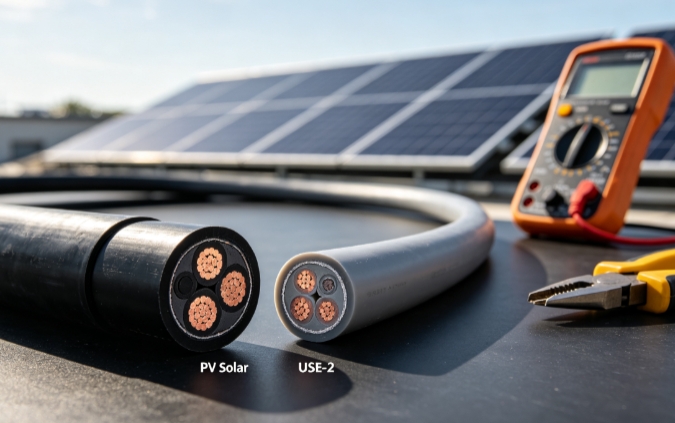
Feature | Photovoltaic (PV) Wire | USE-2 Cable |
Outer Insulation | Features a thicker jacket built specifically to handle harsh, direct sunlight. | Uses a thinner jacket designed mainly for buried underground use. |
System Grounding | Operates safely with both grounded and ungrounded solar systems. | Generally restricted to older, grounded array designs. |
Voltage Capacity | Routinely handles higher electrical loads up to 1000V or 2000V. | Typically tops out around 600V maximum capacity. |
Cold Flexibility | Retains flexibility in freezing weather, preventing cracks during winter bends. | It can become stiff and difficult to route safely in low temperatures. |
Key safety standards and sizing guidelines for PV wire
Choosing the right wire takes more than reading a box label. Installers follow strict building codes and sizing formulas. These exact steps keep heat levels down and move electricity safely.
UL 4703 compliance
Underwriters Laboratories created the UL 4703 standard specifically for solar wiring. This certification confirms that a cable actually passed tough safety tests.
Lab technicians test the wire under extreme heat, freezing temperatures, and direct flames. They strike cold samples to check if the outer plastic cracks. A UL 4703 rating proves the material can handle roof conditions for decades. City inspectors always look for this stamp before approving a project.
Determining proper wire gauge, ampacity, and voltage drop
Proper wire sizing keeps heat down and stops energy loss. Ampacity is simply the maximum current a cable carries safely without overheating. Installers measure the panel output and pick a wire gauge thick enough to handle that specific current. Thicker wires have smaller gauge numbers and offer lower electrical resistance.
Voltage drop happens when electricity turns into wasted heat along a long wire run. Good system designs keep this loss below 2%. To understand the basic science behind these ratings, review technical guidelines from the U.S. Department of Energy regarding photovoltaic systems. Factoring in wire length limits power loss across the entire setup.
Common PV wire installation challenges
Moving energy from a roof down into a house brings physical hurdles. Solving these challenges early keeps the system running smoothly later on.
Managing long wire runs and voltage drop
Large properties often need long wire runs from the roof panels to the main breaker. Metal wires naturally resist electrical flow. When cables run across long distances, the voltage drops before power even reaches the home.
Electricians solve this by stepping up to a thicker wire gauge. While thicker wire costs more upfront, it preserves the captured solar energy. Cutting voltage loss helps the panels produce their expected power year after year.
Raceway heat buildup and ampacity derating
Running several cables inside one conduit creates trapped heat. Rooftop sun raises those internal temperatures even higher. If cables become too hot, the insulation breaks down and creates a fire hazard.
The National Electrical Code requires ampacity derating to stop this problem. Electricians calculate lower safe current limits based on the conduit fill and outdoor temperatures. These mathematical steps keep operating temperatures well within safe limits.
Planning PV wiring for high-capacity solar systems
Older setups often struggle with modern power demands. Small wires and outdated inverters create unwanted bottlenecks. Today, homes need equipment that manages strong direct current safely without a messy web of extra parts.
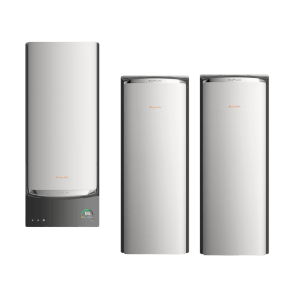
The EcoFlow OCEAN Pro Solar Battery System helps solve this by supporting up to 40kW of solar input. This high capacity limits power loss and keeps electricity flowing cleanly. The system starts at 10kWh of storage and expands up to 80kWh. During a grid outage, it switches over in under 10ms to keep home loads running smoothly.
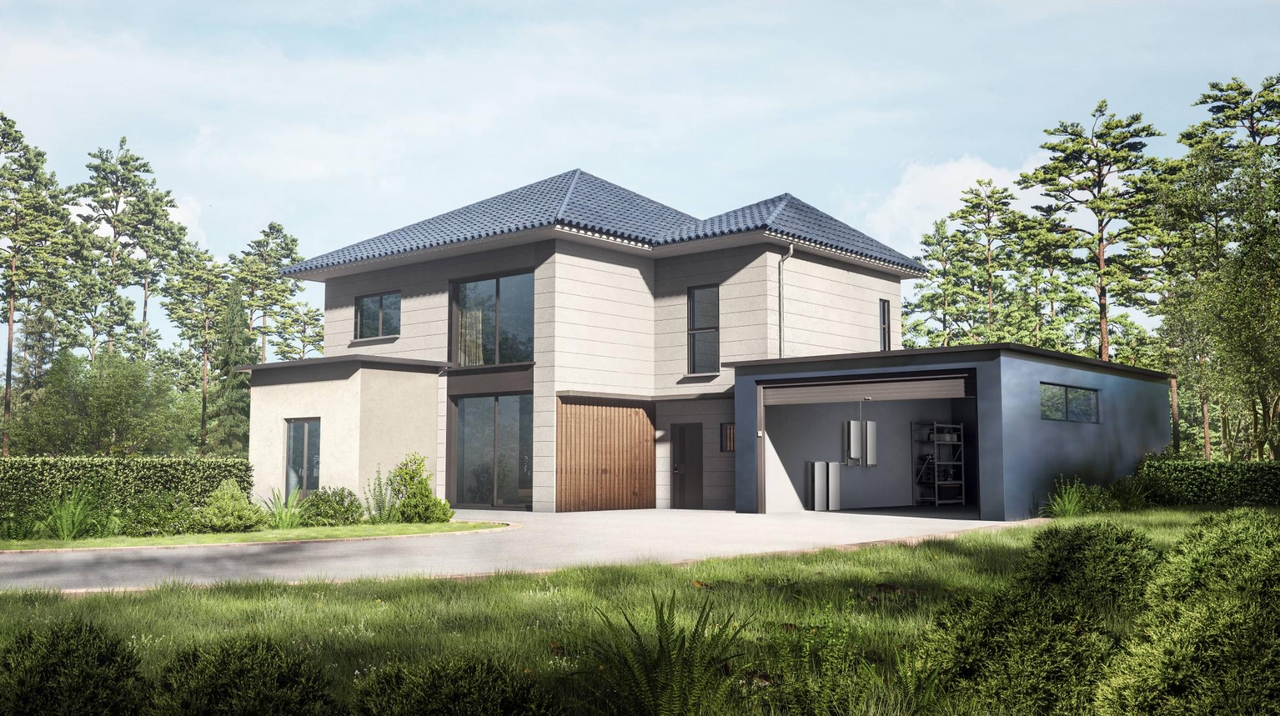
For example, the unit delivers up to 24kW of continuous output. Its 205A LRA easily starts heavy loads, such as two 5-ton central air conditioners at the exact same time. These systems carry high electrical currents. For general safety and code compliance, a licensed electrician handles the wiring to manage the load.
Get Your Free Home Energy Consultation!
Which energy solution are you interested in?
Are you ready to resolve your uncertainty about home energy storage? We can help protect your property against unexpected outages. Request a consultation today to find the right energy setup for your household.
Best practices for PV wire routing and maintenance
Smart wire routing extends the operating life of an array. Good physical layout stops damage and prevents electrical problems down the line.
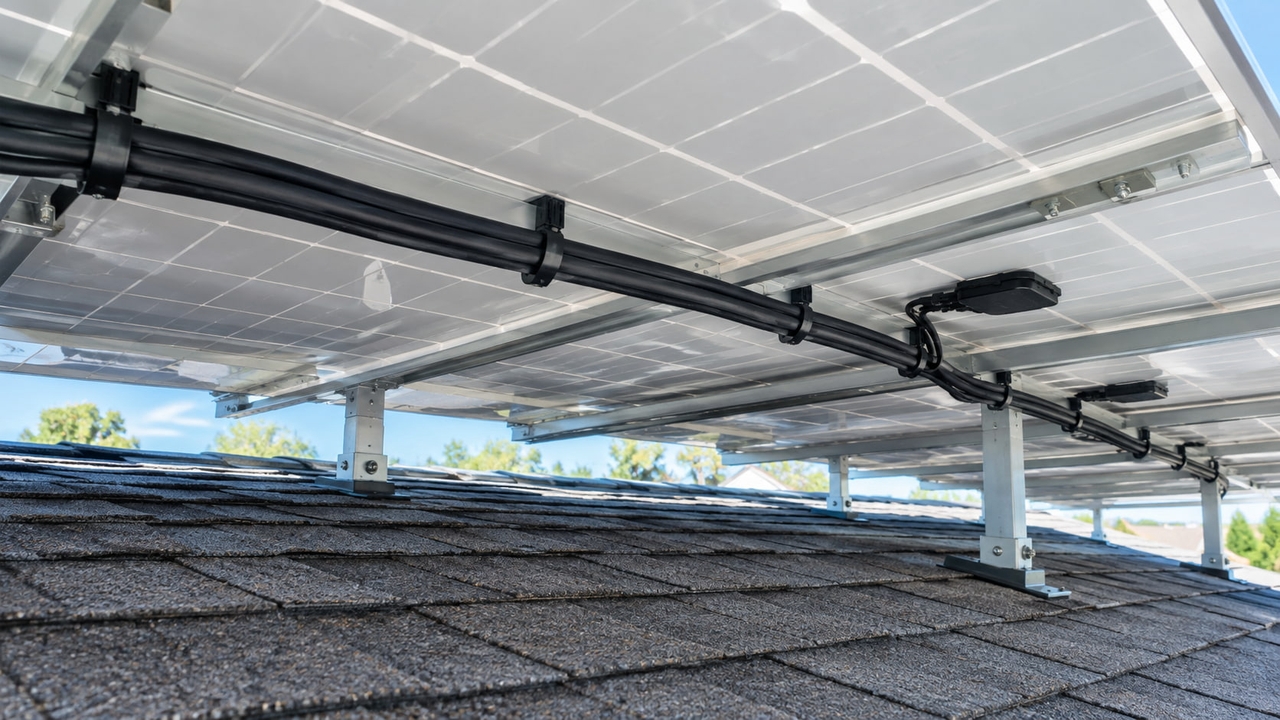
Plan the wire route before installation: Mapping the exact path reduces unnecessary lengths and sharp bends. A well-planned route avoids high-traffic areas and locations prone to water pooling.
Maintain proper clearances and support: Cables cannot rest directly on abrasive roof surfaces. Installers use UV-resistant clips to secure wiring directly to the solar panel frames, preventing wear from wind movement.
Perform regular visual inspections: Periodic examinations help identify chewed insulation from rodents, physical cracking from sun exposure, or loose connection points before they develop into hazardous short circuits.
Monitor environmental factors: Routing wires away from potential ice dams, gutters, or concentrated heat sources preserves the integrity of the outer jacket.
Use appropriate conduit and protection: When cables transition from the roof to the side of a building, they typically enter a rigid or flexible conduit. This piping protects the wires from physical impact and UV degradation.
Conclusion
Building a reliable home solar array depends heavily on picking the right photovoltaic wire. Using UL 4703 certified cables and sizing the wire gauge correctly keeps heat levels safe and prevents power loss. Mapping out clean routing paths also shields the physical equipment from unnecessary wear. When upgrading a property in 2026, combining a durable wiring foundation with a solid home battery backup creates a highly efficient, long-lasting energy system.
FAQs
What is special about PV wire?
Regular cables break down outside. PV wire has a thick, UV-resistant jacket made to survive years of direct sun and harsh weather. This heavy insulation safely carries high direct current voltages from panels to inverters without cracking.
Can PV wire be run in PVC conduit?
Electricians often pull these cables through PVC conduit if the pipe meets local codes for outdoor use. Sturdy conduit adds physical protection. For example, routing power to an EcoFlow OCEAN Pro through PVC keeps heavy-duty wiring safe.
What is the difference between PV wire and THHN wire?
PV wire is specifically designed and listed for photovoltaic applications and exposed outdoor conditions. THHN/THWN-2 conductors are commonly used in raceways, but their permitted use depends on the conductor's listing, location, and installation method.

