
Polar Vortex Forecast 2026–2027: What to Expect This Winter
High winds sometimes push Arctic air south. This shift causes temperatures to drop fast. These winter blasts create real trouble for local power companies. Thick ice coats the power lines, and this extra weight overloads the local substations. Checking the 2026 polar vortex forecast gives homeowners time to prepare. People can set up defenses before roads freeze and repair trucks get stuck.
Protecting a house during freezing weather means getting backup electricity early. A reliable home battery backup keeps heating systems running smoothly. This helps when local power lines break under heavy ice. Taking these steps early spares families from freezing pipes and cold rooms during a blizzard.
2026–2027 Polar Vortex Forecast: What Could Happen?
NOAA expects a very strong El Niño to influence the 2026–2027 winter, but specific polar vortex disruptions are still difficult to predict months in advance. If the polar vortex weakens, Arctic air can move farther south, increasing the risk of cold outbreaks across parts of the United States.
Homeowners should follow updated NOAA and National Weather Service forecasts as winter approaches and prepare for possible freezing temperatures and power outages.
What is a polar vortex?
Weather reporters often talk about winter freezes. However, few explain the science simply. The definition of a polar vortex involves a massive band of strong winds and freezing air high up in the stratosphere. This cold air circles the North and South Poles all year round. It grows stronger and colder during the winter.
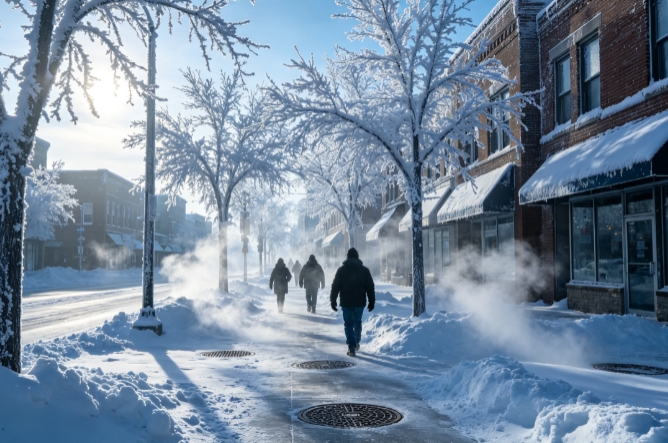
Directly below the vortex, in the lower atmosphere, sits the polar jet stream. When the polar vortex remains strong, it keeps the jet stream stable. Recognizing the mechanics of a polar vortex helps families build a secure energy plan before extreme weather arrives.
To picture how this works, think of a spinning toy top. When the spin stays fast, the top stays upright in one place. If the spin slows down, the top wobbles. In the atmosphere, when the vortex weakens and wobbles, it loses its grip on the jet stream below it.
Sudden stratospheric warming events
Weather changes start high above the clouds. The stratosphere sits directly over the troposphere. The troposphere is where our daily rain and snow happen. Sometimes, winter temperatures in the stratosphere spike quickly. Meteorologists call this a sudden stratospheric warming event.
This rapid warming hits the winds that keep Arctic air north. The strong jet stream bends and sags south. Freezing air then spills into towns and cities across North America. These events happen naturally. Still, the fast changes catch many communities off guard.
Severe freezes impact household infrastructure during polar vortex
Freezing air moves south and stresses city systems. Watching a polar vortex cold weather forecast helps road crews prepare. However, individual houses still take a direct hit from the cold. Severe freezes cause major problems for power grids and home plumbing.
Grid strain and power outage risks
Power companies plan for average winter weather. When a huge cold snap hits, millions of people turn up their heat at the same time. This sudden demand creates big problems:
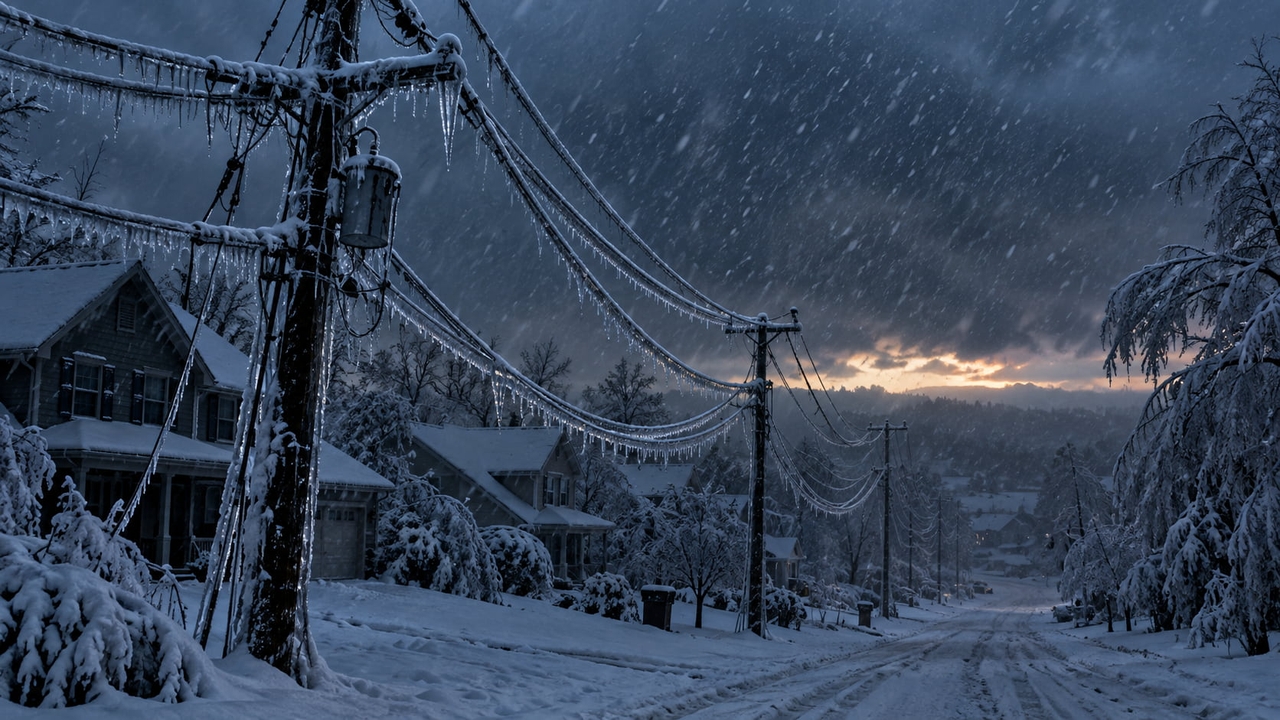
Heaters draw high amounts of power. This pushes demand past safe limits.
Power plants and substations overheat or shut down under the heavy load.
Grid managers start rolling blackouts to prevent total system failure.
Freezing rain covers power lines with heavy ice. This weight snaps the cables.
Plumbing and major appliances
Houses face extreme pressure indoors. Water expands when it freezes into ice. Inside copper or plastic pipes, this growing ice builds pressure. Eventually, the pipe bursts and causes severe water damage. At the same time, standard heat pumps struggle to work when the outside air drops below zero.
Basic steps help reduce these problems. The Centers for Disease Control and Prevention advises keeping a slow trickle of water running from faucets. This keeps water moving and stops freezing. Also, keep the home thermostat above 55 degrees Fahrenheit (12.7 degrees Celsius). This keeps the walls warm enough to protect hidden pipes.
Secure homes against the polar vortex
Fixing weak spots around the house prevents major storm damage. An early polar vortex weather forecast gives families time to prepare. Stopping air leaks and setting up backup power keeps a house warm and safe.
Insulating your home effectively
Warm indoor air naturally moves toward the cold outside. A poorly sealed house loses heat through the roof, windows, and doors. This drives up utility bills and strains heating equipment.
Using foam weather-stripping on doors blocks cold drafts. Caulking around window frames also stops freezing air from entering.
Attic insulation is very important. Heat rises, so a thin layer of attic insulation lets warmth escape through the roof. Upgrading to thicker insulation traps the heat inside the living rooms. This simple upgrade lowers the workload on central heating units.
Ensuring continuous power when the grid fails
Losing central heat during a blizzard is dangerous. Keeping the heater running is a top priority. The EcoFlow OCEAN Pro Solar Battery System provides solid backup power. It features a fast switchover time of less than 10 milliseconds. This speed prevents the house from losing power during an outage. Delivering up to 24kW of continuous output, it easily handles heavy starting loads from large heat pumps in freezing conditions.
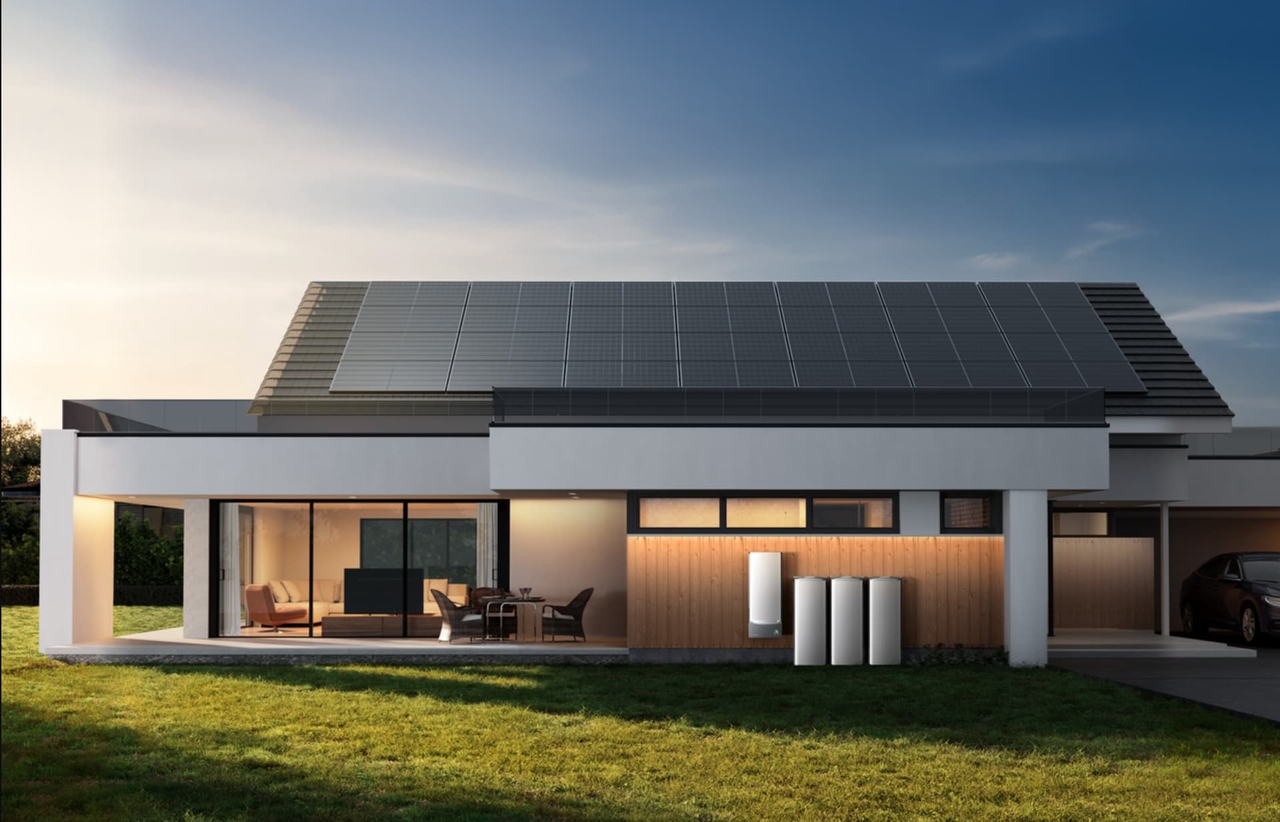
Sub-zero weather often hurts basic battery performance. The Ocean Pro avoids this cold-weather drop. It uses internal thermal management. This allows the system to charge and provide peak power even during deep freezes. Adding whole home backup power solutions keeps baseline circuits, lights, and fridges running.
Smart energy controls manage power usage. Built-in Intelligent Mode automatically prioritizes critical heating elements. It manages power when the grid fails, extending energy reserves without needing manual changes.
Get Your Free Home Energy Consultation!
Which energy solution are you interested in?
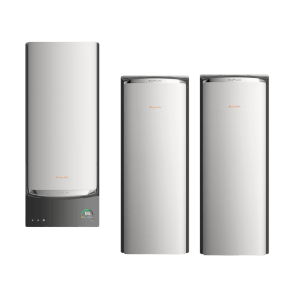

Are you ready to resolve your uncertainty about home battery backups? Protecting a house against winter freezes requires a solid energy plan. Request a consultation today to find the right power setup for the property.
Stocking essential emergency supplies
Snow and ice often block local roads. This stops trips to grocery stores or pharmacies. Building an emergency stockpile early removes the stress of panic buying.
The Federal Emergency Management Agency recommends specific items for a survival kit:
Keep one gallon of water per person per day.
Store a three-day supply of canned food that needs no cooking.
Pack flashlights, extra batteries, and a good first-aid kit.
Keep warm blankets, sleeping bags, and heavy coats ready.
Cell towers often lose power. Having a written list of family phone numbers helps people stay connected.
Conclusion
Knowing how atmospheric patterns work, especially the polar vortex, gives people a clear advantage. The sudden rush of Arctic air stops daily life. It damages city power grids and makes travel dangerous. Fixing home insulation, buying emergency supplies, and setting up home battery systems keep families safe. Planning ahead ensures the house stays warm and functional no matter what the 2026 winter brings.
FAQs
What will happen if the polar vortex collapses?
When the polar vortex collapses, the cold Arctic air spills south. This creates severe winter storms and long freezing spells. These cold snaps disrupt power grids and freeze roads across many towns.
What US state gets the worst winters?
Alaska gets the harshest winter weather. In the lower 48 states, North Dakota sees extreme cold very often. During these severe freezes, an EcoFlow OCEAN Pro helps keep residential heating systems running when the power grid fails.
Does the polar vortex get worse every year?
The polar vortex gets worse in certain years due to wind changes. It does not follow a set annual schedule. Shifting global weather patterns dictate when these deep freezes push southward.
Is this winter going to be cold in California?
California mostly sees mild winters. However, the northern areas and high mountains get heavy snow. Sudden Arctic drops sometimes bring freezing nights to inland valleys. Basic home preparation remains a smart choice for everyone.

