
What Is Peak Power and Why Does It Matter for Home Appliances?
Peak power is the absolute maximum instantaneous electrical wattage an appliance requires to turn on and begin operating. Understanding these sudden electrical demands is critical for maintaining a stable electrical panel and properly sizing any home battery backup. In this article, we will explore the mechanics behind equipment startup surges, examine the utility of continuous power ratings, and discuss how to accurately evaluate a home's total storage output capacity.
What is peak power in electrical equipment?
In residential electrical systems, peak power often refers to a short-term increase in power demand when an appliance starts. Motor-driven equipment such as HVAC compressors, refrigerators, and well pumps may require more power at startup than during normal operation.
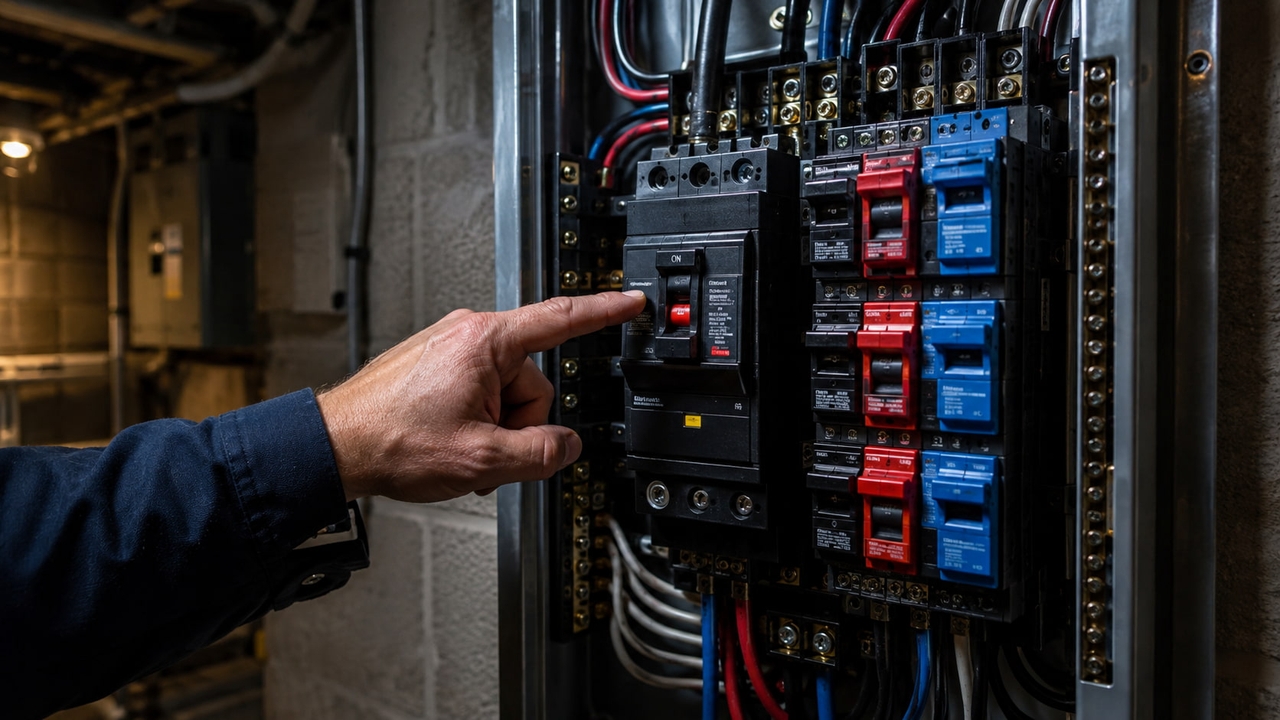
Breaking down the mechanics of equipment startup helps clarify why this surge occurs:
Defining startup surge: This represents the highest power level reached by an appliance or electrical system over a short period. It heavily exceeds the normal operating wattage required to keep the device running.
Duration of demand: This high-surge phase is brief. It typically lasts only a few milliseconds to a couple of seconds. After the motor reaches its normal operating speed, the appliance settles into its steady running wattage, and the energy demand drops.
RMS power vs peak power: Understanding the differences
RMS, or Root Mean Square, describes the effective value of alternating voltage or current. In U.S. homes, for example, standard 120V AC service is expressed as an RMS voltage.
Peak power refers to the highest amount of power a device or electrical system draws or delivers for a short period. For motor-driven appliances such as HVAC systems, refrigerators, and pumps, this short-term demand may occur during startup.
When sizing a home battery or inverter, the most practical ratings to compare are continuous output and short-duration surge or load-start capability. The system should be able to support normal operating loads while also handling the temporary startup demands of connected appliances.
Why does peak power matter for home appliances?
A stable home energy ecosystem depends on accurate electrical load planning. Without accounting for short-term power surges, property owners often face frequent localized outages, tripped panels, and interrupted appliance cycles. Planning for these surges requires straightforward math and scalable hardware solutions.
Calculating load and battery scalability
Proper load calculation begins with a thorough inventory of household appliances. The U.S. Department of Energy notes that appliances account for a major portion of a typical property's electricity consumption. Accurate math prevents system overloads.
Calculating total load: Finding the continuous running wattage of essential appliances is the first step. Residents list devices like refrigerators, lighting circuits, kitchen appliances, and internet routers. Next, they add these continuous numbers together to find the baseline load of the property. The final step involves factoring in the single largest peak surge appliance that may turn on simultaneously.
Storage system scalability: A robust system capacity requires enough modular batteries to sustain the home's continuous loads over multiple days. While high-surge capability determines if an appliance can start, total storage capacity determines how many hours it will run. Adding battery modules ensures the home remains functional during extended grid outages.
Ensuring high-surge output capacity and efficient management
Many standard residential systems trip when a heavy compressor turns on due to insufficient peak output. Traditional backup generators and entry-level solar inverters often struggle with the heavy physical demands of modern inductive loads. Selecting hardware with high output capacity prevents these overloads and keeps the home running smoothly.
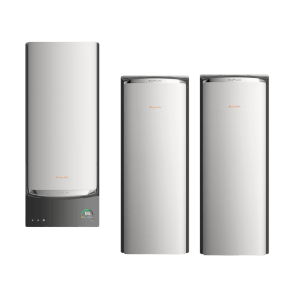
For example, the EcoFlow OCEAN Pro Solar Battery System provides 24 kW of continuous output. It also features a robust 205A LRA capability. This output level can easily start and run multiple heavy appliances simultaneously, such as two 5-ton HVAC systems.

Having this high capacity prevents the need for manual load shedding. Homeowners do not have to walk to the breaker box to turn off a water heater just to let the air conditioner start up safely. Because the system accommodates high LRA figures, it absorbs the temporary spike of heavy compressors without disrupting sensitive electronics elsewhere in the house.
Beyond just handling startup surges, the equipment features an Intelligent Mode and app integration for energy management. This software monitors continuous load consumption in real-time. It prioritizes essential circuits intelligently and optimizes overall energy usage to maximize daily efficiency.
Get Your Free Home Energy Consultation!
Which energy solution are you interested in?

Are you prepared to equip your property with reliable backup energy? Proper sizing prevents electrical bottlenecks and keeps large appliances running. Request a consultation today to find the right energy solution for the home.
Conclusion
Understanding peak power is essential for a reliable home energy system. Don't size for continuous wattage alone. You must account for startup surges from heavy appliances like HVAC units and refrigerators. A properly designed system balances storage capacity with high-surge output to start multiple loads without tripping breakers. High-surge systems like the EcoFlow Ocean Pro handle these spikes effortlessly with 24kW output and 205A LRA. Plan for the surge today, and you will avoid expensive upgrades tomorrow.
FAQs
What is meant by peak power?
It refers to the highest burst of energy an appliance requires to turn on. Motor-driven devices need this quick spike to overcome resting inertia. Systems like the EcoFlow OCEAN Pro handle these sudden surges easily, ensuring household lights do not flicker when large appliances start.
What does 1500W peak power mean?
A 1500W peak power rating means a device or power system can reach up to 1,500 watts for a short period.
How to calculate peak power?
To find this requirement, check the appliance's manufacturing label for the LRA (Locked Rotor Amps) or surge rating. Multiply the listed amps by the home's voltage. This provides the maximum wattage needed for the appliance's startup phase.

