
Overcurrent Protection Explained: A Guide to Electrical System Safety
Overcurrent protection is essential for preventing electrical damage, equipment failure, and fire hazards caused by excessive current. In this guide, you’ll learn what overcurrent protection is, what causes it, why it’s important, the types of protection devices available, and best practices for maintaining a safe and reliable electrical system. You will also learn how home backup batteries can improve overall electrical safety.
What is overcurrent protection
Overcurrent protection is a group of devices and methods used to prevent electrical circuits from carrying more current than is allowed. Excessive current flowing through a conductor creates heat, which can damage insulation, melt wiring, destroy electrical equipment, or even start fires. The overcurrent protection devices will automatically shut off the electric flow before the current becomes dangerous.
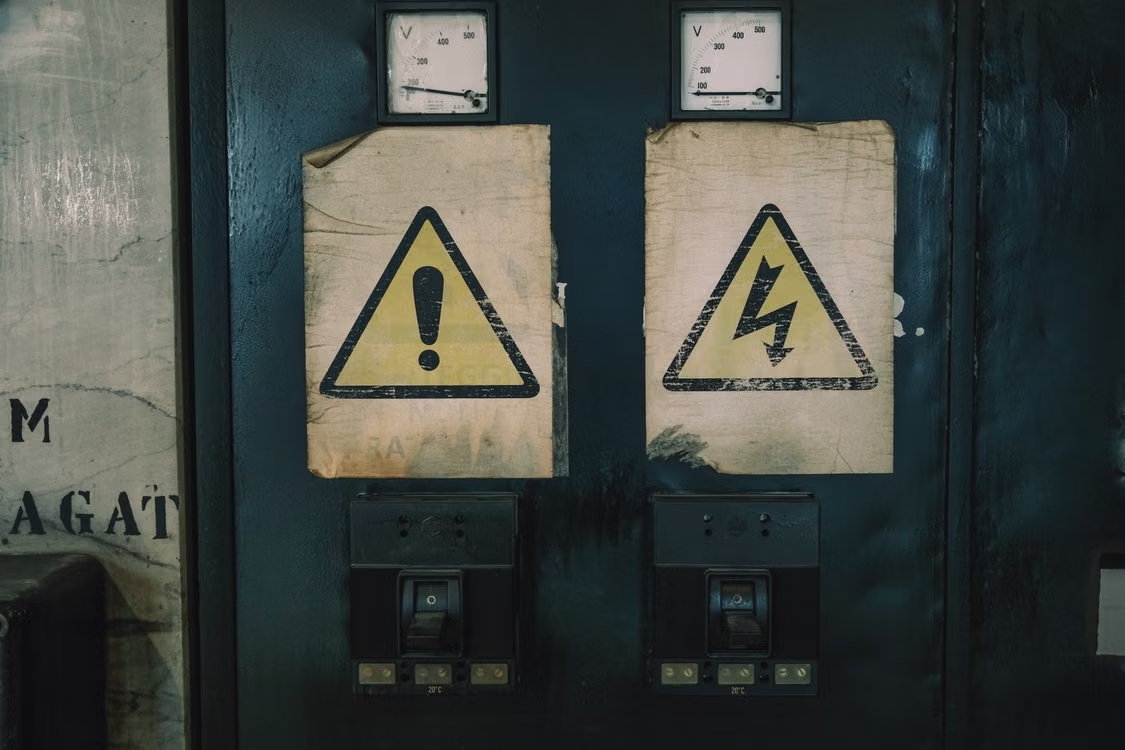
These devices are carefully selected based on the capacity of the circuit, load requirements, and the electrical standards, so that they operate safely under normal and abnormal conditions.
What causes overcurrent: Reasons explained
Circuit overloads
Circuit overloads can happen if you are running too many electrical devices on the same circuit at once. The total power demand is greater than the rated power of the circuit. The wires get hot over time. Common examples include plugging several space heaters, kitchen appliances, or power tools into the same branch circuit.
Short circuits
A short circuit happens when a live conductor directly contacts another conductor or a neutral wire, creating a low-resistance path that allows an extremely high amount of current to flow instantly. This type of fault can cause sparking, high temperatures, and equipment damage.
Ground faults
Ground faults happen when energized conductors contact grounded metal surfaces or the earth. Although ground faults may not carry as much current as short circuits, they can still be a serious safety hazard, especially in wet areas. Protective devices trip off power quickly to minimize shock hazard and damage to equipment.
Equipment failure
Abnormal current flow can be caused by aging electrical equipment, bad insulation, bad motors, loose wiring, failed internal components, or some combination thereof. Electrical components age and become more susceptible to faults that cause overcurrent conditions that require immediate protection.
Why Overcurrent Protection Matters: Common Examples at Home
Prevents overheating of wires
Electrical conductors produce heat whenever current flows through them. High current makes the wire very hot, which can damage the insulation and shorten the life of the electrical system. Proper protection removes the circuit before dangerous temperatures can be achieved.
Protects appliances and expensive equipment
Modern electronics, HVAC systems, industrial machinery, and smart home devices are very sensitive to electrical faults. Overcurrent protection stops excessive current from damaging the costly equipment to which it is attached.
Reduces fire hazards
Most electrical fires start with overheated conductors or equipment that creates excess heat. When correctly sized, overcurrent protection devices will clear faults rapidly, greatly reducing the likelihood of insulation failure and fire ignition.
Improves system reliability
Well-protected electrical systems experience fewer unexpected failures because faults are isolated before they spread to other circuits. This will improve system availability and reduce service interruptions.
Minimizes maintenance costs
Avoiding catastrophic electrical failures saves you money on repairs, replacement, and emergency service calls. Routine protection is a lot cheaper than fixing damaged electrical infrastructure.
Enhances electrical safety for occupants
The primary goal of overcurrent protection is people protection. Protective devices rapidly disconnect dangerous electrical faults, thus minimizing the risks of electrical fires, damaged wiring, and hazardous equipment failures.
Types of overcurrent protection devices
Fuses
One of the simplest types of overcurrent protection is a fuse. They contain a metallic element that melts when the current exceeds a pre-set value, thereby permanently breaking the circuit. Fuses operate very quickly, so they provide excellent protection against severe short circuits. But they have to be replaced after operation.
Circuit breakers
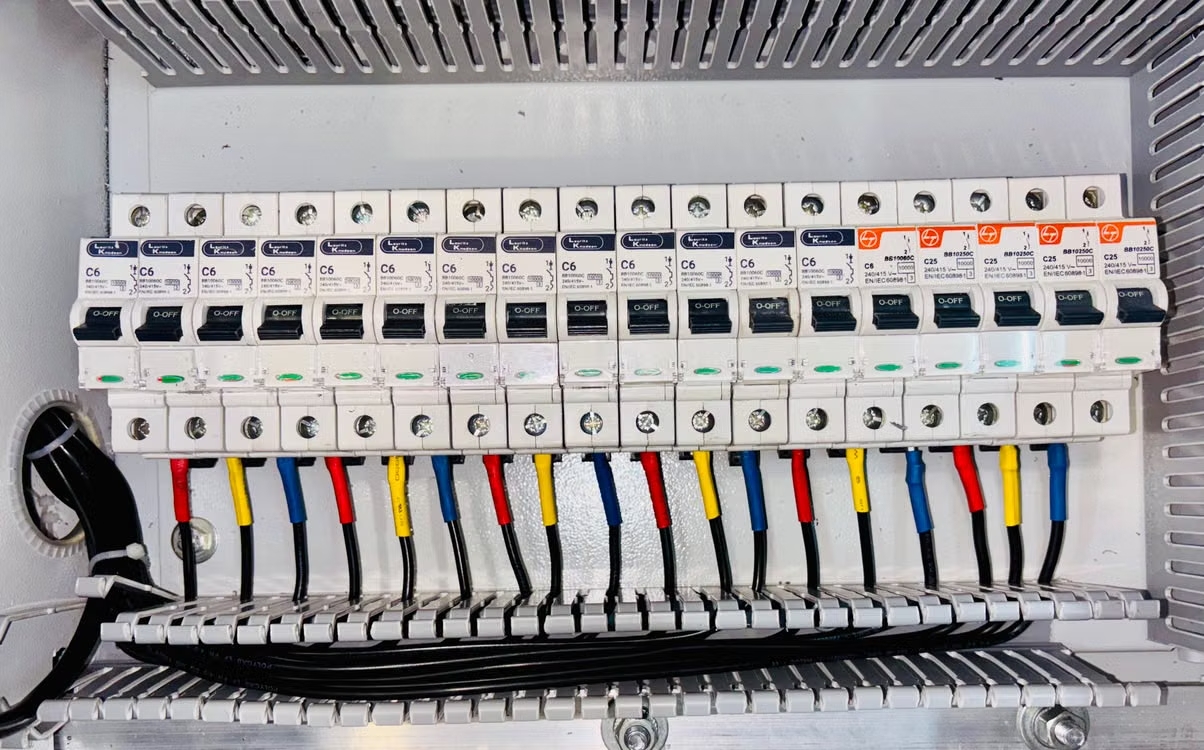
Circuit breakers automatically turn off the flow of electricity when short circuits or overloads happen. They can usually be reset once the fault is corrected, unlike fuses. Modern breakers are available in thermal, magnetic, and electronic versions and can be used for residential, commercial, and industrial applications.
Protective relays
Protective relays constantly monitor electrical parameters such as current, voltage, and frequency. When abnormal conditions are detected, they send a signal to circuit breakers to trip faulty equipment. These smart devices are often found in substations, industrial plants, and utility power systems where precise coordination is important.
Motor overload protection
The starting currents of electric motors are many times greater than the normal operating current. Motor overload protection devices differentiate between normal start conditions and prolonged overloads, protecting motors from overheating and avoiding nuisance trips during startup.
Resettable protection devices
In the event of an overcurrent condition, resettable protection devices, such as polymer positive temperature coefficient (PPTC) resettable fuses, automatically reduce current flow and return to normal operation when the fault is removed. Such devices are used in consumer electronics, battery-operated devices, and communication systems where convenient recovery is desired.
Best practices for maintaining overcurrent protection

Inspect overcurrent protection devices regularly
Check circuit breakers, fuses, relays, and electrical panels for wear, corrosion, loose connections, discoloration, or overheating. Small problems identified early can help prevent surprise failures and ensure protection devices are available to operate in the event of overloads or short circuits. Scheduled inspections should be part of preventive maintenance programs for commercial and industrial facilities.
Test circuit breakers periodically
The mechanical and electrical parts within circuit breakers break down over time. They are periodically tested to ensure that they trip under faulty conditions and are safely resettable. Testing intervals recommended by the manufacturer vary depending on the type of breaker and its usage. Critical systems may need to be tested by a professional to ensure proper operation.
Use correctly rated circuits and breakers
Always select circuit breakers, fuses, and conductors according to the electrical load they are intended to protect. If the breaker is too large or the protection devices are not rated properly, too much current can flow and cause overheating and fire. Following electrical codes and manufacturers' specifications guarantees the right amount of protection for each circuit.
Keep electrical panels clean and accessible
Electrical panels should be clean and dry and free of dust, moisture, or other debris that could affect safe operation. Don't stack furniture or storage items near panels, so breakers can be quickly inspected or switched off in emergencies. The right clearance also enables electricians to carry out maintenance safely and efficiently.
Leverage intelligent energy management systems
Modern intelligent energy management systems do more than just monitor electricity usage; they also help improve protection, reliability, and backup power performance. Such systems can provide real-time visibility of circuit loads and energy consumption, enabling early detection of abnormal current conditions.
A good example of an advanced home energy solution with built-in protection features is the EcoFlow Ocean Pro. To help protect the system and connected circuits from overcurrent, the system is provided with an overcurrent protection device rated at 60A and 125A. The system provides up to 24 kW of continuous AC power.

Conclusion
Overcurrent protection is the foundation of any safe electrical system. Protective devices guard people, property, and valuable electrical assets by preventing overloads, short circuits, and ground faults from generating too much heat or damaging equipment. The right protection devices, routine maintenance procedures, and intelligent energy management solutions all add up to a more reliable and efficient electrical infrastructure.
As renewable energy and battery storage systems become more prevalent in homes and businesses, advanced solutions like EcoFlow Ocean Pro offer an extra layer of protection, along with the ability to manage energy more intelligently and maintain reliable backup power. Why wait? Request a consultation today and keep your home operating efficiently.
Get Your Free Home Energy Consultation!
Which energy solution are you interested in?

FAQs
What is the difference between overload and overcurrent?
Overload is one form of overcurrent that occurs when a circuit is carrying more current than it is rated for a period of time. This usually happens when too many devices are connected. Overcurrent includes overloads, short circuits, and ground faults.
What are the three types of overcurrent?
There are three primary types of overcurrent: overloads, short circuits, and ground faults. Each has different causes and requires protective devices capable of detecting and quickly interrupting the abnormal current.
What is the most common method of overcurrent protection?
Modern residential and commercial buildings most commonly use circuit breakers as the form of overcurrent protection. Circuit breakers automatically disconnect faulty circuits and can usually be reset after the fault has been corrected. Fuses are also very common in many applications.
How to check overcurrent protection?
You can visually inspect fuses and circuit breakers to check for overcurrent protection, test breaker operation in accordance with manufacturer guidelines, check for signs of overcurrent, like overheating or damage, verify proper breaker ratings, and schedule periodic inspections by qualified electricians for critical systems.
What happens if overcurrent protection fails?
If the overcurrent protection does not operate correctly, too much current may keep flowing in the circuit. This can cause wiring to overheat, damage appliances and electrical equipment, melt insulation, increase the risk of electrical fires, and create serious safety hazards for occupants of the building. Proper maintenance and testing decrease the chances of protection failure.

