
New Homeowner Checklist: 8 Essential Tasks After Moving In
A new homeowner checklist is one of the easiest ways to avoid costly mistakes after moving into a new house. This guide is full of the best things every homeowner should do after moving in, from inspecting the property and enhancing security to scheduling regular maintenance. If you are planning to make your home future-ready, you might want to think about integrating a smart home battery backup system to get reliable backup power and intelligent energy management.
What to prioritize before you fully settle in
Before you finally move to the new homeowner checklist, let's first outline what you should prioritize before unpacking and bringing your belongings.
Inspect the property thoroughly
Inspect your new space, including walls, ceilings, floors, doors, windows, plumbing fixtures, appliances, attics, garages and outside landscaping thoroughly. Take pictures of anything that needs repair or maintenance so that you have a documented record.
Ensure utilities and essential services are working
Check that electricity, water, natural gas, internet, HVAC systems, water heaters, kitchen appliances and sewer connections are working properly. The sooner you test these systems, the sooner you can schedule repairs before they fail.
Address safety and security concerns first
Replace or rekey exterior locks, update garage door access codes, inspect fences and gates, confirm smoke and carbon monoxide alarms work properly, and locate emergency shutoff valves. Security improvements are easier to complete before your home becomes fully occupied.
Clean the home before unpacking
Giving an empty house a deep cleaning is much easier than cleaning around furniture. Vacuum floors, sanitize kitchens and bathrooms, wash cabinets, wipe baseboards, clean vents, replace air filters, and disinfect high-touch surfaces before bringing in belongings.
Checklist for new homeowners: 8 essential tasks to complete
Inspect your home thoroughly
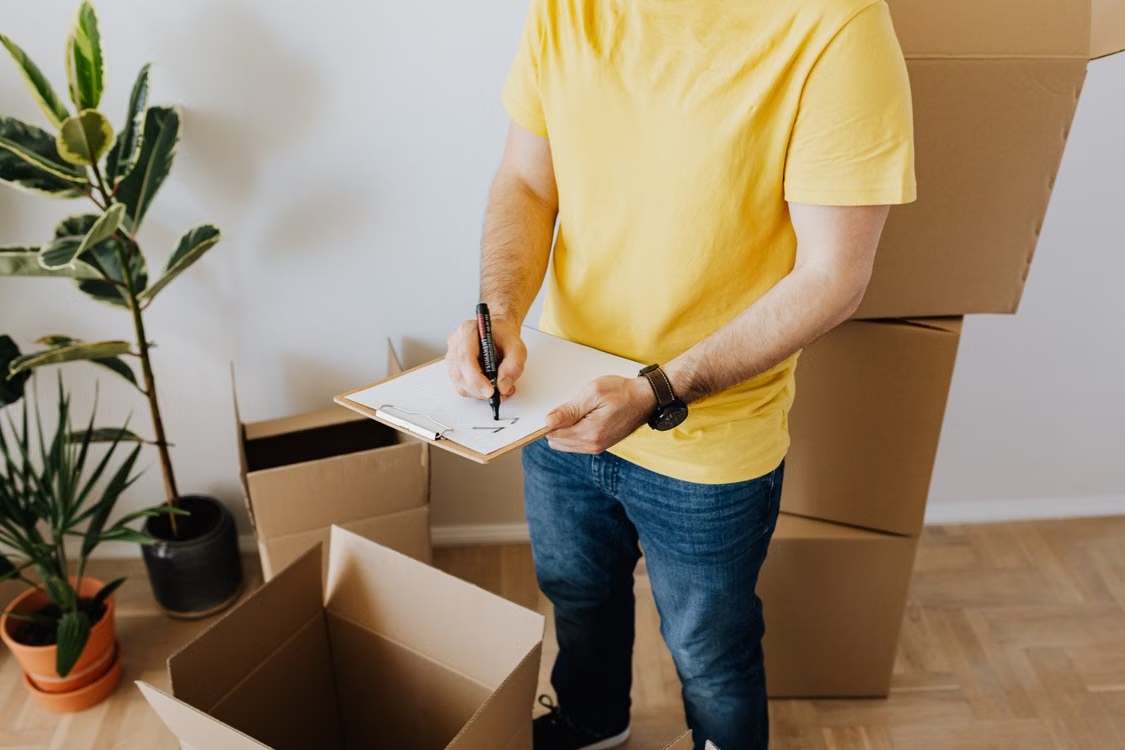
Go through all the rooms systematically and create a detailed inspection checklist. Look for water stains, roof leaks, foundation cracks, loose flooring, damaged caulking, sticking doors, bad outlets, dripping faucets, mold, pest activity and appliance performance.
Also be sure to check outdoor areas, downspouts, drainage systems and irrigation equipment. Recording findings makes it easier to prioritize repairs and communicate with contractors if needed.
Change locks and improve home security
Even if the previous owner returned all the keys, you can never be sure who else has access to your property. Change or rekey exterior door locks immediately, change codes on garage door openers, and reset smart lock credentials if you have them. Improve your home security with video doorbells, motion-sensor lighting, outdoor cameras, reinforced strike plates and smart security systems.
Test all essential utilities
Open all the taps, flush all the toilets, test all electrical outlets, inspect circuit breakers, check heating and cooling performance and make sure appliances are working properly. Test water pressure, check for plumbing leaks, test GFCI outlets, and check internet connectivity.
Replace batteries in all smoke detectors and carbon monoxide alarms, and test them according to the manufacturer's instructions to ensure they are working properly. Check fire extinguishers for expiration dates and make sure emergency exits are not blocked.
Integrate a smart home battery backup solution
Loss of electricity can disrupt your day-to-day life, destroy electronic equipment and leave vital appliances without power. Having a whole home battery backup system installed early can help to make your home more resilient while saving you money on energy in the long run.
The EcoFlow Ocean Pro home solar battery is designed for modern homeowners who want dependable backup power and intelligent energy management. The system is built around long-lasting LFP battery technology, starting at 10 kWh and can be expanded to up to 80 kWh for larger homes.
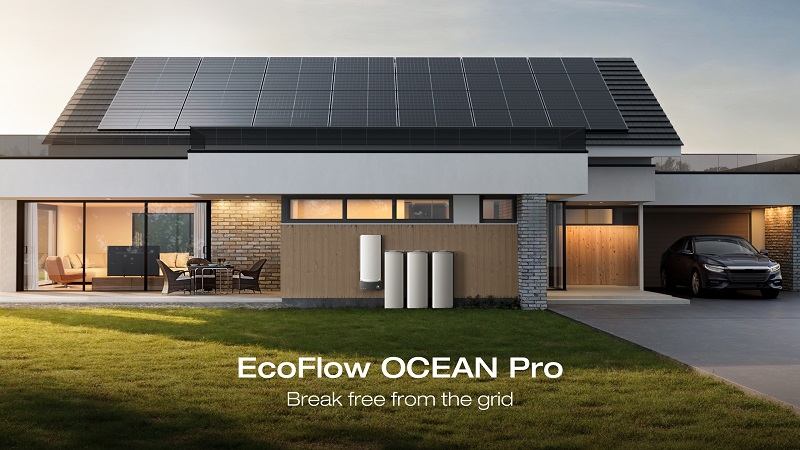
As an on-grid hybrid system, it also supports up to 40 kW of solar input and delivers 24 kW of continuous output, enabling it to power multiple high-demand household appliances simultaneously. The Ocean Pro is built to operate in temperatures from -4°F to 140°F, and comes with a 15-year warranty, making it a durable investment in home energy security.
Create a home maintenance schedule
One of the best ways to protect your home's value is through preventive maintenance. Create a seasonal schedule that includes changing HVAC filters every few months, cleaning gutters, servicing heating and cooling systems, inspecting roofing, checking plumbing for leaks, trimming trees, testing safety devices, sealing exterior gaps and servicing major appliances. A maintenance schedule helps prevent expensive emergency repairs.
Organize important home documents
Establish physical and digital folders for purchase agreements, inspection reports, warranties, appliance manuals, insurance policies, mortgage paperwork, contractor receipts, renovation records, and maintenance schedules. Having these documents organized makes future repairs, insurance claims, resale and warranty requests a lot easier.
Review home insurance coverage
If you don't already know, read your homeowner's insurance policy closely and be aware of coverage limits, deductibles, exclusions and optional endorsements. Make sure your valuables are insured and keep your inventory up to date with pictures and check your coverage for the weather events common in your area. Regular policy reviews help keep your coverage current with home improvements and changing property values.

Set up smart home devices
Smart technology can give the home convenience, efficiency, and security right from the start. Think about smart thermostats, leak detectors, water shut-off systems, smart lighting, security cameras, video doorbells, smart plugs, and energy monitoring systems. These devices automate routine tasks and help you identify problems before they become expensive repairs
Conclusion
A comprehensive new homeowner checklist will allow you to move into your new home with confidence and reduce the likelihood of costly surprises down the road. Inspect your property, improve security, test utilities, organize important documents, and create a long-term maintenance plan to establish a solid foundation for responsible homeownership.
Homeowners can increase efficiency and future-proof their homes with smart home battery backup solutions, which deliver more than just reliable backup power during outages. So, what are you waiting for? Request a consultation today and start investing in smart home systems and proactive maintenance.
Get Your Free Home Energy Consultation!
Which energy solution are you interested in?

FAQs
What should I do first after moving into a new home?
Before you even start unpacking, your top priorities should be to check the property for any hidden issues, replace the locks on the exterior doors, test the utilities, check the smoke and carbon monoxide detectors, find the emergency shutoff valves, and give the house a thorough cleaning. Start with these tasks first to make sure your home is safe and functional.
How soon should I inspect my new house for defects?
Ideally, do a thorough inspection within the first few days of moving in. Early inspections help identify problems while builder warranties, appliance warranties, or seller repair agreements may still be valid. Document any defects with photos and inform the appropriate parties as soon as possible.
What maintenance tasks should every homeowner perform regularly?
A standard maintenance schedule includes replacing HVAC filters, cleaning gutters, inspecting roofs, testing smoke and carbon monoxide detectors, inspecting plumbing for leaks, servicing heating and cooling equipment, sealing gaps in the exterior of the house, landscaping, inspecting windows and doors, and reviewing major appliances. Following a seasonal maintenance schedule can help you avoid costly repairs and extend the life of your home's systems.
Why is a battery backup solution important for a smart home?
A home battery backup system can keep your essential appliances and smart devices connected during power outages, so you can maintain security, comfort and communication. Modern homes can benefit from whole-home battery backup systems that harness intelligent energy management features to optimize the use of electricity and offer dependable backup power.

