
Why Solar Is Perfect for Mountain Homes
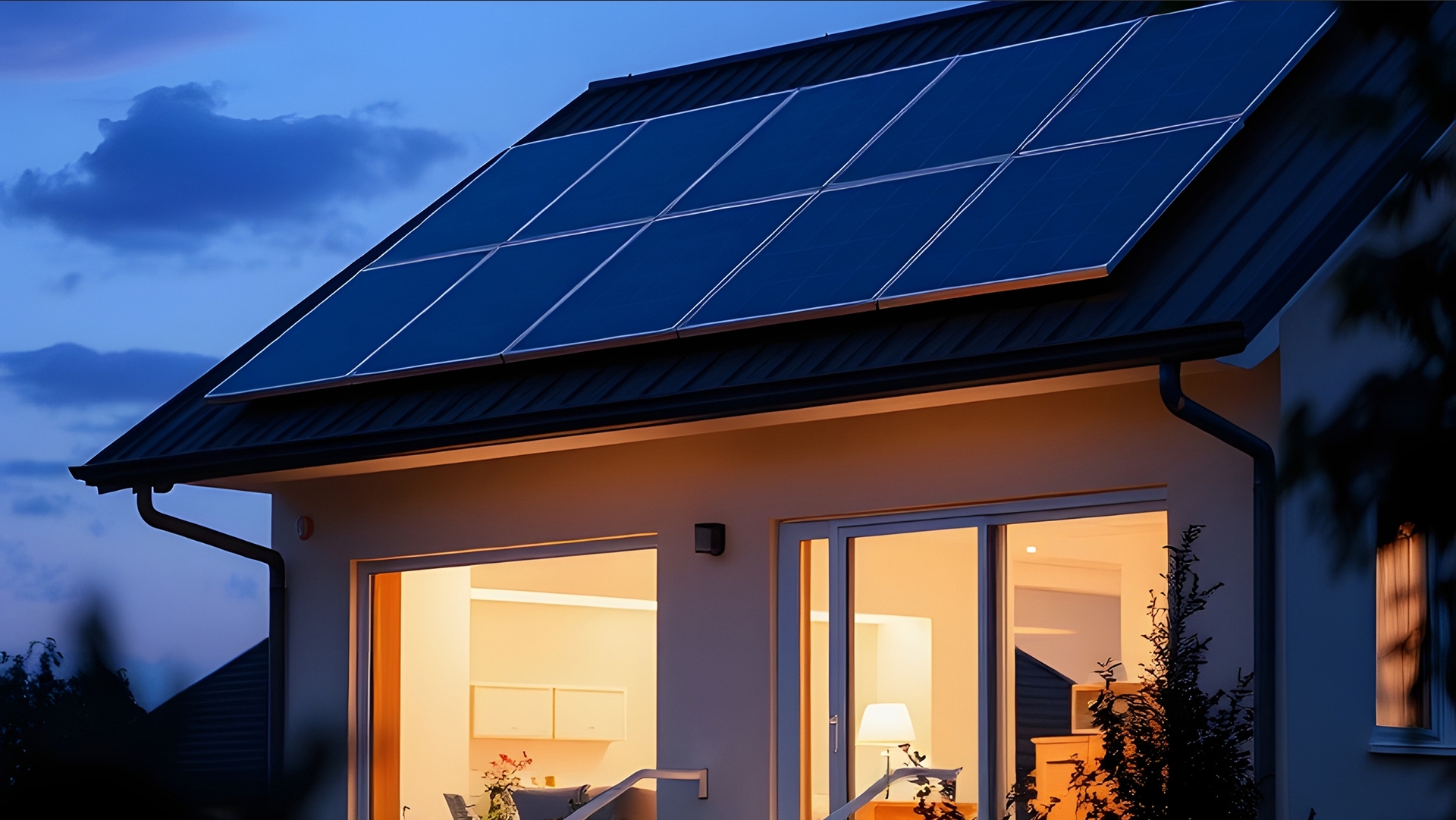
Living in elevated regions offers more than just scenic vistas; it provides a distinct atmospheric advantage for renewable energy production. High-altitude properties are naturally optimized for solar harvesting due to the thinner atmosphere and cooler ambient temperatures. As utility rates rise and grid stability in remote areas becomes less predictable, transitioning to a specialized solar and storage system is no longer just an environmental choice—it is a strategic financial and operational necessity for homeowners.
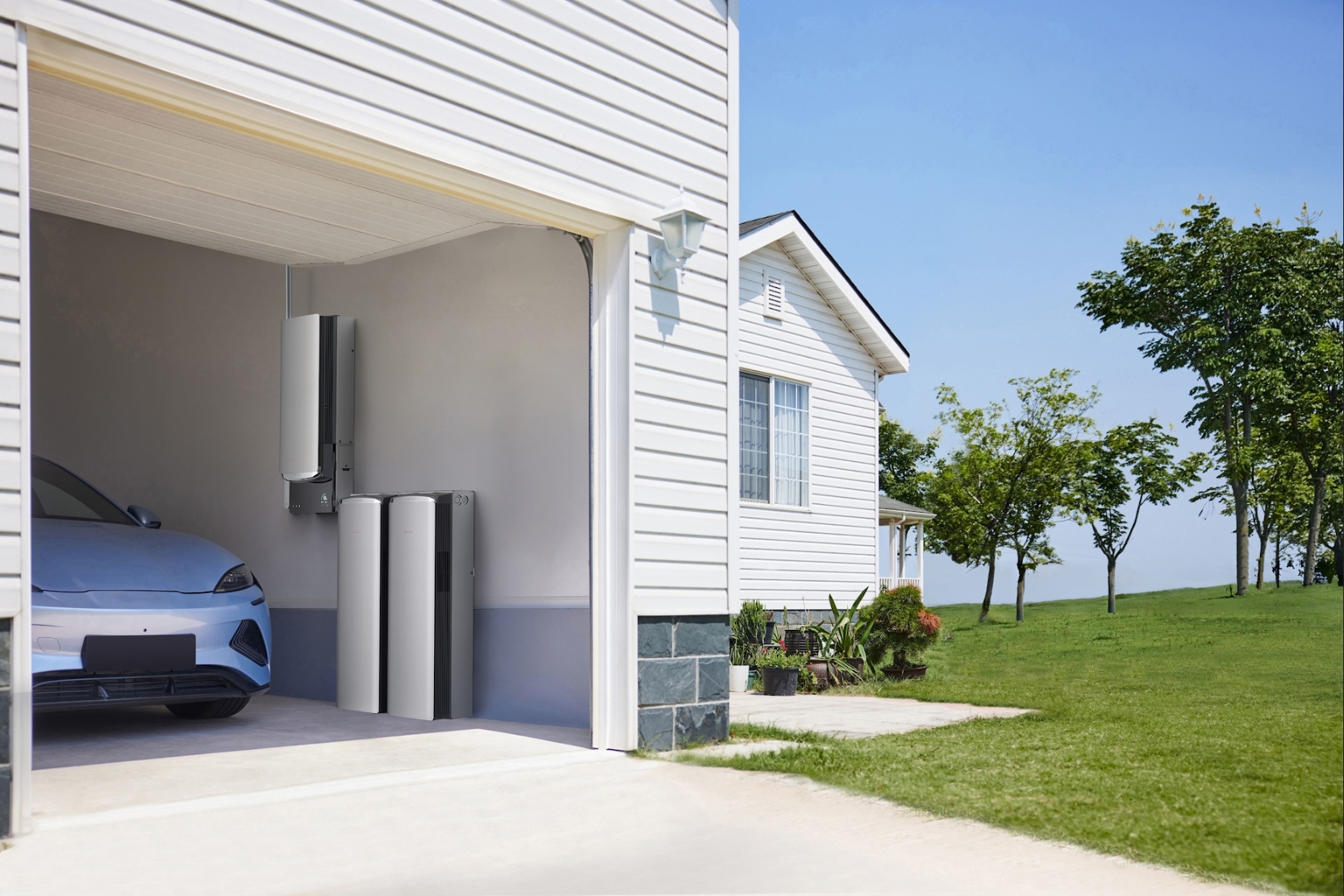
The Scientific Advantage of High-Altitude Solar Performance
The physics of solar energy changes significantly as elevation increases. For owners of mountain homes, the environment provides three specific benefits that enhance the efficiency of photovoltaic (PV) systems compared to sea-level installations.
Reduced Atmospheric Interference
At higher altitudes, the air is thinner, meaning there are fewer air molecules, dust particles, and water vapor to scatter incoming sunlight. This phenomenon, known as reduced Rayleigh scattering, allows more direct "global horizontal irradiance" to reach the solar panels. Essentially, the photons have a shorter and clearer path to the silicon cells, resulting in higher energy density per square foot.
Optimal Temperature Coefficients
A common technical misconception is that solar panels require heat to function. In reality, solar panels are electronic components that perform better in cold environments. Most PV modules have a negative temperature coefficient, meaning their voltage and efficiency drop as they get hotter. The consistently cooler air found around mountain homes helps dissipate heat from the panels, allowing them to operate closer to their peak efficiency even during the peak of summer.
Increased UV Exposure
Solar cells are particularly responsive to the high-energy ultraviolet spectrum, which is much more intense at high altitudes. While this requires high-quality, durable equipment to withstand long-term UV exposure, it also means that a well-designed system can produce significantly more kilowatt-hours (kWh) annually than an identical system located in a valley or coastal region.
Integrating Solar into Mountain Home Plans
For those currently in the design or renovation phase, incorporating mountain home solar early in the process is critical. Modern architectural standards now prioritize energy independence as a core feature rather than an afterthought.
Orientation and Roof Load Considerations
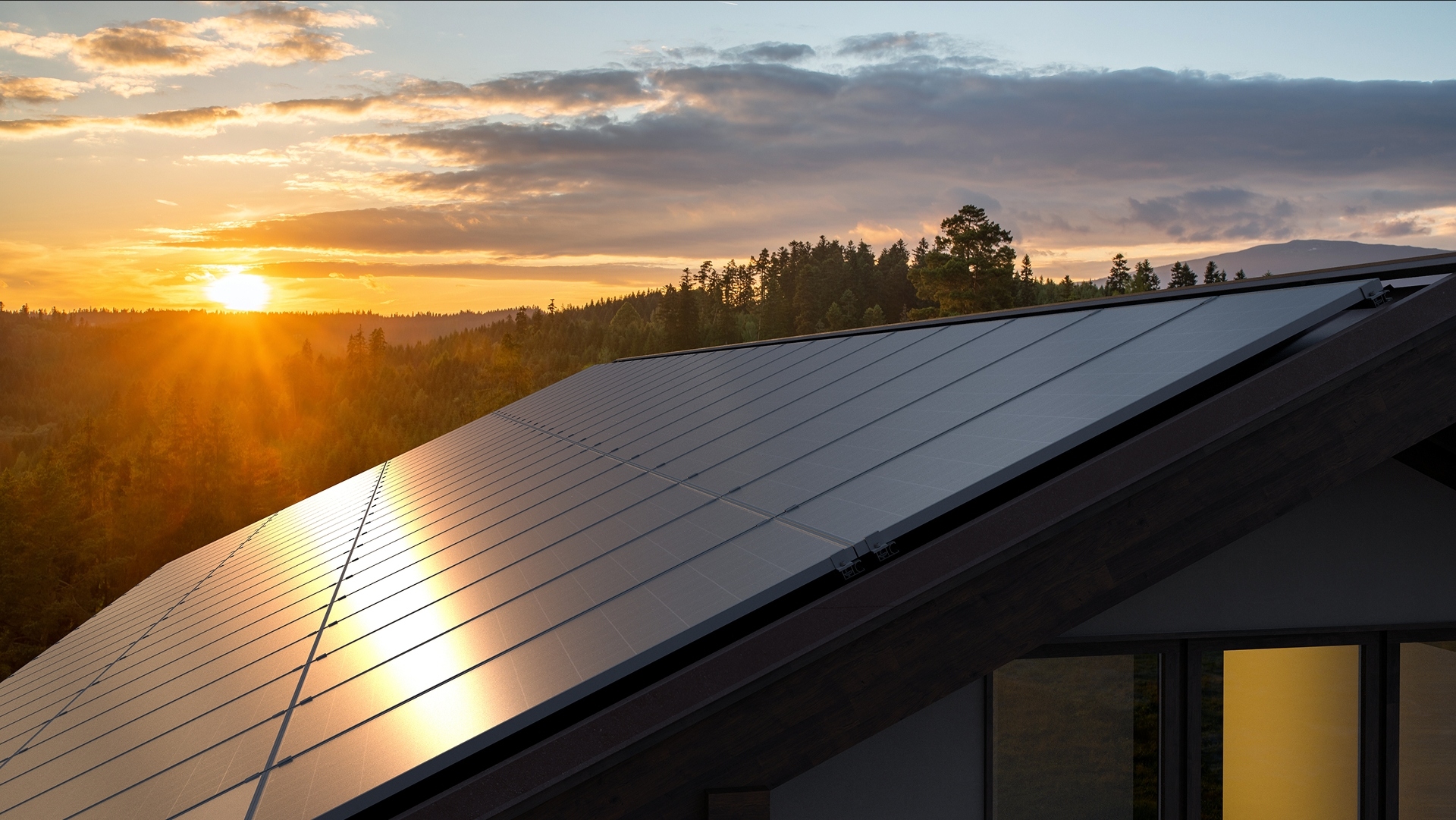
When reviewing mountain home plans, architects must account for the specific sun path at high latitudes and altitudes. South-facing roofs are ideal, but the steep pitches often required for snow shedding also provide an excellent angle for winter sun capture. Furthermore, the racking systems must be engineered for high wind and heavy snow loads. High-quality solar panels actually assist in snow management, as their dark, smooth surfaces absorb heat and encourage snow to slide off more quickly than traditional asphalt shingles.
Energy Demands of Remote Living
Remote properties often face unique electrical challenges, such as voltage fluctuations at the end of a long utility line or frequent outages during winter storms. This makes a robust energy ecosystem essential. A comprehensive mountain home solar strategy does not stop at the panels; it requires an integrated "Whole-Home Backup" system to manage these fluctuations and ensure the residence remains powered when the grid fails.
Get Your Free Home Energy Consultation!
Which energy solution are you interested in?
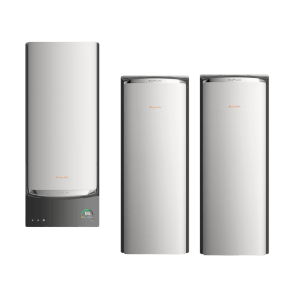
The EcoFlow OCEAN Pro Solar Battery System: A Technical Standard
To meet the rigorous demands of high-altitude living, the EcoFlow OCEAN Pro Solar Battery System represents a significant advancement in energy technology. Unlike basic backup options, this is an All-in-One Home Energy Ecosystem designed for maximum reliability.
It utilizes a sophisticated X-BUS architecture supporting 400V DC coupling, which increases power generation efficiency by 5% over traditional AC-coupled systems. For homeowners, this means more of the energy captured by the panels actually makes it into the batteries or the home's appliances. With a 15-year warranty on key components, it provides the long-term security required for permanent residential installations.
Maximizing Reliability with Modern Mountain Homes
Modern mountain homes often place higher demands on electrical systems than older cabins or seasonal properties. Features such as heat pumps, electric vehicle chargers, large HVAC systems, smart controls, and well pumps all increase the need for stable, high-capacity power. That makes system sizing and backup planning especially important for homeowners who want both comfort and resilience.
Handling High Power Loads
Many mountain homes rely on equipment with high startup demands, including well pumps, HVAC systems, and other large mechanical loads. A properly designed solar-plus-storage system should be sized not only for daily energy consumption, but also for surge capacity and whole-home backup priorities. This becomes especially important in larger homes or properties with year-round occupancy.
Extreme Weather Resilience
Cold weather, snow, and harsh seasonal conditions can affect energy equipment performance, so durability should be a major consideration when evaluating any home battery system. Homeowners in mountain regions should look for systems designed for a wide operating temperature range, dependable thermal management, and safe operation during unstable grid conditions. These factors can make a meaningful difference in year-round reliability.
Seamless Grid-to-Battery Transition
Backup performance is also important in homes with sensitive electronics, connected devices, medical equipment, or always-on internet systems. A well-designed battery system should be able to transition quickly during an outage, helping reduce disruption and keeping critical household loads powered when the grid goes down.
Current Tax Credit Status and Financial Considerations
The federal Residential Clean Energy Credit under Section 25D was one of the most valuable incentives available to homeowners installing solar panels and battery storage. For qualified systems installed during the eligible period, the credit rate was 30%. However, as of 2026, the credit is no longer available for solar or battery systems placed in service after December 31, 2025. Homeowners whose qualifying systems were fully installed in 2025 may still claim the credit when filing their 2025 federal tax return, but newly completed projects in 2026 generally do not qualify.
For mountain homeowners planning a project today, the urgency is no longer about preserving a federal tax credit. Instead, it is about starting utility savings sooner, improving backup readiness sooner, and allowing enough time for local permitting, utility approval, and weather-sensitive installation schedules.
Smart Energy Management for Mountain Residents
The most advanced modern mountain homes utilize smart energy modes to offset high utility costs and increase self-sufficiency.
Time-of-Use (TOU) Mode: In areas where utilities charge more during peak hours (usually evening), the system can discharge stored solar energy during these expensive periods and recharge when rates are low or when the sun is out.
Self-Powered Mode: This mode prioritizes using solar energy to power the home and charge the battery, only drawing from the grid when absolutely necessary. This maximizes energy independence for isolated mountain homes.
Modular Scalability: Energy needs often grow over time. The EcoFlow OCEAN Pro allows homeowners to start with 10kWh of storage and expand up to 80kWh as their needs change, such as adding an EV or an addition to the property.
Conclusion: Future-Proofing Your Mountain Residence
Solar power can be best utilized for high locations because of the physics of high altitude and today’s technology. By utilizing your location’s natural advantages with a professional energy system, you can achieve a level of independence you might not have been able to achieve in remote locations before.
The EcoFlow OCEAN Pro Solar Battery System has the power, security, and reliability required for mountain locations, including extreme cold and large start-up currents. With utility costs remaining high and grid reliability still a concern in many remote areas, now is a smart time to plan for long-term energy resilience.
Take control of your home’s energy with a system designed for long-term savings, backup protection, and year-round reliability. [Get a Quote]
FAQs
Q1: Why are solar panels not working after snow?
Snow prevents sunlight from reaching solar panels, and therefore, they stop working for some time. However, solar panels are black in color and heat up, causing snow on roofs to melt and fall off. Once they are clear of snow, they will get more power from the strong winter sun than they would on a normal day.
Q2: How cold is too cold for solar panels?
Solar panels will work in cold weather because electricity is easier to carry when it is not hot. There is no specific cold temperature that solar panels cannot handle. It is important, though, that your battery bank is designed for extreme cold. Professional solar generators like the EcoFlow OCEAN Pro will work in temperatures as cold as -4°F.
Q3: Can I run my entire house during a blackout?
Yes, if you have a Whole-Home Backup power system, such as the EcoFlow OCEAN Pro. This is a 24 kW power output, enabling you to power everything in your home simultaneously. This is not possible with a small "Essential Load Only" backup power system.
Q4: Are solar panels more effective at higher altitudes?
Yes, solar panels can be slightly more effective at higher altitudes. Thinner air reduces sunlight scattering, allowing more solar radiation to reach the panels. Cooler temperatures at higher elevations also help panels operate more efficiently, since excessive heat can reduce performance.
Q5: Why should I include solar in my mountain home plans now instead of later?
There is a lot of labor saved by adding solar panels to your home’s original construction. This includes being able to choose where to place your solar panels for optimal output, as well as being able to choose your electrical panel size.

