
What is the Minimalism Lifestyle: Your Guide to a Simpler Life
A minimalism lifestyle can feel out of reach when your space, schedule, and mind are constantly cluttered. Many people struggle with overwhelm, decision fatigue, and the pressure to keep up with more. This guide is designed to help you cut through the noise and focus on what truly matters. By simplifying your surroundings and priorities, you can create a calmer, more intentional life. Let's explore the details of the minimalist lifestyle, its core principles, and how you can start one.
What is minimalism lifestyle
A minimal lifestyle is a way of living on purpose by getting rid of things that are too much, like mental noise, emotional baggage, or physical clutter. It's about being careful about what you let into your life instead of gathering things, commitments, or distractions that don't really help you.
Minimalism is not about having nothing or living with the bare minimum. It's about keeping what really adds value and getting rid of what doesn't. For example, you might choose to keep only the tools that serve a daily purpose, donate clothes that no longer fit your lifestyle, automate power control with a smart home energy system, and clear the digital clutter from your devices to regain your mental focus.
A minimal lifestyle is all about focusing on the things that really matter, like your relationships, health, goals, and experiences. You make room for clarity, purpose, and a more meaningful life by getting rid of the extra stuff.
The core principles of the minimalism lifestyle
Intentional living
Being aware of your choices is the first step towards minimalism, like what you buy, how you spend your time, and the habits you build. You don't just do things on a whim; you choose things with a purpose. Your values should guide every possession, commitment, or routine you have.
Less but better
This principle values quality over quantity. Minimalists don't care about having a lot of things. Instead, they focus on having fewer, better things that really matter. You should only keep things that have a clear purpose or make you happy, so you don't have too much stuff.
Freedom from excess
Getting rid of clutter, whether it's physical, mental, or emotional, can help you feel less stressed, anxious, and overwhelmed. Minimalism isn't about limiting yourself; it's about making room for freedom and happiness by getting rid of things that weigh you down and keep you from focusing.
Continuous process
Minimalism isn't just a one-time cleaning out; it's a journey that lasts a long time. Your needs and priorities change as your life changes. This means you should regularly check your things, habits, and commitments to ensure they still help you reach your goals and add value to your life.
What are the benefits of a minimalist lifestyle
Mental clarity & reduced stress
Clutter isn't just physical—it affects your mind too. When there are too many things around you, your brain has to deal with more visual and emotional information, which can make you tired and stressed. Minimalism helps you create a calm, organized space that supports clear thinking. When there are fewer things to distract you, you can focus better, make decisions more easily, and feel more at peace.
Financial freedom
One of the greatest benefits of a minimal lifestyle is financial freedom. You stop buying things on a whim or following trends and start spending more wisely. You start putting needs ahead of wants and spending money on what matters. This leads to fewer unnecessary expenses, increased savings, and less financial stress.
More time and freedom
The more things you own, the more time and energy it takes to clean, organize, fix, and keep them in good shape. Minimalism makes this less of a problem. You have more free time when you have fewer things and obligations. This lets you focus on what matters to you, like spending time with family and friends, doing things you enjoy, or just resting.
Environmental freedom
Minimalism naturally makes people more aware of what they buy. You can lower your environmental impact and waste by buying fewer things and choosing better-quality, longer-lasting ones. This way of life encourages habits such as not buying things quickly, recycling, and reusing. These small choices add up over time and help you live in a way that is better for the environment and more sustainable.
How to start a minimalism lifestyle: A step-by-step guide
Enough of the basics? Wondering how to live a minimal lifestyle? Check the step-by-step guide below and kickstart a minimalistic lifestyle.
Clarify your objective
It's important to know why you want to live a minimalist life before you start. Minimalism isn't just about getting rid of things; it's also about making space for the things that really matter. Think about what you want more of in your life, like time, peace, freedom, or better relationships. Having a clear goal will help you make choices and keep you going on your journey.
Start decluttering gradually
Start with small, doable areas instead of trying to clean up your whole life at once. It could be your phone, closet, or even your workspace. Decluttering slowly helps you avoid feeling overwhelmed and makes the process last longer. You gain confidence and momentum to keep making other areas simpler as you let go of things you don't need.
Follow a structured approach
A structured approach can help you on your path to minimalism by making it more effective and less chaotic. You can follow a simple process: first, decide to embrace minimalism. Then, make a plan for what areas to focus on, start decluttering, digitize where you can, check your finances, and finally, make it easier to spend your time.
Adopt the "one in, one out" rule
Use the "one in, one out" rule to keep clutter from coming back. When you get something new, get rid of something you no longer need. This habit helps you stay balanced and encourages you to think about what you buy. Over time, it teaches you to think carefully before buying something new.
Simplify beyond physical items
Minimalism isn't just about your physical things; it also applies to your digital and personal life. Cut down on apps, emails, and screen time that you don't need to make your digital space easier to use. Be picky about the social events you attend, and learn to say no to things that don't fit your plans.

Minimalism in modern living
Minimalist Home Design
The goal of modern minimalist homes is to make spaces that are clean, useful, and calming. Instead of overloading rooms with furniture or decorations, the focus is on simplicity, open layouts, and purposeful design. People often use neutral colors, natural light, and furniture that serves multiple purposes to make a space feel calm and clear.
This method gives each item in the house a purpose, whether it's useful or meaningful. This helps clear up visual clutter and makes the mind more relaxed and focused.
Sustainable Minimalism
Minimalism is closely linked to sustainability these days. People are becoming more aware of how their choices affect the environment, which is making them more eco-friendly and smarter about what they buy. This means buying fewer but better things, making less trash, and using renewable energy sources.
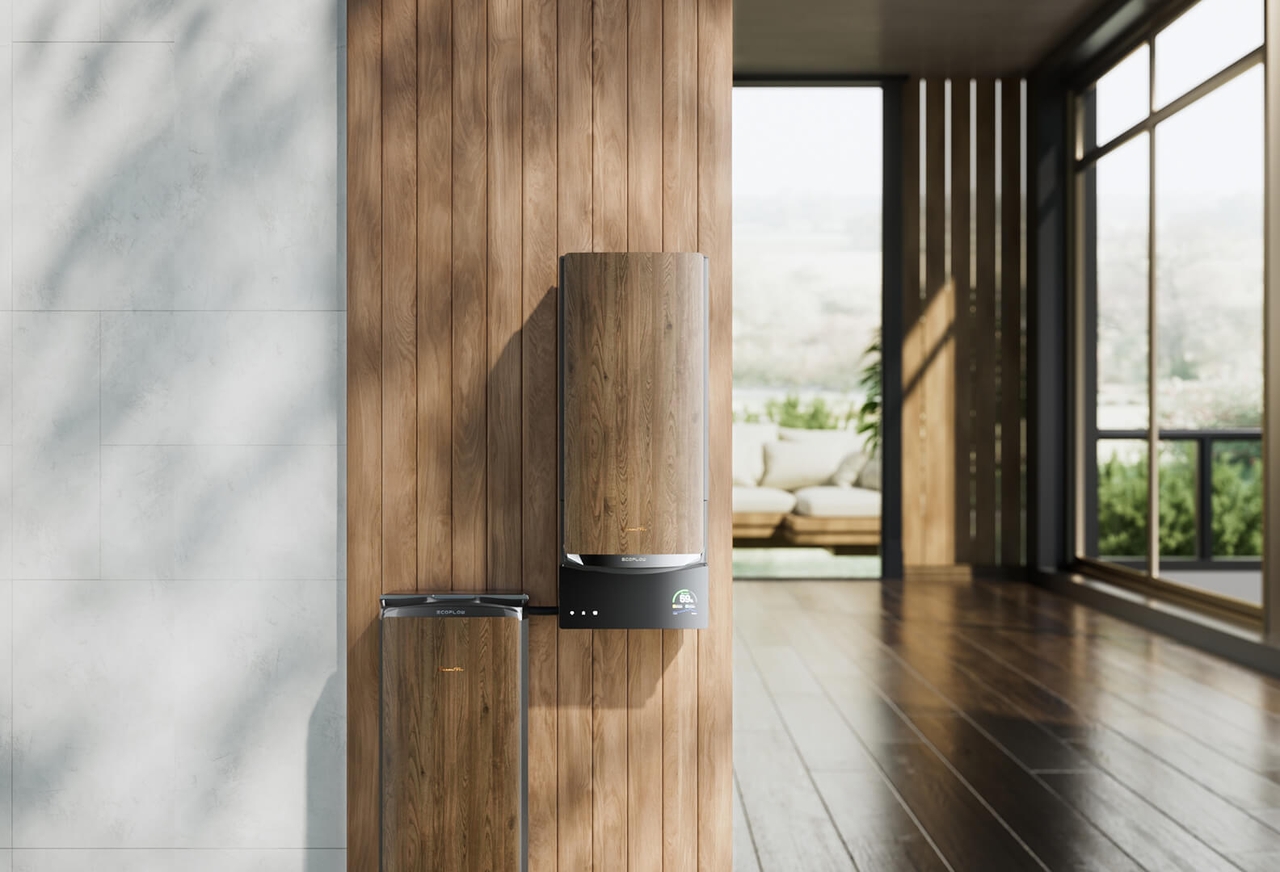
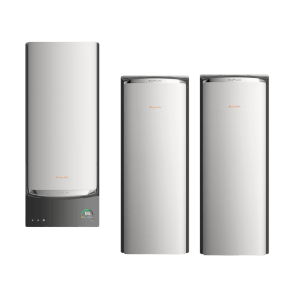
An example of modern minimalist living is the use of smart energy systems such as the EcoFlow Ocean Pro. It integrates multiple energy sources, such as solar panels and batteries, into a single intelligent system. By capturing up to 40kW of solar input and using smart Intelligent Mode to optimize efficiency, the system can reduce reliance on the grid, supporting a sustainable minimalist lifestyle.
Conclusion
Minimalism isn't the same for everyone; it depends on what you need, what you value, and how you live your life. At its core, it encourages you to live on purpose, focus on what really matters, and let go of what doesn't help. As you simplify your life, consider extending minimalism to your home energy use.
Smart solutions like EcoFlow Ocean Pro can help you reduce waste, improve efficiency, and gain more control over your energy consumption. Why wait? Schedule Your Free Consultation Today with us and take the next step toward a smarter, more sustainable lifestyle.
Get Your Free Home Energy Consultation!
Which energy solution are you interested in?
FAQs
1. What is the 30/30 rule for minimalists?
The 30/30 rule says you don't need to keep something "just in case" if you can replace it for less than $30 (or a similarly low price) within 30 minutes. This rule helps you get rid of things you don't need or are easy to replace.
2. What are common minimalist mistakes?
Some common mistakes people make when living a minimalist lifestyle are getting rid of things too quickly and feeling overwhelmed; focusing only on physical things while ignoring mental or digital clutter; and trying to follow strict rules instead of making the lifestyle their own.
3. Do minimalists own nothing?
No, minimalists don't want to own anything. Their goal is to own only things that are useful or valuable. Minimalism is about owning things on purpose, not living in extreme poverty.
4. How do beginners start minimalism?
People who are just starting out can figure out what they want to do, then clean out small areas, like a desk or a drawer. Simple habits like being mindful when you shop and following the "one in, one out" rule can help you stay on track. The most important thing is to start small and keep going.
5. How does minimalism support sustainability?
Minimalism supports sustainability by encouraging people to buy less, throw away less, and choose quality over quantity. This means fewer resources are used and the environment is less affected, encouraging a more responsible, eco-friendly way of life.

