
Low Self-Discharge Batteries: The Key to Reliable Long-Term Power
Low self-discharge batteries solve one of the most frustrating problems in energy storage: batteries losing power while sitting unused. Whether it's a remote, emergency flashlight, or backup power system, losing stored energy over time can be costly and inconvenient. This guide explains how low self-discharge works, why it matters, and how to choose the right solution for your needs. It also highlights why advanced home battery systems are the gold standard for reliable, long-term energy storage.
What is battery self-discharge?
Battery self-discharge is the gradual loss of stored energy that occurs even when a battery is not connected to any device. It is an internal electrochemical process — the battery slowly reacts with itself over time, releasing energy as heat rather than useful power. Think of it like a leaky container: even if nothing is draining from the tap, the level still drops.
Several factors dictate how fast this happens:
Temperature: Higher temperatures speed up internal chemical reactions significantly. A battery stored in a hot garage or car can self-discharge several times faster than one kept at room temperature.
Age: As batteries age, internal resistance increases and separators degrade — both of which contribute to faster energy loss.
Battery chemistry: This is the biggest factor. Different chemical compositions have wildly different self-discharge characteristics, ranging from nearly zero over decades to near-total loss within weeks.
A high self-discharge rate means your battery may be empty when you finally need it. Low self-discharge batteries retain energy longer, making them ideal for backup systems, emergency devices, and infrequently used electronics.
How much charge do batteries lose while sitting?
The rate of loss varies wildly across different technologies. While some industrial batteries can sit for decades, others lose a significant chunk of power in just weeks.
NiMH (standard rechargeable): These are notorious for high self-discharge, often losing 10–15% in the first 24 hours after charging, followed by about 20–30% per month. After three months at room temperature, they typically retain very little usable capacity, making them unreliable for infrequently used devices.
LiSOCl₂ (lithium thionyl chloride, industrial lithium): As low as 0.7% per year, enabling lifespans of up to 40 years in the right conditions. Used in utility meters, military equipment, and remote sensors.
Li-ion / LiFePO4: Much more stable, typically losing only 1–3% per month, making them ideal for high-performance electronics.
Alkaline (primary, non-rechargeable): Modest self-discharge and a shelf life of 5–10 years, but cannot be recharged. Suitable for low-drain devices and emergency kits only.
Battery Type | Self-Discharge Rate | Best Use Case |
|---|---|---|
Standard NiMH | High (20-30% / month) | High-drain devices needing frequent recharge |
LSD NiMH (Eneloop) | Low (15-20% / year) | Remotes, flashlights, clocks |
Lithium-Ion | Low (2-3% / month) | Smartphones, laptops, power tools, EVs |
LiFePO4 (LFP) | Very Low (<2% / month) | Home energy storage, solar batteries, EVs |
Alkaline | Minimal (~2-3% / year) | Low-drain devices, emergency kits |
LiSOCl₂ (industrial) | <1% per year | Industrial sensors, meters, military devices |
Low self-discharge rechargeable batteries: What makes them different?
Not all rechargeable batteries are created equal. The biggest leap forward in consumer rechargeable technology came with the development of Low Self-Discharge NiMH batteries — most famously, the Panasonic Eneloop line introduced in 2005. Before LSD NiMH existed, rechargeable batteries had a reputation problem: you'd charge them, store them, and find them dead when you actually needed them. LSD NiMH solved that.
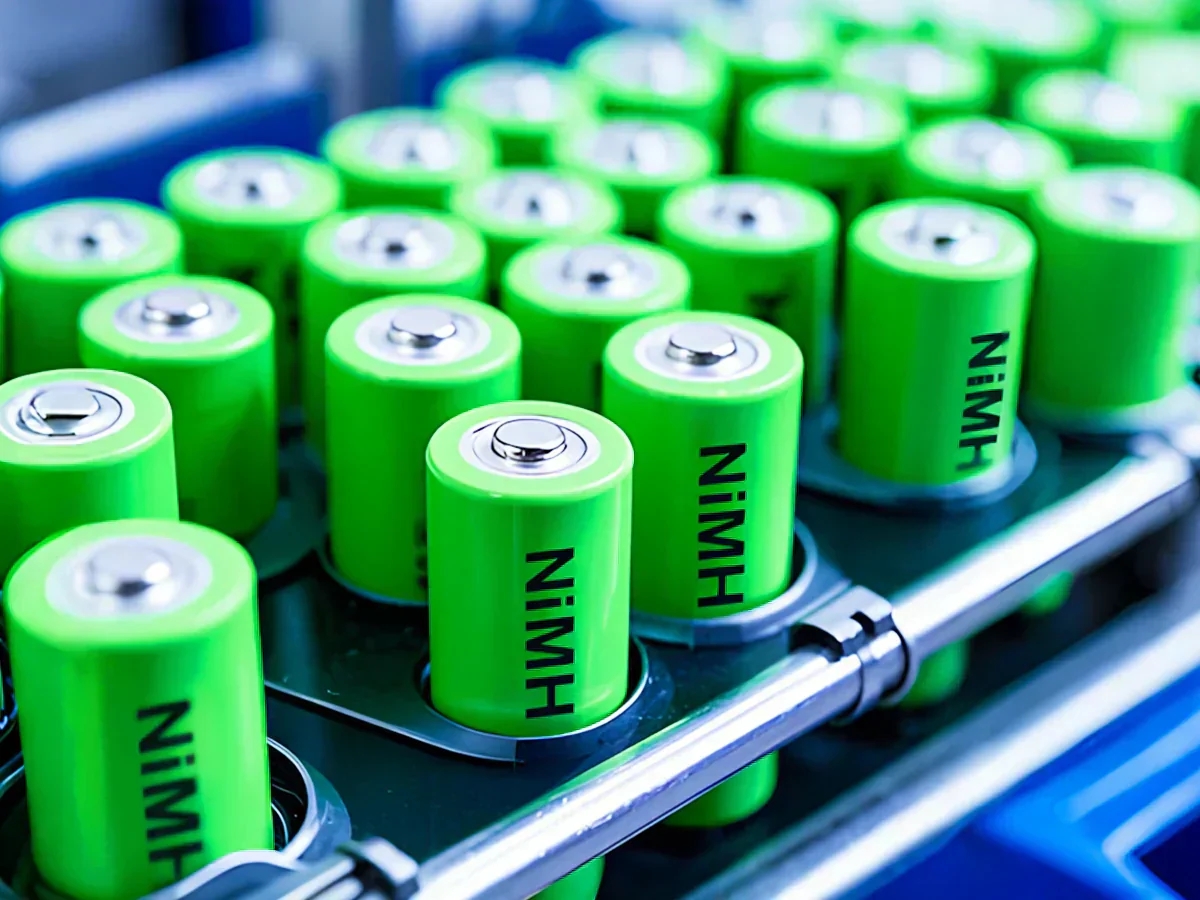
Classic NiMH vs. Low Self-Discharge NiMH — the Eneloop revolution
Standard NiMH batteries were powerful but notoriously impatient. Left in a drawer, they'd lose most of their charge within weeks. LSD NiMH changed the equation by modifying the internal electrode chemistry to dramatically slow that internal drain:
LSD NiMH retains approximately 75–80% of its charge after three years of storage at room temperature. Charge them today, reach for them in three years — they'll still work.
Standard NiMH can be near-empty in just 2–3 months, making them unreliable for anything but devices you use and recharge constantly.
The capacity trade-off
LSD NiMH batteries do come with one real trade-off: they typically offer around 20% lower rated capacity than the highest-capacity standard NiMH cells. Under low-stress, low-drain conditions — remotes, clocks, smoke detectors — this gap is noticeable on paper but barely felt in practice. Under high-stress, high-drain conditions like camera flash or power tools, the two types perform nearly identically, because peak discharge behavior is governed more by internal resistance than rated capacity. For most users, the reliability advantage of LSD far outweighs the marginal capacity difference.
Ready-to-use advantage
Because LSD batteries hold their charge so well, they can be sold pre-charged and remain fully usable months or even years after purchase — straight out of the package. Standard NiMH cells could never credibly make that claim. For consumers, it removes a frustrating extra step: no more charging before first use, no more dead batteries in a brand-new pack pulled from a shelf that sat in a warehouse for six months.
Low self-discharge battery chemistries compared
Different battery chemistries offer very different levels of self-discharge, lifespan, safety, and storage performance. Choosing the right type depends on how and where the battery will be used.
NiMH (Nickel-Metal Hydride)
The most widely available rechargeable format for AA and AAA batteries. In their LSD form, NiMH cells are ideal for TV remotes, game controllers, toys, wireless keyboards, digital cameras, smoke detectors, and clocks — any device that sits idle but must work reliably on demand.
Lithium-Ion (Li-ion)
The chemistry that powers modern life — smartphones, laptops, wireless earbuds, and electric vehicles. Its self-discharge rate of approximately 2–3% per month is a major improvement over standard NiMH, and it offers excellent energy density. Li-ion can be sensitive to extreme temperatures, however, and has a more limited cycle life compared to LFP.
LiFePO4 / LFP (Lithium Iron Phosphate)
The LFP is increasingly recognized as the gold standard for stationary energy storage — and for good reason. It combines low self-discharge with exceptional safety, thermal stability, and longevity:
Among the lowest self-discharge rates of all rechargeable chemistries.
Highly thermally stable and chemically inert — does not overheat or fail catastrophically under stress.
Cycle life of 3,000–6,000+ full cycles versus approximately 500 for standard Li-ion.
Growing adoption in home energy storage, solar batteries, and electric vehicles.
LFP is not just marginally better than other lithium chemistries for home storage — it is purpose-built for the application. A home battery sits on standby for days or weeks, activates suddenly when the grid fails, then returns to standby. That cycle demands exactly what LFP delivers: low parasitic loss during standby, robust performance under sudden load, and a lifespan measured in decades.
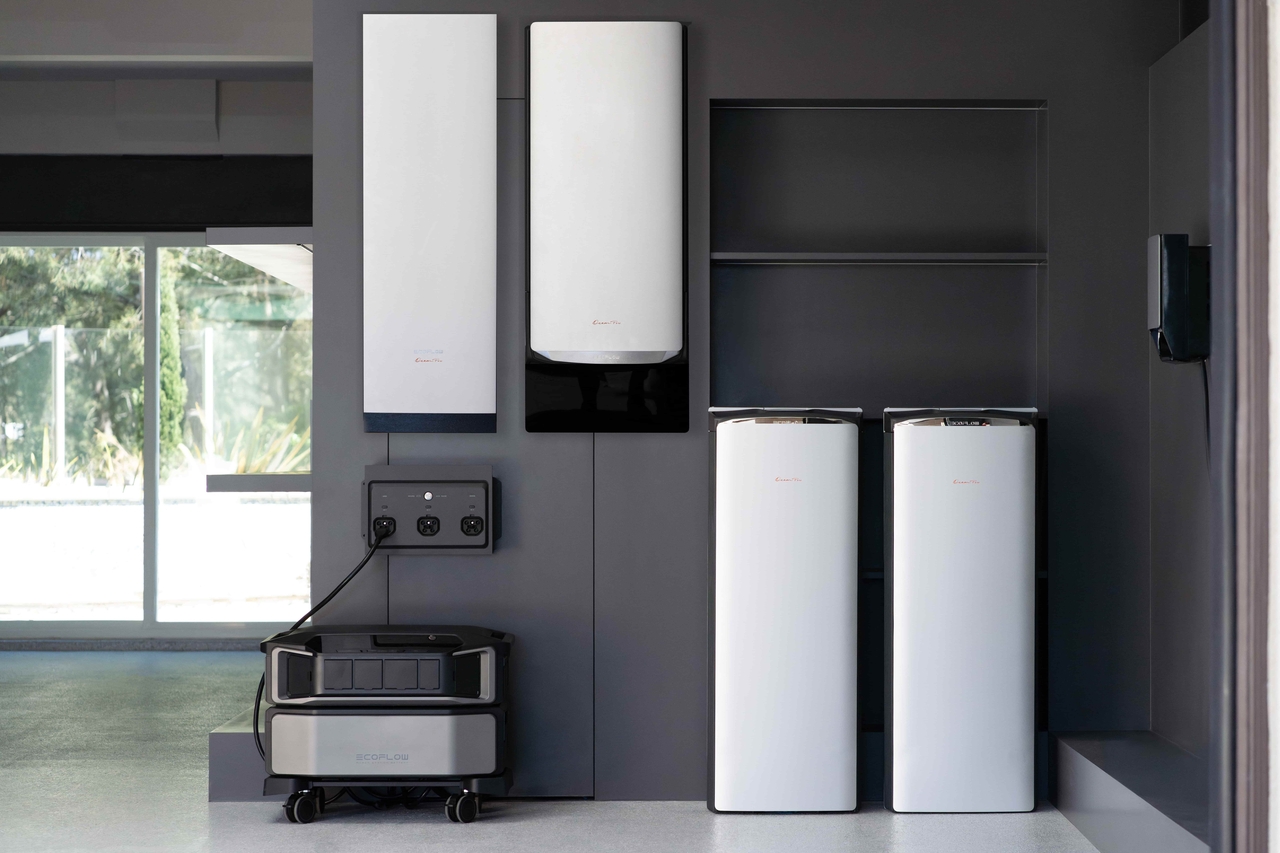
All of this makes LFP the obvious chemistry of choice for home energy storage — but chemistry alone is only part of the equation. The other part is engineering: how well a manufacturer translates LFP's inherent advantages into a product built to meet the specific demands of residential backup power. That is exactly where the EcoFlow OCEAN Pro stands out. Engineered for a home backup battery system that may sit idle in a garage, shed, or outdoor enclosure for weeks at a time, then activate immediately when the grid goes down, its LFP battery packs are rated to operate from -4°F to 140°F, with self-discharge performance that makes weeks-long standby entirely viable. A 15-year warranty, aerospace-grade materials for impact and corrosion resistance, and 360° aerogel insulation with multi-layered thermal management round out a system built specifically for the long-duration, low-discharge demands of real home energy use.
How to choose a low self-discharge battery
Choosing the right low self-discharge battery depends on how you plan to use it, how long it will sit unused, and the environment it will operate in. The best option balances storage performance, lifespan, safety, and reliability.
Chemistry & type
Battery chemistry has the biggest impact on self-discharge performance.
Low self-discharge NiMH: Ideal for AA/AAA household devices and occasional-use electronics.
Lithium-ion: Good for portable electronics with moderate storage periods.
LiFePO4 (LFP): Excellent for solar storage, home backup systems, and long-term standby applications due to high stability and low self-discharge.
LiSOCl2: Best for industrial sensors and ultra-long shelf-life applications.
Different chemistries also respond differently to temperature and storage conditions.
Cycle life vs. shelf life
Some batteries are optimized for repeated charging cycles, while others are designed for long-term storage.
Cycle life refers to how many charge and discharge cycles a battery can handle before its capacity declines.
Shelf life refers to how long a battery can retain usable charge while sitting unused.
For backup power or emergency systems, long shelf life and low self-discharge are often more important than maximum energy capacity.
Storage & operating temperature range
Heat significantly increases self-discharge and accelerates battery degradation. Batteries stored in cooler environments generally retain charge longer and last longer overall.
Look for batteries designed for the temperatures they will experience:
Indoor electronics may only need moderate temperature tolerance
Outdoor backup systems and solar storage require wider operating ranges
Integrated management
Modern battery systems often include built-in battery management systems (BMS) that help regulate charging, temperature, and safety protections.
Integrated management can help:
Prevent overcharging and deep discharge.
Improve battery lifespan.
Reduce performance degradation.
Maintain safer operation during long-term standby use.
This is especially important for larger lithium-based energy storage systems.
Check lifespan and recharge cycles
Always review the manufacturer’s expected lifespan and recharge cycle rating before buying.
Standard lithium-ion batteries may last around 500 cycles.
LiFePO4 batteries can often deliver 3,000–6,000+ cycles.
Low self-discharge batteries with higher-quality materials typically maintain performance longer.
For long-term value, choosing a battery with lower self-discharge and longer cycle life often reduces replacement costs over time.
Tips to minimize battery self-discharge
Even the most advanced batteries are subject to the laws of chemistry. While you can't stop self-discharge entirely, you can significantly slow it down by following these professional storage and maintenance tips.
Store batteries in a cool, dry place
Heat is the primary catalyst for internal chemical reactions that drain power. Storing batteries in a room-temperature environment (around 20°C or 68°F) is ideal. Avoid "hot zones" such as sunny windowsills, car trunks, or uninsulated sheds, as high temperatures can double energy loss.
Store at partial charge (40–60%)
For rechargeable batteries, especially lithium-based chemistries, storing them at a partial charge level between 40–60% can help reduce long-term stress on the cells. Fully charged or completely drained batteries tend to degrade faster during long storage periods.
Use high-quality batteries with built-in protection
Quality matters. Premium batteries and home systems like the EcoFlow Ocean Pro include an integrated Battery Management System (BMS). This circuitry prevents "vampire" loads and ensures that the cells remain balanced. Cheaper, generic batteries often lack these protections, leading to uneven discharge and a much shorter shelf life.
Keep battery contacts clean
Dirty or corroded battery contacts can interfere with proper energy transfer and reduce battery performance. Regularly cleaning battery terminals helps maintain strong electrical connections and prevents unnecessary power loss. Use a dry cloth or soft cleaning material to remove dust and corrosion buildup safely.
Remove battery from equipment
Even when devices are turned off, some electronics continue drawing small amounts of power in standby mode. Removing batteries from devices that will not be used for long periods helps prevent unnecessary discharge and reduces the risk of leakage or battery damage during storage.
Conclusion
Low self-discharge batteries are essential for reliable long-term power storage, especially for emergency devices, solar systems, and home backup applications. Choosing the right battery chemistry can significantly improve performance, safety, lifespan, and energy retention during storage. While low self-discharge NiMH batteries work well for everyday electronics, LiFePO4 (LFP) batteries offer exceptional durability, thermal stability, and long-term standby reliability for larger energy systems.
For homeowners seeking dependable backup power, the EcoFlow OCEAN Pro Home Solar Battery combines advanced LFP technology with low self-discharge, extended cycle life, and robust safety protection for reliable home energy storage.
Need reliable home backup power? Book a free consultation with an EcoFlow expert today and find the right energy storage solution for your home.
FAQs
1. What does low self-discharge mean?
Low self-discharge refers to a battery's ability to retain its chemical energy for long periods while idle. It indicates that internal chemical reactions, which naturally deplete a battery’s power over time, have been significantly minimized.
2. Which battery type has the lowest self-discharge rate?
For specialized industrial use, LiSOCl2 is the leader (~0.7% per year). For home and consumer use, LiFePO4 (LFP) offers the best performance, losing as little as 1% per month, ensuring your backup is ready when the grid fails.
3. What is the difference between self-discharge and normal discharge?
Self-discharge happens naturally when a battery loses energy while unused. Normal discharge occurs when a connected device actively draws power from the battery while in use.
4. Can self-discharge damage batteries permanently?
Yes. If a battery self-discharges below its "critical voltage," it can cause permanent chemical damage. This "over-discharge" can lead to capacity loss or internal shorts, often preventing the battery from ever holding a charge again.
5. How long can a low self-discharge battery hold its charge?
Some low self-discharge NiMH batteries retain up to 75–80% charge after 3 years, while LiFePO4 batteries can maintain stable standby power for extended periods with minimal loss.

