
Load Center VS Panelboard - Which One is Right for You?
Choosing between a load center and a panelboard can be confusing. Both distribute electricity, but they serve different purposes and applications. We break down the key differences, from capacity and breaker configurations to typical use cases and costs. We'll also explain why modern homes, especially those with solar, EV chargers, and high-demand appliances, need more than a traditional electrical panel. Understanding your home's actual load requirements is the first step toward smarter, more resilient energy management, whether you're building new or upgrading an existing setup.
What is a load center?
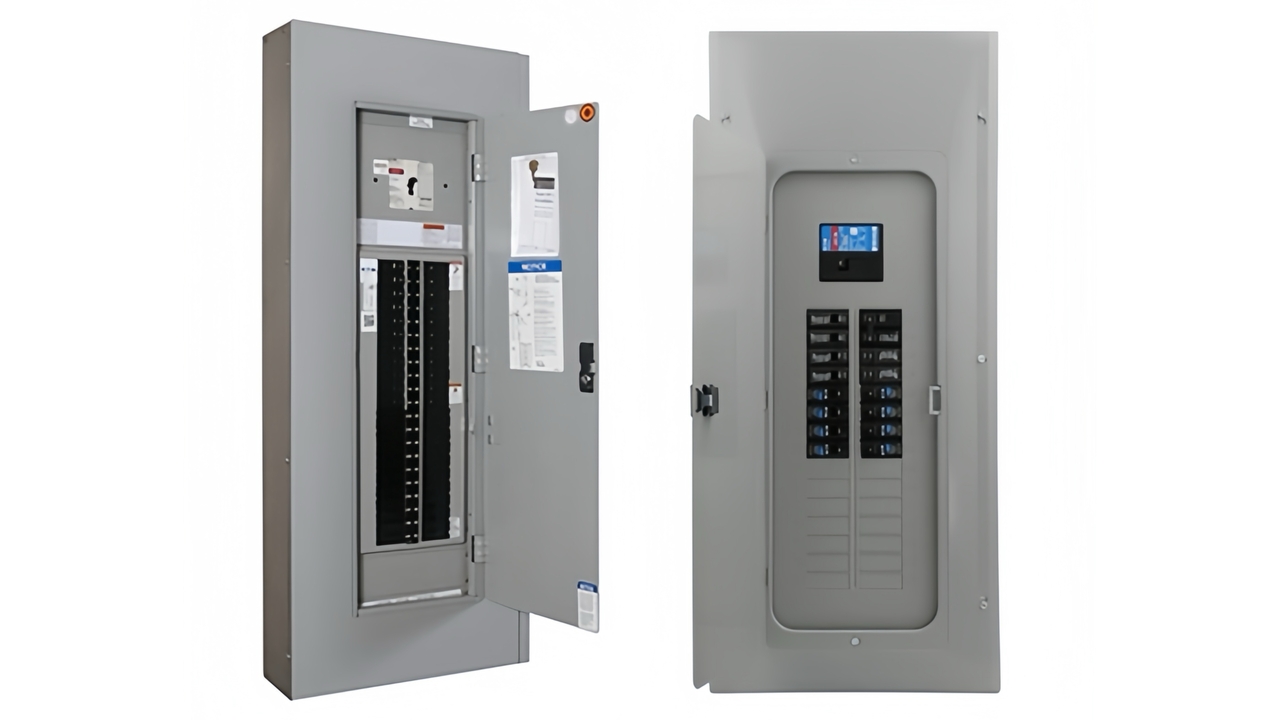
A load center is an electrical distribution panel that gets power from the main electrical supply and then distributes it to different circuits throughout a building. It contains circuit breakers that protect electrical equipment and wiring from short circuits or overloads. These load centers also provide a central location for managing and controlling a building's electrical circuits. They are primarily used in residential and light-commercial electrical systems.
What is a panelboard?
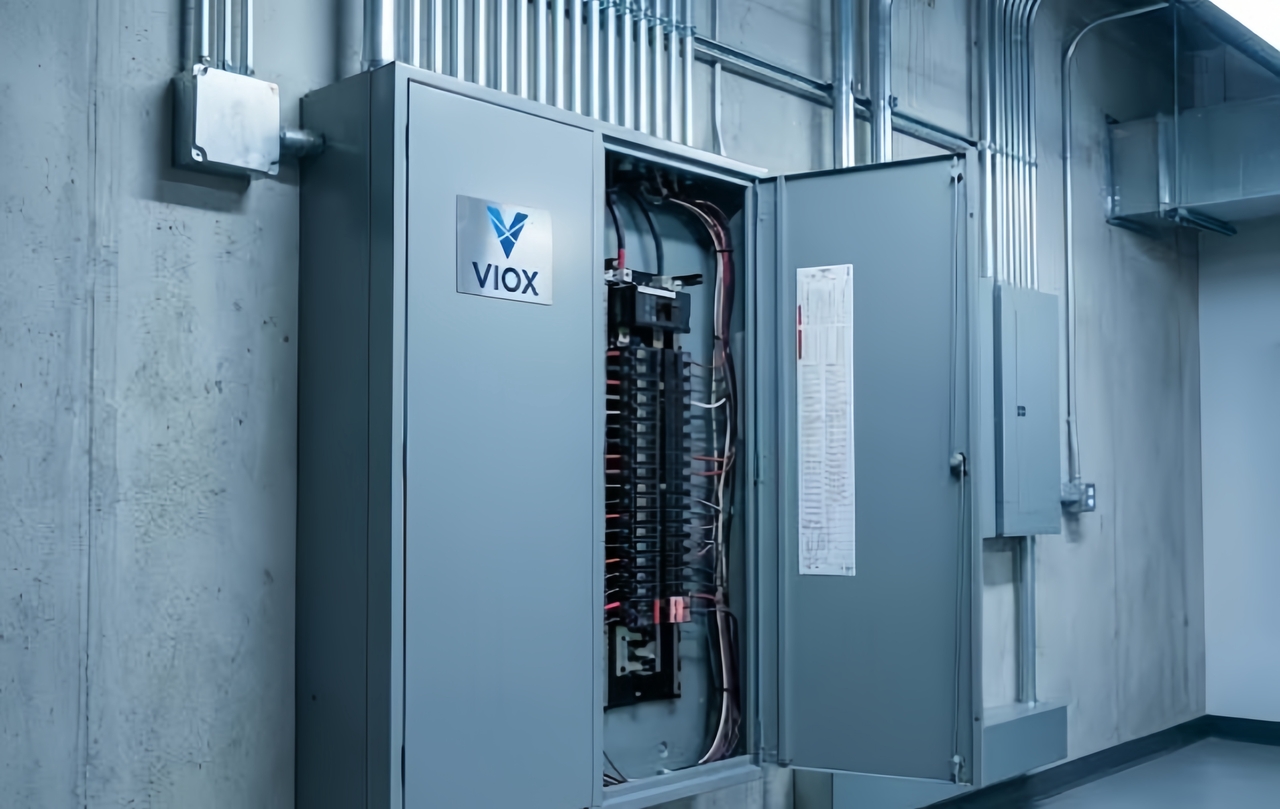
A panelboard is an electrical distribution device that receives power and then distributes it to multiple branch circuits. It houses circuit breakers or fuses that help to protect the electrical wiring and equipment from short circuits and overloads. Panelboards also offer a main central point for controlling and isolating individual circuits. They are most commonly used in industrial, commercial, and large electrical installations.
Load center vs panelboards - Comparison table
Before diving into the details, let's compare load centers and panelboards side by side. The table below highlights the key differences across nine factors, from application and voltage rating to cost and maintenance. Use this as a quick reference to see which option aligns with your project's needs.
Factor | Load center | Panelboard |
Main application | Residential and light-commercial use | Commercial, industrial, and larger facilities |
Voltage rating | 120-240V AC | 120-600V AC, can have varying ranges of voltages |
Enclosure size and material | Compact, typically steel | Large range of sizes, typically steel |
Circuit breaker types | Mostly plug-on breakers | Plug-on or bolt-on breakers, depending on size |
Phase configuration | Single-phase | Single-phase or three-phase |
Customization options | Limited configuration options | Greater configuration flexibility |
Overall cost | Generally lower | Generally higher |
Capacity and breaker configuration
Load centers are mainly designed for residential and light-commercial distribution. For instance, a Square D Homeline load center is available with a 200A main rating, 40 spaces, and up to 80 circuits, in which tandem breakers are permitted. Meanwhile, panelboards provide a much broader range of configurations. For example, Schneider Electric's Square D NQ panelboards use 225A or 600A bus sizes, whereas the NF series can be configured from 250A up to 800A.
Cost and installation
For U.S. homeowners, electrical panel replacement or upgrading generally costs around $1,200 to $2,000, with a 200A panel upgrade costing around $1,300 to $2,000 in 2026. A standard electrical load panel is usually less expensive and easier to install. In contrast, commercial panel boards cost significantly more due to the higher ratings, specialized breakers, large enclosures, and more complex installation requirements. The actual cost can vary by amperage, labor rates, configuration, wiring, permits, and location. So, the cost varies considerably, depending upon the project.
When to use panelboard vs load center
Choosing between a load center vs panelboard mainly depends on the building type, distribution requirement, electrical load, and the level of customization required.
When to use panelboard
Panelboards are commonly used in retail buildings, offices, schools, hospitals, and other commercial facilities. Use a panelboard when the electrical system requires more power, larger feeders, and more circuits. Panelboards also provide you more choices for breaker types, configurations, and ratings. Thus, they are a good choice for electrical systems that require a custom setup.
When to use the load center
A load center is mainly used in homes and small electrical systems. It handles common circuits for receptacles, lighting, appliances, HVAC equipment, and other household loads. Load centers are easier to setup and install than commercial systems. They are an excellent choice when you don't need too many customization options.
From electrical distribution panels to smart energy management
Traditional electrical panels mainly distribute and protect circuits. Smart electrical panels add circuit-level monitoring and control, while battery systems provide energy storage and backup power.
A high-capacity panel alone is not enough. Homeowners also need to know which circuits use the most energy and when. Circuit-level monitoring depicts how much energy individual loads use. This enables homeowners to identify energy-hungry appliances and reduce energy use. Smart controls also prioritize essential loads and adjust certain circuits based on the available power.
Seamless power switching is also important when a home relies on stored energy for backup. During a power outage, a safety system disconnects the home from the utility and switches designated circuits to battery power. When combined with solar power, circuit-level monitoring, energy storage, and intelligent load management, a smart electrical panel creates a powerful and more reliable electrical system.
How Smart Panels and Home Batteries Work Together
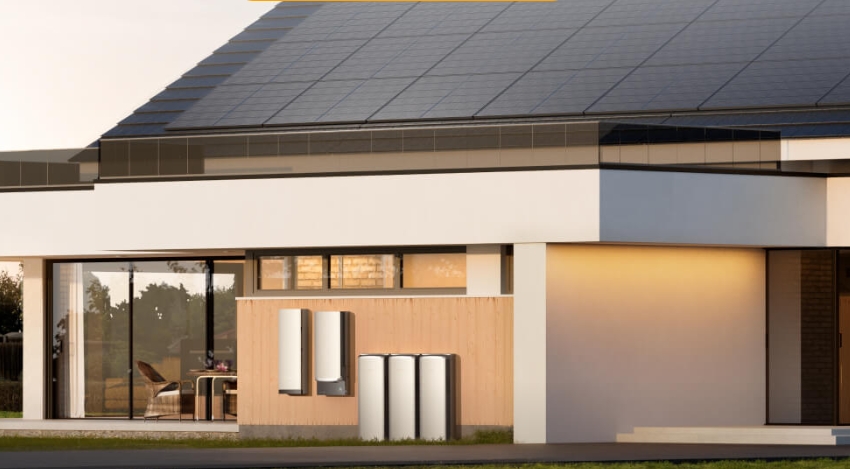
The EcoFlow OCEAN Smart Electrical Panel 40 and the EcoFlow OCEAN Solar Battery System work together to create a smarter, more resilient home energy setup. The EcoFlow OCEAN Smart Electrical Panel 40 offers circuit-level monitoring, control, and intelligent energy management, whereas the EcoFlow OCEAN Pro stores the energy for use when the grid isn't available. Both of these systems go beyond traditional electrical distribution, enabling homeowners to monitor, manage, and back up essential loads.
The EcoFlow OCEAN Smart Electrical Panel 40 can replace a traditional 200A service panel while supporting around 40 smart circuits. It offers real-time visibility into circuit-level energy usage and automatically switches the home to backup power in under 10 milliseconds during a grid outage.
Get Your Free Home Energy Consultation!
Which energy solution are you interested in?

Conclusion
In conclusion, choosing between a load center vs panelboard mainly depends on your home's circuit requirements, electrical loads, installation environment, and desired flexibility. Load centers are primarily suitable for residential systems, whereas panelboards are ideal for more complex, larger environments. However, modern homes require more than just electrical capacity. They also benefit from backup power and intelligent load control. The EcoFlow OCEAN Smart Electrical Panel 40 and EcoFlow OCEAN Pro Solar Battery System provide a more complete solution for home energy management. If you are seeking the ideal way for home energy management, then be sure to request a consultation with our professional representatives today!
FAQs
What is the purpose of a load center?
A load center gets energy from the main supply and then distributes it to the individual branch circuits throughout a home. Its circuit breakers also protect wiring and connect equipment from short circuits and overloads. When paired with the EcoFlow OCEAN Smart Electrical Panel 40, they enable homeowners to add circuit-level monitoring, backup power capabilities, and intelligent load management.
Can I use a load center as a sub panel?
Yes, you can use a load center as a subpanel, provided that it is listed and installed for that purpose with the correct feeder, grounding, bonding, and overcurrent protection.
Is a load center the same as a subpanel?
No. A load center indicates the type of electrical distribution system, whereas a subpanel describes its position and function within the electrical system. If you wish to go beyond conventional distribution, the EcoFlow OCEAN Smart Electrical Panel 40 offers intelligent circuit monitoring and a fast backup system when integrated with the EcoFlow OCEAN Pro Solar Battery System.

