
Lead Acid Battery: A Reliable Power Solution for Everyday Applications
Lead acid battery solutions have long been trusted for dependable and affordable power across everyday applications. However, users often face challenges such as reduced efficiency, longer charging times, or performance drops during heavy use. That's where its smart alternatives come into play. In this guide, we'll cover all essential aspects related to this battery type and a smart alternative that Ocean Pro uses to offer reliable performance.
What is a lead acid battery
A lead acid battery is a rechargeable battery that uses chemical reactions between lead and sulfuric acid to store and deliver electrical energy. It is one of the oldest and most widely used battery types, known for its reliability, low cost, and ability to provide high surge currents for applications like vehicles and backup power systems.
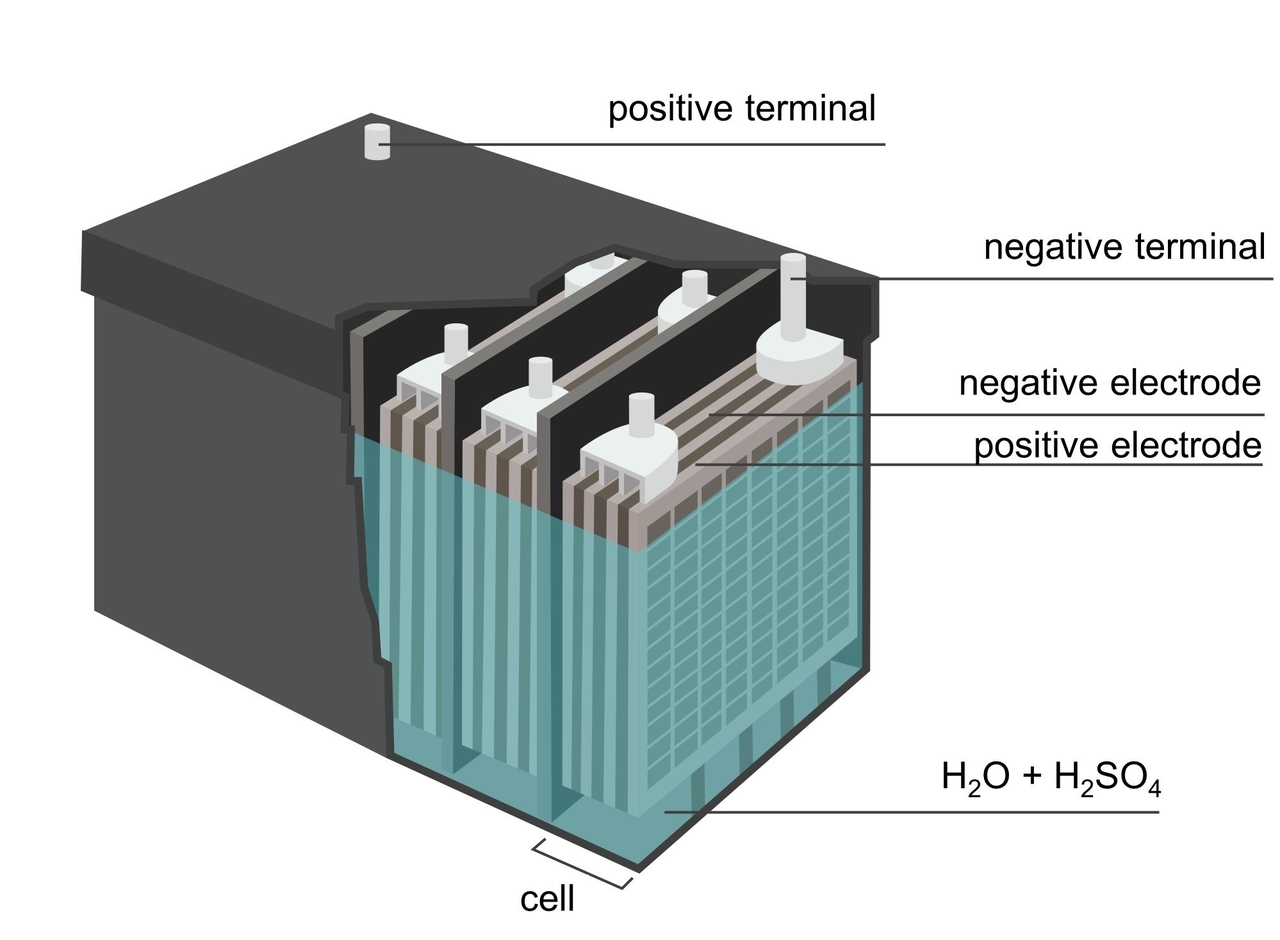
Key components:
Lead plates
Inside the battery, there are two types of lead plates: positive and negative. These plates are responsible for the chemical reactions that generate electricity. The larger the surface area of the plates, the greater the battery’s capacity.
Sulfuric acid electrolyte
The electrolyte is a liquid solution of sulfuric acid and water. It enables the flow of ions between the lead plates, which is essential for the chemical reactions that produce electrical energy.
Battery casing and separators
The casing holds all components together and prevents leakage, while separators keep the positive and negative plates apart to avoid short circuits, yet still allow ion flow between them.
Basic working principle of lead-acid batteries
A lead acid battery harnesses the power of a chemical reaction between the lead plates and the sulfuric acid electrolyte. When the battery discharges (powers a device), the reaction produces electrical energy by converting chemical energy into electricity. During charging, this process is reversed, and the electrical energy restores the original chemical state of the plates, allowing the battery to be reused multiple times.
How lead acid batteries work
Lead-acid batteries operate through reversible chemical reactions that allow them to store and deliver electrical energy efficiently. Their working process can be understood in terms of charging, discharging, and overall performance over time.
Chemical reaction during charging and discharging During discharge, the battery converts chemical energy into electrical energy. The lead dioxide (positive plate) and sponge lead (negative plate) react with the sulfuric acid electrolyte to produce electricity, forming lead sulfate on both plates. At the same time, the electrolyte becomes more diluted as sulfuric acid is consumed. During charging, this process is reversed. An external power source supplies electrical energy, converting the lead sulfate back into lead dioxide and sponge lead, and restoring the sulfuric acid concentration in the electrolyte.
Energy storage and release process A lead-acid battery stores energy in chemical form. When connected to a device, it releases this stored energy as electrical current. The flow of electrons through the external circuit powers devices, while ions move within the battery to maintain balance. This continuous exchange enables reliable power delivery for applications like backup systems, vehicles, and inverters.
Cycle life and performance characteristics The cycle life of a lead-acid battery refers to how many charge and discharge cycles it can complete before its capacity significantly declines. Factors like depth of discharge, charging habits, and temperature affect its lifespan. Typically, these batteries perform best when not fully discharged frequently. While they are durable and cost-effective, their performance gradually decreases over time, making proper maintenance and efficient usage important for long-term reliability.
The different types of lead-acid batteries
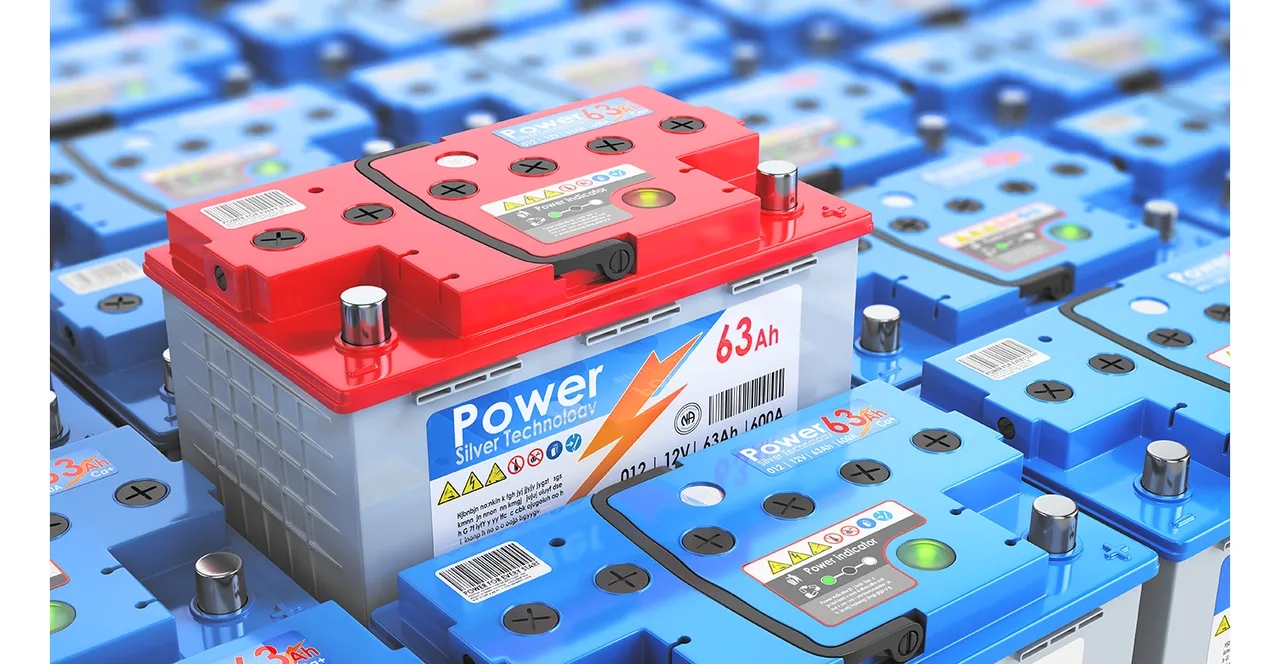
Flooded lead-acid car battery
This is the traditional and most widely used type of lead-acid battery. A flooded lead-acid battery contains a liquid electrolyte that freely flows inside the battery. These batteries require periodic maintenance, such as checking and topping up water levels. They are commonly used in vehicles for starting engines (SLI – Starting, Lighting, Ignition) and in some backup power systems due to their affordability and reliability.
Sealed lead acid battery
Sealed lead-acid batteries are designed to be maintenance-free, meaning you don’t need to add water or perform regular upkeep. They are enclosed and prevent leakage, making them safer and more convenient. These batteries are widely used in UPS systems, emergency lighting, and security systems where consistent and low-maintenance backup power is essential.
A. AGM (Absorbent Glass Mat) batteries
AGM batteries are a type of sealed lead-acid battery where the electrolyte is absorbed into a glass mat separator. This design improves efficiency and durability. AGM batteries offer better vibration resistance, making them ideal for vehicles and rough environments. When comparing AGM battery vs lead acid, AGM batteries are sealed, maintenance-free, and more efficient, while traditional lead-acid batteries require maintenance and use a liquid electrolyte.
B. Gel batteries
Gel batteries use a thick, gel-like electrolyte instead of liquid. This technology reduces the risk of leakage and allows the battery to operate in various orientations. They are particularly suitable for deep-cycle applications, such as solar power systems, mobility devices, and marine use.
Pros and Cons of lead-acid batteries
Pros
Lower upfront cost
Lead-acid batteries are one of the most cost-effective energy storage options available. Their lower initial price makes them accessible for a wide range of uses, from vehicles to backup power systems.
Proven and reliable technology
Lead-acid batteries have a well-established track record. Their performance is predictable, and they are known for delivering consistent power, especially in high-surge applications.
Widely available and recyclable
These batteries are easily available worldwide and have a strong recycling infrastructure. In fact, lead-acid batteries are among the most recycled products, making them relatively environmentally manageable when properly handled.
Simple charging systems
Lead-acid batteries are compatible with straightforward charging methods. They don’t require highly complex battery management systems, making them easier to use and maintain in basic setups.
Cons
Shorter lifespan compared to modern batteries
Lead-acid batteries generally have fewer charge-discharge cycles than newer technologies like lithium-ion, meaning they need to be replaced more frequently.
Heavier and bulkier
Due to their design and materials, these batteries are significantly heavier and larger for the same energy capacity, making them less portable and harder to install in space-constrained environments.
Lower energy density
They store less energy per unit of weight and volume, which limits their efficiency for applications where compact and lightweight power storage is important.
Require regular maintenance (in some models)
Traditional flooded lead-acid batteries need periodic maintenance, such as checking electrolyte levels and adding distilled water. Neglecting this can reduce performance and lifespan.
Modern alternative: Lithium-ion phosphate batteries
As energy needs evolve, many users are shifting from traditional options to more advanced solutions like Lithium Iron Phosphate (LiFePO4) batteries. These batteries are a type of lithium-ion technology designed to offer better performance, safety, and longevity compared to conventional lead-acid batteries.
Key advantages over lead-acid batteries:
Longer lifespan (more charge cycles)
LiFePO4 batteries can typically last 2000–5000 charge cycles or more, far exceeding the lifespan of lead-acid batteries. This makes them a more durable and cost-effective option over time.
Higher energy efficiency
These batteries have higher charge and discharge efficiency, meaning less energy is lost during operation. This results in better overall performance and more usable power.
LiFePO4 batteries can charge much faster than lead-acid batteries, reducing downtime and making them more convenient for both daily and backup use.
Lighter weight
Compared to lead-acid batteries, LiFePO4 batteries are significantly lighter and more compact for the same energy capacity, making them easier to transport and install.
Improved safety and thermal stability
One of the biggest advantages is their enhanced safety. LiFePO4 batteries are less prone to overheating, thermal runaway, or combustion, making them a safer choice for home and portable energy systems.
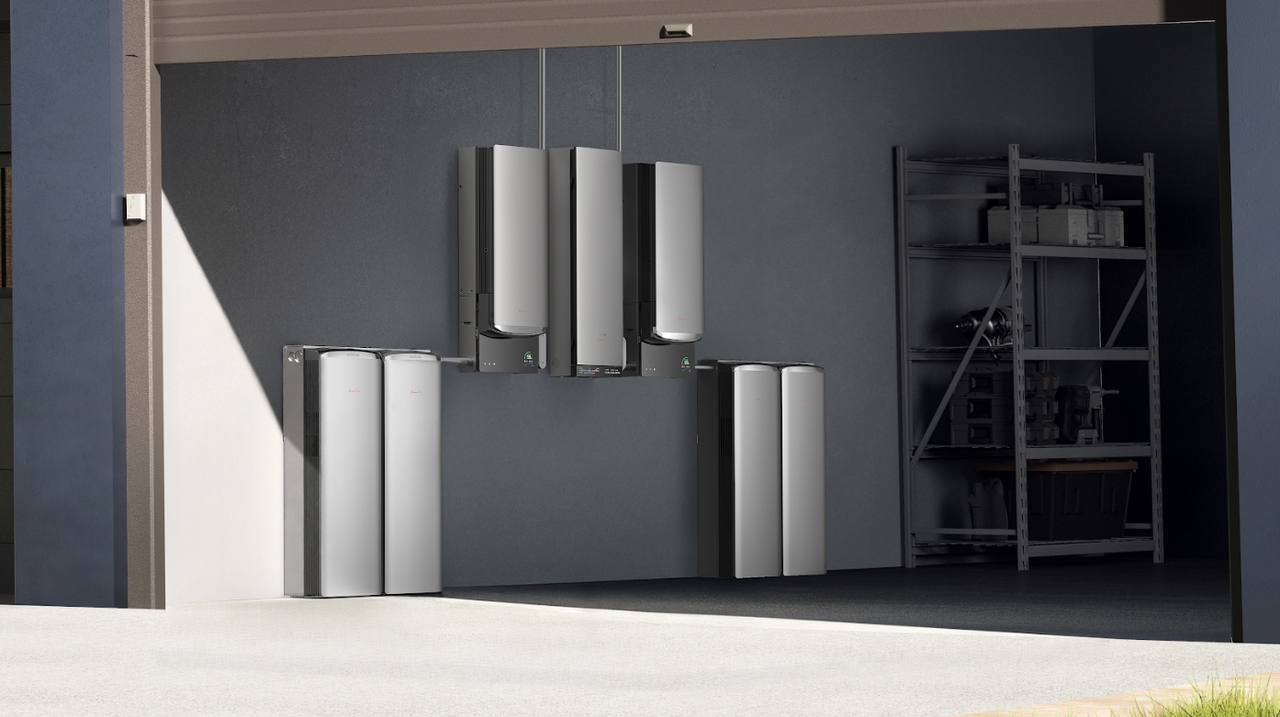
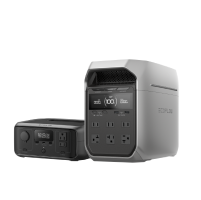
Looking for the real-time example of LiFePO4? EcoFlow Ocean Pro is a good choice for you. Based on Lithium Iron Phosphate (LiFePO4) battery technology, it offers a durable, safe alternative to lead-acid systems. While lead-acid systems typically last only 300–800 cycles, they can deliver 3,000–6,000 cycles, offering a 10–15-year lifespan, providing more reliable power for backup or your daily use.
Conclusion
Lead acid battery technology has long been a dependable and cost-effective solution for energy storage, widely used in vehicles, backup systems, and everyday applications. While it remains reliable, its limitations, such as shorter lifespan, heavier design, and lower efficiency, make it less ideal for modern energy demands. In comparison, Lithium Iron Phosphate (LiFePO4) batteries offer significant improvements, including longer lifespan, higher energy efficiency, faster charging, and enhanced safety. Smart systems like Ocean Pro highlight how energy storage is evolving, combining advanced LiFePO4 battery technology with real-time monitoring and intelligent power management. Schedule your free consultation today and enjoy reliable, future-ready solutions for both your home and everyday energy needs.
Get Your Free Home Energy Consultation!
Which energy solution are you interested in?
FAQs
Which is better, AGM battery or lead acid?
AGM (Absorbent Glass Mat) batteries are generally better than traditional flooded lead-acid batteries because they are maintenance-free, more efficient, and offer better performance in terms of durability and charging. However, they are more expensive, so standard lead-acid batteries may still be preferred for budget-friendly applications.
Are lead-acid batteries allowed on planes?
Lead-acid batteries are typically restricted on planes due to safety concerns, especially spillable (flooded) types. However, sealed lead-acid batteries may be allowed under specific airline and regulatory guidelines, usually with proper packaging and approval. It’s always important to check with the airline before traveling.
What is the lifespan of a lead-acid battery?
The average lifespan of a lead-acid battery ranges from 3 to 5 years, depending on usage, maintenance, and environmental conditions. Deep-cycle batteries may last longer if properly maintained and not frequently over-discharged.
What are the main disadvantages of lead-acid batteries?
The main drawbacks include a shorter lifespan compared to modern batteries, a heavy and bulky design, lower energy density, and the need for regular maintenance in some types. They are also less efficient and slower to charge, which is why solutions like Ocean Pro uses a smarter alternative, LiFePo4 battery, to provide a more efficient and low-maintenance option for today’s energy needs.
Can a dead lead-acid battery be revived?
In some cases, a dead lead-acid battery can be partially revived using techniques like slow charging or desulfation, especially if the damage is due to sulfation. However, if the battery is severely degraded or damaged, it usually cannot be fully restored and may need replacement.

