
Everything You Need to Know About the J1772 Connector
If you are new to the world of electric vehicles (EVs), you have likely encountered the term J1772 connector. This plug is the industry standard for alternating current (AC) charging across North America. It is absolutely essential for powering the vast majority of electric vehicles on the road today.
Buying an electric vehicle changes how you think about "refueling." Instead of driving to a gas station once a week, your own home becomes your primary fuel source. Because of this major shift in daily habits, understanding how these charging connectors work is very important. You need to know their charging capabilities. You also need to understand how they impact your home's total electrical load.
In this complete guide, we will explore the exact specifications of this standard plug. We will look closely at the design and explain why it is so safe to use. We will compare it to other popular plug types you might see at public charging stations in your city. Finally, we will discuss how to safely support your home EV charging infrastructure using modern, intelligent energy solutions.
Understanding the SAE J1772 Connector
When you look at an EV charging cord, you are looking at a carefully designed piece of modern technology. The SAE J1772 connector was created with driver safety, durability, and universal access in mind. It is not just a simple plug; it is a smart device that talks to your car.
What it is: The Society of Automotive Engineers (SAE) developed this standard many years ago. They are a large group of global experts who create rules and designs for the automotive world. Years ago, they noticed a big problem. Different car makers were experimenting with their own unique plugs. This caused a lot of confusion for drivers. Imagine if every gas station had a different shape for the fuel pump handle. You would never know if you could fuel up your car.
To solve this, the SAE stepped in and created one universal design for North America. Today, almost every public AC charging station uses this specific plug shape. This makes finding a place to charge very easy and stress-free.
The 5-Pin Design: If you look closely at the end of the plug, you will see a specific anatomy. It features a unique 5-pin design that ensures power only flows when the plug is securely connected. This is a brilliant safety feature.
Two AC Power Pins: These are the two larger pins. They carry the actual heavy electricity from the charging station into your vehicle's battery.
One Ground Pin: This acts as an essential safety feature. It protects you and the vehicle from electrical shocks or sudden power surges from the power grid.
One Proximity Pilot: This pin does a very important safety job. It tells your vehicle that the plug is physically connected to the car. Because of this pin, your car's computer will prevent you from accidentally putting the car in "Drive" and pulling away while still plugged into the wall.
One Control Pilot: This pin acts as the "brain" of the operation. It communicates directly with the car to negotiate the charging speed. It tells the vehicle exactly how much electricity the station can safely provide without causing a fire or tripping a breaker.
Level 1 vs. Level 2: Standard J1772 connectors facilitate both Level 1 and Level 2 charging setups. Level 1 charging uses a standard 120V household outlet, just like your television or a lamp. It is very slow but highly accessible. Level 2 charging uses a 240V outlet. This is similar to the heavy-duty outlet your electric clothes dryer uses. You will find Level 2 setups at most public stations and in upgraded home garages. For more information on finding public charging networks in your area, you can visit the Alternative Fuels Data Center.
Charging Speeds of a Type 1 SAE J1772 Charger Connector
Understanding how fast your vehicle will charge is critical for planning your daily life. The charging speed depends entirely on the power source and the charging equipment you choose to use.
Power Delivery: Let's detail the exact wattage and speed differences between the two main charging levels. This will help you decide what equipment you need at home.
Level 1 Charging: This method provides about 3 to 5 miles (4.8 to 8 kilometers) of driving range per hour. It usually tops out around 1.4 kW of power. If you only drive 10 miles (16.1 kilometers) a day, charging overnight with a Level 1 plug might be enough for you. However, if you have an empty battery, it can take two full days to recharge completely.
Level 2 Charging: A dedicated type 1 SAE J1772 charger connector on a 240V Level 2 circuit is much faster and more practical. It can deliver anywhere from 12 to 80 miles (19.3 to 128.7 kilometers) of range per hour. This speed depends heavily on the electrical amperage of your home's circuit. A high-powered Level 2 station can deliver up to 11.5 kW to 19.2 kW of power. This is enough to fully charge almost any EV battery from empty to full while you sleep.
Cable Length and Safety: Safety is a huge priority when handling high amounts of electricity every single day. Standard EV charging cables are typically 16 to 25 feet (4.8 to 7.6 meters) long. This specific length gives you plenty of flexibility to reach your vehicle's charge port, regardless of how you park in your garage or driveway. It prevents you from having to stretch the cord, which can damage the wires inside.
These cables are built very tough. They incorporate thermal temperature sensors inside the plug head. If the plug starts getting too hot during a long summer charging session, the sensors will tell the charger to slow down the power delivery. If the handle gets dangerously hot, the system will completely shut off the power. This prevents overheating, melting, or serious fire hazards.
J1772 vs. NACS and CCS
As electric vehicles become more popular, charging technology continues to grow and evolve. You might hear about other acronyms when researching EV chargers. It is important to know how the standard plug compares to these newer designs so you are not confused at public stations.
Comparing Standards: The standard J1772 plug only provides alternating current (AC) power. This is great for home use, but it is too slow for road trips. The industry is currently seeing a large shift. The North American Charging Standard (NACS) is becoming more widespread among major automakers. The NACS plug is smaller. Its main benefit is that it can handle both regular AC charging and high-speed DC fast charging in one single, compact design.
Another standard you will see frequently is CCS (Combined Charging System). A CCS plug is simply a standard J1772 plug with two extra, large pins attached to the very bottom. These bottom pins are used exclusively for extremely fast DC charging along major highways. If your car has a CCS port, you can still plug a normal J1772 cord into the top half for regular home charging.
Using Adapters: Do not worry if your vehicle has a different port type than the charging station you visit. Drivers can easily use adapters to cross-charge between different port types safely. For example, if you buy a brand new vehicle with an NACS port, you can still use a standard home charger. A customized SAE J1772 connector solution—like a simple, heavy-duty plug adapter—allows drivers of newer or different-standard EVs to seamlessly utilize widespread public stations. Keeping an adapter in your trunk makes the charging ecosystem flexible and highly valuable for older and newer EV models alike. Don't just charge your car—power your entire life. If you are ready to future-proof your home and take control of your electricity bills, schedule your free consultation today! Let's get your energy independence started.
Get Your Free Home Energy Consultation!
Which energy solution are you interested in?

How to Ensure Reliable EV Power at Home
Charging an electric vehicle at home is incredibly convenient. However, it also requires smart energy management. A Level 2 charger pulls a massive electrical load every time you plug in. This high demand can quickly increase your monthly utility bills and put stress on your home's power grid.
A high-quality 11.5kW Level 2 setup, such as the EcoFlow OCEAN EV Charger, eliminates the long wait times of basic Level 1 charging while actively lowering your costs. It pairs easily with standard charging ports to deliver fast power to your vehicle with several smart benefits:

Intelligent Time-of-Use Optimization: Using smart energy modes, the system automatically shifts your overnight charging sessions to off-peak hours when electricity is cheapest, reducing your bills effortlessly.
Fast Daily Commute Prep: It delivers efficient power smoothly so you wake up every single morning with a fully charged battery, ready for the day.
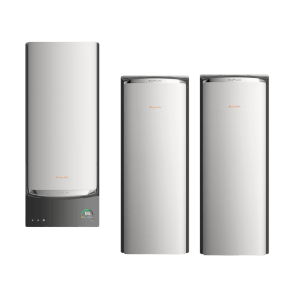
Seamless Battery Integration: For ultimate home resilience, the charger integrates flawlessly with whole-home backups like the EcoFlow OCEAN Pro (offering 24kW output and up to 80kWh capacity), ensuring your vehicle continues to charge even during grid outages.

Troubleshooting Common J1772 Charging Issues
If your car refuses to charge, most J1772 charging connector issues are easy to fix right in your garage.
Communication Pin Faults: The connector uses the control pilot pin to "talk" to the car. Dirt or debris in the small pin holes interrupts this digital signal. You can safely clear dirt using compressed air.
Latch and Tension Problems: The physical latch on the plug must click securely into the car's port. The heavy weight of Level 2 cables can pull down on the handle. If the latch is loose, the car will not charge.
Reading Station Error Codes: If a home or public station displays a red fault light, check your home's main electrical panel for a tripped breaker switch. If the breaker is fine, try resetting the station by unplugging it for one minute.
Conclusion
Switching to an electric vehicle makes home charging your new normal. The J1772 plug remains the reliable charging standard for North American drivers. By understanding its charging speeds, safety features, and adapters, you can confidently use any station.
Investing in smart energy management and reliable Level 2 chargers ensures your car is always ready. With the right setup, you can fully enjoy electric driving while keeping your energy costs low and your home's power supply secure.
FAQs
1. Is J1772 the same as Type 1?
Yes, the J1772 plug is commonly called the Type 1 connector. It is the standard plug for Level 1 and Level 2 AC electric vehicle charging across North America and Japan. It ensures universal compatibility for AC charging at home and public stations.
2. What is the maximum charging speed for a SAE J1772 connector?
A standard Level 2 J1772 connection can deliver up to 19.2 kW of power at 80 amps. This power level generally provides about 40 to 60 miles (64.3 to 96.5 kilometers) of driving range per hour of charging, depending on your vehicle's overall efficiency.
3. How do I protect my charging equipment from weather?
Always holster your connector after use. While modern equipment, such as the EcoFlow OCEAN EV Charger, is highly weather-resistant, keeping it out of deep puddles or thick snow ensures long-term safety and keeps the pins clean.
4. Is the SAE J1772 the same as CCS?
No. The SAE J1772 is exclusively for AC charging. CCS (Combined Charging System) uses the standard J1772 top but adds two large pins at the bottom for high-speed DC fast charging. Most modern EVs support CCS, meaning they can accept both plugs.
5. How long does J1772 take to charge?
Charging time varies completely by your battery size and the charger's power output. A basic Level 1 charger takes 12 to 20 hours for a full charge. A Level 2 J1772 charger is much faster. It typically completes a full EV battery charge in just 4 to 8 hours.

