
Hurricane Damage Explained: Causes, Costs, and Strategies
When a severe storm approaches the coast, homeowners often wonder exactly what damage a hurricane can cause and how it will impact their families. From shattering winds to overwhelming floodwaters, the physical and financial toll can be devastating. Understanding the specific threats is the first step toward effective preparation. In this article, we will break down the primary hazards, explore the real-world consequences on infrastructure, and outline actionable strategies, such as upgrading your structural defenses and investing in a reliable home battery backup to keep your property safe and powered when the grid fails.
What Damage Can a Hurricane Cause to Coastal and Inland Areas?
To fully comprehend the destructive power of a tropical cyclone, it helps to look at the three primary forces that define a storm's impact. Each element brings a unique type of destruction to both coastal towns and inland cities.
High-Velocity Wind Hazards
Extreme winds define a tropical storm. Winds over 150 mph (241 km/h) cause immediate, catastrophic structural damage. At these speeds, the wind does more than just push against a house. It creates intense pressure differences that can physically lift roofs off their framing. High winds also turn unsecured yard items into dangerous projectiles. A metal lawn chair moving at 100 mph can easily shatter glass. Once a window breaks, wind pressurizes the home's interior. This sudden pressure can quickly blow out walls and collapse the ceiling.
Coastal Storm Surge
Wind looks terrifying, but the coastal storm surge remains the deadliest hurricane hazard. Powerful winds push massive amounts of seawater onto the shore. This creates a dome of water that rapidly floods low-lying areas. Water is incredibly heavy. It weighs about 1,700 pounds per cubic yard. As a surge moves inland, it acts like a giant bulldozer. It erodes beaches and forcefully sweeps houses off their concrete foundations. Property owners wanting better protection often invest in reliable emergency power solutions to maintain resilience during the long blackouts these floods cause.
Torrential Rainfall and Inland Flooding
Living far from the beach does not guarantee safety. Torrential rainfall actually ranks as the costliest hazard. Massive tropical systems hold enormous amounts of moisture. When these storms stall over a region, they can drop several feet of rain in just a few days. This triggers severe inland flooding hundreds of miles away from the coast. The sudden deluge easily overwhelms rivers and urban drainage systems. Fast-rising floodwaters destroy vehicles, ruin household appliances, and cause widespread environmental contamination as sewers overflow.
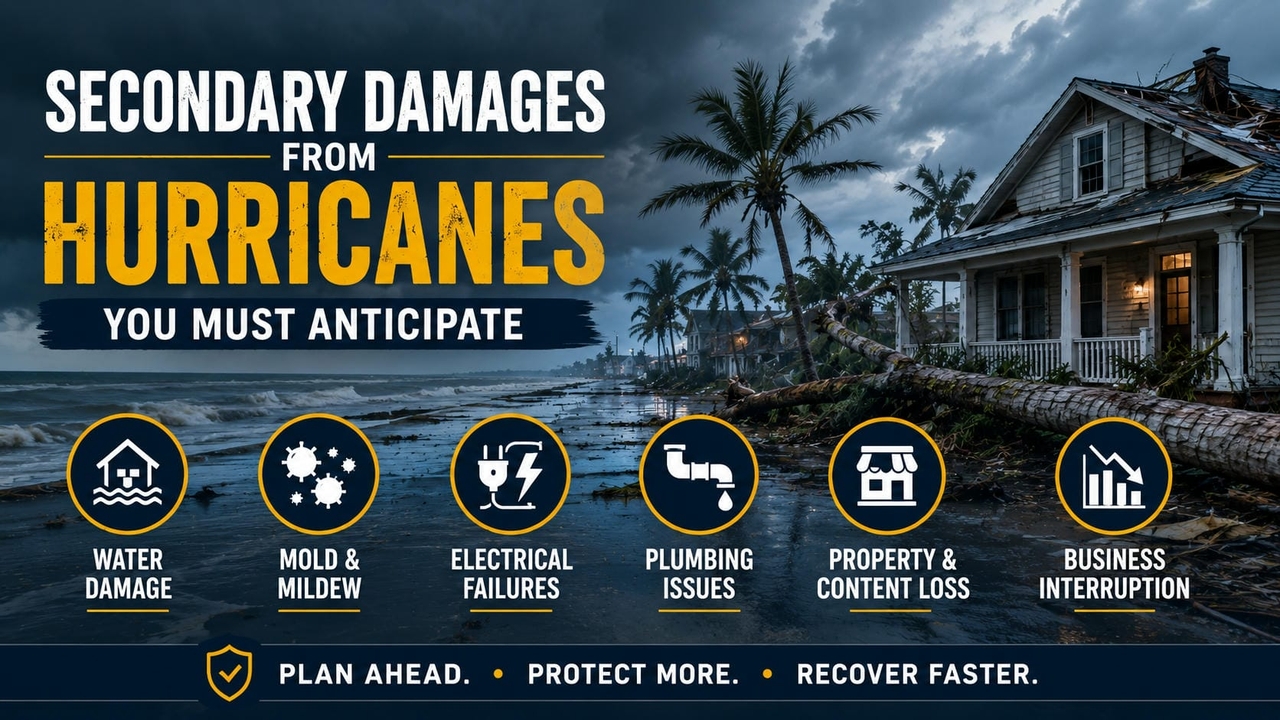
Secondary Damages from Hurricanes You Must Anticipate
The initial impact of the storm only tells half the story. Compound risks follow the heavy winds and rain, creating a complex web of hazards that complicate the recovery process. People must anticipate these secondary effects to stay safe in the days following the event.
Isolated Tornado Outbreaks
As the outer edges of a tropical system sweep across the land, the atmosphere becomes highly unstable. These strong rainbands frequently spawn numerous tornadoes. While these tornadoes are generally smaller in scale compared to those found in the Midwest, they still cause localized but extreme destruction. A neighborhood might survive the main hurricane wind, only to be completely leveled by a sudden, hidden tornado buried inside a heavy rain squall.
Compromised Utilities and Grid Failures
Modern society relies heavily on uninterrupted electricity. Unfortunately, intense storms snap utility poles, uproot massive trees onto power lines, and flood electrical substations. This leads to widespread, extended power outages.
Widespread Debris and Blocked Access
After the skies clear, the ground is usually covered in hazardous materials. Scattered debris, downed power lines, and flooded roads block access to heavily affected neighborhoods. This massive accumulation of wreckage delays emergency response vehicles and complicates immediate recovery efforts. Fire trucks and ambulances simply cannot navigate streets choked by splintered pine trees and sunken boats.
Estimating What Destruction Hurricanes Cause by Category
Meteorologists use the Saffir-Simpson Hurricane Wind Scale to categorize a storm's intensity. According to the NOAA Saffir-Simpson Hurricane Wind Scale, providing a clear breakdown of potential damage helps residents quickly visualize the escalating risks. Keep in mind that this scale only measures wind speed, not the potential for flooding or storm surge.
Category | Sustained Winds | Expected Hurricane Damage Profile |
|---|---|---|
Category 1 | 74-95 mph (119-153 km/h) | Minor damage to roof shingles, vinyl siding, and gutters; large branches snap, causing isolated power outages. |
Category 2 | 96-110 mph (154-177 km/h) | Major roof and siding damage; many shallow-rooted trees uprooted; near-total power loss lasting days. |
Category 3 | 111-129 mph (178-208 km/h) | Devastating damage to well-built homes; electricity and water unavailable for days to weeks. |
Category 4 | 130-156 mph (209-251 km/h) | Catastrophic damage; loss of roof structure and exterior walls; area uninhabitable for weeks. |
Category 5 | 157 mph or higher (252 km/h or higher) | Total roof failure and wall collapse; catastrophic destruction isolating communities for months. |
Strategies to Safeguard Your Property Against Storm Impacts
Understanding the threats is only useful if it leads to proactive preparation. Implementing actionable solutions allows property owners to mitigate risks. Reinforcing homes and ensuring operational continuity helps families weather the storm with minimal disruption.
Reinforcing Structural Defenses
High winds easily exploit the weak points in a home's outer envelope. When deciding how to prevent damages from hurricanes, focusing on the exterior structure proves vital. Upgrading to impact-resistant storm shutters protects fragile glass from flying yard debris. Reinforcing roof-to-wall connections with heavy-duty metal hurricane clips significantly reduces the risk of massive structural failure.
Additionally, clearing the yard of unanchored furniture, potted plants, and loose decorations prevents these items from becoming airborne projectiles. Trimming weak tree branches away from the roofline also limits the amount of heavy debris that can crash through the ceiling during peak wind gusts.
Maintaining Essential Power During Grid Failures
Sustaining electricity remains critical for preserving frozen food, operating essential medical devices, and running climate control when local utility lines are utterly destroyed. When the grid goes down for days or even weeks, a robust backup system prevents secondary financial losses and maintains a habitable, safe environment for the family.
Integrating a highly scalable home battery system like the EcoFlow OCEAN Pro Solar Battery System provides up to 24kW of continuous whole-home backup power. This amount of energy easily and seamlessly runs demanding residential loads, such as a heavy-duty 5-ton (roughly 17.6 kW cooling capacity) HVAC unit. With a highly expandable capacity ranging from a base of 10kWh up to a massive 80kWh, it ensures a household stays comfortably powered throughout extended, multi-day outages. Furthermore, the system utilizes a specialized Intelligent Mode specifically designed to optimize energy consumption over long periods, stretching the battery life when it matters most.
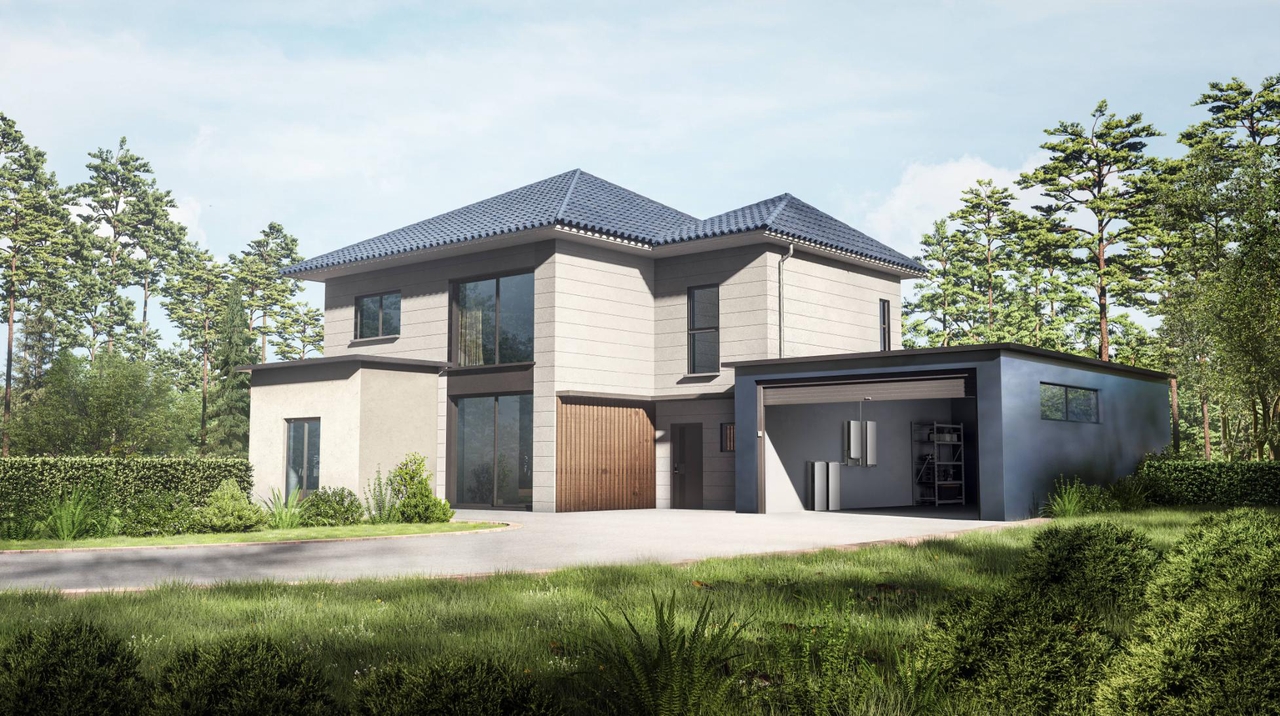
When temperatures dangerously spike following a massive summer storm, running the air conditioning becomes a strict matter of health and safety. Relying on a comprehensive backup battery means families do not have to abandon their homes due to suffocating heat while waiting for utility companies to finally repair downed lines. Once wired directly into the home electrical panel, these advanced systems create a smooth, instantaneous transition the very moment the neighborhood grid fails.
Get Your Free Home Energy Consultation!
Which energy solution are you interested in?

Are you ready to resolve your uncertainty about home battery backups? We can help protect your modernized historic property or newly built home from the unpredictable nature of severe weather. Request a consultation today to find the perfect, customized energy solution for the household.
Establishing a Family Evacuation and Survival Plan
Physical home preparations must always be paired with a clear, well-communicated logistical strategy. Establishing distinct evacuation routes well ahead of time saves precious minutes when local authorities issue mandatory evacuation orders.
Create a reliable communication plan that specifically accounts for potential cell tower outages. Text messages often go through when voice calls fail. Finally, assemble a comprehensive survival kit heavily stocked with non-perishable food, gallons of bottled water, flashlights, extra batteries, and essential first-aid supplies.
Elevating and Waterproofing Vulnerable Areas
To combat the devastating effects of storm surges and torrential inland flooding, property drainage is key. Ensure the home’s drainage systems, street grates, and roof gutters are completely clear of leaves and debris well before the storm hits.
Inside the home, elevating major ground-floor appliances—like washing machines, dryers, and water heaters—can save thousands of dollars in replacement costs. Installing professional-grade sump pumps equipped with backflow valves dramatically mitigates severe interior water damage during sudden flash floods.
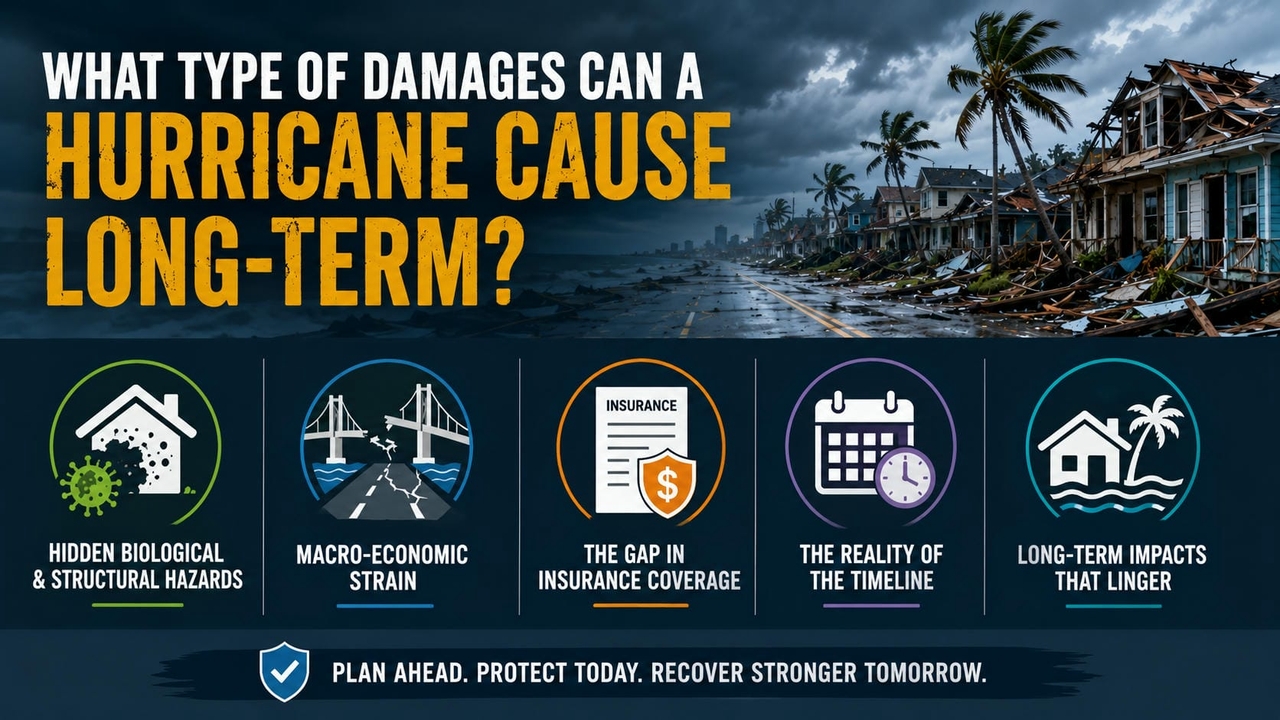
What Type of Damages Can a Hurricane Cause Long-Term?
The struggle continues long after the storm passes. Asking what type of damage a hurricane can cause down the road reveals hidden costs. These silent expenses quietly drain bank accounts and stall community progress for years.
Hidden Biological and Structural Hazards
Water trapped inside a house creates problems long after the storm. Moisture festering behind drywall sparks severe mold growth within just 48 hours. Fixing black mold requires expensive professional help. Left ignored, these biological hazards often trigger lasting respiratory issues. Beyond health concerns, standing water rots wooden frames and rust metal supports. This quietly weakens the structural integrity of the entire building over time.
Macro-Economic Strain on the Community
Hurricane destruction stretches far past individual front yards. The local economy takes a massive hit. Rebuilding shattered roads, collapsed bridges, and snapped electrical grids drains municipal budgets fast. Fixing contaminated water systems takes months. Because of these massive public costs, local taxes frequently rise. At the same time, regional property values temporarily drop. This combination places extreme financial pressure on the entire community.
The Gap in Insurance Coverage
Uninsured losses create a heartbreaking reality for many storm victims. Standard homeowners policies usually cover wind damage. Yet, they almost universally exclude floods. Without a separate flood insurance policy, property owners pay for storm surge and inland flooding damage entirely out of pocket. This massive coverage gap pushes countless families toward financial ruin long after the weather clears.
The Reality of the Timeline
Hurricane recovery rarely finishes in a few months. It is a grueling, multi-year marathon. Fighting with insurance adjusters and waiting for backlogged contractors exhausts personal finances and community morale. Understanding this timeline helps set realistic expectations for the long road ahead.
Conclusion
Understanding exactly what damage do hurricanes cause allows communities to better prepare for the worst nature has to offer. From the immediate destruction brought by 150 mph winds and surging ocean waters to the long-term economic strain and hidden mold hazards, the threats are vast and complex. However, implementing strong defensive strategies greatly improves the odds of survival. By reinforcing roofs, securing windows, establishing clear evacuation plans, and investing in a powerful home battery backup system, properties can weather the storm. Proper preparation transforms a potentially catastrophic event into a manageable, albeit difficult, challenge.
FAQs
What types of damage can a hurricane cause?
Hurricanes cause immense destruction through extreme winds, massive storm surges, and dangerous inland flooding. These elements routinely destroy residential roofs, shatter glass windows, and forcefully submerge entire neighborhoods under feet of water.
What damage do hurricanes cause to infrastructure?
Severe tropical storms snap massive utility poles, wash away local roads, and completely overwhelm city water treatment plants. Prolonged grid failures occur often, which is why having an EcoFlow Ocean Pro installed keeps homes safely powered for days.
What are the five effects of a hurricane?
The five primary effects include high-velocity wind damage, coastal storm surges, torrential rainfall leading to floods, isolated tornado outbreaks, and long-term utility grid failures that severely disrupt daily life and community emergency services.
How can I prevent damages from hurricanes?
Securing impact-resistant shutters, clearing loose yard debris, and reinforcing roof connections help immensely. Furthermore, installing a scalable home battery backup prevents secondary food spoilage and interior heat damage when local power inevitably fails.
What destruction do hurricanes cause inland?
Inland areas primarily suffer from torrential tropical rains that quickly swell rivers and overwhelm municipal drainage systems. This results in catastrophic, fast-moving flooding that ruins unprotected homes and local businesses far away from the coast.

