
How to Prepare for a Tornado: Complete Safety & Prep Guide
As the season for severe weather approaches, many homeowners wonder how to prepare for a tornado event. Preparation is key, from having an emergency plan in place to dependable back-up power. A reliable smart home battery backup solution is an investment that can help keep your household safe and connected when the grid goes down during or after a storm. This guide covers everything about tornado risks, common signs, and safety measures. Here's how to get prepared for a tornado.
Understanding tornado risks: What should you know
What is a tornado?
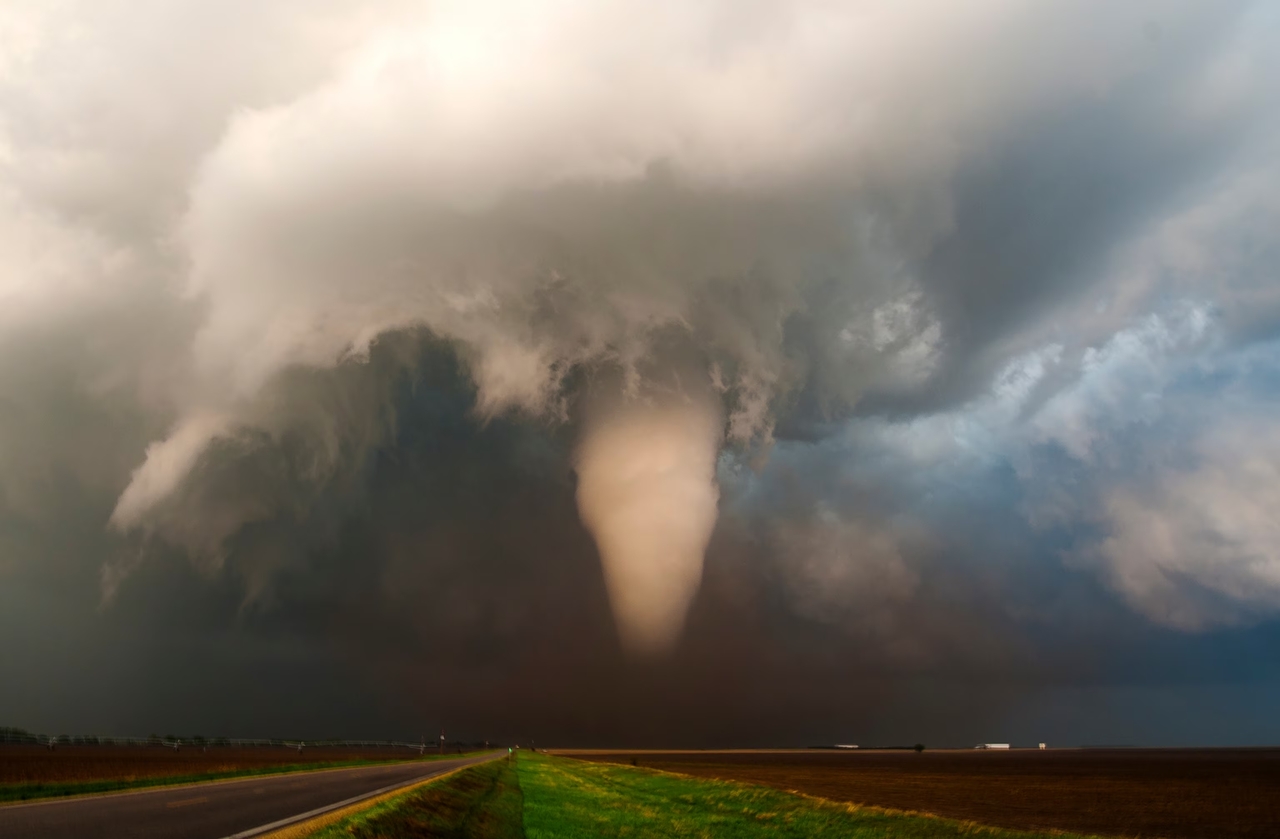
A tornado is a violently rotating column of air extending from a thunderstorm to the ground. These powerful weather events can produce extremely strong winds that are capable of damaging buildings, uprooting trees, and throwing debris long distances. Most tornadoes form from severe thunderstorms called supercells. Warm moist air meets cool dry air, causing an increase in atmospheric instability.
Common tornado-prone regions in the U.S.
Several regions experience tornadoes more frequently than others:
Tornado Alley: Texas, Oklahoma, Kansas, Nebraska, and Iowa.
Dixie Alley: Mississippi, Alabama, Louisiana, Tennessee, and surrounding states.
Portions of the Midwest and Southeast also experience significant tornado activity annually.
When is tornado season?
Tornado activity tends to peak in certain seasons, but this varies by region. Tornadoes are caused by the interaction of warm and cool air masses, and seasonal patterns in weather influence this interaction.
Peak tornado months by region
Southern Plains: April through June
Central Plains: May through July
Southeast: March through May, with a secondary fall season in some areas
Upper Midwest: June through August
Although tornado activity peaks during certain months, tornadoes can develop at any time when conditions are favorable. The warm, moist air, instability of the atmosphere, and strong wind patterns can occur any time of the year, so awareness is important year-round.
Common tornado warning signs
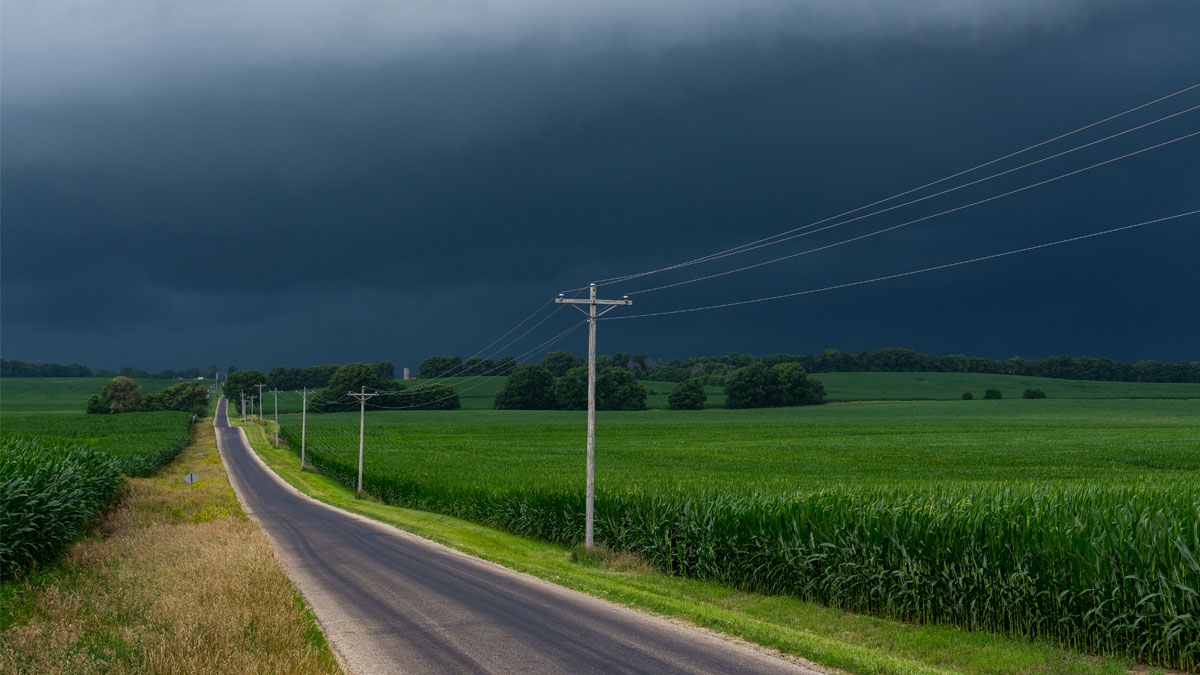
Dark or greenish sky
A dark or greenish sky can signal severe thunderstorm conditions capable of producing large hail and tornadoes. While not a definitive indicator on its own, this unusual sky color should prompt you to monitor weather alerts closely and be ready to take shelter immediately.
Large hail
Severe atmospheric conditions can be indicated by large hail produced from strong thunderstorms. Hail is an important warning sign to take seriously because storms that produce large hail often have the powerful updrafts needed to spawn tornadoes.
Rotating cloud formations
If you see clouds beginning to rotate, especially close to the bottom of a thunderstorm, it could be the start of a tornado. If you see funnel-shaped clouds stretching to the ground, it's an obvious sign that you need to seek shelter immediately.
Loud roaring sound similar to a freight train
Many survivors of tornadoes speak of hearing a continuous roar, like a freight train or jet engine. This is a sound you may hear even when the tornado is obscured by rain or darkness. If you hear a strange roaring sound in severe weather, get to shelter right away, don't wait for visual confirmation.
How can you be prepared for a tornado: Safety tips
Create a tornado emergency plan
Tornadoes can strike with little warning, and it's important for every household to have an emergency plan. Family members need to know where to shelter, how to communicate if separated, and what to do when a warning is issued. Regular drills can help ensure that everyone reacts quickly and confidently in the event of an actual emergency.
Important steps are as follows.
One of the most-common tornado safety tips is to identify the safest location in your home for shelter, such as a basement, storm shelter, or interior room on the lowest floor.
Develop communication plans for family members.
If your home is an unsafe place, plan evacuation routes.
Conduct regular tornado drills.
Build a tornado emergency kit
After a tornado, emergency responders may not be able to reach affected areas immediately. A well-stocked emergency kit keeps your household safe and self-sufficient for the first few days following a disaster. Store supplies in an easily accessible location and check them periodically to replace expired items.
Recommended items include:
Drinking water
Non-perishable food
Flashlights
Extra batteries
First-aid supplies
Prescription medications
Personal hygiene items
Emergency blankets
Stay informed before the severe weather strikes
Timely information can make a difference in severe weather events. For one, if you monitor forecasts and get emergency alerts, you can react quickly when conditions become dangerous. Having multiple alert sources means you can be kept in the loop, even if one communication method goes down.
NOAA Weather Radio
NOAA Weather Radio broadcasts official Weather Service warnings, watches, and forecasts 24 hours a day. It doesn't rely on the internet and cellular networks and remains one of the most reliable ways to get warnings in severe weather.
Emergency alert apps
Weather and emergency alert apps, like AccuWeather and FEMA, push real-time alerts straight to your smartphone. They can provide location-based alerts, storm tracking information, and safety instructions to help you make quick and informed decisions.
Secure outdoor items
Objects outside can become deadly projectiles in tornado-force winds. Even light items such as patio chairs, garden tools, garbage cans, and decorative ornaments can be hurled at high speeds and cause injury to people and damage to property.
Before the severe weather arrives, scan your yard and outdoor areas for any loose items and bring them inside or tie them down. These precautions will minimize debris in the air during a storm, protecting your home and those around you.
Reinforce vulnerable areas
While no building is completely tornado-proof, reinforcing vulnerable areas of your home can make it more resistant to severe weather and damage. Areas such as windows, doors, roofs, and garages are often the most vulnerable due to high winds and flying debris.
Homeowners can boost their protection by installing impact-resistant windows, reinforcing garage doors, upgrading roof connections and ensuring structures meet local building codes. These upgrades not only help prevent storm damage, but they can also improve overall home safety and resilience.
Arrange backup for tornado power outages
Tornadoes routinely cause power outages that can last for hours or days following the storm. A reliable backup power solution can help keep critical appliances and systems running, including lighting, refrigerators, communication devices, and home security systems.
For homeowners looking for a reliable backup solution for the entire home, the EcoFlow Ocean Pro delivers advanced energy storage and smart power management capabilities. The system provides 24kW of continuous power capable of simultaneously powering large household loads such as HVAC, refrigerators, water pumps, and other critical appliances.

The modular battery storage starts at 10 kWh and can be expanded to 80 kWh, allowing homeowners to customize backup capacity to their energy needs and expected length of outages. The Ocean Pro can handle up to 40 kW of solar input, so you can take advantage of and store a lot of solar power to help recharge your batteries and give you longer backup power during prolonged emergencies.
Conclusion
Tornado preparedness is not just about reacting to a warning. It is about planning ahead to protect your family, your home, and your essential resources. Equally important is planning for sustained power outages with reliable backup power options to keep essential equipment and systems operational during grid failures.
Regularly revisiting your emergency plan, updating supplies, staying weather-aware, and having reliable backup power available can help you enter tornado season with greater confidence and resilience. Why wait? Request a consultation today and get ready to handle the tornado season stress-free.
Get Your Free Home Energy Consultation!
Which energy solution are you interested in?

FAQs
What are the 5 steps to prepare for a tornado?
There are many things you can do to prepare for a tornado before severe weather approaches. First, develop a tornado emergency plan that identifies safe shelter locations. Second, build a well-stocked emergency kit that includes basics. Third, keep up to date by watching weather forecasts and signing up for emergency alerts from reliable sources. Fourth, secure any outdoor items and reinforce vulnerable areas of your home to minimize the risk of damage from high winds and flying debris. Lastly, ensure that you have a reliable power source backup that can power critical appliances.
How to 100% survive a tornado?
There is no way to guarantee that you will survive a tornado 100%. But, your chances of staying safe are greatly increased if you can immediately get inside a basement, storm shelter, or small interior room on the lowest floor of a sturdy building. He said it was important to heed official warnings and act fast.
How much water should I store for tornado emergencies?
As a general rule, emergency preparedness guidelines suggest having at least one gallon of water per person, per day, for a minimum of three days. Pet owners, those with medical needs or concerns about prolonged outages, may store extra supplies.
What to never do during a tornado?
Certain actions you take during a tornado can greatly increase your risk of injury or death. Stay away from windows, glass doors, and outside walls at all times. Flying debris and broken glass can cause serious injury. Do not shelter under highway overpasses, as they can create dangerous wind tunnel effects instead of protection.
If you are in a mobile home during a tornado warning, do not stay there. Immediately go to a nearby sturdy building or a designated community tornado shelter, as mobile homes offer little protection even when tied down.
What is the difference between a tornado watch and a tornado warning?
A tornado watch means conditions are favorable for the development of tornadoes, and you should remain alert and be ready to act. A tornado warning means that a tornado has been spotted by trained weather spotters or indicated by radar, and you should take cover immediately.

