
2026 Breakdown: How Much Do Solar Panels Cost in Arizona?
Arizona has an incredible natural resource right overhead. The state enjoys over 300 days of sunshine every single year. This makes the Grand Canyon State prime real estate for generating renewable energy. However, living in the desert comes with a harsh reality. Arizonians run their air conditioning systems almost year-round to stay comfortable. Most households use between 1,114 and 1,200 kWh per month.
As utility rates continue to climb, keeping a home cool is getting incredibly expensive. If you are tired of unpredictable summer utility bills, you are likely wondering: How much do solar panels cost in Arizona?
While installing a home solar array requires a real upfront financial commitment, it is highly lucrative in the long run. State incentives and high energy production combine to make the investment pay off. This guide covers everything you can expect in 2026. We will look at current cost averages, a complete Arizona policy and incentive guide, and return on investment calculations. We will also explore top-tier equipment home battery and solar solutions, and answer the most common questions homeowners have.
The Average Cost of Solar Panels in Arizona in 2026
The price of a residential solar installation is generally measured by the "cost per watt." In 2026, the solar panel cost Arizona residents can expect ranges between $2.14 and $2.79 per watt. This pricing is notably lower than the national average, making the local market highly competitive. Evaluating the prices of essential solar panel components allows families to understand baseline pricing before signing a contract.
However, the overall size of your system greatly impacts the final bill. Because Arizonans use more electricity to combat extreme summer heat, they typically need larger equipment setups than people in cooler climates. The national average system size is around 7 kW to 9 kW. In contrast, the average Arizona homeowner requires an 11.5 kW to 13.46 kW system to achieve a 100% electricity offset.
To help you visualize the expenses, here is a look at the estimated total costs before and after applying the Arizona Residential Solar Energy Tax Credit.
Average Solar Costs by System Size
System Size | Average Cost (Before Incentives) | Average Cost (After AZ State Credit) | Estimated Home Size |
|---|---|---|---|
3 kW | $7,401 | $6,401 | Very Small Home / Cabin |
5 kW | $11,214 to $15,150 | $10,214 to $14,150 | Small Home |
8 kW | $18,500 | $17,500 | Medium Home |
10 kW | $21,372 to $22,429 | $20,372 to $21,429 | Large Home |
11.5 kW | $25,120 | $24,120 | Typical AZ Suburban Home |
13.46 kW | $30,181 | $29,181 | AZ Average Home (Full Offset) |
This table provides a simple baseline. A customized quote based on your actual energy bill is the most accurate way to find your exact numbers.
4 Key Factors Influencing Your Installation Costs
Every home is different. The final cost of solar panels in AZ depends on a few specific variables. Understanding these factors helps set the right expectations for your budget.
Household Energy Consumption
The biggest driver of your final price tag is how much power your family uses. High summer air conditioning usage means more panels are required on the roof. Homes with electric vehicles, pool pumps, or multiple large appliances will naturally need a more robust, expensive system to cover the demand.
Equipment Quality and Type
There is a big difference between budget panels and premium, high-efficiency models. High-efficiency panels cost more upfront but generate more power in a smaller space. The type of inverters used also shifts the price. Standard string inverters are cheaper, but microinverters—which attach to each individual panel—cost more. Upgrading your equipment increases the baseline price but usually provides better long-term reliability.
Roof Characteristics and Condition
The shape and condition of your roof can increase labor costs. Steep angles, multi-story homes, or complex shading from nearby trees make the installation harder for the crew. Additionally, it is critical to assess the roof's age. If the shingles need replacing in the next few years, completing that roof replacement before adding solar is highly recommended. Doing roof work after panels are installed adds thousands of dollars in removal and reinstallation fees. Exploring solar energy for home upgrades often involves a complete roof inspection first.
Battery Storage Additions
Many residents choose to add a solar battery to their setup for backup power during grid outages. Including energy storage provides great peace of mind, but it does increase the initial investment.
Arizona Policy Guide & Solar Incentives
The state offers several financial perks to help residents transition to clean energy. It is important to know that these incentives apply specifically to the purchase of the solar panels.
Arizona Residential Solar Energy Tax Credit
Arizona provides a great state income tax benefit for solar arrays. The state offers a tax credit equal to 25% of eligible solar installation costs, capped at $1,000. Keep in mind that this specific subsidy applies strictly to solar panels and qualifying solar energy devices. It does not apply to standalone home battery systems.
Solar Equipment Sales Tax Exemption
Buying equipment comes with upfront purchase savings. Purchasing solar panels and their direct mounting hardware in Arizona is completely exempt from the state's transaction privilege tax, which acts as a sales tax. This saves homeowners roughly 5.6% or more right at the register, depending on the specific local municipal rates.
Energy Equipment Property Tax Exemption
Adding a power-generating asset to a house increases its resale value. Normally, home improvements lead to higher annual property taxes. Fortunately, Arizona law protects homeowners from this penalty. The state prevents property taxes from increasing as a result of the added appraisal value brought by the new solar panels.
Understanding Net Billing in Arizona
Navigating utility compensation rules is a major part of the solar panel cost in Arizona. The state has transitioned away from traditional 1:1 net metering. Major utilities like APS and SRP now use a "Net Billing" structure. Under this Resource Comparison Proxy (RCP) system, utilities credit the excess electricity your solar panels send to the grid at a lower wholesale rate.
For example, APS might credit exported power at about $0.076 per kWh. Meanwhile, they charge around $0.15 per kWh when the house draws power from the grid at night. Because of these drastically lower export rates, simply sending power back is no longer the best financial strategy. Pairing the solar panels with a battery storage unit to hold your own power is the most effective way to maximize the financial return.
A Modern Solution: Meet Ocean Pro
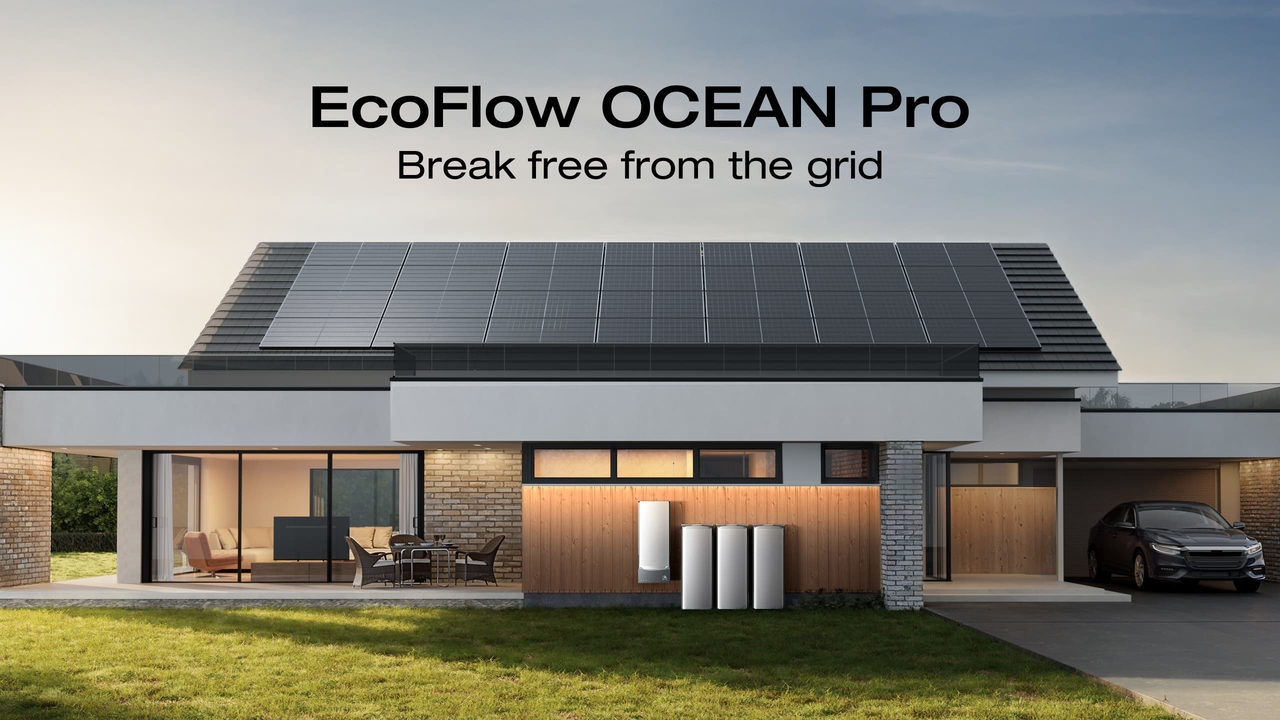
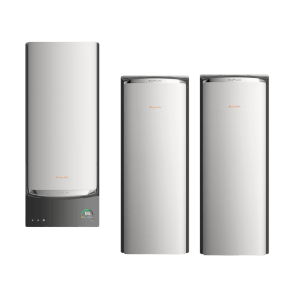
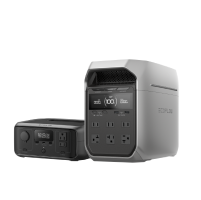
Navigating Arizona's intense summer heat and new net-billing policies requires hardware engineered for peak performance. Enter the EcoFlow OCEAN Pro solar battery system. It is designed to handle the specific challenges of desert climates while maximizing financial returns.
Standard solar arrays often lose efficiency in extreme heat. The Ocean Pro features an industry-leading low temperature coefficient. This ensures maximum power generation stays steady, even on brutal 115-degree Phoenix afternoons. Beyond handling the weather, its sleek, all-black design offers great curb appeal. Heavy-duty durability helps the equipment withstand the intense Arizona monsoons and abrasive dust storms that roll through the valley.
The system is also perfectly optimized for Arizona's net billing rules. It seamlessly pairs with smart battery storage solutions. Instead of selling excess midday energy back to the utility company at a massive discount, homeowners can store that power. The system features a customizable 10kWh to 80kWh scalable capacity, allowing families to perfectly match their storage needs.
Return on Investment: Are Solar Panels Worth It?
Despite the initial upfront costs, the financial returns are incredibly strong. The average payback period in Arizona ranges from 6 to 12 years. This timeline varies based on your specific utility company, system size, and energy habits. Once the system pays for itself, the electricity it generates is essentially free.
The long-term savings are where the real value lies. Over a standard 25-year lifespan, the average Arizona homeowner saves roughly $30,000 to $40,899. This is money that would have otherwise gone directly to the utility company.
How you choose to pay for the system impacts those total savings. Cash purchases yield the highest overall financial return because there are no interest fees. Conversely, $0-down solar loans offer immediate monthly bill relief. While the lifetime savings are slightly lower due to the loan interest, they allow families to switch to renewable energy without emptying their savings accounts.
Wrapping Up
Going solar in the desert is one of the most effective ways to combat rising utility rates and steep summer cooling bills. By leveraging state tax credits and sales tax exemptions, residents can significantly lower their installation costs. Adding a scalable battery system setup solves the issue of low utility export rates by keeping clean, home-generated power right where it belongs.
Uncertainty around shifting grid regulations might seem complicated at first glance, securing the right system is simple with expert guidance. Our team is ready to design a customized setup tailored to the property. Request a consultation today to secure a reliable, cost-saving energy solution built for your family.
Get Your Free Home Energy Consultation!
Which energy solution are you interested in?
Frequently Asked Questions (FAQs)
How much do solar panels cost for a 1500 square foot house in Arizona?
A 1500 sq. ft. home typically needs a 7kW to 9kW system. Before incentives, these costs between $14,980 and $19,530. Your final price drops significantly once the 25% state tax credit and federal incentives are applied.
Does Arizona have a solar tax credit?
Yes. Arizona offers a Residential Solar Energy Tax Credit. It allows residents to deduct 25% of their solar panel system cost from their state income taxes. This deduction is capped at a maximum of $1,000.
How long do solar panels take to pay for themselves in Arizona?
The average payback period is 6 to 12 years. Using equipment like the scalable EcoFlow Ocean Pro helps speed this up by storing your own power, letting you avoid buying expensive evening electricity from the grid.
How much does a 10kW solar system cost in Arizona?
A 10 kW system in Arizona costs between $21,372 and $22,429 before incentives. Fortunately, residents can take advantage of the Arizona Residential Solar Energy Tax Credit, which provides up to $1,000 off state income tax liability. After applying this maximum state-level credit, the total out-of-pocket cost drops to roughly $20,372 to $21,429.
Is solar still worth it in Arizona?
Absolutely. Despite changes to net billing, the abundant year-round sunshine and rising utility rates make it highly profitable. Homeowners typically save $30,000 to $40,899 over 25 years.

