
Exactly How Much Electricity Does a Hot Tub Use? The True Costs
Wondering how much electricity a hot tub uses? Many people share this exact question. Whether a homeowner is considering a new installation or trying to manage current utility bills, understanding a hot tub's power draw remains essential.
Hot tubs rely on powerful heaters, continuous circulation, and jet pumps. Naturally, all of these components can significantly impact monthly expenses if they are left unmonitored. Leaving a spa running without a plan often leads to unexpectedly high energy bills.
In this comprehensive guide, we will break down the average energy consumption and explore what drives those specific costs. Finally, we will share smart, actionable strategies to lower monthly bills, including how integrating a robust home backup battery can maximize overall energy efficiency.
Understanding Hot Tub Energy Consumption
The electricity used by a hot tub is never a single, static number. Instead, it combines the power draw of several internal components working together to heat, circulate, and filter the water.
A closer look at understanding home energy consumption reveals that large heating appliances take up a huge portion of a household's daily power budget. Here is how a hot tub breaks down:
The Heater: This is by far the most power-hungry component in the entire system. Depending on whether the setup runs on 110V or 220V, a heater typically draws between 1,500 and 6,000 watts while actively heating the water.
The Pump System: Hot tubs utilize a circulation pump that runs frequently to filter the water, generally pulling between 100 and 500 watts. However, when the high-powered jet pumps turn on for a massage, the power draw instantly spikes to between 1,000 and 3,000 watts.
Accessories: Extra features like ozonators, LED lighting, and built-in audio systems use a very small amount of energy—usually less than 100 watts combined.
Many modern, well-insulated hot tubs consume approximately 3 to 8 kWh per day under moderate weather conditions. Actual daily energy consumption heavily hinges on how well the tub retains its heat when it sits idle.
Average Hot Tub Electricity Cost
Calculating the hot tub electricity cost requires knowing the local utility rate. Electricity rates vary widely by utility and location. While rates vary widely by region, the current US national average sits around $0.17–$0.18/kWh as of 2026.
Daily Cost: 5 kWh × $0.18 = $0.90
Monthly Cost: $0.90 × 30 days = $27.00
Most homeowners find that an energy-efficient, well-insulated hot tub adds between $20 and $50 to their monthly electricity bill. However, older models or tubs running in harsh winter climates without proper
Factors That Impact Your Hot Tub's Power Use
Several different variables dictate whether a hot tub operates efficiently or continuously drains grid power. Understanding these factors helps pinpoint exactly where energy escapes.
Insulation Quality
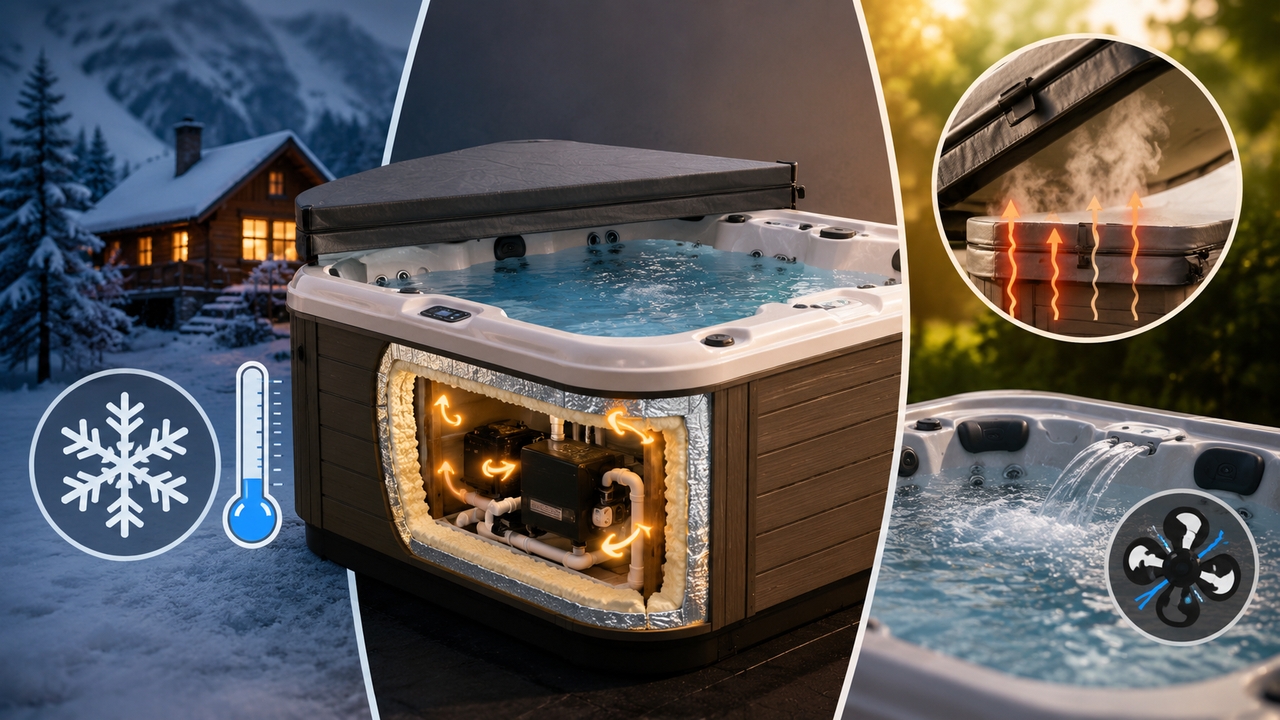
The quality of insulation inside the hot tub's cabinet makes a drastic difference. Premium tubs usually feature full-foam insulation, trapping the heat generated by the pumps and keeping the water warm. On the other hand, poorly insulated tubs lose heat rapidly, forcing the heater to turn on constantly. As highlighted by the U.S. Department of Energy, preventing standby heat loss is one of the most effective ways to lower the operating costs of any water-heating appliance.
Ambient Climate
The weather outside plays a massive role in efficiency. For those living in regions with freezing winter temperatures, the heater has to work significantly harder to maintain a comfortable 100°F to 104°F water temperature. Someone living in a mild climate naturally sees a much lower hot tub electricity cost.
Usage Habits
How people actually use their spa affects the power draw immensely. Leaving the cover off while the tub is empty allows massive amounts of heat to escape. Running massage jets on high for extended periods also forces the pumps to draw maximum wattage. Interestingly, up to 75% of a hot tub's energy is consumed just maintaining the temperature while the heavy cover remains closed.
How to Reduce Your Hot Tub Energy Bill
It is entirely possible to enjoy a relaxing soak without draining the household budget. A few strategic adjustments keep the water warm and the monthly bills remarkably low.
Upgrade the Cover and Insulation
A heavy-duty, properly fitting thermal cover acts as the absolute first line of defense against heat loss. If a current cover feels waterlogged or has visible cracks, it no longer insulates effectively. Adding a floating thermal blanket directly on the water's surface also reduces evaporation and traps heat deep inside the tub.
Lower the Temperature When Not in Use
Dropping the temperature by a few degrees noticeably reduces the heater's heavy workload. If the spa will sit unused for a few days, turning the thermostat down makes logical sense. However, frequently shutting down and fully reheating a massive volume of cold water consumes far more energy than simply maintaining a slightly reduced, steady temperature.
Shift Usage to Off-Peak Hours with Smart Energy Management
Many utility companies charge much higher prices during late afternoon and evening "peak hours." Because the general demand for electricity goes up, running a high-wattage appliance like a hot tub heater during these times quickly inflates a monthly bill. Scheduling the heavy heating cycles during lower-cost night periods helps reduce overall electricity expenses.
Managing these heating times manually can feel tedious. Fortunately, a smart home energy system takes the guesswork completely out of the process. For instance, the EcoFlow OCEAN Pro Solar Battery System uses Intelligent Mode to automatically shift heavy appliance usage to times when electricity is cheapest. It acts as a highly capable energy hub, delivering a massive 24kW of continuous power that effortlessly supports high-demand loads like heaters and jet pumps without breaking a sweat.
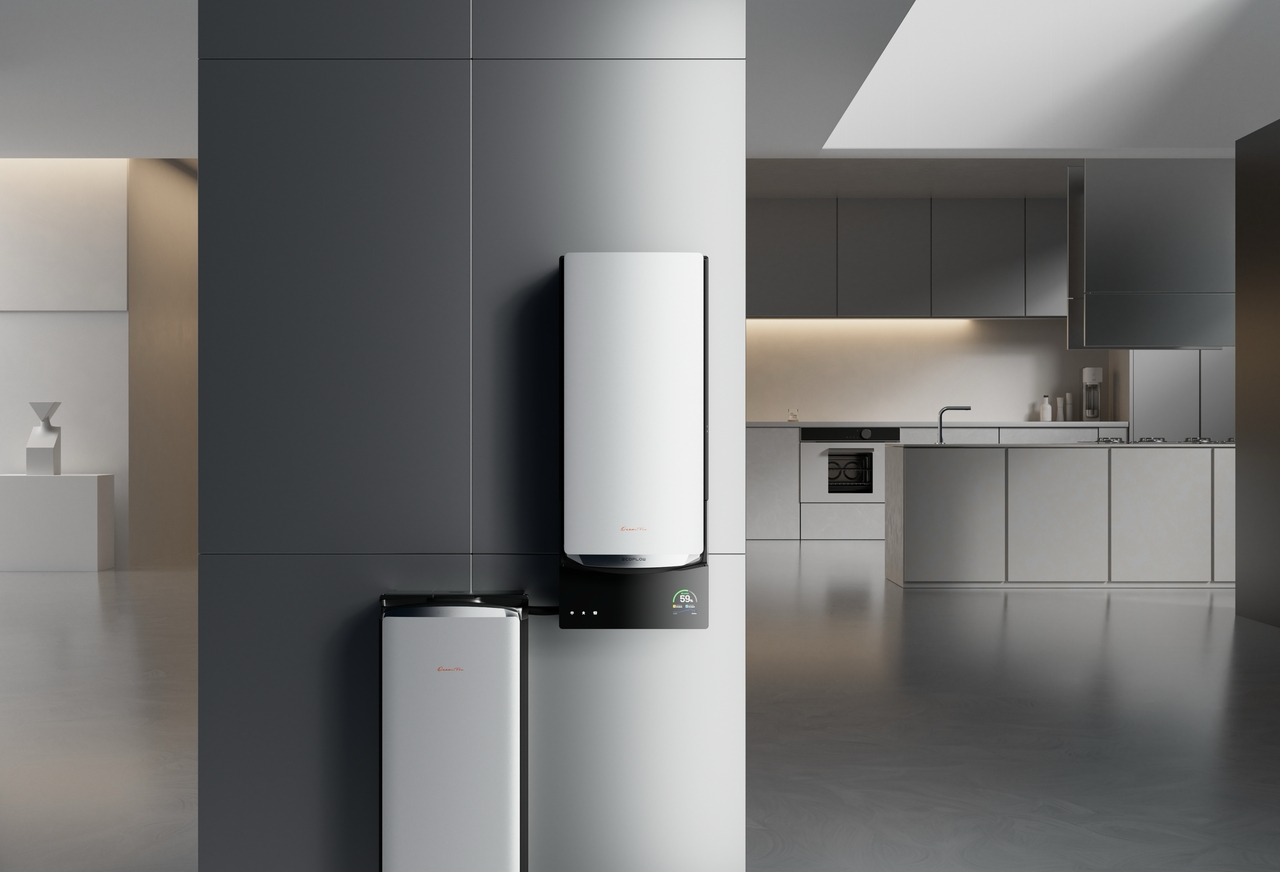
Beyond delivering reliable, heavy-duty power, this setup scales beautifully to match any property size. Starting at a base 10kWh module, the battery storage easily expands up to an impressive 80kWh. It also supports up to 40kW of solar input to maximize daily energy independence. Rather than looking like a boring utility box, homeowners can select elegant chassis options like Aerospace-Grade Aluminum and Luxury Walnut Wood that perfectly complement modern home interiors.
Are you ready to resolve your uncertainty about high utility bills and secure reliable backup power? We can help you build the perfect intelligent energy setup. Request a consultation today to find the perfect energy solution for your home.
Get Your Free Home Energy Consultation!
Which energy solution are you interested in?
Keep the Water Filters Clean
A dirty, clogged filter directly impacts how much power the circulation pump requires to function. When debris clogs the paper filter pleats, the motor struggles to push water through the plumbing system, drawing extra watts just to keep the water moving. Rinsing the filter cartridge with a standard garden hose every couple of weeks keeps the plumbing pathways clear and prevents unexpected utility cost spikes.
Common Hot Tub Energy Myths and What Homeowners Should Know
Clearing up common myths helps set realistic expectations for future operating costs.
Myth: Hot Tubs Are Always Expensive to Operate
While older units were energy hogs, modern insulation has drastically improved overall efficiency. Today's models use advanced foam layers and smarter heaters, often costing roughly a dollar a day to run in mild climates.
Myth: Turning the Hot Tub Off Saves Money
Reheating hundreds of gallons of freezing water from scratch requires a massive, sustained energy draw. Reheating costs almost always outweigh the cost of maintaining a steady, warm temperature.
Myth: All Hot Tubs Use the Same Amount of Electricity
The physical size of the tub, the local climate, the quality of insulation, and daily usage habits create major differences from house to house. A large spa in a snowy climate will always consume more power than a small tub in a sunny area.
Conclusion
Understanding exactly how much electricity a hot tub uses serves as the key to enjoying a spa without the stress of an inflated utility bill. While the average hot tub consumes roughly 3 to 8 kWh per day, actual home costs will always vary based on climate and insulation.
By investing in a high-quality thermal cover, managing daily heating cycles wisely, and taking advantage of smarter energy consumption strategies, homeowners can win. It is entirely possible to keep the hot tub ready for relaxation while simultaneously keeping monthly electricity expenses firmly under control.
FAQs
How much does it cost to run a hot tub per day?
On average, it costs between $0.90 and $2.50 per day to run a modern, well-insulated hot tub at current national average electricity rates of around $0.18 per kWh. Older models or tubs used in harsh winter climates can push daily costs significantly higher. Harsher winter climates will push this daily cost slightly higher.
Does a hot tub raise your electric bill a lot?
It typically adds between $20 and $50 to a monthly utility bill. However, poorly insulated models running in freezing weather can easily double this amount. Proper maintenance and smart heating schedules keep these increases manageable.
What is the downside of owning a hot tub?
The primary downsides are ongoing maintenance and the added hot tub electricity cost. For instance, high utility bills can be a shock, but pairing the tub with a smart system like the EcoFlow OCEAN Pro effectively offsets those high energy demands.
What uses the most electricity in a hot tub?
The heater is by far the biggest power consumer. It generally draws between 1,500 and 6,000 watts while actively heating the water. In contrast, the circulation pumps require only a fraction of that electrical power to run.
How can I track my hot tub's energy consumption?
Homeowners track energy usage by installing a dedicated smart electrical panel or a plug-in energy monitor. These devices measure the exact kilowatt-hours consumed, making it much easier to pinpoint trends and adjust daily heating times.

