
How Much Does It Cost to Build a Cabin? A Full Pricing Guide
Building your dream cabin can feel overwhelming when costs keep rising, and unexpected expenses pop up. Many aspiring owners underestimate the true price, leading to budget overruns and stress. This guide breaks down how much it costs to build a cabin, including national averages, key factors, and smart ways to save. Whether you're eyeing a cozy weekend retreat or a full-time home, you'll find clear insights to plan effectively.
How much does it cost to build a cabin?
Building a cabin involves balancing dreams with practical budgeting. Costs vary widely based on size, location, materials, and whether you choose DIY, cabin kits, or full custom construction.
National average cost: Around $75,000 according to the Jackery and bobvila report, with most projects falling between $50,000 and $150,000.
Typical price range: $125,000 to $350,000
Average cost per square foot: $125 to $175
Cost breakdown by cabin class
Budget-friendly / DIY cabins ($125–$175 per sq. ft.): Typically uses pre-fabricated kits, basic framing, and minimalist off-grid setups with limited square footage.
Mid-range cabins ($175–$275 per sq. ft.): Built by professional contractors using standard log profiles or traditional timber framing, complete with standard modern utilities.
Luxury cabins ($275–$400+ per sq. ft.): Customized architectural designs, high-end wood species (like western red cedar), premium finishes, wrap-around decks, and high-capacity smart systems.
Quick cost table by cabin type
Cabin Type | Cost per Sq. Ft. | Example (1,000 sq. ft.) |
|---|---|---|
Log Cabin Kit | $50 to $80 | $50,000 to $80,000 (materials only) |
Standard / A-Frame | $125 to $175 | $125,000 to $175,000 |
Custom / Luxury | $250 to $500 | $250,000 to $500,000+ |
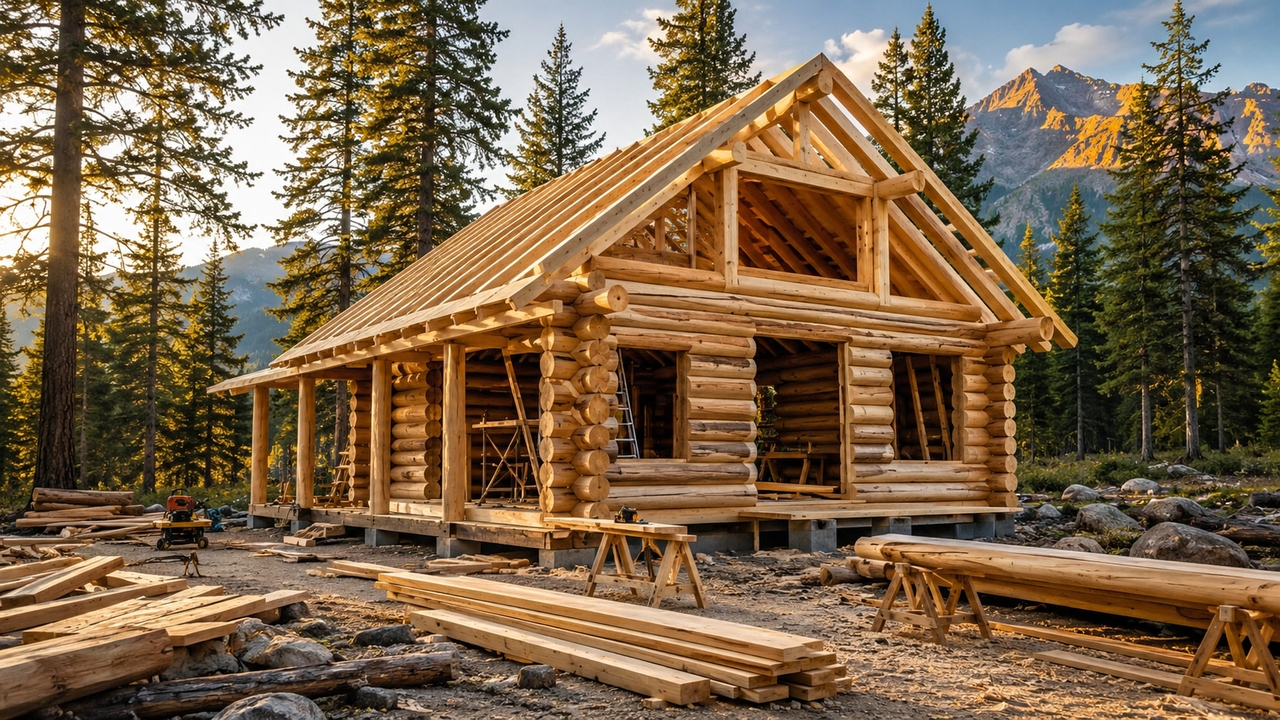
Average cabin construction costs by size
The cost to build a cabin changes significantly based on square footage, so understanding size-based pricing helps you budget accurately.
Small cabins (400–1,000 sq. ft.): These budget-friendly builds run about $100 to $150 per square foot and work well for weekend getaways or minimalist living. Simple, square layouts keep costs lowest.
Medium cabins (1,000–2,000 sq. ft.): Expect costs to climb to $150 to $200 per square foot, depending on design choices and added features. Extras like a loft or vaulted ceiling push the price higher.
Large cabins (2,000+ sq. ft.): Once you pass this size, prices can reach $250 per square foot or more, depending on the finishes and amenities you choose.
Breakdown of key cabin building expenses
Several major categories drive the total cost to build a cabin. Here is a clear breakdown of the primary expenses.
Land & site prep: Clearing trees, excavation, and pouring the foundation are essential first steps. Land clearing can cost $250 to $2,800 per acre, while excavation runs $50 to $200 per cubic yard. Foundations typically range from $4 to $25 per square foot depending on the type (slab is more affordable, while full basements cost more).
Materials & lumber: Log cabin kits versus traditional raw timber costs vary widely. Kits generally run $50 to $80 per square foot for pre-cut logs, roof materials, and basics. Building with traditional raw timber or premium woods like cedar or cypress increases material expenses significantly due to sourcing, milling, and quality.
Labor costs: Hiring architects, structural engineers, and general contractors adds a substantial portion of the budget. General contractors often charge around 20 percent of the total project cost. Specialized labor for log construction can run $80 to $125 per hour depending on location and complexity.
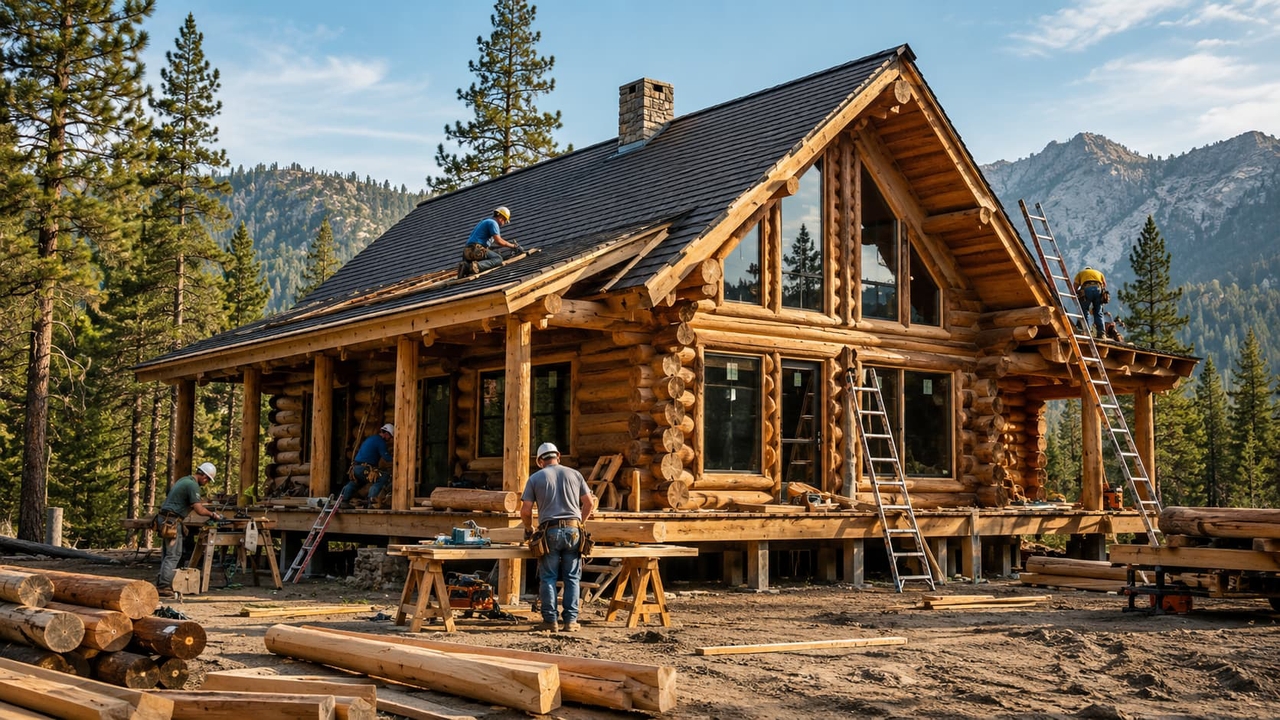
Permits & fees: Navigating local zoning laws and building codes requires permits that typically cost $400 to $2,500. Additional inspections and fees for environmental or septic approvals can push totals higher in rural or restricted areas. Always check regulations early to avoid delays.
Hidden costs many cabin owners overlook
Many cabin projects exceed initial budgets due to expenses that are easy to miss during early planning. Here are the most common hidden costs.
Land and site preparation: Buying land is only the beginning. You may also need to clear trees, remove rocks, grade uneven terrain, improve drainage, and stabilize the soil before construction starts. If the property is in a remote or mountainous area, excavation and foundation work can become much more expensive than expected.
Utility hookups: Extending electricity, drilling a well for water, or installing a septic system in remote areas is expensive. Expect $5,000 to $30,000+ depending on distance to existing lines. Off-grid solutions like solar or propane also require significant upfront investment for reliable service.
Driveway and road access: Getting to a remote cabin often means building a driveway from scratch. Gravel access can cost $15,000 to $40,000 per quarter mile, and steep terrain, drainage issues, or hidden rock under the soil can push that price even higher still.
Permits and inspections: Beyond your initial building permit, additional fees may apply for zoning approvals, environmental assessments, septic permits, electrical inspections, and occupancy certificates. Requirements vary by location, and failing to account for them can delay construction and increase overall project costs.
Furnishing and finishing touches: Interior elements like flooring, cabinets, appliances, lighting, and paint are often underestimated. These can total $5,000 to $20,000 or more. Exterior details such as porches, decks, and landscaping add further expenses that turn a basic shell into a comfortable living space.
Powering your cabin: Planning for reliable energy
Extending traditional grid power to a remote cabin is one of the most expensive surprises in cabin building. Running an overhead power line averages $5 to $15 per foot, and that cost multiplies quickly if your cabin sits far from the nearest utility pole. On top of installation costs, remote cabins face a real risk of extended outages, since utility crews often prioritize restoring power to denser neighborhoods first.
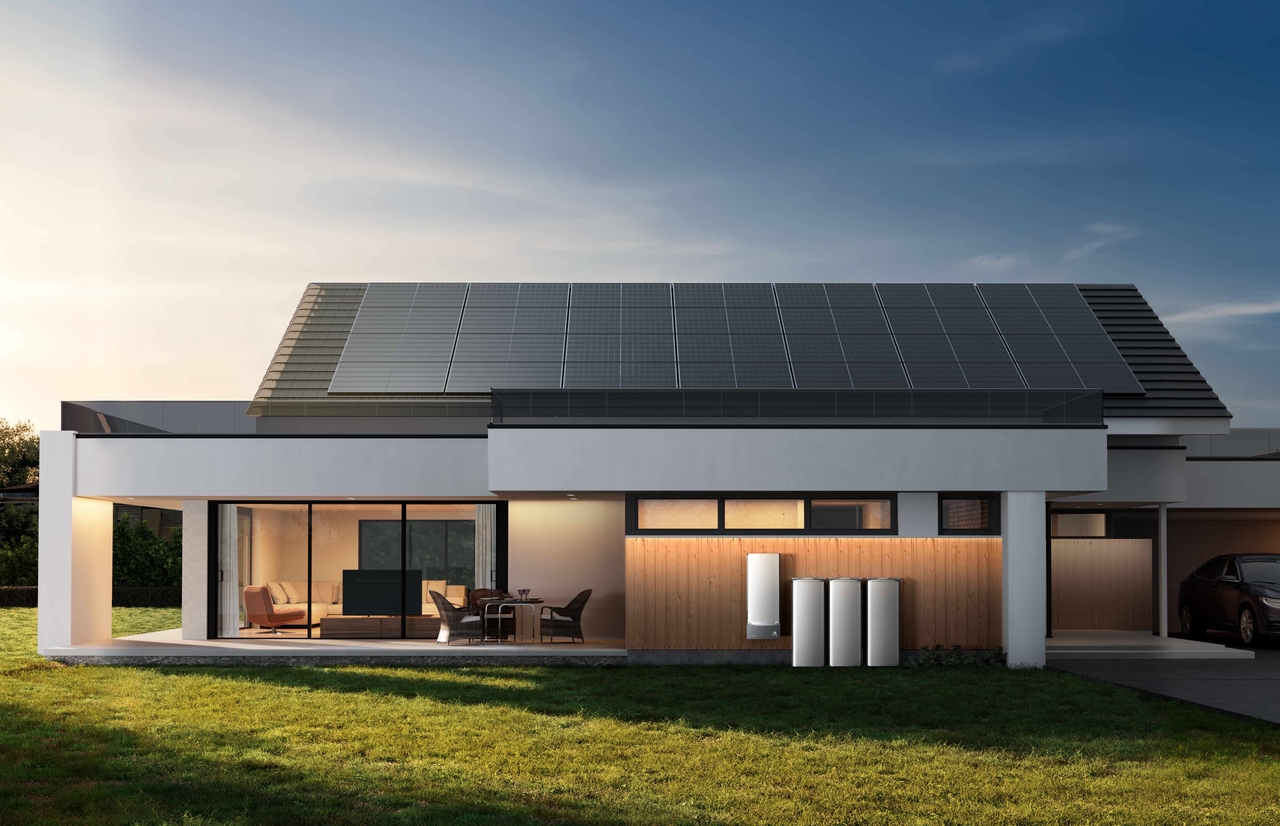
This is where a home battery system like the EcoFlow OCEAN Pro comes in. Built for whole-home backup, OCEAN Pro delivers 24kW of continuous output and pulls power from multiple sources, including up to 40kW of solar, portable generators, and the grid. Storage starts at 10kWh and expands up to 80kWh, so you can size your system to match a small weekend cabin. The EcoFlow app uses smart algorithms to manage your home's energy, and the system is backed by a 15-year warranty for long-term peace of mind.
For cabin owners, this means:
Reliable backup during outages
Reduced dependence on expensive grid extensions
Better use of solar energy
Seamless integration with multiple power sources
Greater peace of mind for year-round or seasonal use
Tips to keep your cabin build under budget
Careful planning and smart decisions can significantly reduce construction costs without sacrificing quality. These practical tips help keep your cabin project within budget.
Choose a simple design: Opt for straightforward rectangular layouts and standard dimensions instead of complex shapes or custom features. Simple designs minimize material waste, reduce labor hours, and simplify the construction process, potentially saving thousands on your project.
Compare material and contractor quotes: Request quotes from multiple suppliers and contractors before making decisions. Comparing prices, timelines, and warranties helps you find the best value and avoid overpaying for materials or labor.
Plan utilities early: Request quotes from multiple suppliers and contractors before making decisions. Comparing prices, timelines, and warranties helps you find the best value and avoid overpaying for materials or labor.
Take on DIY projects where possible: If you have the skills and time, completing tasks such as painting, landscaping, flooring, or interior finishing yourself can reduce labor expenses. Focus on projects that don't require licensed professionals to maximize your savings.
Conclusion
Building a cabin offers a wonderful opportunity for a peaceful retreat or full-time home, but success depends on careful budgeting and foresight. With national averages between $125 and $175 per square foot, understanding all costs from land prep to utilities helps you stay on track and avoid common pitfalls. By choosing efficient designs, planning power solutions early, and considering smart alternatives, you can create a beautiful, functional cabin without overspending.
Get Your Free Home Energy Consultation!
Which energy solution are you interested in?
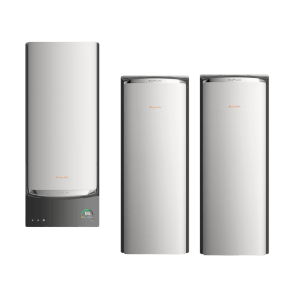
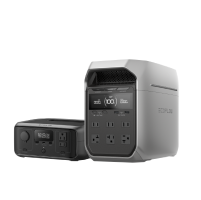
For reliable backup power, the EcoFlow OCEAN Pro delivers powerful whole-home backup tailored for cabins. Schedule your free consultation today to explore how this advanced system can provide seamless power, cost savings, and peace of mind for your project.
FAQs
Is a cabin cheaper to build than a house?
Yes, cabins are often cheaper to build than a full house. Their smaller size, simpler designs, and fewer amenities typically result in lower overall costs, though per square foot prices can be similar depending on materials and location.
How much is it to build a 1000 sq ft cabin?
A 1,000 square foot cabin typically costs $125,000 to $175,000 on average. Final prices vary based on location, materials, site preparation, and whether you choose a kit or custom build.
Is it possible to build your own cabin?
Yes, it is possible to build your own cabin, especially with pre-cut kits. DIY saves money on labor but requires skills, time, and professional help for electrical, plumbing, and structural elements to meet safety codes.
Do you need a permit to build a cabin?
Yes, you almost always need a permit to build a cabin. Local zoning laws and building codes require approvals to ensure safety and compliance. Permit costs usually range from $400 to $2,500 depending on your area.
What's the most expensive part of building a small cabin?
Materials and labor are typically the largest expenses when building a small cabin. If the site is remote, foundation work, utility hookups, and road access can also become major costs that significantly increase the overall budget.

