
Understanding How Many Lumens Is a 60 Watt Bulb for Your Spaces
When shopping for light bulbs, you might find yourself staring at the packaging and wondering how many lumens is a 60 watt bulb. For decades, we bought lighting based on watts, assuming higher wattage meant a brighter room. However, with modern energy-efficient lighting, watts only tell you how much power a bulb consumes, not how bright it is. Whether you are upgrading your home's lighting to save on utility bills or sizing your electrical load for a home battery backup, understanding the shift from watts to lumens is crucial for making the right choice.
Watts vs. Lumens: Understanding Electricity Basics
To make smart choices about your home energy, you first need to understand the basic terms. The lighting aisle at the hardware store is full of numbers. Knowing the difference between watts and lumens will save you time and money.
Why Brightness Is No Longer Measured in Watts
Watts measure energy consumption. They tell you the amount of power a bulb draws from your home's electrical system. Think of watts like the gas you put in a car. It is the fuel required to make the thing run. On the other hand, lumens measure light output. Lumens tell you the actual brightness produced by the bulb. Think of lumens as the speed of the car.
As technology has shifted away from old incandescent bulbs to modern LED lights, the ratio of watts to lumens has changed completely. A new bulb can produce a massive amount of light (lumens) while sipping a very tiny amount of power (watts). You are no longer buying power; you are buying brightness.
Monitoring Real-Time Energy Consumption
When you switch your whole house to high-efficiency bulbs, you reduce your home's "vampire loads." These are small amounts of power that constantly drain your system. You can easily visualize these small changes in your household's active power draw using the EcoFlow PowerInsight 2 Monitor. This tool tracks real-time consumption across all your smart circuits. By seeing the exact numbers, you understand how much energy a simple lighting upgrade saves you every single month.
Lighting Efficiency Comparison
Bulb Type | Energy Consumption (Watts) | Brightness (Lumens) |
Traditional Incandescent | 60W | 800 |
Halogen | 43W | 800 |
Compact Fluorescent (CFL) | 13W–15W | 800 |
Energy-Efficient LED | 8W–12W | 800、 |
How Many Lumens Is a 60 Watt Bulb?
Now, let us answer the main question. You have an old fixture in your hallway. It says "60 watts max." You want to replace the dead bulb with a new, energy-saving option. What number should you look for on the box?
The 800-Lumen Standard for Home Lighting
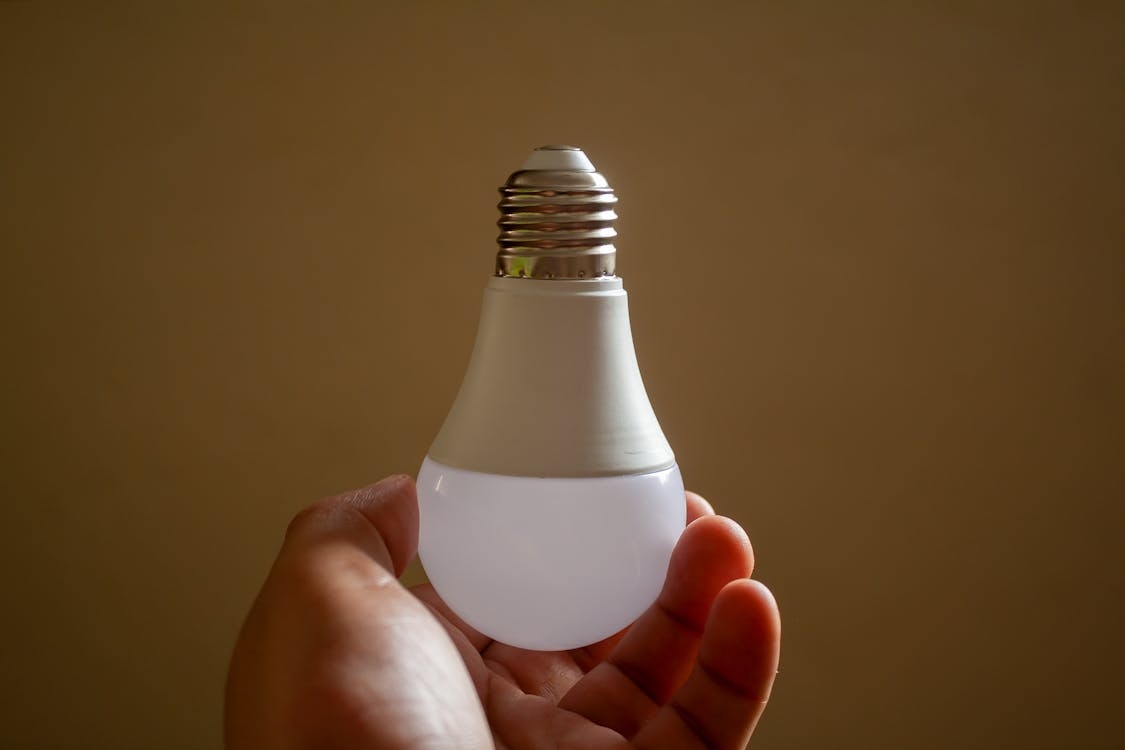
A traditional 60-watt incandescent bulb produces approximately 800 lumens. This is the standard brightness most people are used to having in their living rooms, bedrooms, and hallways. To achieve this exact same level of brightness today, an LED bulb only requires between 8 to 12 watts of electricity. This makes modern LED lighting roughly 80% more efficient than the older technology your parents used. You get the exact same amount of light, but you pay a fraction of the cost on your electricity bill.
Upgrading to LEDs: Brightness and Efficiency
Once you understand the 60-watt conversion, you might want to upgrade the lighting in other parts of your home. Different rooms need different levels of brightness. A garage or a kitchen often requires much more light than a small hallway.
Determining How Many Lumens Is a 100 Watt Bulb
If you have a large space, you are probably wondering how many lumens is a 100 watt bulb. A classic 100-watt incandescent bulb produces about 1,600 lumens. This is a very bright light, perfect for reading lamps or outdoor security fixtures. In the LED world, you can achieve this powerful 1,600-lumen brightness using only 14 to 17 watts of electricity. The power savings become even more dramatic the brighter you go. Replacing just five old 100-watt bulbs with LEDs removes hundreds of watts of strain from your home's electrical panel.
Optimizing Your Monthly Bills with Intelligent Mode
Upgrading to high-lumen, low-wattage bulbs is the first major step in home energy efficiency. However, to maximize your savings, you can pair these upgrades with a smart energy manager. Advanced systems use an Intelligent Mode to automatically shift your home's heavy power usage to off-peak hours. This means your system runs heavy appliances when electricity rates are at their lowest. Because your LED lights use so little power, you can leave them on during the expensive evening hours without worrying about a massive spike in your utility bill.
Reading the FTC Lighting Facts Label
The United States government realized that switching from watts to lumens was confusing for consumers. To help buyers, they created a specific label that must go on every light bulb box. This label is designed to make shopping simple and transparent.
Finding the Brightness and Cost Estimates
If you look at the back of any bulb box, you will see a black and white label. It looks exactly like the nutrition facts panel on a box of cereal. According to the Federal Trade Commission (FTC), this label puts lumens front and center. The very first line will say "Brightness" followed by the lumen number.
Right below that, it includes the "Estimated Yearly Energy Cost." This dollar amount is calculated based on an average use of three hours per day. This number is extremely helpful when calculating the total load of your home's electrical system over a long period.
Ensuring System Reliability and Safety
When you start calculating your home's total electrical load, you realize how much power you are actually managing. Whether you are adding new lighting circuits or installing massive energy storage, safety is always paramount. High-capacity home systems must handle massive amounts of voltage. They should be built with automotive-grade safety valves and advanced fire prevention modules. Remember that installing comprehensive smart panels or battery systems requires professional installation by a certified electrician. These upgrades must strictly meet National Electrical Code (NEC) standards to ensure your family remains safe.
How Lighting Efficiency Connects to Overall Home Energy Use
It is easy to think of a single light bulb as a small, unimportant thing. However, when you look at the "big picture" of whole-home energy resilience, the numbers add up quickly. Small efficiency gains in your lighting directly contribute to the effectiveness of a comprehensive home energy ecosystem.
The Cumulative Impact on Baseline Consumption
First, you have to look at your baseline power draw. Think about how many light bulbs are in your house. Most homes have between forty and fifty bulbs. Replacing traditional 60W incandescent bulbs with modern LEDs dramatically reduces the baseline "idle" power consumption of a home. If you leave ten lights on in the evening, old bulbs would draw 600 watts continuously. New LED bulbs would only draw about 90 watts. This massive reduction frees up your home's electrical panel capacity for high-demand appliances, lowering your overall daily grid reliance.
Extending Backup Duration During Outages
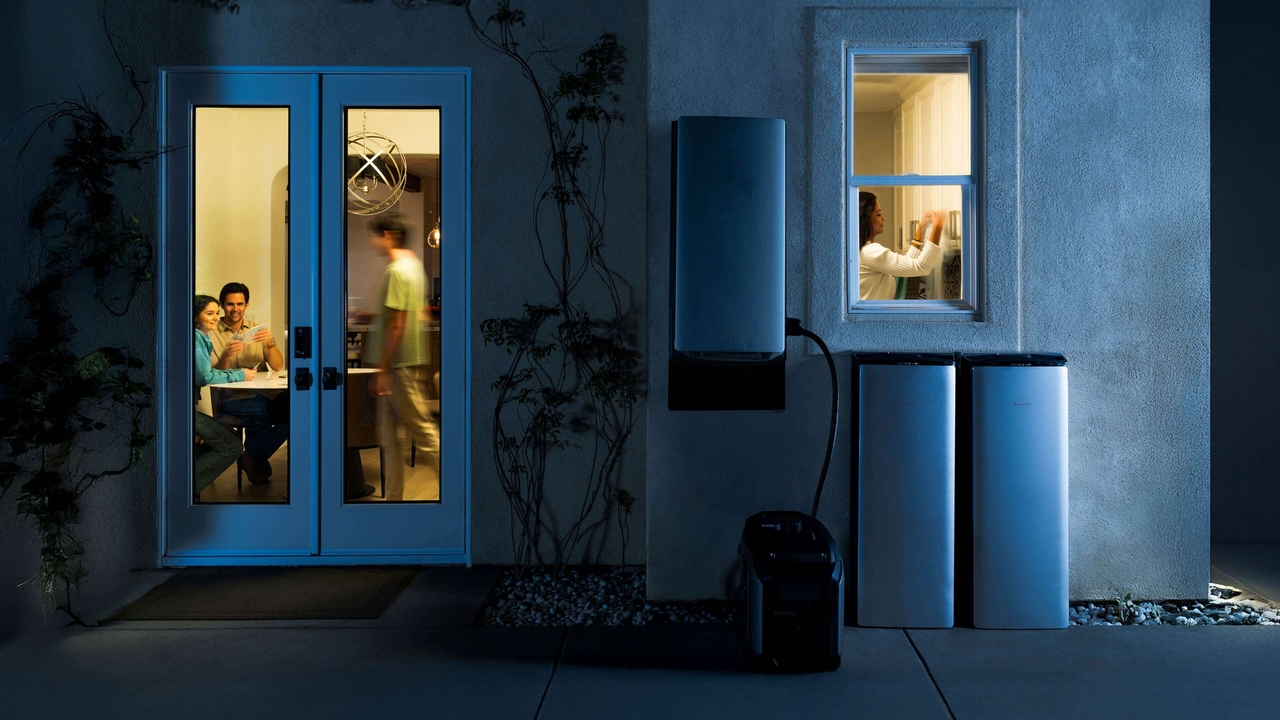
When the grid goes down, every single watt matters. A home battery backup works much better when paired with efficient lighting. Old 60-watt bulbs will drain your stored power very quickly. However, pairing 8W to 12W LEDs with an advanced system like the EcoFlow OCEAN Pro changes the math completely. Your stored energy lasts exponentially longer. This system features a massive 24kW of continuous power output and scalable storage from 10kWh up to 80kWh. Because LED lights draw so little power, the system can effortlessly run your lights alongside heavy loads, like a 5-ton HVAC unit, for multiple days.
Are you ready to resolve your uncertainty about power outages and home backup? We can help you find the perfect energy solution for your property. Request a consultation today to speak with our experts.
Get Your Free Home Energy Consultation!
Which energy solution are you interested in?

Lowering Hidden Cooling Costs
There is another massive benefit to ditching old bulbs. Traditional 60-watt incandescent bulbs are highly inefficient. In fact, they waste up to 90% of their drawn energy by emitting it as ambient heat rather than visible light (lumens). They are essentially tiny heaters placed all over your ceiling.
Transitioning to cool-running LEDs removes this excess heat generation from your living spaces entirely. This directly reduces the daily workload on your home's air conditioning system during warmer months. Because your AC does not have to fight the heat coming from your lights, it runs less often. This creates a powerful compounding effect on your overall energy savings.
Tips to Reduce Home Lighting Energy Consumption
Buying the right bulb is only half the battle. How you use those bulbs makes a huge difference in your monthly electricity costs. Here are simple, practical steps to maximize your efficiency.
Leveraging Natural Daylight
The most efficient light bulb is the one you never turn on. Maximize the use of windows and skylights during the day. Keeping your blinds and curtains open can provide more than enough lumens to illuminate a room perfectly. This gives you beautiful, natural light without drawing a single watt of electricity from the grid.
Choosing the Right Color Temperature
Brightness is not the only thing that matters. You also need to look at color temperature, which is measured in Kelvins (K). You need to differentiate between Soft White (2700K) and Daylight (5000K). Soft white is warm and yellow, perfect for relaxing in a bedroom. Daylight is crisp and blue, perfect for a kitchen or home office. Remember that color temperature does not change the lumen count. However, it does change how bright the light feels to the eye. Choosing a crisper daylight bulb often makes a room feel brighter, reducing your need to turn on additional lamps.
Regular Cleaning of Fixtures and Bulbs
This is a step most homeowners completely ignore. Over time, dust, bugs, and grime can accumulate on your light bulbs and glass lampshades. This layer of dirt actually blocks the light. It can reduce your fixture's light output by up to 30%. Regularly wiping down your fixtures with a dry microfiber cloth ensures you get the full lumen brightness you are paying for. You get a brighter room without increasing your wattage at all.
Strategic Lighting Placement
Instead of trying to light up an entire massive room with ceiling fixtures, use task lighting. Place small desk lamps or reading lights exactly where you need them for specific activities. This targeted approach allows you to use lower-lumen bulbs in the general ceiling areas while maintaining high visibility right where your hands are working.
Upgrading to Smart Dimmers and Sensors
Sometimes, humans just forget to turn off the switch. Install simple motion sensors in transition spaces like hallways, closets, or garages. This ensures the lights are only drawing power when someone is actually present. Furthermore, installing smart dimmers allows you to reduce the voltage sent to a bulb. If you dim an LED by 20%, you use less energy, and you also extend the physical life of the bulb itself.
Choosing the Right Brightness for an Efficient Home
Making the switch from watts to lumens does not have to be frustrating. The rule is very simple. Remember the basic benchmarks. A classic 60-watt bulb gives you 800 lumens. A strong 100-watt bulb gives you 1,600 lumens. When you shop for LEDs that match these lumen numbers, you instantly reduce your home's energy consumption by up to 80%. This takes the strain off your household circuits, lowers your cooling costs, and makes your home ready for smart energy management. By making these small upgrades, you take a big step toward complete energy independence.
FAQs
How bright is 1200 lumens in watts?
A 1200-lumen light is roughly equivalent to an old 75-watt incandescent bulb. If you buy a modern LED to get this brightness, it will typically only consume about 12 to 14 watts of electricity.
How many lumens is a 100 watt bulb?
A traditional 100-watt incandescent bulb emits roughly 1,600 lumens. To replace it with an energy-saving LED, look for a bulb labeled for 1,500 to 1,600 lumens, which uses about 14 to 17 watts.
Is it safe to put an LED bulb in a 60-watt fixture?
Yes. A 60W fixture limits the power draw to 60 watts to prevent overheating. An 800-lumen LED only uses about 9 watts. Because it is far below the fixture's maximum limit, it is incredibly safe.
How can I see exactly how much power my lights are drawing?
The most accurate way is to use a smart home energy dashboard. Tools connected to smart electrical panels allow you to view circuit-level data to see how your lighting impacts daily consumption.
What is the best way to power my lights during a blackout?
A robust home battery backup is ideal. Systems with scalable capacity, starting at 10kWh and going up to 80kWh, ensure you have enough stored energy to keep your essential lights on for multiple days.

