
How Long Should I Run My Pool Pump Each Day? Expert Guide
Wondering how long to run pool pump systems each day without wasting electricity? Running your pump too little can lead to cloudy water, algae growth, and uneven chemical distribution, while running it too long can drive up energy bills and wear out equipment faster. Finding the right balance helps maintain clean, healthy pool water while keeping operating costs under control. This guide breaks down the right run time for your pool size, climate, and usage, and pairing your setup with a reliable home battery backup can help manage power usage more efficiently during peak demand periods.
Why does proper pool pump run time matter?
Your pool pump plays a critical role in keeping your pool water clean, balanced, and safe for swimming. Running it for the right amount of time ensures proper filtration, steady circulation, and even chemical distribution throughout the pool.
When water circulates correctly, the pump pushes debris, dirt, and contaminants through the filter while also preventing stagnant areas where algae and bacteria can grow. Proper circulation also helps chlorine and other chemicals spread evenly, reducing the risk of cloudy water or unsafe chemical imbalances.
Potential Issues (Insufficient Run Time) | Key Benefits (Correct Run Time) |
Murky or cloudy water due to poor filtration. | Clearer, healthier water that is safe for swimming. |
Algae and bacteria growth in stagnant pockets. | Better filtration and consistent debris removal. |
Poor chemical distribution, leading to "hot spots." | Lower long-term costs for chemicals and repairs. |
Increased chemical usage to fix water clarity. | Reduced strain on the overall filtration system. |
Extra strain on equipment from inconsistent cycles. | A safer environment for your family and guests. |
Finding the ideal runtime balance is essential for maintaining a clean pool while avoiding unnecessary energy waste and equipment wear.
General recommendation – How long should a pool pump run?
For most residential pools, the general recommendation is to run the pump between 8–12 hours per day during peak swimming season. This gives the filtration system enough time to circulate and clean the water effectively.
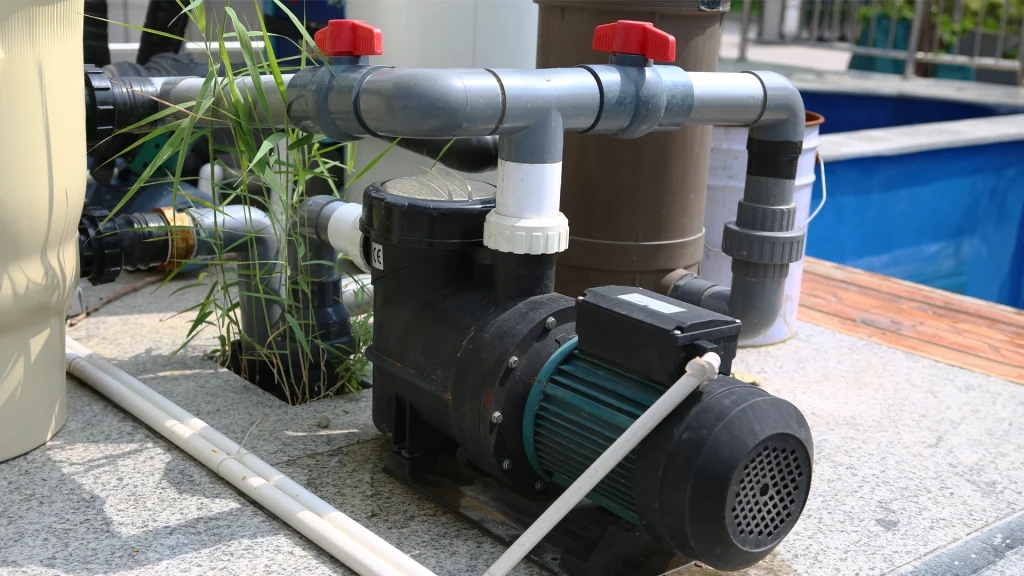
Standard daily runtime guidelines
8–12 hours daily: Ideal for most home pools during warm weather.
Minimum runtime: At least 8 hours to achieve roughly one full water turnover.
Hot weather or heavy pool use: Increase runtime to 12–16 hours.
Algae problems: Continuous operation may be necessary until the water clears.
Off-season or cooler months: Reduce runtime to around 4–6 hours per day.
A common rule of thumb many pool owners follow is the 1-hour-per-10°F rule:
Example: If it is 80°F outside, run your pump for 8 hours.
Example: If it hits a sweltering 100°F, you should increase that to 10 hours.
Warmer water encourages algae growth and increases chemical demand, which is why higher temperatures usually require longer circulation times.
Community consensus on pool forums largely confirms the 8 to 12 hour range, though with notable variation based on setup. Many experienced pool owners report settling on 8 to 10 hours as their everyday summer schedule, finding it sufficient for clear water and stable chemistry with a well-maintained filter. Those dealing with particularly hot climates or higher bather loads tend to run 12 hours or more as a default.
How to calculate your exact pool pump run time
The best way to determine how long to run pool pump is by calculating your pool’s turnover rate — the time it takes to filter the entire water volume once. Most experts recommend achieving one to two full turnovers per day, ideally within 8 hours for the first turnover.
Turnover Rate Formula
Run Time (hours) = Pool Volume (gallons) ÷ Pump Flow Rate (GPM) ÷ 60
Example: 20,000 gallon pool ÷ 50 GPM pump ÷ 60 = 6.7 hours per turnover
Step 1: Calculate your pool volume
For a rectangular pool: Length × Width × Average Depth × 7.5 = gallons.
A 20 ft × 40 ft pool with a 5 ft average depth holds approximately 30,000 gallons.
Step 2: Find your pump flow rate
Check the label on your pump or the manufacturer's spec sheet. Most residential pumps range from 40 to 100 GPM at standard operating pressure.
Step 3: Aim for 1–2 turnovers per day
Use the formula above for one turnover. Multiply by 2 if you want a second pass, common in hot weather or for heavily used pools.
Pool Size | Volume (gal) | Pump @ 40 GPM | Pump @ 60 GPM | Pump @ 80 GPM |
|---|---|---|---|---|
Small (12×24) | ~10,800 | 4.5 hrs | 3 hrs | 2.3 hrs |
Medium (15×30) | ~16,900 | 7 hrs | 4.7 hrs | 3.5 hrs |
Large (20×40) | ~30,000 | 12.5 hrs | 8.3 hrs | 6.25 hrs |
Extra-large (25×50) | ~46,900 | 19.5 hrs | 13 hrs | 9.8 hrs |
These figures represent one full turnover. For two turnovers, strongly recommended in peak summer, simply double the run time. Online pool calculators can also help you run these numbers more precisely using your pool's exact shape.
Single-speed vs variable-speed pool pumps
The type of pump you own has a major influence on how long it should run each day — and what it costs you to do so.
Single-speed pumps
Traditional single-speed pumps run at one fixed RPM (usually 3,450), always at full power. For these pumps, 8–10 hours per day is the typical recommendation. Running longer is possible, but the electricity cost climbs linearly — a 1.5 HP single-speed pump can consume roughly 1.5–2 kWh per hour of operation.
Variable-speed pumps (VSP)
Variable-speed pumps are the modern standard for efficiency. They can run at much lower RPMs — say 1,200–1,800 RPM instead of 3,450 — and consume up to 80–90% less electricity at low speeds. The trade-off is that lower flow rates mean longer run times, but net electricity use is dramatically lower.
Real-world savings example
A single-speed pump running 8 hours at 2 kWh uses 16 kWh per day. A variable-speed pump running 16 hours at 0.4 kWh (low RPM) uses just 6.4 kWh — a 60% reduction, while providing better filtration.
If you're using your pool heavily — frequent family swims, parties, weekend gatherings — upgrading to a variable-speed pump is one of the highest-return investments you can make. Many pool owners recoup the cost within two to three seasons purely from energy savings.
Factors that affect how long you should run your pool pump
There is no one-size-fits-all answer for how long to run pool pump because every pool has different conditions. Several factors influence the ideal runtime needed to maintain clean, balanced water.
Pool size and volume: A larger pool contains more gallons of water that need to be "turned over" through the filter. Naturally, a 30,000-gallon pool will require a longer run time than a 10,000-gallon setup to achieve the same level of cleanliness.
Climate and water temperature: Heat is the primary driver of algae growth. As water temperatures rise, bacteria and organic matter multiply faster. In sweltering summer months, you must increase your run time to ensure sanitizers are constantly circulating.
Bather load: Every person who jumps in the pool introduces oils, sunscreens, and organic materials. If you frequently host parties or have a large family using the pool daily, you’ll need to increase your pump hours to filter out these extra contaminants.
Location and environment
Sun exposure: UV rays break down chlorine. High sun exposure requires more circulation to distribute replacement chemicals.
Debris and rainfall: If your pool is near trees or experiences heavy rain, more debris enters the water. Longer run times help your skimmer catch leaves before they sink and decay.
Filter type and condition: Your pump can only work as well as your filter allows. A clean, well-maintained filter (whether sand, cartridge, or D.E.) allows for maximum flow. If your filter is dirty or "loaded," the flow rate drops, meaning you’ll need more time to achieve a full turnover.
Seasonal adjustments: Your needs in July are vastly different than in December. Always scale back your pump hours in the winter to save energy, then ramp them back up as the spring thaw begins.
Local regulations: If you are managing a commercial pool or a vacation rental, you may be subject to local health codes that mandate specific turnover rates or even 24-hour operation for safety.
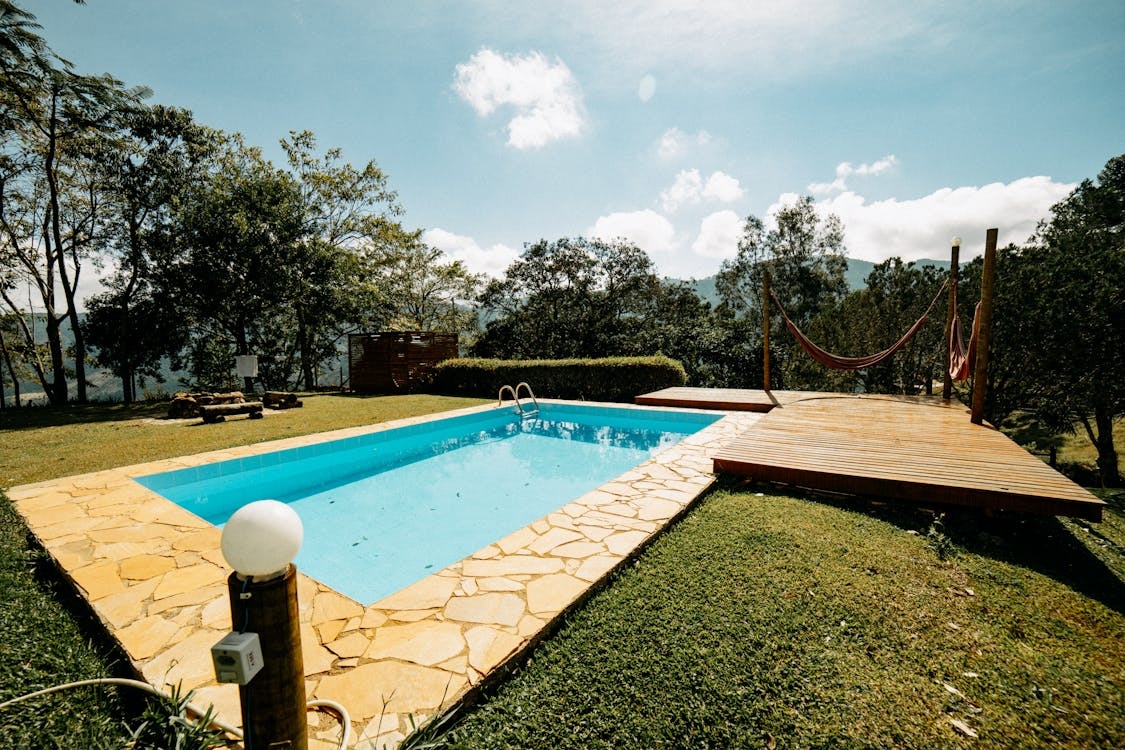
Energy-saving tips & managing high electricity costs
Pool pumps are one of the largest electricity consumers in a residential home, often ranking second only to air conditioning in summer. A few targeted strategies can cut those costs significantly without compromising water quality.
Use timers and automation: A simple mechanical or digital timer keeps your pump on a consistent schedule and prevents accidental 24/7 operation. Smart pool controllers take this further, adjusting run time based on temperature and usage patterns.
Keep the filter clean and backwash regularly: A dirty filter forces your pump to work harder to push the same volume of water, increasing energy use and reducing effective filtration.
Use a solar cover: Solar covers reduce evaporation, retain heat, and slow chemical loss — all of which reduce the load on your pump and chemicals.
Upgrade to a variable-speed pump: As described above, this single change can cut pump-related energy costs by 60–80%.
Shift to off-peak electricity hours: In many regions, electricity is cheaper at night or early morning. Set timers to align part of your pump's run time with off-peak rates.
For heavy pool users, think weekend parties, kids home all summer, or frequent family gatherings, running the pump longer during peak hours can push electricity bills noticeably higher. One practical solution is supplementing with a home battery system like the EcoFlow OCEAN Pro. It stores energy from solar or the grid during off-peak hours and discharges it to run your pool pump and other outdoor equipment when grid rates are highest. With a 24kW continuous output, it can handle a pool pump, outdoor lighting, speakers, and other party equipment all running simultaneously without breaking a sweat. The battery starts at 10kWh and scales up to 80kWh depending on your needs, and it accepts input from solar panels, portable generators, or the grid, so you're not locked into one source. For pool owners already dealing with high summer electricity costs, it's a straightforward way to reduce grid reliance during the hours it matters most.
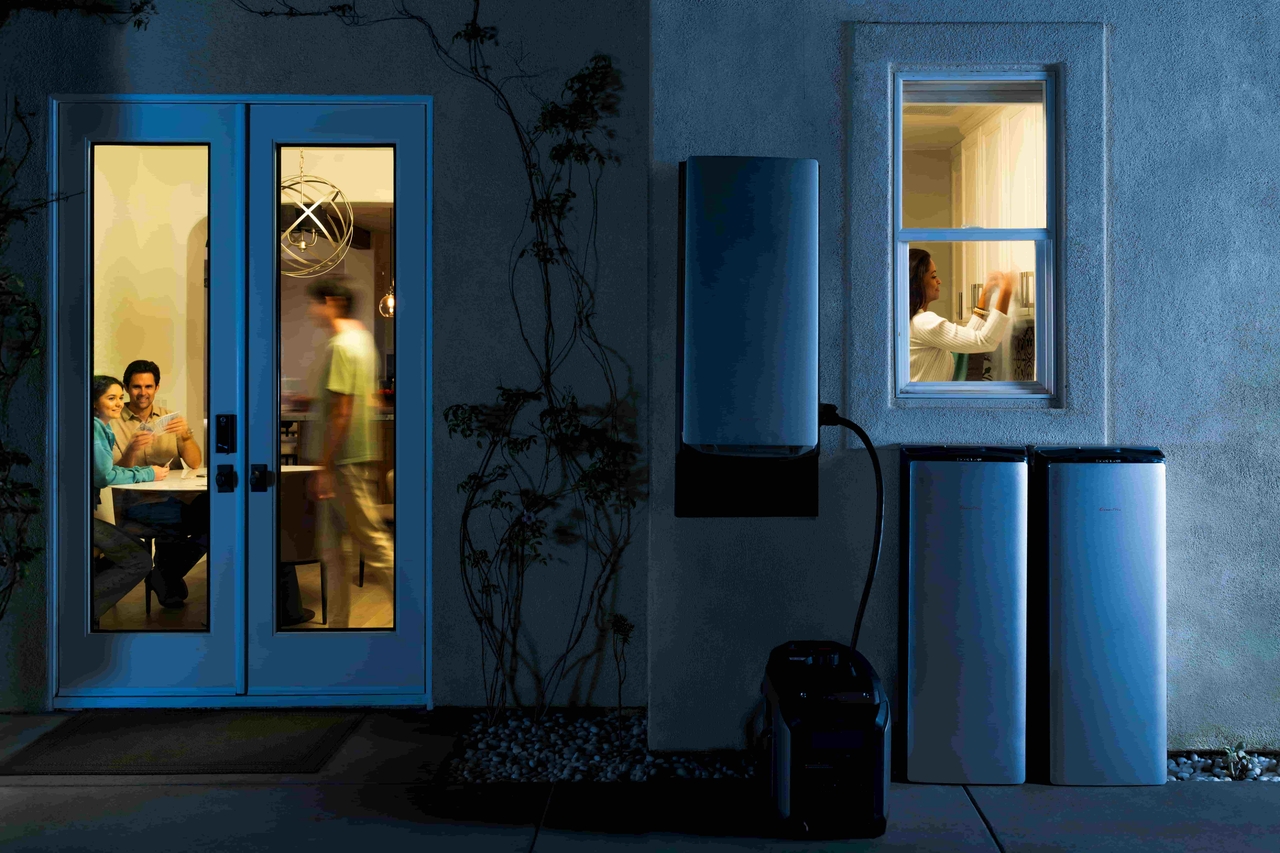
Ready to optimize your pool’s energy efficiency? Book a free consultation with our energy experts to find out how the EcoFlow Ocean Pro can power your pool equipment and slash your monthly utility bills.
Get Your Free Home Energy Consultation!
Which energy solution are you interested in?

Best time of day to run your pool pump
The best time to run your pool pump is usually during the daytime when debris, bacteria, and contaminants are most active. Running the pump during daylight hours helps improve filtration efficiency and keeps your pool water cleaner throughout the day.
For the best results, schedule your pump to run during the hottest part of the day. Warm temperatures increase algae growth and chemical activity, so proper circulation during peak heat helps distribute chemicals evenly and improves skimming performance.
Ideal pool pump timing tips
Run the pump during daylight hours for better debris removal.
Include midday or afternoon hours for improved circulation in hot weather.
Use timers or smart automation systems to maintain a consistent schedule.
Shift part of the runtime to off-peak electricity hours to reduce energy costs.
Avoid running your pool pump only at night. While nighttime operation may reduce electricity costs in some areas, it limits effective surface skimming because most leaves, insects, and debris enter the pool during the day.
For even greater efficiency, homeowners can combine smart scheduling with energy solutions like EcoFlow Ocean Pro to help manage electricity usage during peak-rate hours while keeping pool equipment running reliably.
Conclusion
Understanding how long to run pool pump systems each day is essential for maintaining clear water, balanced chemicals, and efficient energy use. While most residential pools perform best with 8–12 hours of daily runtime, the ideal schedule depends on factors like pool size, weather conditions, swimmer activity, and your pump type.
Calculating your pool’s turnover rate and adjusting runtime seasonally can help you avoid cloudy water, reduce chemical costs, and extend the life of your equipment. Upgrading to energy-efficient solutions such as variable-speed pumps and smart power management systems can further lower operating expenses over time.
For homeowners looking to improve energy efficiency and maintain reliable power for pool equipment, solutions like EcoFlow home battery can help manage electricity usage more effectively during peak demand periods, outages, or heavy pool use seasons.
FAQs
1. How many hours per day should I run my pool pump?
Run your pump for 8–12 hours in summer and 4–6 in winter. This ensures at least one full water turnover to maintain clarity and chemical balance.
2. Can I run my pool pump 24 hours a day?
Yes, especially with variable-speed pumps that use less electricity at lower speeds. Continuous operation can improve circulation, but single-speed pumps may significantly increase energy costs.
3. Should I run my pool pump while people are swimming?
Yes, you can run your pool pump while swimming, and in many cases it is recommended.
Keeping the pump on helps maintain water circulation, supports consistent chemical distribution, and allows the skimmer to remove surface debris while the pool is in use.
4. How do I know if my pump is running long enough?
Clear water, balanced chemicals, and minimal debris are signs your pump runtime is sufficient. Cloudy water, algae growth, or poor circulation may indicate longer runtime is needed.
5. Why is my pool losing 2 inches of water a day?
Losing 2 inches of water daily is usually more than normal evaporation and may indicate a leak in the liner, plumbing, or equipment. Inspect the pool system if water loss continues.

