
How Long Is Summer Break? 2026 Start, End & Duration Guide
As backpacks hit the closet, a universal question arises: exactly how long is summer break? For most U.S. families, this academic pause spans 10 to 12 weeks. While kids celebrate three months of freedom, parents face a massive shift in household routines. Knowing your district's specific timeframe helps schedule vacations and manage grocery budgets. Crucially, having everyone home during the hottest months creates a massive spike in AC electricity usage. This guide covers state-by-state break durations, practical tips for keeping kids entertained, and how smart home battery backups can keep your cooling costs low all season long.
The short answer: How long is summer break on average?
Understanding the precise duration of this holiday helps parents set realistic expectations for the upcoming months. The exact length can shift slightly depending on winter snow days or district calendar changes, but the national averages remain remarkably consistent year after year.
Breaking it Down by Numbers:
In Weeks: Families can generally expect the break to last between 10 to 12 weeks.
In Months: This timeframe equates to roughly 2.5 to 3 months without standard classes.
In Days: When counting the actual calendar days, students usually enjoy between 70 to 84 days of pure vacation time. Knowing how many days is summer break helps in plotting out daily activities without feeling overwhelmed.
Providing a bit of global context reveals just how unique the American academic calendar truly is. The United States boasts one of the longest breaks in the developed world. By comparison, students in countries like the United Kingdom, Japan, or South Korea typically receive only four to six weeks of vacation before returning to their studies. Because the American summer break holiday is exceptionally long, household management requires a bit more strategic planning.
For instance, families preparing for months of full-time occupancy often seek out specific educational resources. Researching exactly why seasonal electric bills tend to skyrocket provides a brilliant way to better understand the incoming shifts in daily utility consumption. Understanding these changes early on prevents sudden financial surprises when July arrives.
When does summer break start and end?
The timeline for exactly when does summer break start is far from uniform across the country. Local districts wield complete control over their academic calendars. This means a cousin living in one state might be out of school weeks before a relative residing in another region.

When Does Summer Break Start?
Start dates vary wildly depending on the geographic region and the local climate. Over 50% of public schools in the United States begin their holiday before June 1st. In many Southern and Midwestern states, the final bell rings right around Memorial Day weekend.
Conversely, schools situated in the Northeast, such as those in New York and New Jersey, often remain in session until the very last week of June. This later schedule usually occurs because these districts incorporate numerous snow days into their calendar to account for harsh, unpredictable winter weather.
When Does Summer Break End?
The traditional back-to-school timeline is equally diverse. Almost half of all U.S. schools resume their academic year before August 16th. This early return is incredibly common throughout the South, where starting the fall semester in early August has become the standard practice.
As households prepare for these distinct seasonal shifts and changing daily schedules, the timeline for returning to a regular routine varies significantly by region. The traditional post-Labor Day start in early September remains highly popular in the Northeast and the Pacific Northwest, pushing the end of the holiday much later into the year.
State-by-state variations in the US
The total number of days kids have off is heavily influenced by geography and local legislation. States and local school districts set their own unique calendars based on historical weather patterns, necessary snow day buffers, and specific state laws. Some states even mandate that schools cannot open until after specific late-summer holidays to actively boost local tourism and support family travel.
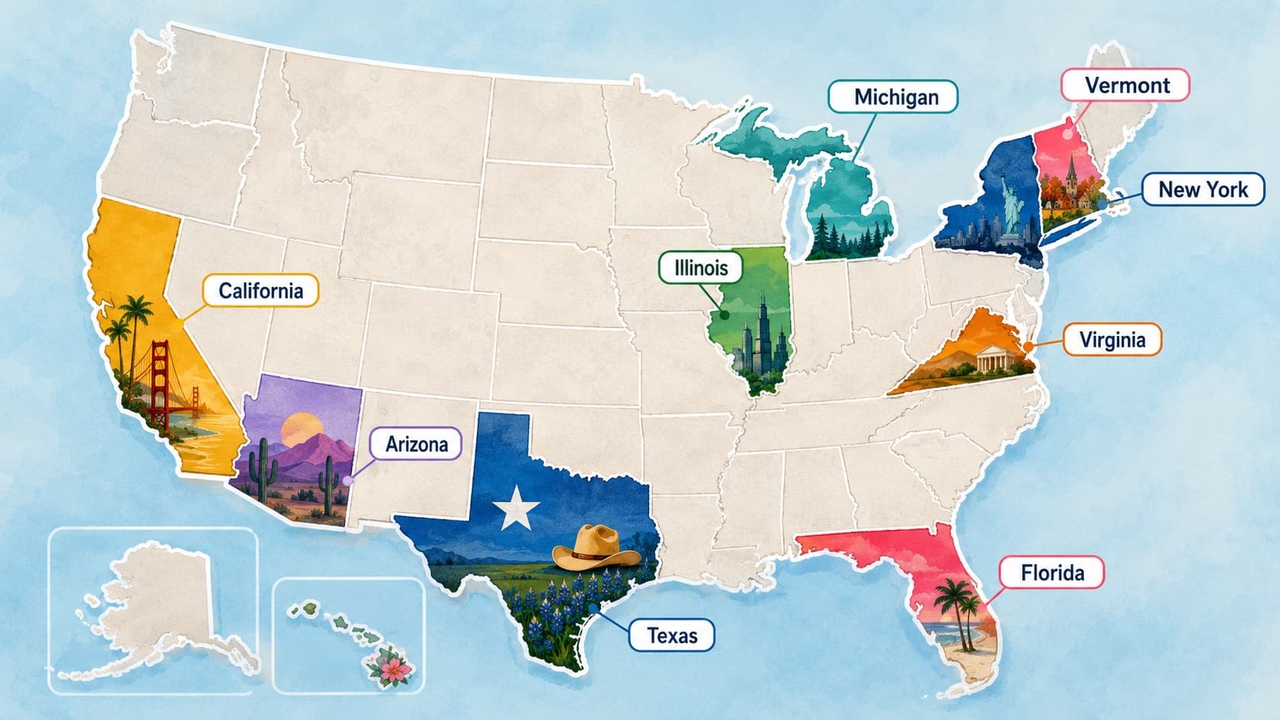
Examples of Summer Break Lengths by State:
Texas: The Lone Star State typically features one of the longest breaks in the nation, averaging around a full 12 weeks of vacation.
Florida: Following closely behind, Florida students generally enjoy around 11 to 12 weeks of downtime.
California: West Coast schools traditionally hover right around the national average, providing 10 to 11 weeks of time off.
Virginia and Arizona: Districts in these states usually offer a solid 10 weeks for their students to rest and recharge.
Illinois and Michigan: Midwestern states typically align with the national average, though late-spring blizzards can sometimes push their end dates slightly deeper into June.
Vermont and New York: These Northeastern states often fall on the shorter end of the spectrum. Due to late June dismissal dates and early September starts, their break usually spans around 8 to 9 weeks.
How to Calculate Your Own:
Figuring out exactly how many days until summer break is over requires a quick look at the local district websites like Chicago Public Schools and New York City Public Schools. Parents can easily calculate their specific timeframe by identifying the final half-day of the current school year and counting the exact calendar days until the first official morning of the upcoming fall semester. Marking this clearly on a physical family calendar in the kitchen helps everyone visualize the time they have available.
Staying cool without breaking the bank: Managing summer utility bills
Transitioning into a 10 to 12-week holiday introduces a hidden challenge that catches many households entirely off guard. When kids are playing indoors, electronics are plugged in, and the refrigerator door is constantly opening, residential electricity consumption naturally spikes. Keeping a property properly cooled is notoriously costly, leading to utility bills that can severely strain a family's seasonal budget.
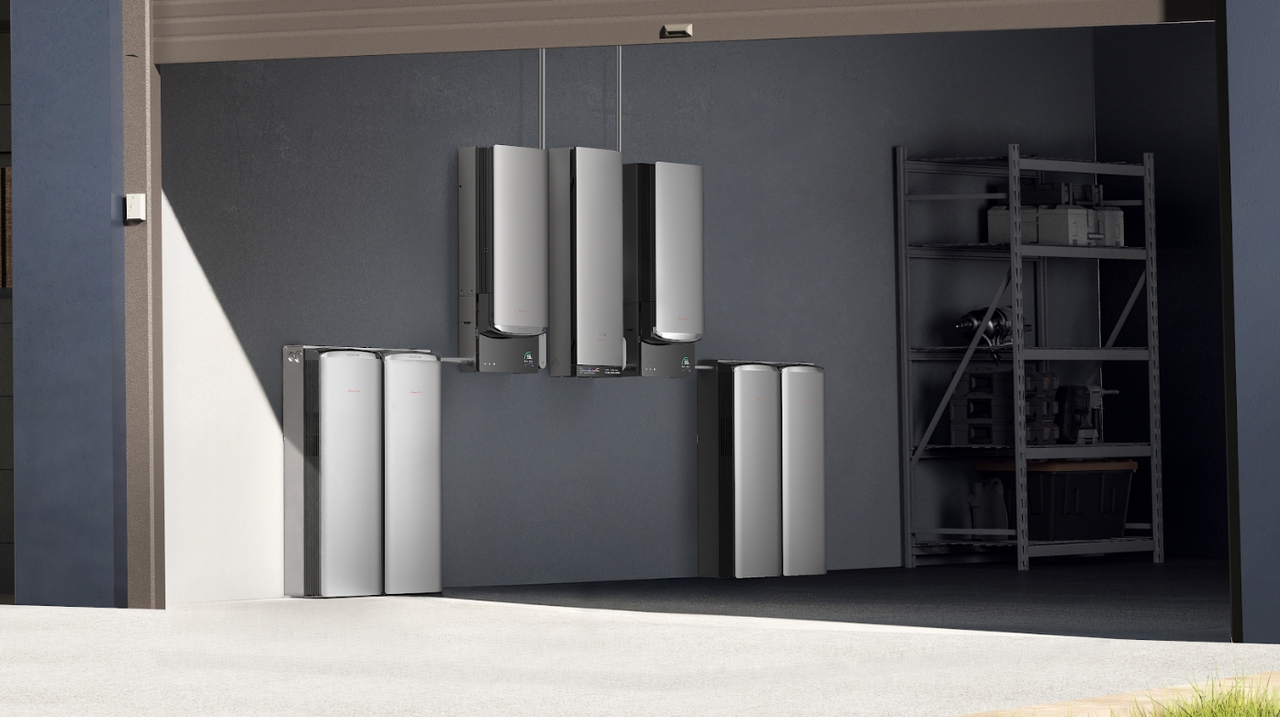
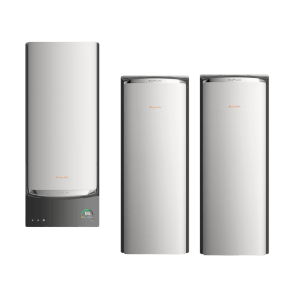
Fortunately, technological advancements offer a seamless solution for parents trying to manage these soaring seasonal expenses. For instance, families can seamlessly integrate the EcoFlow OCEAN Pro Solar Battery System into their property. This robust system utilizes a high-capacity 10kWh battery module to store energy during the morning hours when grid rates are generally at their absolute lowest.
As the afternoon sun beats down and peak pricing takes effect, the system's Intelligent Mode automatically shifts the home's power usage away from the grid and toward stored energy. This strategic Time-of-Use (TOU) energy optimization prevents the heavy financial burden of running the air conditioning constantly during the day's most expensive hours.
Are you ready to resolve your uncertainty about high summer energy costs? We can help you protect your modernized property from unpredictable grid pricing. Request A Consultation today to find the perfect energy solution for your home.
Get Your Free Home Energy Consultation!
Which energy solution are you interested in?

How to maximize the long summer break?
While a three-month vacation sounds incredibly relaxing, the sheer length of the break can present unique, frustrating challenges. Without a clear plan, 12 weeks can quickly lead to excessive screen time, sibling arguments, boredom, and the dreaded "summer slide"—a phenomenon in which students lose a notable portion of the academic progress they made during the previous school year. Here are the best ideas:
Establish a Consistent Daily Routine
Children thrive on predictability, even when they are not sitting in a traditional classroom. Establishing a loose but highly consistent daily routine helps anchor the day beautifully. Setting standard times for waking up, eating meals, and going to bed works wonders for a child's mood. A gentle, flexible routine prevents the days from blurring together into a messy haze and makes the eventual transition back to school much smoother in August or September.
Add Household Chores
The long vacation presents a perfect, uninterrupted opportunity to teach essential life skills and responsibility. Assigning age-appropriate chores ensures that the house stays tidy while everyone is home all day. Whether it involves walking the family dog, emptying the dishwasher after breakfast, or helping with basic yard work, contributing to the household gives kids a healthy sense of purpose and accomplishment during their downtime.

Balance Free Play with Structured Activities
Finding the sweet middle ground between total boredom and an over-scheduled calendar is key to a peaceful house. It is highly beneficial to balance imaginative free play with a few carefully chosen structured activities. Parents can look into local community camps, sign up for engaging library reading programs, or organize weekly DIY craft sessions at the kitchen table. These structured moments keep the brain highly active and help prevent unwanted academic regression.
Create a Flexible Summer Bucket List
A wonderful way to keep enthusiasm high is to sit down as a family during the first week of vacation and create a fun bucket list. This list can include simple, low-cost activities like visiting a new local park, baking a complicated dessert, or having a backyard campout. Checking items off this list provides a sense of forward momentum and ensures the weeks do not slip by unnoticed.
Plan Meaningful Vacations
Finally, using the clarity of your local school calendar allows you to plan fantastic family vacations or relaxing local staycations. Knowing exactly how many weeks of summer break your district has allows you to confidently book trips during off-peak times, potentially saving a significant amount of money on airfare and hotels. Even short weekend camping trips or pleasant visits to nearby historical sites create lasting memories and break up the long stretch of weeks spent at home.

Wrapping up
Understanding the true length of this highly anticipated season makes managing the household significantly easier. While the exact answer to how many weeks are in summer break varies widely by state and local district, parents across the country can generally expect to manage about 10 to 12 weeks of holiday.
By familiarizing yourself with your local educational schedule early on, you can accurately count down the days and properly prepare for the massive household transition. Proactively planning engaging daily activities, establishing healthy routines, and taking decisive steps to manage household cooling costs through smart energy optimization will effortlessly transform a daunting three months into a wildly positive experience. With a solid, adaptable plan in place, your entire family can truly enjoy a comfortable, memorable, and wonderfully budget-friendly vacation.
Frequently Asked Questions (FAQs)
How long is a summer break in the US?
It averages 10 to 12 weeks across the country, meaning kids generally get around 70 to 84 days off. The exact length depends heavily on local school district calendars, regional weather patterns, and specific state educational mandates.
What can a 13-year-old do all summer?
Teens can volunteer, read heavily, or try new creative hobbies. With the AC running all day, indoor activities remain highly popular. Utilizing an EcoFlow OCEAN Pro helps keep the house comfortably cool affordably while teens relax inside safely.
When does summer break end?
Most public schools will resume their classes between mid-August and early September. Southern states typically start much earlier in August, whereas schools located in the Northeast often wait until right after the Labor Day weekend.
How many days are there in summer break?
Usually, there are between 70 and 84 days of pure vacation time. Counting the weekends, this generous timeframe provides families with ample, uninterrupted opportunity to plan extensive travel and establish comfortable, slow-paced daily routines.
Are college summer vacations as long as K-12 summer breaks?
College breaks are generally much longer, often lasting a full 14 to 16 weeks. University students typically finish their rigorous spring semesters in early May and do not officially return to their dorms until late August.

