
How Do You Prepare for a Snow Storm? Essential Power & Safety Tips
When severe winter weather hits in 2026, many people ask a simple question: How do you prepare for a snow storm? Having a practical plan makes a noticeable difference. Nobody wants to sit in a freezing house when the local power grid fails.
In the past, families relied heavily on open-flame candles or portable gas generators. However, these older methods often fall short when a house needs long-term heating. Today, getting a property ready for a multi-day freeze requires a more modern approach. By weather-proofing your plumbing and setting up a dependable home battery backup, you create a secure foundation to keep everyone warm and safe.
Securing your home before the flurries hit
Taking action before the temperature drops protects the physical structure of a house. A sound approach involves evaluating the property for vulnerabilities where cold air might enter or where freezing temperatures could cause mechanical damage. Modernizing a property into a closed home energy ecosystem yields noticeable improvements in indoor heat retention and overall system efficiency.
Insulating windows and doors
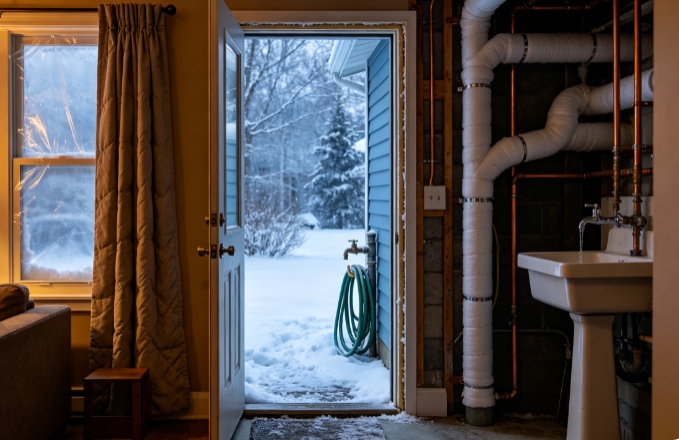
Drafty entryways account for a surprising amount of indoor heat loss. Fixing this is actually pretty straightforward. Applying basic weatherstripping around door frames creates a solid physical barrier against cold air.
Adding a layer of clear plastic film across window panes is another practical move. It forms an insulating pocket of air. In fact, official guidance from the U.S. Department of Energy points to clear plastic film as a cost-effective way to cut down on winter energy loss. Hanging thick drapes also helps trap that indoor heat at night, which takes some of the workload off the primary heating unit.
Protecting outdoor and indoor plumbing
Water expands when it freezes, putting serious pressure on metal and plastic pipes. Wrapping exposed pipes with foam sleeves in unheated areas like basements prevents ice blockages from forming deep inside the plumbing network.
Inside the house, letting faucets drip slightly relieves pressure in the lines. A slow drip is often enough to stop pipes from bursting during a hard freeze, saving homeowners from expensive water damage later. Outside, remember to disconnect all garden hoses and shut off the internal valves supplying water to outdoor spigots so the fixtures don't crack.
Building a winter survival and emergency kit
To properly prepare for winter storm conditions, getting ready means gathering some basic supplies before the weather turns bad. When roads ice over, households have to rely on whatever is already in the pantry. Stocking up early lets people skip the chaotic grocery store lines and guarantees they have what they need to stay safe.
Stocking non-perishable food and water
Staying nourished helps the body retain heat when a house gets cold. Since human bodies burn more calories trying to stay warm, having the right food is highly practical.
Drinking water: Keep at least 1 gallon (3.78 liters) of water per person daily.
Ready-to-eat foods: Pick up high-energy snacks that don't need cooking or refrigeration. Peanut butter, protein bars, and canned goods work well.
Manual can opener: Keep one in the emergency kit alongside a few basic utensils to make eating easier during an outage.
Essential warmth and safety supplies
If the primary heating system stops, trapping body heat becomes the main focus. Keeping warm clothing and safety gear in one spot saves time.
Pulling out sleeping bags and heavy woolen blankets and keeping them in a central room concentrates body heat in a smaller area. For clothing, layering is the way to go. Moisture-wicking base layers under thick outer layers trap warmth nicely. For communication, a battery-operated radio is a good addition. Guidelines from the Ready campaign point out that a battery-operated NOAA weather radio helps households catch real-time emergency broadcasts, even if local cellular networks go down.
Planning for extended winter power outages
Understanding how to prepare for a winter storm means looking realistically at household energy limits. Extended blackouts introduce unique hazards, especially regarding how people try to stay warm in a freezing home. Finding safe indoor heating methods and setting up a dependable home battery backup changes how a household handles severe weather.
Safe indoor heating methods
When indoor temperatures plummet, using whatever heat source is available is tempting. However, some makeshift heating methods carry serious health risks. Things like camp stoves, charcoal grills, or unvented gas space heaters should never be used indoors. They release carbon monoxide, an odorless gas that builds up fast and poses major health dangers.
Keeping exterior exhaust vents for furnaces and water heaters clear of snow is just as important. Leaving at least 3 feet (0.9 m) of clearance stops exhaust gases from backing up into the living space. For homes with wood-burning fireplaces, a metal screen in front of the hearth catches popping embers.
Reliable backup power during blackouts
When neighbors start wondering, "How long could power be out during this ice storm?", the uncertain timeline proves why relying only on portable gas generators isn't always practical. They need constant refueling in the freezing cold and can be quite noisy. A grid-tied system like the EcoFlow OCEAN Pro Solar Battery System provides a quieter, continuous power reserve for the whole property.
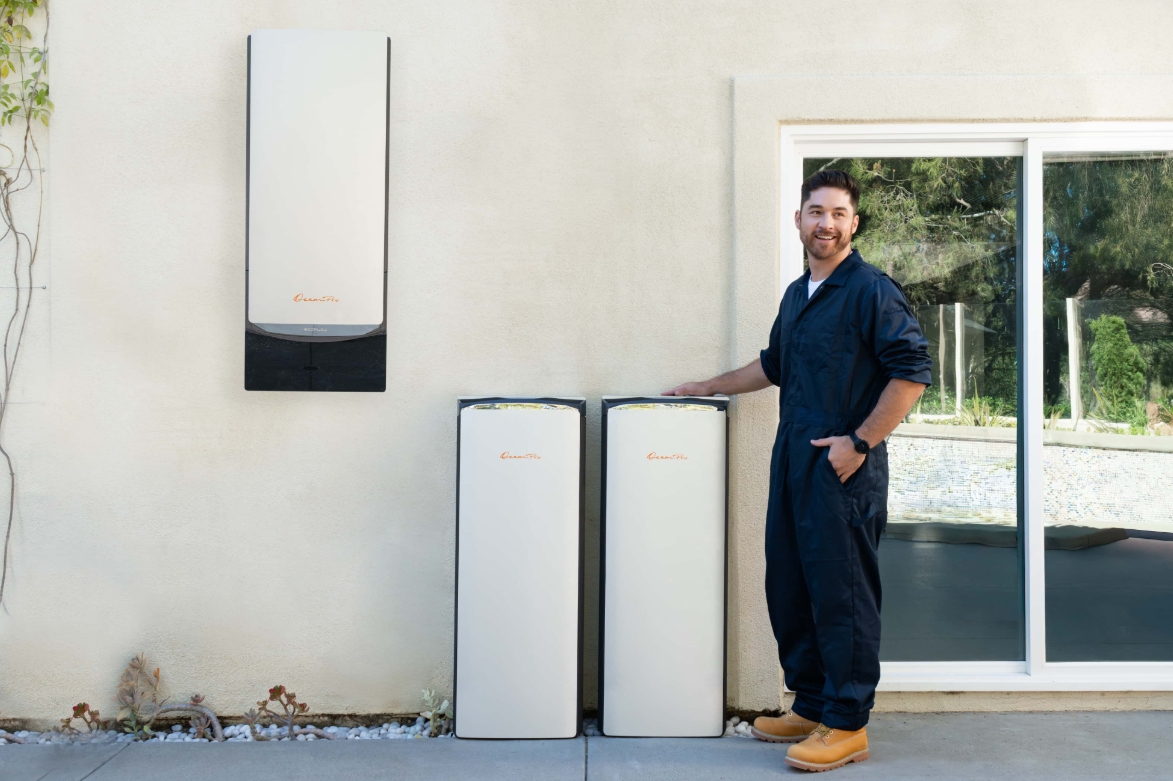
An average home dealing with a multi-day winter outage needs a fair amount of energy to stay habitable. This specific battery setup delivers up to 24kW of continuous output. That is enough muscle to run heavy appliances, like a 5-ton HVAC system, along with kitchen appliances and lighting. It keeps a house running smoothly without forcing anyone to walk out into the snow to manually refuel a motor.
Having a robust battery system installed also helps manage daily energy costs. With Intelligent Mode, the system shifts household energy loads to off-peak pricing hours. This offsets high winter electricity rates from the utility company, while still keeping backup reserves ready for a sudden freeze.
Get Your Free Home Energy Consultation!
Which energy solution are you interested in?

Are you ready to resolve your uncertainty about winter grid failures? We can help protect your home. Request a consultation today to find the right energy solution before the next storm hits.
Essential post-storm safety and recovery steps
Part of learning how to prepare for winter storm hazards is understanding that the physical risks don't vanish the second the snow stops. Recovery carries its own set of challenges, from heavy lifting to navigating around damaged trees. Being careful while clearing pathways prevents secondary injuries.
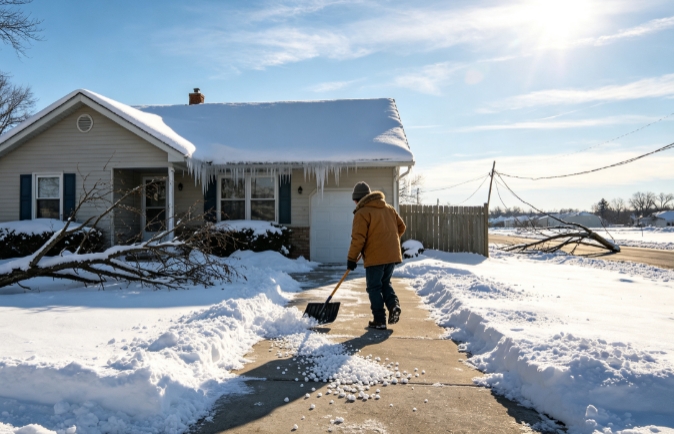
Safe snow removal techniques: Shoveling is demanding physical work. The National Weather Service recommends taking frequent breaks to avoid strain. Push the snow aside instead of lifting heavy scoops, and apply rock salt to prevent hazardous ice buildup.
Evaluating property damage safely: Scan the roof from the ground to check for heavy snow loads or ice dams. Walk the yard to spot downed branches, and immediately report any fallen power lines to the local utility company from a safe distance.
Conclusion
Figuring out how to prepare for power outage in winter comes down to a few practical steps. Insulating the house, keeping supplies stocked, and setting up a dependable power reserve let households face severe weather with confidence. Solid preparation for winter storm events takes the stress out of the situation and helps keep the home comfortable until normal services resume.
FAQs
What should I stock up on before a snowstorm?
Keep one gallon of water per person daily for hydration. Pick up non-perishable foods like protein bars and canned goods. Store a manual can opener, heavy blankets, first-aid items, and extra batteries in an easy-to-reach spot.
How do I prepare my house for a snowstorm?
Use weatherstripping on doors and windows to block drafts. Wrap exposed basement pipes with foam insulation to stop freezing. Let indoor faucets drip to relieve water pressure, and check that exterior heating vents are clear of snow.
How long could the power be out during this ice storm?
Outages from severe ice storms can last anywhere from a few hours to several days. Heavy ice accumulation breaks tree branches and downs power lines, meaning utility crews need extra time to navigate slick roads and finish repairs.
How to prepare for a power outage in winter?
Gather warm clothing and avoid indoor gas heaters to prevent carbon monoxide buildup. For reliable warmth, many homes use the EcoFlow OCEAN Pro. With 24kW of continuous output to run a 5-ton HVAC system, it keeps a house warm without gasoline.

