
Home Maintenance Checklist: Guide to Routine Maintenance Tips
A home maintenance checklist helps homeowners get ahead of costly repairs by catching small problems before they become big problems. This guide covers 6 essential tips and tricks to follow, common mistakes you can avoid, and how integrating smart home battery backup solutions can help upgrade your home.
6 Essential house upkeep list for every home
1. Replace HVAC filters regularly
The first thing on your house maintenance checklist is replacing your HVAC filters regularly. Your heating and cooling system works harder than any other appliance you have in your home. Dirty air filters restrict airflow, making the HVAC unit work harder and use more energy to provide less indoor comfort.
Most disposable filters should be changed every one to three months, but homes with pets, allergies, or heavy HVAC use may require more frequent changes. This easy chore will enhance the quality of the air inside your home, cut down on energy use, and help your HVAC system operate efficiently throughout the year.
2. Monitor your home's electrical system
Safety hazards may be caused by loose connections, overloaded circuits, aging breakers, or malfunctioning appliances, which can also increase electricity costs without any warning signs. By regularly inspecting outlets, switches, circuit breakers, and visible wiring, you can catch problems before they become serious.

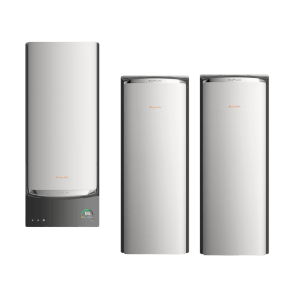
The EcoFlow Ocean Smart Electrical Panel 40, designed specifically for the EcoFlow Ocean Pro home energy ecosystem, delivers 24/7 intelligence to your home's electrical infrastructure. Instead of being an add-on subpanel, it can replace a traditional 200A main service panel and support up to 40 smart circuits, allowing homeowners to monitor and manage individual circuits throughout the home from a single platform.
3. Track energy usage to spot inefficiencies
Unexpected increases in electric bills may be a sign of problems such as inefficient appliances, older HVAC systems, failing water heaters, or devices that are pulling extra power while in standby mode. Keeping an eye on your home's energy consumption can help you catch these problems early, so they don't lead to costly utility bills or equipment failures.
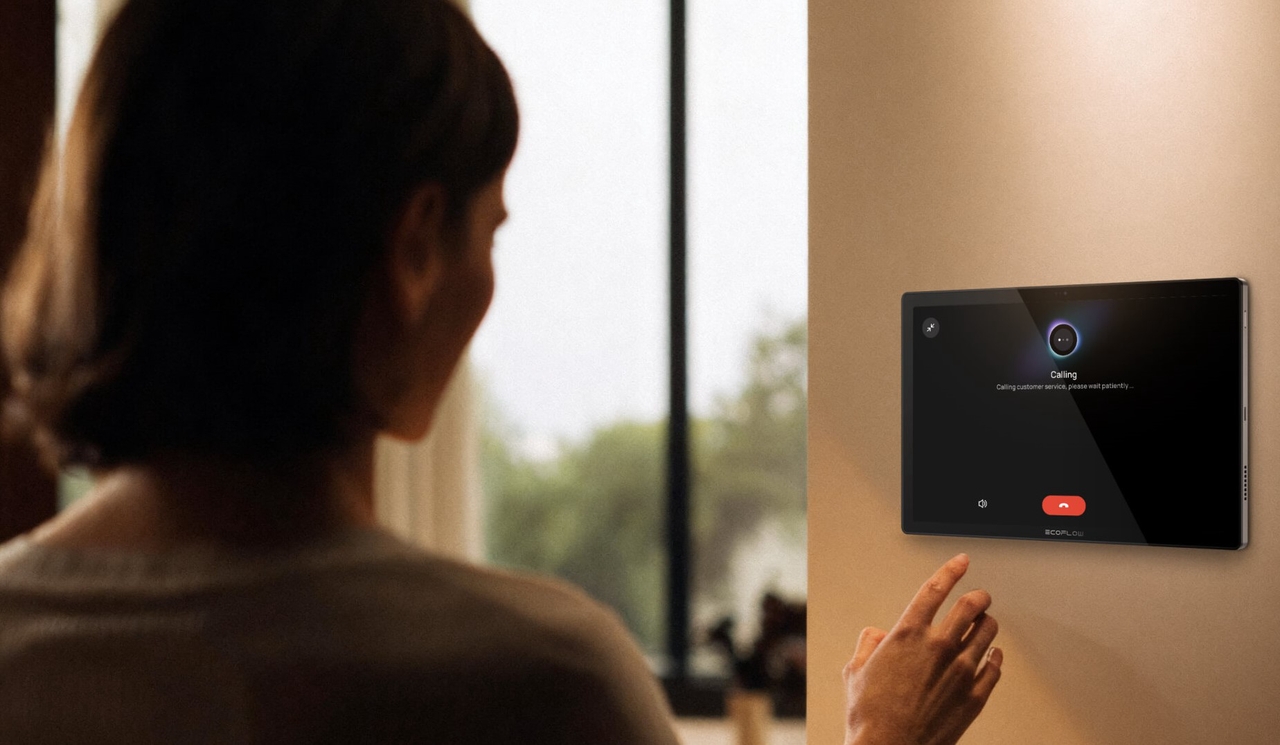
The EcoFlow PowerInsight 2 monitor is the visual hub of the EcoFlow Ocean Pro ecosystem, giving you real-time visibility into your home's energy flow through an 11-inch touchscreen display. It shows live data on home electricity use, solar power generation, and battery charging and discharging, making it easy to spot unusual spikes in energy use and get a better understanding of where electricity is being used. PowerInsight 2 also supports Matter 1.4, so homeowners can monitor and control compatible smart home devices such as lights, thermostats, and smart plugs from one interface.
4. Inspect plumbing for leaks
Checking plumbing leaks is important whether you are making a house upkeep checklist or a new home checklist. A tiny plumbing leak can waste thousands of gallons of water each year and cause unseen structural damage behind walls, under flooring, or in cabinets. Water damage also creates the perfect breeding ground for mold, wood rot, and expensive foundation issues if left untreated.
Inspect faucets, supply lines, shut-off valves, toilets, sinks, water heaters, and exposed pipes several times a year. Look for leaking fixtures, corrosion, water stains, soft drywall, wet cabinets, or unusually high water bills. It is usually much cheaper to fix small plumbing problems now than to fix major water damage later.
5. Clean gutters and check the roof
Rain and moisture don't stand a chance against your roof and gutter system that protects your home's entire structure. Gutters are susceptible to clogging from leaves, branches, dirt, and debris that may block water flow.
Clean gutters at least twice a year, usually in spring and fall, and more often if you have large trees around your property. While you're cleaning, check for damaged shingles, cracked flashing, loose vents, sagging gutters, or any evidence of water getting into the roof.
6. Seal air leaks around windows and doors
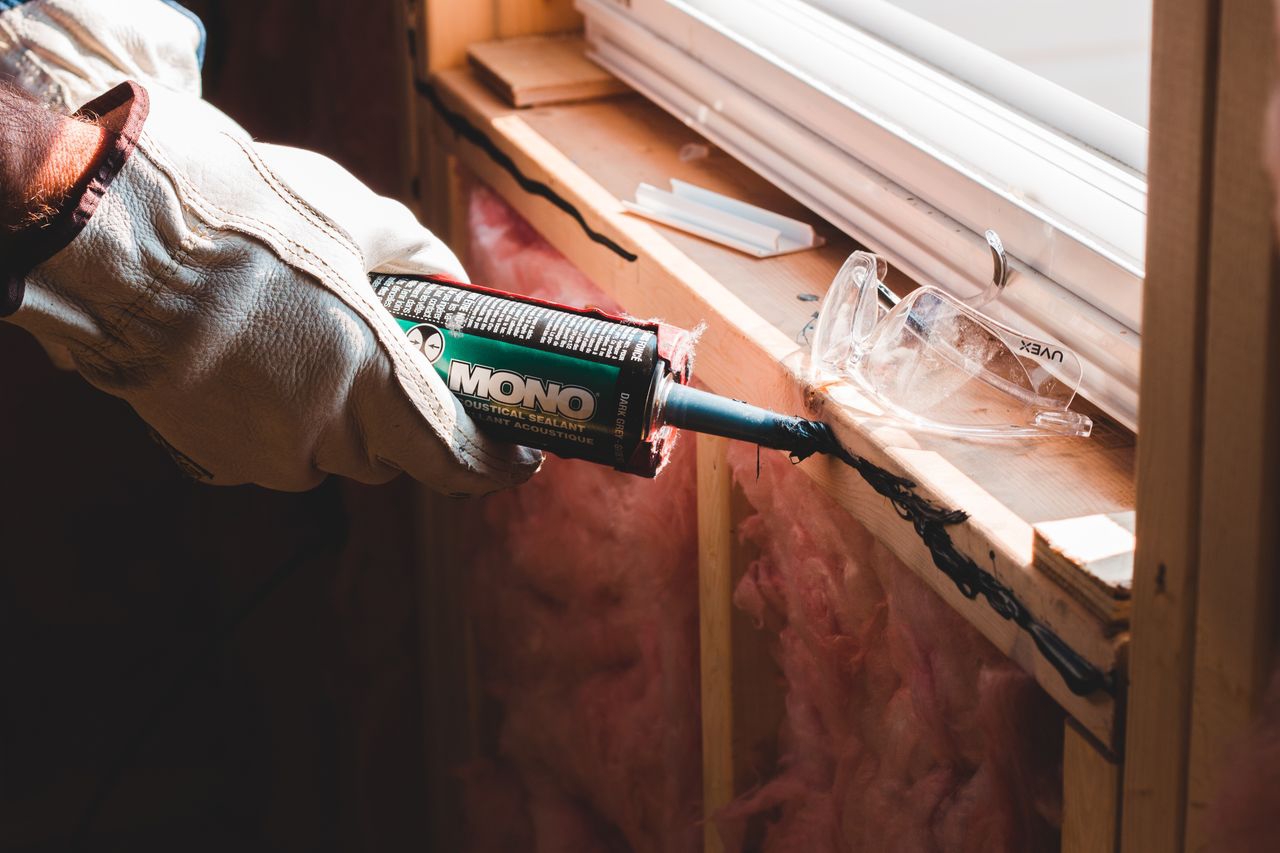
Small openings around windows, doors, attic openings, and utility penetrations allow conditioned air to escape year-round. Those air leaks cause your HVAC system to work harder, which raises your utility bills and makes indoor temperatures less comfortable.
Inspect weatherstripping, caulking, door sweeps, and window seals annually. Replace any worn-out weatherstripping and caulk any new openings that have appeared. Watch old windows, attic hatches, garage doors, and plumbing or electrical penetrations through exterior walls.
Common home maintenance mistakes to avoid
Ignoring small leaks
Small leaks in your plumbing may not seem like a big deal, but they can cause mold growth, damage to your drywall, warped flooring, and structural deterioration. Immediate attention to small leaks can save big repair costs later.
Forgetting seasonal inspections
Each season places different demands on your home. Spring is best for roof and gutter inspections, summer home maintenance checklist includes HVAC servicing, autumn is the time for weatherproofing, and winter is ideal for plumbing and heating system checks. Seasonal scheduling makes sure nothing important is missed.
Season | Home maintenance checklist |
Spring | Inspect the roof for winter damage, clean gutters and downspouts, check the foundation for cracks, inspect exterior siding, test outdoor faucets and irrigation systems, and service air conditioning units before summer. |
Summer | Replace HVAC filters, schedule HVAC servicing, inspect decks and patios, trim trees near the roof, check windows and doors for air leaks, and monitor your home's electrical system and energy usage. |
Autumn | Clean gutters after leaves fall, inspect the roof again, seal gaps around windows and doors, service the heating system, inspect the chimney (if applicable), and winterize outdoor plumbing and irrigation systems. |
Winter | Check insulation in the attic and crawl spaces, inspect pipes for signs of freezing or leaks, test smoke and carbon monoxide detectors, monitor heating system performance, and keep an eye on energy consumption for unusual spikes that may indicate equipment issues. |
Skipping HVAC servicing
Replacing filters alone is not enough. Regular professional servicing of your air conditioning system will help detect worn parts, refrigerant issues, airflow restrictions, and mechanical problems before they lead to costly breakdowns in extreme weather.
Neglecting gutter cleaning
Blocked gutters can cause water to spill onto roofing materials, siding, foundation, and landscaping. Proper drainage is maintained through regular cleaning, and unnecessary water damage is avoided.
Waiting until something breaks
Reactive maintenance is nearly always more costly than preventive maintenance. Regular inspections and smart monitoring tools that provide real-time insights can catch problems before they become emergencies.
Conclusion
Following a consistent home maintenance checklist throughout the year helps homeowners reduce repair costs, improve energy efficiency, and extend the lifespan of critical home systems. Simple preventive tasks such as replacing HVAC filters, checking plumbing, inspecting the roof, sealing air leaks, and monitoring electrical systems can prevent many expensive problems before they develop.
Smart monitoring technologies further strengthen routine maintenance, like EcoFlow Ocean Smart Electrical Panel 40, which continuously monitors household circuits, while PowerInsight 2 provides real-time visibility into whole-home energy usage, battery performance, solar generation, and electricity consumption. Why wait? Request a consultation today and keep your home operating efficiently.
Get Your Free Home Energy Consultation!
Which energy solution are you interested in?
FAQs
What is included in a homeowners' maintenance checklist?
Some common items on a home maintenance checklist might include changing HVAC filters, checking electrical systems, looking for plumbing leaks, cleaning the gutters, checking the roof, sealing air leaks, testing smoke detectors, servicing heating and cooling equipment, and monitoring energy use.
How often should I inspect my home's electrical system?
Every few months, do a basic visual inspection of outlets, switches, and circuit breakers, and schedule a professional electrical inspection every year (or sooner if you have an older home). Smart circuit monitoring systems can provide continuous visibility between inspections by detecting abnormal electrical activity in real-time.
How can smart home technology improve home maintenance?
Smart home technology automates monitoring that would otherwise require frequent manual inspection. Tools that monitor electrical circuits, energy consumption, battery health, and appliance usage can spot unusual activity early, allowing homeowners to take action before small problems become expensive repairs. Many systems also have alerts, historical usage reports, and remote monitoring for convenience.
How does monitoring energy usage support routine home maintenance?
Tracking energy consumption can reveal hidden inefficiencies that may point to maintenance issues like faulty HVAC systems, outdated appliances, overloaded circuits, or unnecessary standby power. Homeowners can use real-time energy data to quickly investigate unusual spikes, improve energy efficiency, lower utility bills, and identify potential equipment problems before they cause costly failures.

