
Choosing Smart Home Energy Solutions for Complete Power Control
Power outages are frustrating. Utility bills keep climbing higher every single year. That is the harsh reality that homeowners face today. When exploring modern home energy solutions, transitioning to a reliable smart home energy management is a vital step toward long-term sustainability. The right system does much more than just keep the lights on. It provides total peace of mind during unexpected storms and outages. Beyond that, it significantly reduces your daily electricity costs. It does this through the intelligent management of your household's unique power needs. By taking control of your power, you no longer have to worry about extreme weather or changing utility rates. You finally get to secure your home.
The Foundation of Modern Green Home Energy Solutions
The way we power our homes is shifting. We used to rely heavily on distant power plants. Electricity traveled for miles through fragile lines, and when a storm hit, you just sat in the dark.
Today, residential power is completely different. By upgrading to green home energy solutions, you basically build a mini power plant right on your property. But generating power is only the first step. Home energy storage is the real anchor for modern houses.
Think about it. The sun shines brightest at noon when you are probably at work. Without a battery, that valuable solar energy just flows right back to the utility grid. A high-capacity battery captures that free energy. It stores the power safely until you actually need it at night or during a blackout.
This setup empowers you to manage your own electricity. You no longer have to depend on the utility company to keep your family safe (learn more details in the guide on smart home energy management). With real-time visibility into every watt used, you gain total control over your energy consumption and monthly savings.
Essential Components of Whole Home Energy Solutions
Building a resilient power infrastructure takes more than just buying a few panels. It requires a complete network of smart devices. These devices must talk to each other seamlessly. If you want to dive deeper into the complete setup, explore these whole home backup power solutions. Here are the six key parts of a resilient energy infrastructure for your modern home.
Solar Panels
Capturing the sun's raw power is the very first step. Solar panels sit on your roof and convert sunlight into Direct Current (DC) power. Modern arrays are highly efficient, harvesting energy even on cloudy days. The more panels you have, the faster your battery recharges during a blackout.
Home Battery Storage
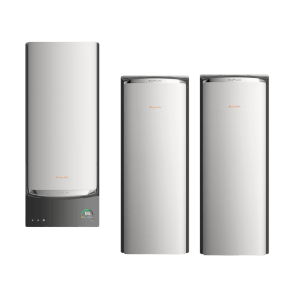
The battery system is the true anchor of your home's resilience. It stores excess daytime solar energy and seamlessly takes over during grid failures. You need high continuous output, modular scalability, and extreme weather durability. For example, a permanent, grid-connected asset like the EcoFlow OCEAN Pro delivers 24kW of continuous whole-home backup, scales up to 80kWh to match your growing energy needs.
Smart Circuit Control
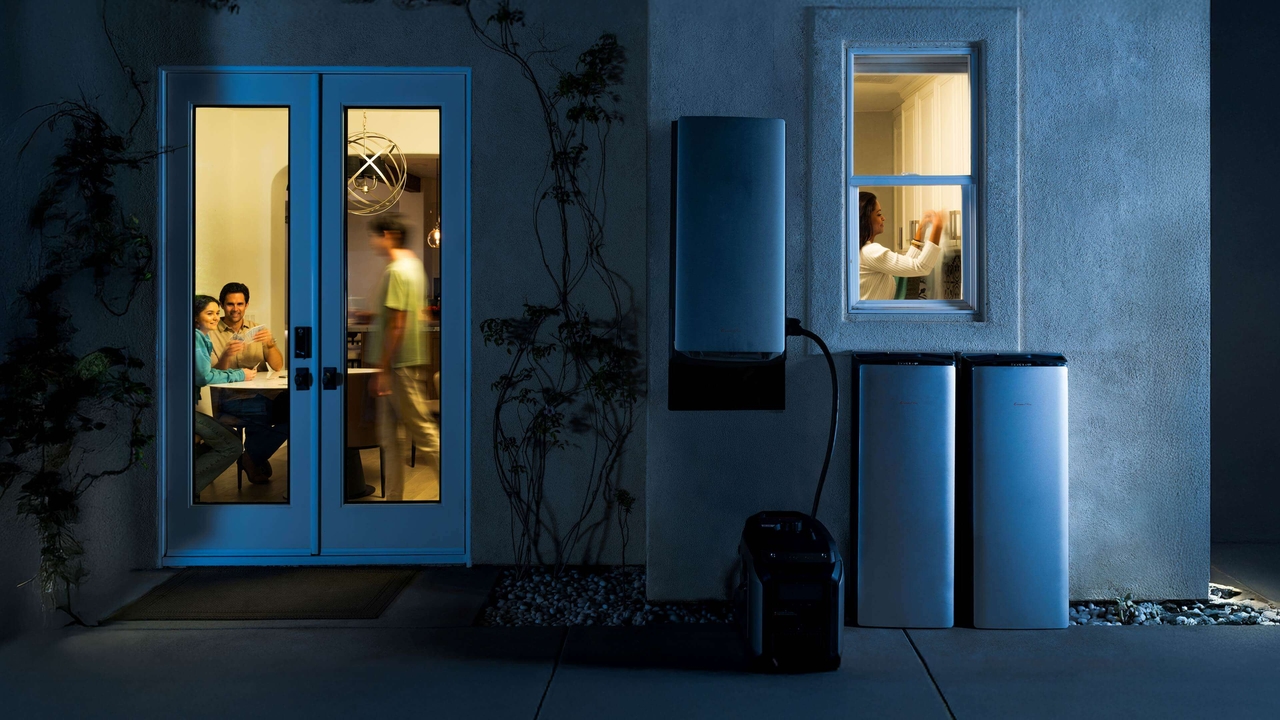
Advanced smart panels completely replace your existing, outdated main breaker box. They actively manage your electricity and provide real-time monitoring. You can see exactly how much power your heavy appliances use. You can even turn specific circuits off right from your phone during a blackout to easily save battery life.
Power Conversion System
Your house cannot run on raw DC solar power. Advanced hybrid systems act as a digital translator, converting DC power into the Alternating Current (AC) power your appliances actually need. They efficiently manage the heavy flow of electricity, moving power between your roof, your battery, and the grid without losing valuable energy.
EV Charging
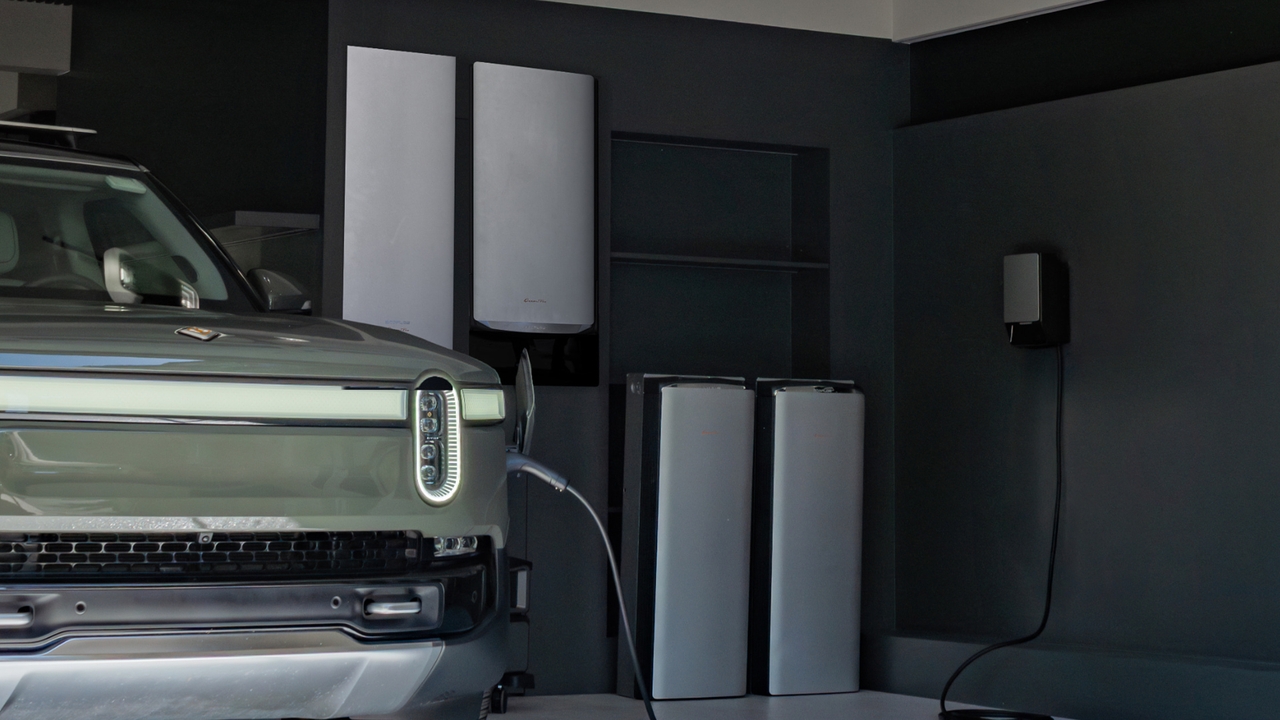
Charging an electric vehicle takes a massive amount of electricity. Integrating EV charging into your home's network allows you to charge your car using free solar energy instead of expensive grid power. Remember, this requires professional installation by a certified electrician to ensure strict code compliance and whole-home safety.
Smart Energy Apps
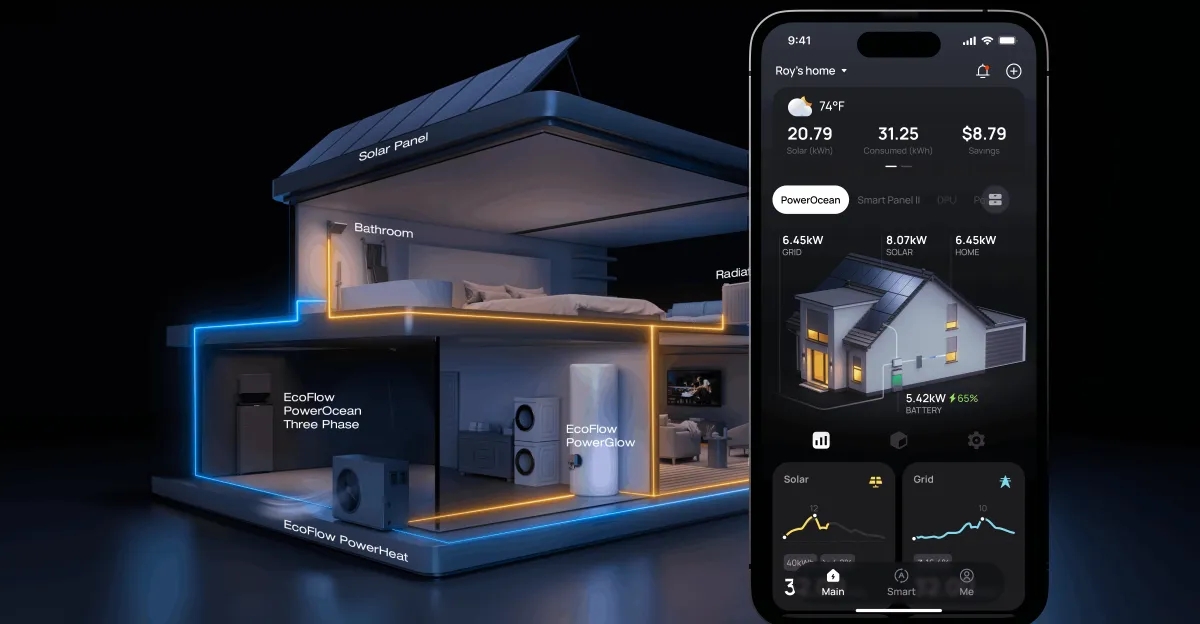
The most effective home solar energy solutions actively manage your power usage. Intuitive smartphone apps use advanced Intelligent Mode algorithms to automatically shift heavy loads to off-peak hours. They run your heavy appliances when electricity is cheapest. This gives you total control and saves you serious money every month without you lifting a finger.
Benefits of Smart Home Energy Solutions
Buying a battery system is a serious financial investment. But it is one of the very few home upgrades that actually pays you back over time. To truly maximize your returns, your setup must do more than just store power. It needs to actively manage that power. A permanent, grid-connected asset like the EcoFlow OCEAN Pro acts as the financial engine of your home. It utilizes advanced algorithms to ensure every kilowatt is either used efficiently or sold back profitably.
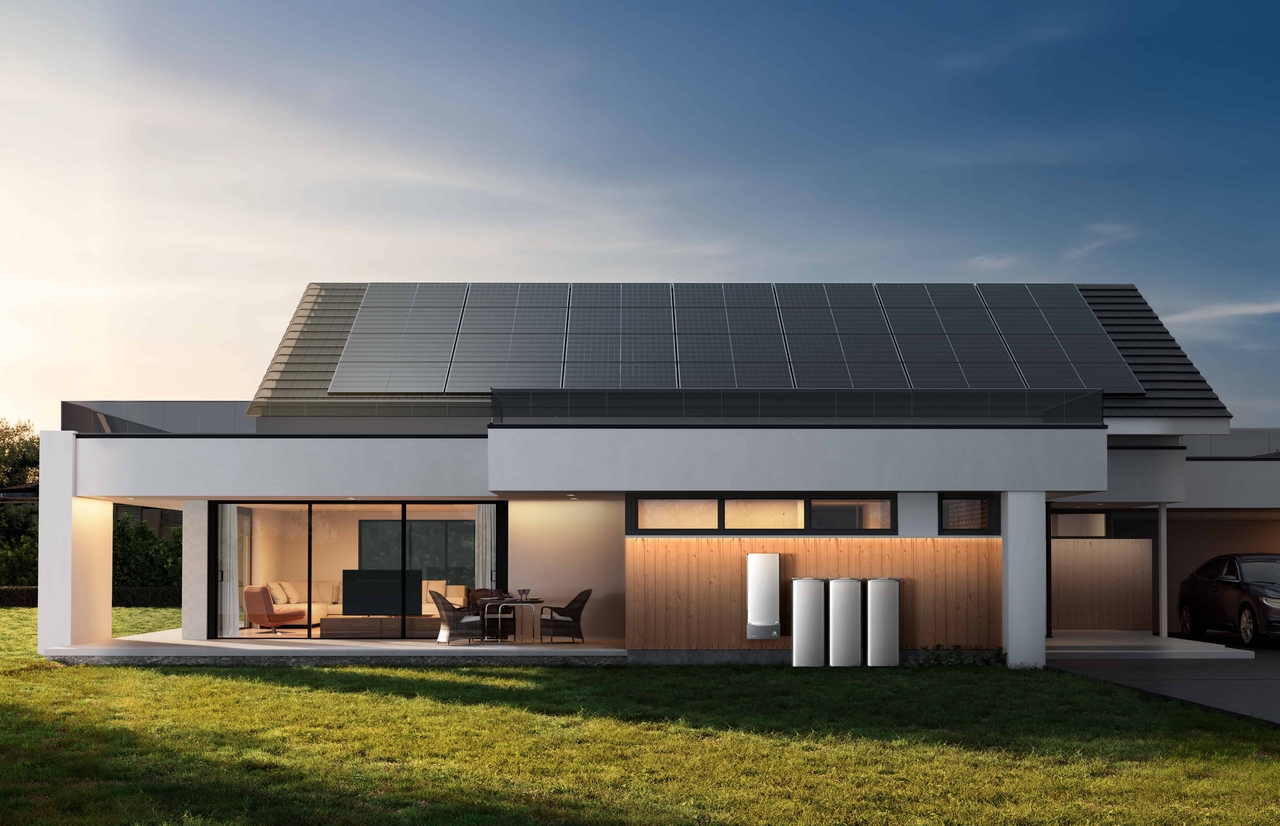
Unlimited Whole-Home Backup: When the grid completely fails, your life does not have to stop. A high-capacity system keeps your entire house running smoothly. You can comfortably power your heaviest appliances, like your central air conditioner and water pump, without worrying about your system shutting down.
Customized Circuit-Level Control: You are in total command of your electricity. By using a smart electrical panel and a simple app on your phone, you can see exactly where your power goes in real-time. You can turn specific circuits on or off from anywhere. This lets you decide exactly which rooms or appliances get priority power during an outage.
Turn Sunlight Into Savings and Earnings: Your setup must do more than just store power. It needs to actively make you money through five key strategies:
Leverage Time-of-Use (TOU) Optimization: Utility companies charge you much more when demand is high. You can shift your heavy power consumption to off-peak hours automatically by using Intelligent Mode. Your smart system will charge your battery when power is cheap. It will run your house off that battery when grid power is expensive. This dramatically lowers your monthly bills.
Participate in Virtual Power Plants (VPP): You can actually become a mini energy supplier. You can monetize your surplus stored energy. You do this by dispatching it back to the grid when utility demand—and payout rates—are at their absolute highest.
Capitalize on Net Metering Programs: Even without full VPP programs, you can still win. You can earn stable utility credits for the excess daytime solar generation your system captures. The meter basically spins backward, saving you money.
Lock In Long-Term Energy Rates: Utility prices rise every single year. It never fails. Generate and store your own power to completely shield your household from these unpredictable, continually rising utility costs. You lock in your energy rate on day one.
Increase Your Property Value: Buyers love modern, smart homes. You can boost your home's resale value by installing a permanent, high-performance energy asset. Future buyers actively seek out these systems. They are often willing to pay a premium for a home that is already energy independent.
Are you ready to resolve your uncertainty about home battery backups? We can help you build the perfect, reliable energy setup for your household. Request A Consultation today to secure your power.
Get Your Free Home Energy Consultation!
Which energy solution are you interested in?

How to Choose the Right Home Energy Storage Solutions
Every house is completely different. You use electricity differently than your neighbors. To find the perfect setup for your family, you need to look closely at your daily habits. Follow these three simple steps to figure out exactly what your home requires.
Step 1: Calculate Your Peak Power Draw: First, look at your biggest energy users. This includes your central air conditioner, water pump, or electric vehicle (EV) charger. You must figure out exactly how much power these heavy appliances need if they all run at the exact same time. This number determines the required continuous output your new battery system must have so it does not shut down when you need it most.
Step 2: Determine Your Ideal Storage Capacity: Next, grab your recent utility bill. Find your average daily kilowatt-hour (kWh) consumption. This shows how much total energy your family burns through in a single day. Use this number to pick your starting battery size. It is always best to choose a modular system. This allows you to buy what you need now and easily add more batteries later if your family grows.
Step 3: Establish Your Grid Interaction Goals: Finally, decide what you actually want the system to achieve. Are you just trying to lower your monthly costs? If so, a grid-tied setup helps you optimize your daily utility bills by shifting power usage. Or, do you want to cut the cord completely? Achieving total independence from the utility company is possible, but it requires a much larger storage setup to keep you powered through bad weather.
Final Thoughts
Making the switch to modern energy systems is the smartest move a homeowner can make today. The traditional electrical grid is only getting older and less reliable. By choosing a system with high-capacity storage and intelligent energy management, you protect your family from dangerous blackouts. You also take total control of your monthly spending. Whether you need a massive permanent asset or a flexible modular backup, the right technology exists to fit your specific lifestyle. Protect your home, lower your bills, and confidently step into the future of true energy independence.
FAQs
What are the best home energy solutions?
The best setups combine rooftop solar panels with a high-capacity battery storage system. You capture free sunlight during the day. Then, you store it safely. This powers your home through the night or during unexpected utility grid outages.
How do I choose a battery backup for my home?
Look at your highest daily power needs. Choose a system with strong continuous output. For instance, the EcoFlow OCEAN Pro offers 24kW. This easily runs heavy HVAC units. Always pick modular setups so you can expand capacity later on.
Are grid-tied solar systems better than off-grid?
Yes, for most standard households. Grid-tied setups let you earn money back. You can sell surplus energy through net metering or Virtual Power Plants. Off-grid systems offer total freedom but require massive battery capacities to work well.
Are home battery backups worth it?
Absolutely. They provide instant power during blackouts and actively lower monthly bills. Using Intelligent Mode to shift heavy energy use to off-peak hours saves money. This turns your battery system into a very smart financial asset over time.
Will solar panels still work on cloudy days or at night?
Solar panels still generate some power on cloudy days, but at much lower rates. They do not work at night. This is exactly why a robust battery system is vital. It stores the daytime energy so your house stays powered safely 24/7.

