
Home Energy Audit Cost Explained: Pricing, Benefits & Savings
Homeowners often wonder what a home energy audit costs when they're trying to trim rising utility bills. The cost of an energy assessment may appear to be an unnecessary expense, but it can uncover hidden inefficiencies that are costing much more in the long run. An energy audit combined with options such as a smart home battery backup can help you reduce your electricity costs even more and increase your energy independence. The guide covers everything about the cost of home energy audit, benefits, and how it can help maximize savings.
What is a home energy audit
A home energy audit is an in-depth assessment of a home’s energy efficiency. An energy professional will evaluate the home to identify areas of energy loss and check the operation of major systems. Recommendations will be made to increase the efficiency of the systems to lower utility costs and enhance your comfort.
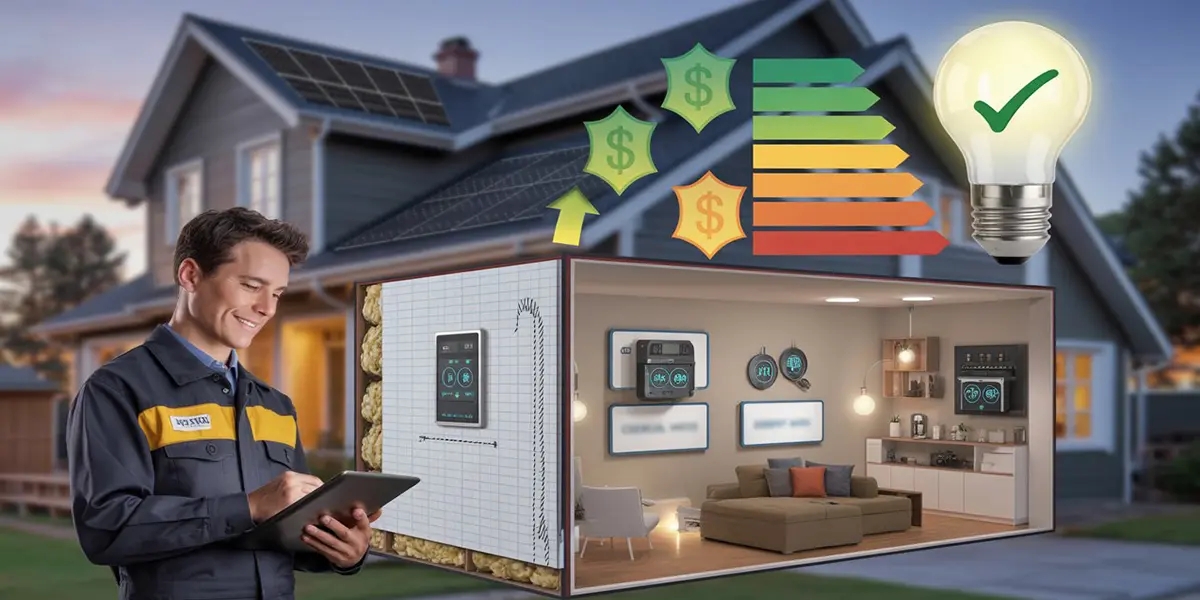
An energy audit is not just about finding problems, but also about prioritising those upgrades that will provide the highest return on investment. An audit offers data-driven recommendations, not guess work, for high electricity bills, uneven temperatures throughout your home, or major renovations.
The U.S. Department of Energy recommends getting a home energy assessment before making upgrades like insulation, as it helps prioritize improvements based on actual home performance. The audit uncovers the real reasons for energy waste, so homeowners can avoid unnecessary costs and focus on improvements that will produce the biggest savings.
What does an energy auditor check
Insulation levels
The auditor evaluates attic, wall, crawl space and basement insulation to determine if there is sufficient thermal protection. Poor insulation allows conditioned air to escape, raising heating and cooling costs year-round.
Air leaks around windows and doors
Small gaps around doors, windows, electrical outlets and plumbing penetrations can contribute to substantial energy loss. Auditors use blower door equipment and smoke testing to locate these leaks and recommend effective solutions for sealing them.
HVAC system efficiency
Heating and cooling systems are a significant portion of residential energy consumption. Auditors look for efficiency problems by checking furnaces, air conditioners, heat pumps, thermostats, filters, refrigerant performance and overall operation of the system.
Ductwork performance
Leaky or poorly insulated ducts lose conditioned air before it reaches living areas. Auditors assess duct leakage, airflow balance, insulation quality and overall distribution efficiency to improve HVAC performance.
Lighting and appliance energy consumption
Older appliances and inefficient lighting can really add to your electric bill. Energy auditors will assess the age of appliances, patterns of energy consumption, standby power, and lighting systems to recommend more efficient replacements.
Moisture, ventilation, and indoor air quality concerns
Poor ventilation can cause excess humidity, mould growth, condensation, and indoor air quality issues. Auditors check ventilation systems, exhaust fans, humidity and airflow to ensure the home is energy efficient and healthy.
What is the cost of a home energy audit

The cost of a home energy audit will vary depending on the size of the home, the level of testing, and the provider conducting the audit.
Typical cost range:
Most professional energy audits of homes cost between $200 and $700, with the national average sitting around $437 for a typical residential audit, according to national consumer cost tracking data from Angi and the consumer guide by DOE, Bigger houses or pricier diagnostic services can push the price up.
Free and utility-sponsored audit programs
Many utilities offer free or discounted energy assessments through efficiency programs, but availability varies significantly by provider, state, and eligibility criteria. These audits often include a walk-through inspection, simple recommendations and sometimes free efficiency products such as LED bulbs or weatherstripping.
Advanced audit pricing with blower door and thermal imaging tests
Full energy audits (which may include blower door testing, infrared thermal imaging, duct leakage testing, and combustion safety testing) generally cost $400 to $1,000 or more, depending on the complexity of the home. They cost more but provide detailed performance data and often reveal problems that basic inspections cannot detect, resulting in more savings in the long term.
Factors affecting home energy audit cost
Home size
One of the biggest factors that affects audit costs is the size of your home. Larger homes take more time to inspect, evaluate more rooms, and take additional measurements of insulation, air leakage, HVAC zones and energy-consuming systems.
Property age
Older houses may need more thorough inspections because they might have old insulation, ageing HVAC equipment, older windows, deteriorated ductwork, or construction methods that no longer meet current energy-efficiency standards.
Audit complexity
Not all home energy audits are created equal. The cheapest option is a basic audit. This is a visual inspection of insulation, windows, doors, appliances and HVAC equipment. The most comprehensive audits employ sophisticated diagnostic tools like blower door testing, infrared thermal imaging, duct leakage testing, combustion safety testing, and detailed energy modelling.
Geographic location
Where you live can be a big factor in home energy audit pricing. Labour rates are different in different areas. Metropolitan areas tend to charge more than rural areas due to higher operating costs and demand for certified energy professionals.
Additional Diagnostic testing
In addition to the basic energy assessment, homeowners may choose more specialised testing. The services that can be provided, such as duct leakage testing, indoor air quality testing, moisture and mould inspections, radon testing, combustion appliance safety testing, and a thorough analysis of the HVAC system's performance, are valuable, but they increase the cost of the audit.
Benefits of home energy audit
Reduce Energy Consumption
Reducing the total amount of energy consumed is one of the biggest benefits you can get from a home energy audit. The audit identifies areas where air conditioning is leaking, insulation is insufficient or appliances and HVAC systems are consuming more energy than they should. By solving these problems, homeowners can reduce electricity and heating consumption without changing their daily habits.
Improved Indoor Comfort
Energy efficiency and comfort go hand in hand. Poor insulation and uncontrolled air leaks can often cause uncomfortable hot and cold spots, drafts around windows and doors, and uneven temperatures between rooms. A home energy audit can identify where those problems exist and enable a homeowner to improve those specific areas.
Better HVAC Performance
When your home leaks conditioned air through leaks or insufficient insulation, your cooling and heating systems work hardest. An energy audit evaluates the efficiency of the HVAC, airflow, ductwork performance and the operation of the thermostat to determine if the system is operating effectively. Upgrading the home’s thermal envelope prior to replacing HVAC equipment reduces the extra burden on the system.
Supports Improvements
A home energy audit can clearly show you the path to future energy efficiency upgrades. Instead of expensive upgrades based on assumptions, homeowners receive prioritised recommendations based on actual performance data. This helps you figure out if projects like adding insulation, replacing windows, upgrading HVAC equipment, installing smart thermostats, or adding solar panels will give you the biggest bang for your buck.
Improved Indoor Air Quality
Energy performance directly affects the quality of indoor air in the house. Air leaks, excessive humidity, poor ventilation, and hidden moisture issues can allow dust, allergens, mould spores, and outdoor pollutants into the living area.
Maximizing savings after home energy audit
Prioritize low-cost, high-impact upgrades
The energy audit can make recommendations that do not require large amounts of money to be spent. Many of the most cost-effective improvements can be made quickly, and start generating savings almost immediately.
Start with the basics, such as switching out incandescent light bulbs for LED bulbs, weatherstripping around doors and windows, adding door sweeps, sealing gaps around electrical outlets, resetting your water heater settings, and employing programmable or smart thermostats. Doing these low-cost improvements first also gives a more solid base to future efficiency improvements.

Seal air leaks and improve insulation
Air leakage is a major contributor to residential energy loss, especially when combined with insufficient insulation. A super-efficient HVAC system is useless if conditioned air is constantly leaking through gaps in the building envelope. Use the results of your energy audit to seal leaks around windows, doors, attic hatches, plumbing penetrations, recessed lighting and duct connections.
At the same time, add insulation in the attic, walls, crawl spaces or basement as recommended. Better thermal insulation of the home reduces the demand for heating and cooling, stabilises indoor temperatures, reduces drafts and allows HVAC equipment to work more efficiently year-round.
Upgrade to energy-efficient HVAC equipment
If your heating and cooling equipment is ageing or not operating efficiently, installing a modern high-efficiency system can provide significant energy savings. But the timing of this investment should be decided through the energy audit.
Air sealing and insulating improvements will reduce the total heating and cooling load on the home prior to replacing HVAC equipment, allowing for properly sized equipment that will operate more efficiently. Operating costs can be reduced further and comfort and system reliability improved by choosing certified furnaces, air conditioners or heat pumps, variable-speed technology and smart thermostats.
Install smart energy management solutions
Smart energy management systems help homeowners not only reduce energy use but also optimise when and how electricity is used. With an energy audit in place, the installation of intelligent monitoring and control solutions enables homeowners to continuously monitor energy performance and identify additional savings opportunities.
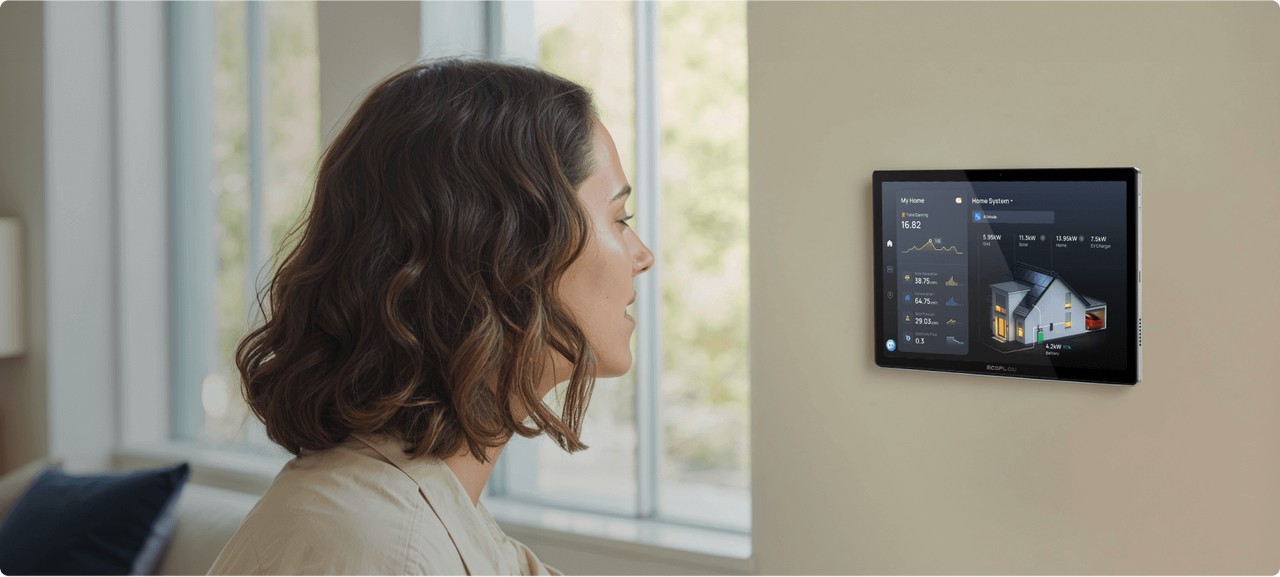
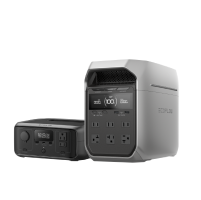
The PowerInsight 2 Monitor acts as the central dashboard for your home's energy ecosystem. Its 11-inch touchscreen shows energy flow in real-time, so homeowners can see solar generation, household electricity use and battery charging and discharging at a glance.
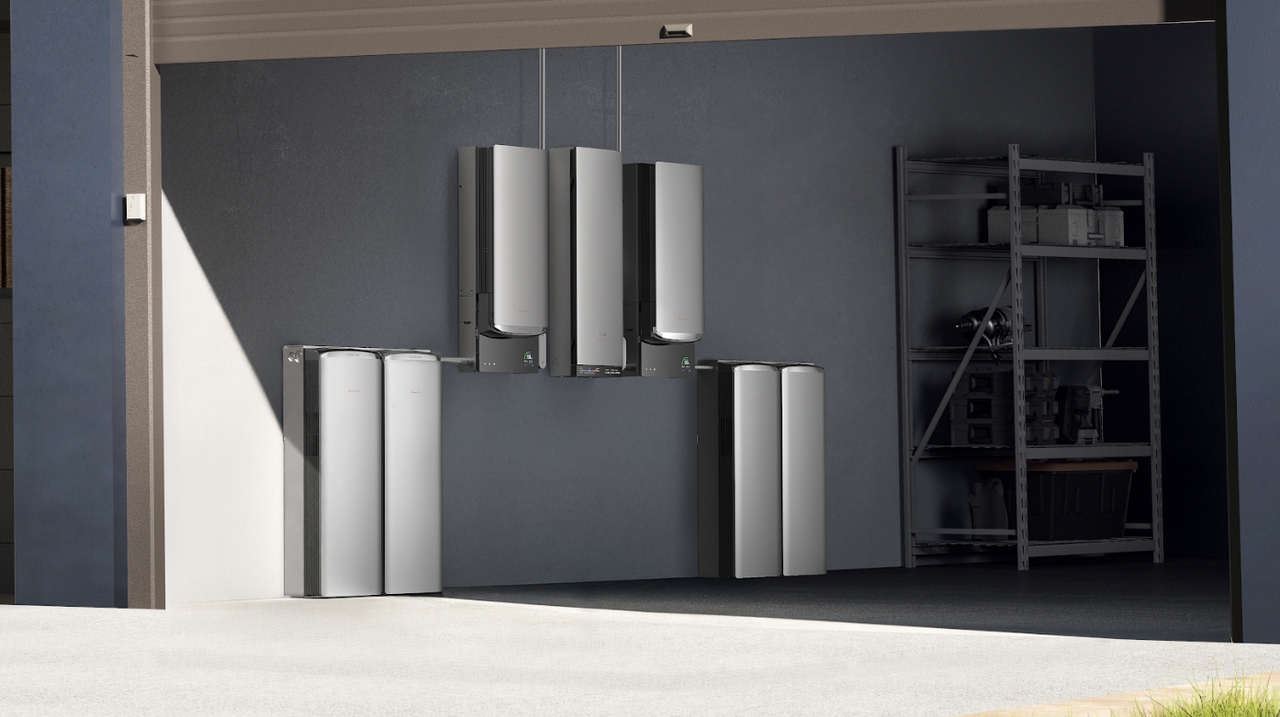
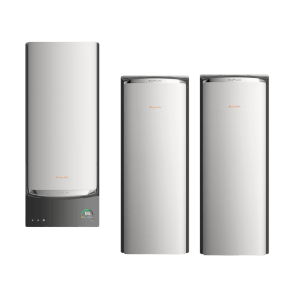
The EcoFlow Ocean Pro home solar battery system allows homeowners to translate energy insights into automatic savings. It has a modular capacity ranging from 10 kWh to 80 kWh, meaning that homeowners can size the system to fit their energy needs. Each system has a continuous output of up to 24 kW, enough to operate high-demand appliances and supply backup power to the entire home during a power outage. Ocean Pro features AI-powered energy management to automatically optimise charging and discharging based on Time-of-Use (TOU) electricity rates, weather forecasts, and household consumption patterns for energy savings.
Conclusion
When it comes to lower utility bills, increased comfort and greater energy efficiency, one of the best investments you can make as a homeowner is a home energy audit. Home energy audit cost is about a few hundred dollars for a basic assessment, with more extensive pricing for advanced diagnostic testing.
Scheduling a home energy audit is often the smartest first step toward a more efficient and cost-effective home before investing in insulation, HVAC replacement or solar panels. So, what are you waiting for? Request a consultation today and save on your energy bills.
Get Your Free Home Energy Consultation!
Which energy solution are you interested in?
FAQs
What is a home energy audit?
A home energy audit is a professional assessment of how efficiently a home uses energy. It identifies areas where energy is being wasted, looks at insulation, HVAC performance, air leaks, lighting, appliances, ventilation, and then recommends upgrades that can reduce energy costs and improve comfort.
What is a reasonable audit fee?
A home energy audit can cost a bit differently depending on where you live, but a typical residential audit is between $200 and $700. Basic, utility-sponsored audits may be free or discounted. Comprehensive audits that include blower door testing and thermal imaging typically cost $400 to $1,000 or more.
Can a home energy audit really lower my utility bills?
Yes. While the audit itself does not reduce energy use, acting on its recommendations can make a big difference to your monthly utility bill and the overall efficiency of your home. Recommendations might include sealing air leaks, improving insulation, upgrading HVAC equipment, and optimising energy management.
How long does a home energy audit take?
Most standard home energy audits take 2 to 4 hours depending upon the size and age of the home and the level of diagnostic testing that is performed. Larger homes or full assessments may take longer.
Should I get an energy audit before installing solar panels?
Yes. It is highly recommended to have an energy audit before installing solar panels because if you make your home more efficient first, it lowers the overall demand for energy. That can help you to install a smaller, more affordable solar system, and get the most from your investment in renewable energy.

