
Home Battery Backup Without Solar: A Guide to Power Up Your Essentials
A home battery backup system is an energy storage solution that stores electricity for later use and automatically provides backup power when grid electricity is unavailable. It delivers clean, quiet, instant energy during outages with rechargeable batteries. These systems are generally installed near a home's electrical panel and can be configured to power critical circuits or the entire house.
During normal operation, the system charges batteries with electricity from the utility grid. During a blackout or grid interruption, the system detects the outage and automatically switches the home to battery power in seconds. This seamless transition allows critical appliances and devices to operate without user intervention. Depending on the size of the battery and the energy demands of the home, homeowners can continue to use important systems such as refrigerators, lighting, communication devices, and medical equipment during power disruptions.
Can you use a battery backup without solar
Yes, homeowners can definitely use a battery backup system without installing solar panels. Many of today's battery systems are designed to be charged from utility power and to operate independently from solar energy systems. That's a set-up that gives homeowners a reliable backup power source, even if they're not ready to commit to rooftop solar panels or don't live in an area where solar installation is an option.
A battery-only backup system is very similar to a UPS (Uninterruptible Power Supply) system, which is used in computers and offices, but on a smaller, residential scale. The batteries are constantly charging off the electric grid and are on standby until a power outage. If power is lost, the system automatically switches to stored battery power, supplying electricity to pre-selected circuits and appliances.
Why homeowners choose a battery backup system without solar
Protection during power outages
One of the biggest reasons homeowners opt for battery backup for home without solar is to keep the lights on during an unexpected power outage. Refrigerated foods can spoil, the Internet can go offline, and security systems can be disabled after just a few minutes of an outage. Stored electricity from backup batteries can automatically supply power when utility power is unavailable and thereby mitigate these risks.
Cleaner alternative to gas generators
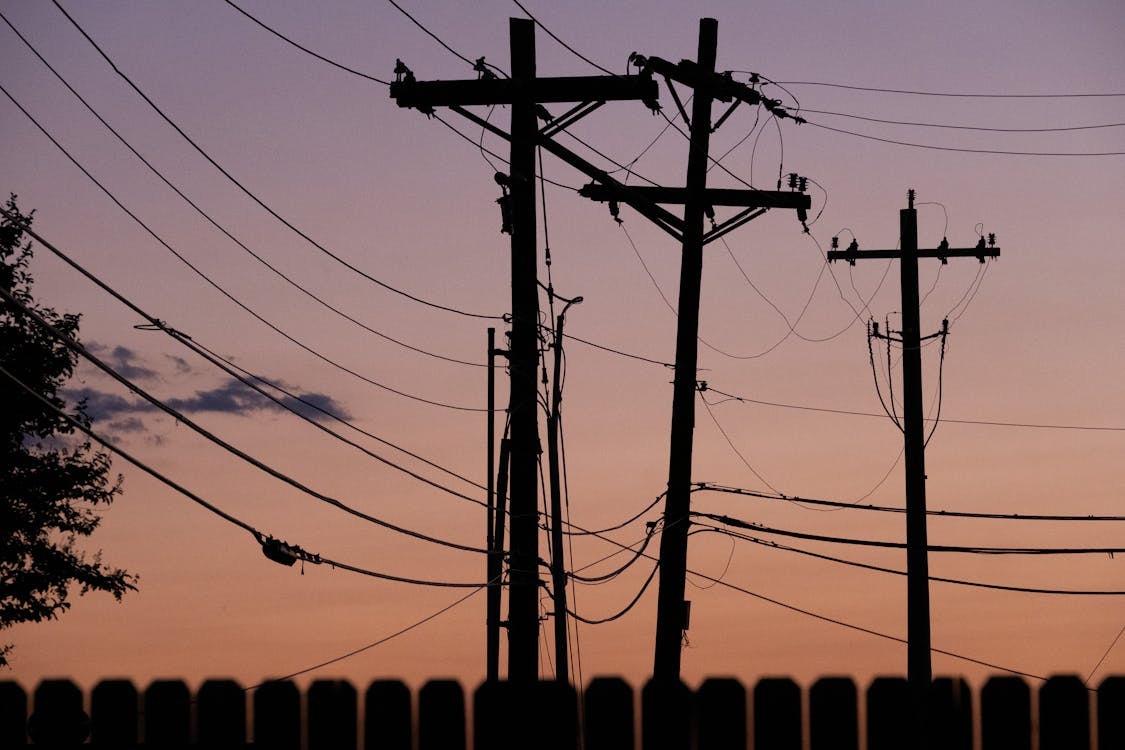
Battery backup systems are becoming increasingly popular because they offer a cleaner and more convenient alternative to traditional gas generators. Battery systems, unlike generators, do not require fuel storage, oil changes or routine maintenance. They are quiet and have no direct fumes or exhaust emissions. This makes them suitable for indoor use and safer for use in homes. Another great bonus is that they are silent. Gas generators can be noisy and disruptive, especially during outages that occur overnight, while battery systems are nearly silent.
Energy cost optimization
In addition to offering backup power in an emergency, battery systems allow homeowners to exercise greater control over the cost of electricity, which is another reason for opting whole home battery backup without solar. Most utilities use Time-of-Use (TOU) pricing, where the price of electricity changes based on the time of day. Battery systems can store energy during off-peak hours when energy is cheaper and then discharge that energy during peak-rate hours when energy is more expensive.

The cons of battery backup without solar
Can a battery-only system truly protect your home during an extended blackout, or are you better off waiting until you can afford solar? Here is what you need to know.
Limited Runtime
A negative about battery backup systems without solar is that the runtime is entirely based on how much energy is stored. Bigger battery systems can deliver longer backup times, but homeowners still need to be aware of energy consumption to make the most of the available power during long grid outages.
Grid Dependency
Without solar panels or another renewable charging source, battery systems rely on utility electricity to recharge. During long-term outages that last multiple days, homeowners may face challenges recharging depleted batteries if grid power remains unavailable.
Higher Upfront Cost Than Small Generators
In general, a whole-house battery backup system is a bigger up-front investment than a smaller portable gas generator. Batteries, inverters, installation, and components for smart energy management can all add up quickly, particularly for larger systems designed to power an entire home.
New option: A practical whole-home battery backup solution
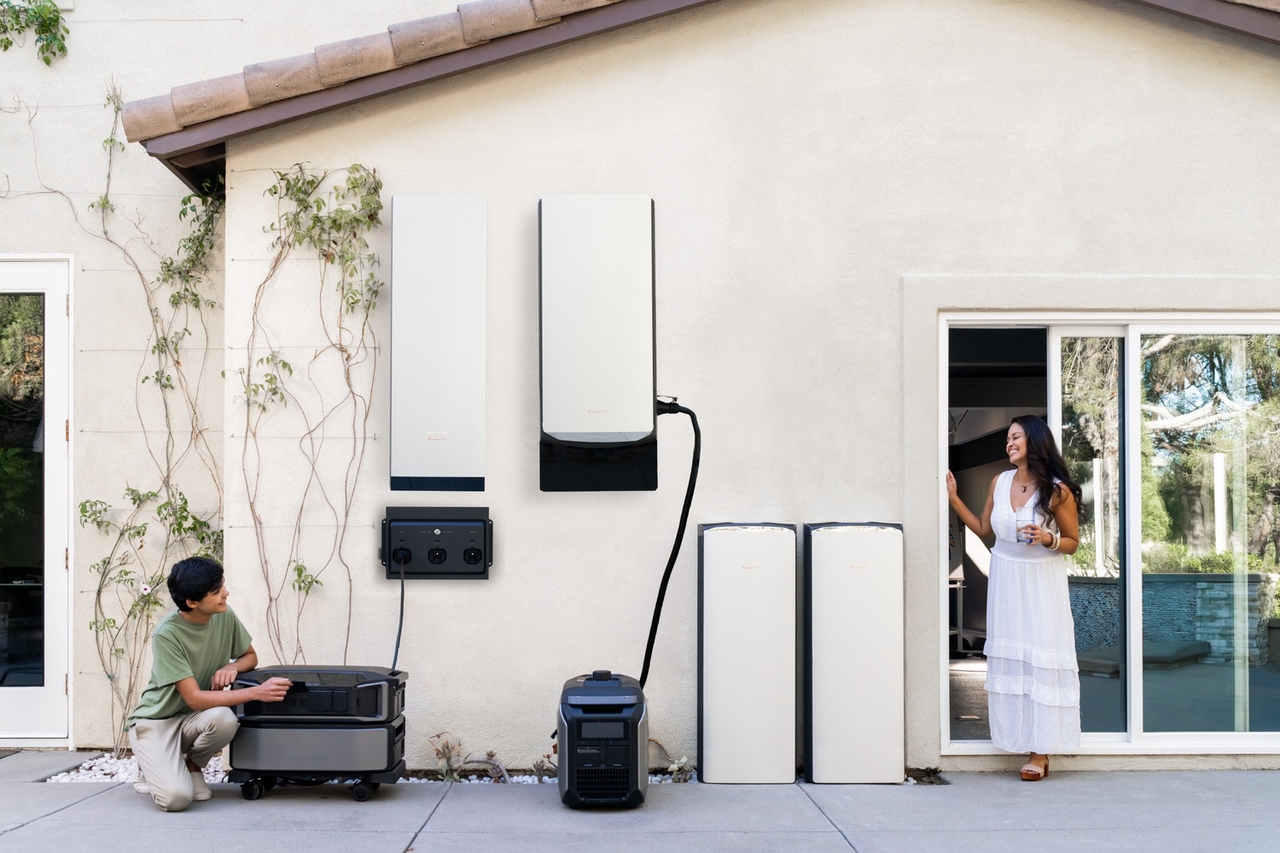
EcoFlow Ocean Pro is a next-generation whole-home energy storage solution designed to offer reliable backup power, intelligent energy management, and long-term flexibility for homeowners. As a complete home energy ecosystem, it can work with utility power, solar panels, generators, and portable power stations. The scalable design allows homeowners to start with battery-only backup and grow to a full solar-plus-storage system without changing out the system.
Reliable Whole Home backup: Features fast automatic switchover during outages. A heavy-duty 24 kW continuous output runs essential and high-demand appliances (HVAC, EV chargers, refrigerators) simultaneously.
Future-Ready Solar Integration: Start with battery-only backup and easily add solar panels later without replacing the existing system.
Smart Energy Management: App-controlled features provide real-time usage insights, backup prioritization, and automated time-of-use (TOU) optimization.
Conclusion
Home battery backup without solar is becoming a more practical and popular option for homeowners interested in reliable backup power but not ready to invest in rooftop solar panels. These systems offer quiet, automatic, low-maintenance backup power, along with possibilities for smarter energy management and utility cost optimization.
EcoFlow Ocean Pro offers homeowners a modern, scalable backup solution with flexible whole-home energy storage, intelligent energy management, and future-ready solar compatibility. So, why wait? Request a consultation today to find the perfect energy solution for your home.
Get Your Free Home Energy Consultation!
Which energy solution are you interested in?

FAQs
Can I have a battery backup without solar panels?
Yes, a home battery backup system can function without solar panels. The batteries charge directly from the utility grid and automatically provide backup power during outages. This provides homeowners with reliable emergency power without the need for a solar energy system.
Is it worth installing a home battery without solar panels?
Many homeowners find it worthwhile to install a battery backup system without solar for reliable outage protection, quiet operation, less maintenance, and potential savings on electricity costs. This value depends on the frequency of outages, utility pricing, and the energy priorities of the household.
Is battery backup better than a generator?
Battery backup systems have several advantages over generators, including quiet operation, no direct emissions, automatic switchover, and lower maintenance needs. But if fuel is available continuously, generators can offer longer run times. The better choice depends on the household's needs, budget, and preferred energy solution
Can I add solar panels to my battery backup later?
Yes, a lot of modern battery systems are designed for future solar integration. Systems like the EcoFlow Ocean Pro allow homeowners to start with battery-only backup, then add solar panels down the road without replacing the whole system.
What appliances can a home battery backup run?
A home battery backup system can typically keep the lights, internet routers, medical devices, refrigerators, televisions, and security systems running. Depending on battery capacity and energy consumption, larger systems can also support HVAC systems, kitchen appliances, and other high-demand household equipment.

