
How to Protect Your Home Power Battery Backup From Flood Damage and Keep Your Energy Secure
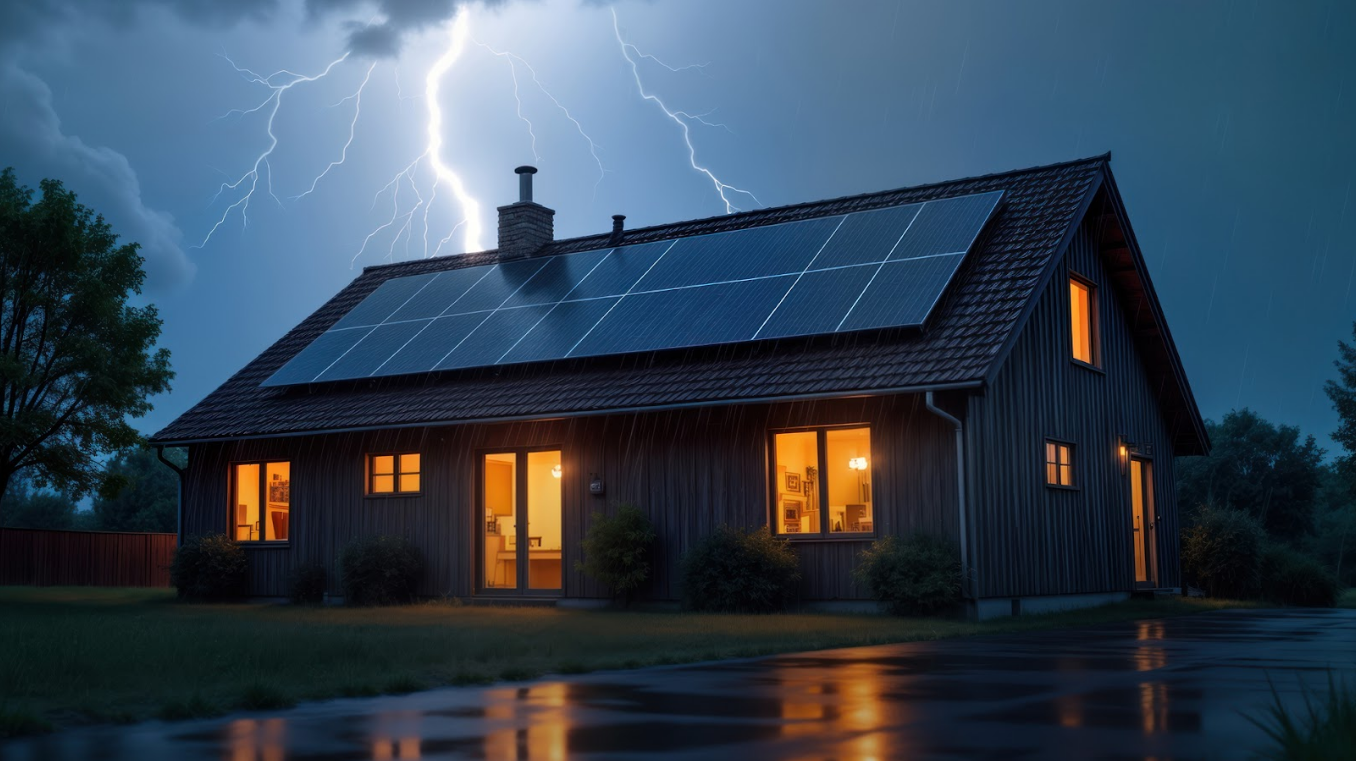
Floods are increasing across the US. According to the Federal Emergency Management Agency (FEMA), 99% of counties experienced a flooding event between 1996 and 2019. If you use a home power battery backup, flood damage is something you can't ignore. One serious storm can destroy your battery and leave your home without power. This guide helps people who use large energy storage systems at home. You'll learn how to reduce flood risk and protect your investment.
What Happens When Floodwaters Reach Your Home Power Battery Backup?
A home power battery backup can shut down the moment water enters the system. Some systems may catch fire or explode when flooded. If the battery is submerged, the power output fails. Even small amounts of water can shorten connections. After flooding, the battery can lose capacity or fail completely. In some cases, damage is invisible but still dangerous.
Signs of water damage:
| Symptom | Meaning |
| Strange sounds when operating | Internal short or fault |
| Error codes on the display | Malfunction or moisture detected |
| Reduced power output | Performance degradation |
| Burnt smell or corrosion | Physical damage or overheating |
If you notice these, shut down the system and call your installer. Do not try to fix it yourself.
Is Your Battery Backup Location Safe Enough for Flood Conditions?
Where you place your home power battery backup matters. According to FEMA elevation guidelines, electrical equipment should be installed at least one foot above the Base Flood Elevation (BFE) for safety. If the system is in a basement, even minor flooding can reach it. Ground-level garages or sheds can also flood quickly. Elevation is the best protection.
Better locations include:
- Outdoor walls raised above ground
- Inside upper-level utility rooms
- Platforms with built-in drainage
You can check your risk using the FEMA Flood Map Service Center (msc.fema.gov). If you live in a floodplain, extra care is needed. The entire setup should be positioned above projected water levels.
What to Look For in a Flood-Resistant Home Power Battery Backup System
Batteries vary widely in flood protection. According to the International Electrotechnical Commission (IEC), an IP67 rating means the enclosure is fully dust-tight and can withstand temporary immersion in water up to 1 meter (about 3.3 feet) for 30 minutes.
Key flood-resistance features to consider:
Feature | Why It Matters |
IP67 rating or higher | Keeps dust and water out completely |
Certified flood depth | Ensures resistance to specific water levels |
Heat and water tolerance | Avoids overheating in storm-prone areas |
Fully sealed ports | Prevents internal damage from seepage |
Systems that survive both high heat and water are better suited for U.S. Gulf Coast and Southeast regions, where hurricanes and high temperatures often combine.
Why Modular and Elevated Designs Offer Better Flood Protection
Modular systems give you flexibility. You can stack battery units higher above the ground. If one module is damaged, the others may still work. Traditional designs place all cells low to the floor. This increases flood risk.
Stackable battery setups:
- Reduce water contact surface area
- Allow space for airflow and drainage
- Make repairs easier if needed
Some systems allow reconfiguration after damage. You can replace only affected units, reducing overall cost and downtime.
Can Fire and Water Safety Coexist in One Battery System?
Safety during floods means more than water protection. According to the National Fire Protection Association (NFPA 855), energy storage systems must include safety mechanisms to prevent thermal runaway and fire spread.
Look for these internal protections:
- Automatic fire suppression module
- Explosion-proof valves
- Overheat shutdown functions
These protections reduce hazards in case of short circuits caused by moisture. They help prevent electrical fires and protect your home.
How to Maintain Your Home Power Battery Backup After a Flood Warning
If there is a storm alert, prepare early. Move smaller systems if possible. For larger setups, disconnect safely. Never enter flooded areas to access the battery.
Before the storm:
- Clear drainage near the system
- Close all battery access ports
- Place sandbags around ground-mounted systems
After the storm:
- Inspect battery visually before restarting
- Use moisture sensors if available
- Run diagnostics through the battery app or inverter portal
According to the U.S. Department of Energy (DOE), wet battery systems should never be re-energized without a safety check. Contact your installer first.
Smart Ways to Monitor and Control Your System Remotely During Disasters
Smart features matter in emergencies. Many home power battery backup systems now allow remote control through apps. This means you can shut down the system before water reaches it or monitor status during a storm.
Benefits of remote systems:
- Safer shutdowns
- Live storm insights
- Easier communication with service providers
Some AI-integrated systems give energy tips in real time, such as when to store or release power based on storm tracking data.
What Should You Ask Your Installer About Flood Protection?
Before you buy or install, ask the right questions. The U.S. EPA recommends discussing climate risks with contractors to improve system resilience.
Ask about:
- Installation height above Base Flood Elevation
- Raised mounts or foundation platforms
- Local flood history and mapping
- Emergency shutoff protocols
- Post-disaster service options
Also confirm warranty details. Some systems do not cover flood-related failures.
Why a Smarter System with Local Support Makes All the Difference
When it comes to flood safety, product design alone isn’t enough. Quick installation and local support can make or break your system’s performance.
That’s where EcoFlow OCEAN Pro offers value. It provides:
Feature | Benefit |
IP67 flood protection | Fully sealed for immersion safety |
Modular 10–80kWh capacity | Flexible stacking for safer placement |
Local solar installer partners | Faster, region-aware installation |
Explosion-proof & fire suppression | Dual protection against short circuits |
15-year warranty | Long-term performance commitment |
Its advanced safety design and smart integration make it a reliable choice for flood-prone households.
Securing Your Home Battery System Against Flood Risks
A home power battery backup is your defense against outages. But it must also defend itself against water. As floods become more common, your system must be placed correctly, designed for harsh weather, and equipped with smart controls.
Look for flood certifications, advanced safety features, and responsive support. With trusted systems like EcoFlow OCEAN Pro, you gain backup energy and peace of mind—no matter what the weather brings.

FAQs About Flood Safety and Home Power Battery Backup
Q1. How long can a battery backup system remain submerged before it's permanently damaged?
Most battery backup systems are not designed for any duration of submersion unless they carry an IP67 or higher rating. However, even with these ratings, water exposure should be limited to short periods—often 30 minutes or less under specific conditions. If your system has been submerged, especially in dirty or salt water, it may suffer long-term corrosion and internal degradation. Internal sensors and battery management systems can fail silently, which poses safety hazards even after the unit is dried. Always have your system professionally inspected before reuse after any submersion event.
Q2. Can I install a home power battery backup in a coastal or salt-air environment?
Yes, but it requires special considerations. Salt air accelerates corrosion, especially on connectors, busbars, and surface coatings. To install in coastal regions, look for systems that include anti-corrosive coatings, marine-grade enclosures, and full sealing around high-voltage areas. Ventilation systems must also be filtered or protected from salt intrusion. In some states like Florida, building codes may require higher installation clearances due to both salt and flood exposure risks.
Q3. What should I do if my backup battery system triggers a moisture or humidity alert?
Moisture warnings should never be ignored, as they can indicate compromised internal seals or condensation buildup that may lead to shorts. First, check if the alert is real-time or residual from past humidity spikes. Then, review the system logs for additional error patterns and disconnect loads if necessary. Most modern systems will enter a protective shutdown when excess humidity is detected, but if yours doesn’t, power it down manually and consult your installer. Continued use under humidity alerts may lead to insulation breakdown or heat accumulation inside the cabinet.
Q4. Can solar battery backup systems operate effectively in regions with seasonal flooding?
Yes, many systems can be optimized for regions with seasonal flooding, but careful design and planning are key. First, elevate both battery and inverter components above seasonal high-water marks. Use outdoor-rated conduits and watertight gland fittings for all cable entries. Smart energy management systems can pre-discharge the battery in anticipation of flood events to reduce risk. In addition, homeowners can configure systems with weather APIs that help automate shutdowns during extreme weather alerts.
Q5. How do I know if my homeowner's insurance covers battery backup flood damage?
Coverage varies widely depending on your provider and policy type. Standard homeowner’s insurance usually does not cover flood-related electrical damage unless you have specific flood insurance through FEMA or a private insurer. To ensure protection, ask your insurance agent whether your electrical systems and battery storage are included in structural or personal property coverage. Document all installations with certified photos and technician reports. Also, request that your installer provide proof of compliance with local flood safety codes, which can support your claim in the event of a loss.

