
Heat Wave Power Outages: Causes, Risks, & Survival Tips
Heat wave power outages can turn an already dangerous hot day into a serious health and safety emergency. Extreme heat combined with a sudden power outage can leave families battling to stay cool, preserve food supplies, and charge essential devices. For households looking to strengthen energy security, solutions such as smart home battery backup can provide valuable support during grid disruptions. In this guide, we understand the causes of these outages and how to prepare for them.
Can extreme heat cause power outages
Can heat cause power outages? Yes, extreme heat can cause power outages, both directly and indirectly. As it gets hotter, electricity use goes up, with homes, businesses, and public buildings blasting their air conditioners continuously. The higher demand puts a lot of stress on power plants, transmission lines, substations, and distribution systems.
Heat also impacts the physical performance of electrical infrastructure. Transformers, cables, and other equipment produce more heat when they are working under heavy loads. When the air around these parts is already hot, these parts can get too hot, work less well, or even break down. In extreme cases, utilities may even resort to rolling blackouts to prevent a total grid collapse.
Causes of heat wave power outages
Here are some of the causes of power outages due to the heat wave.
Surge in electricity demand
During a heat wave, electricity demand often reaches the highest levels of the year. Air conditioners, refrigeration units, cooling systems, industrial equipment, etc., are constantly operating to keep indoor temperatures at a safe level. The power grid is vulnerable to instability if there is insufficient generation and transmission capacity to meet demand.
Overheat grid infrastructure
Extreme heat can push electrical infrastructure beyond the limits for which it was designed. Efficient heat removal is essential to the safe operation of transformers, substations, and transmission equipment. These systems can have problems cooling themselves properly during long heat waves. That's how does heat cause power outages.
Sagging power lines & physical stress
Power lines expand naturally in hot weather. When temperatures get very high, transmission and distribution lines can sag significantly and increase the likelihood of contact with trees, structures, or other objects along the way. Excessive sagging may result in protective shutdowns or physical damage to the network.
Aging or overload power systems
Many electrical grids were built decades ago and were not designed for today's growing energy demands and heat extremes that are becoming more frequent. Aging transformers, substations, and transmission assets might be less capable of operating under sustained high-temperature conditions.
Risks of heat causing power outages
Health risks
Extreme temperatures, especially during prolonged heat waves, can create significant public health risks from heat-related power outages. Without electricity, air conditioners, fans, and other cooling systems become useless, leading to a quick increase in indoor temperatures. This can increase the risk of heat exhaustion, dehydration, and possibly life-threatening heat stroke.
Food and water disruption
Power outages during a heat wave can interrupt access to safe food and reliable water. Refrigerators and freezers do not keep food at safe temperatures. Perishable foods, such as meat, dairy, and prepared foods, can spoil quickly. This results in financial loss for households and increases the risk of foodborne illnesses.
Economic & infrastructure impact
Businesses, communities, and critical infrastructure systems can be economically affected far and wide by heat wave power outages. If equipment is shut down or indoor conditions are unsafe, or businesses are unable to serve customers, businesses may be forced to temporarily close, which could result in lost revenue and reduced productivity.
Extended blackout dangers
The longer the power is out, the greater the risk of a heat-related outage. Extended blackouts can lead to compound emergencies where multiple problems may arise simultaneously, including dangerous indoor temperatures, food spoilage, water access issues, communication disruptions, and limited access to healthcare or emergency services.
Survival tips during heat wave power outage
Stay cool without power
The most important thing you can do during a heat wave power outage is to stay cool. The longer you are exposed to high temperatures, the more likely you are to develop heat-related illnesses. Go to the coolest part of your house, ideally a room that is shaded on a lower level, and keep curtains or blinds closed to block sunlight.
Open windows during cooler morning and evening hours to allow for better airflow and ventilation. Dress in light, breathable clothing and avoid heavy physical activity.
Emergency preparedness kit
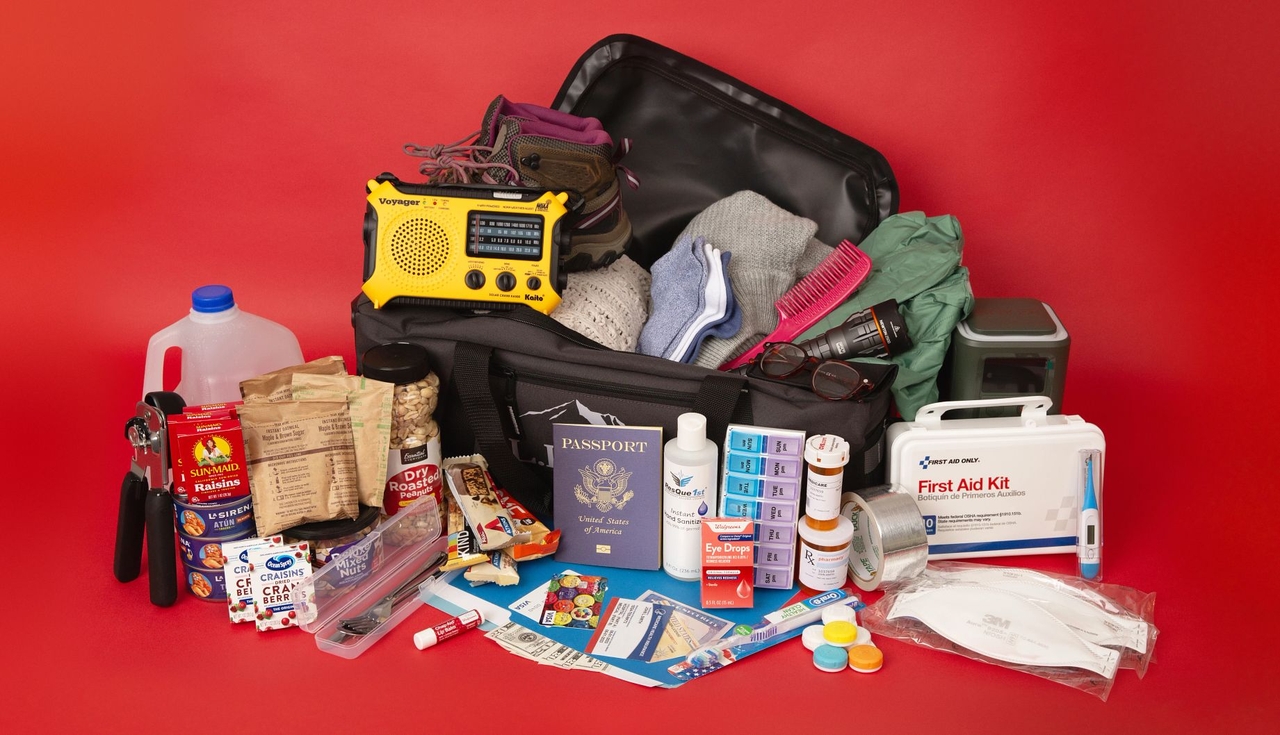
Having an emergency kit ready before a heat wave can greatly enhance safety and comfort during a power outage. Your kit should contain plenty of drinking water, non-perishable food, flashlights, spare batteries, and a well-stocked first aid kit. You should also keep power banks or portable phone chargers fully charged so that you can stay connected during emergencies.
Other items that can help households stay self-sufficient if power is not available for an extended period of time are battery-powered fans, personal hygiene supplies, and copies of important documents.
Food & water safety
Food and water safety become even more of a concern in longer outages, especially in hot weather. Keep refrigerator and freezer doors closed as much as possible. A closed refrigerator will keep food safe for up to 4 hours; a full freezer will maintain a safe temperature for approximately 48 hours (24 hours if half full). After these windows, check the food carefully before consuming it. If the outage is expected to last several hours or longer, use coolers and ice packs to save perishable foods you need.
Throw away any food that has been in the "danger zone" between 40°F and 140°F (4°C to 60°C) — between 40°F and 140°F (4°C to 60°C) — for more than 2 hours (or 1 hour if the ambient temperature exceeds 90°F). When in doubt, throw it out. Eating spoiled food can cause foodborne illness. Also, have plenty of bottled water or emergency water supplies on hand
Communication & alerts
You can better respond to a heat-related emergency if you have reliable information. Charge mobile devices fully if severe weather is forecast, and consider power banks to extend communication capabilities during outages.
Follow local weather alerts, utility notices, and emergency updates for information on restoration efforts, heat advisories, and cooling centers available to the public. Battery-powered or hand-crank radios could be an important backup source of information if the internet or cell service becomes unreliable.
Energy backup & resilience solutions
With heatwaves becoming more frequent and electricity grids being strained by rising demand, homes can better survive outages if they invest in backup power and energy resilience solutions. Backup energy systems provide the power needed to support critical appliances, cooling equipment, lighting and communication devices during grid outages.
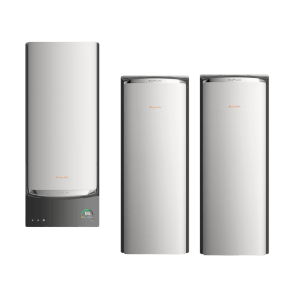
To address these challenges, the EcoFlow Ocean Pro, a whole-home energy storage system, is one solution that can provide reliable backup power during extreme weather events. It is purpose-built for whole-home energy security and can help families stay comfortable and safe during extreme heat events. The battery can operate from -4°F to 140°F and can be used in areas that experience long periods of heat waves and high outdoor temperatures.

Ocean Pro can deliver up to 24 kW of continuous output power and can support up to 205A LRA surge loads, enabling it to support energy-hungry appliances such as central air conditioning systems, HVAC units, pool pumps, EV chargers, refrigerators, and other large household loads simultaneously.
Conclusion
As temperatures climb and demand for electricity rises, the power infrastructure is getting older and facing more pressure, leading to more frequent heat wave power outages. Preparation is the most effective defense. Steps such as developing an emergency plan, stocking essential supplies, practicing food and water safety, and staying informed can greatly reduce the risks.
Investments in backup power systems and smart energy management solutions can further enhance household resilience and provide greater peace of mind. Why wait? Request a consultation today and get ready to handle the heat wave outage effortlessly.
Get Your Free Home Energy Consultation!
Which energy solution are you interested in?
FAQs
Can hot weather cause power outages?
Yes, hot weather can cause power outages directly. During a heat wave, the demand for electricity increases significantly as many homes and businesses use air conditioners, fans, and cooling systems. At the same time, extreme temperatures can cause power equipment efficiency losses, overheated transformers and substations, and sagging power lines.
Are rolling blackouts common during heat waves?
During extreme heat waves, when demand for electricity approaches or exceeds the available supply, rolling blackouts may occur. Utility operators can temporarily turn off power to certain areas on a rotating basis to keep the grid from crashing more broadly. While not every heat wave leads to rolling blackouts, they are more frequent when record-setting temperatures, stressed grid conditions, or limited power generation capacity are in play. Who is most at risk during heat-related outages?
The most vulnerable during heat-related outages include older adults, infants, young children, and people with chronic health conditions. These groups are more likely to experience dehydration, heat exhaustion, and heat stroke without air conditioning or cooling equipment.
How long do heat wave outages usually last?
The length of a power outage in a heat wave depends heavily on the cause and severity of the outage. Minor outages caused by local equipment failures can be repaired within several hours, while large grid failures or damage to infrastructure can take days to repair. Size of the outage, weather, utility response time, and availability of repair crews are factors that determine how quickly power can be restored.

