
Heat Wave California Explained: What Residents Need to Know
Heat wave California can quickly turn ordinary life into a safety hazard, with power demand soaring and cooling systems under stress. Residents often face extreme indoor temperatures, rolling blackouts, and health worries that intensify within hours. This guide explains the heatwave causes, temperature guides, and associated health risks. From staying hydrated to investing in smart home battery backup, learn about key safety steps to plan ahead with confidence.
Understanding heat waves in California
A heat wave is generally defined as a period of time when the temperatures are higher than normal for the area. These events can last several days or more, and have warm nighttime temperatures that don't allow homes to recover.
A heat wave is a prolonged period of excessively hot weather, which may be accompanied by high humidity or warm temperatures at night, and can pose health and energy risks. The varied terrain of California, such as coastlines, mountain ranges, inland valleys, and deserts, leads to sharp temperature differences over short distances. This creates a lot of heat in inland areas, compared to coastal areas.
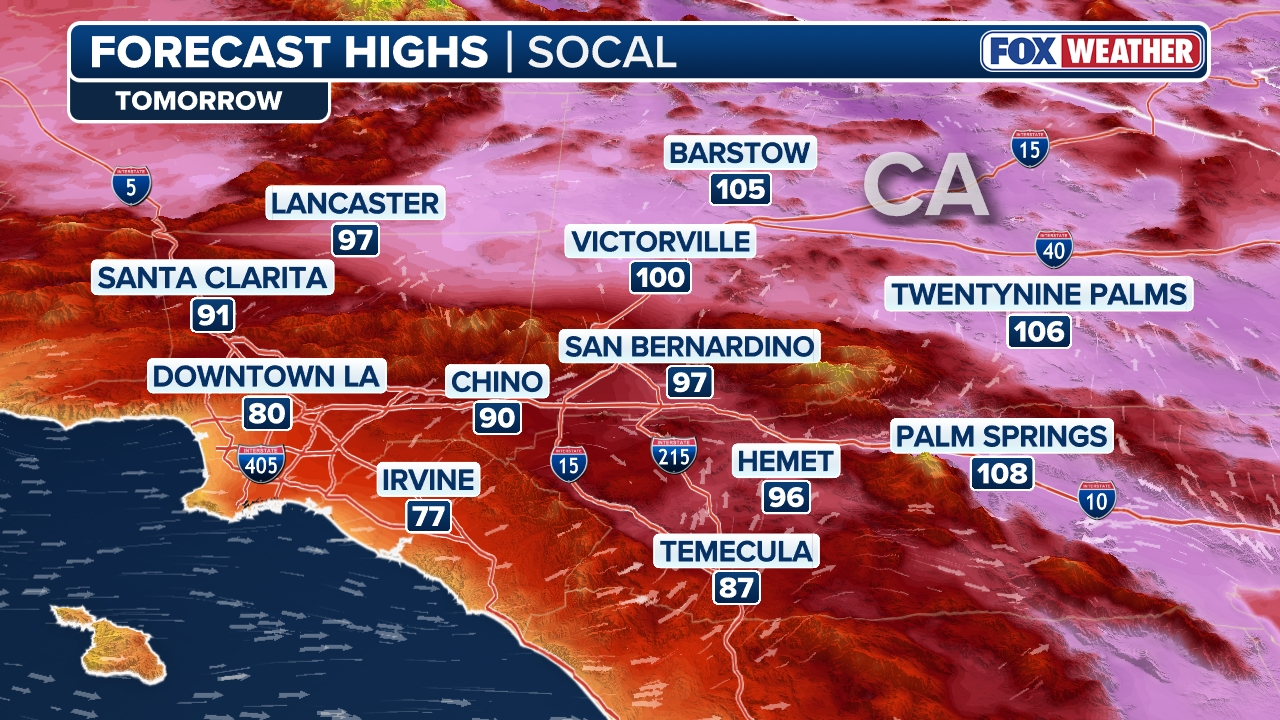
Why California is vulnerable to extreme heat
High-pressure ridges ("heat domes")
Heat domes occur when a high-pressure ridge stalls over a location, trapping warm air underneath. This system stops cloud formation and wind movement, which means that heat is building day after day with no relief. The ground gets hotter, radiating even more heat back into the air, in a feedback loop that intensifies the event.
Dry conditions and drought impacts
Dry soil and vegetation increase the intensity of the heat wave in Southern California greatly because evaporation of moisture usually helps to cool the environment. If droughts continue, the ability of the land to moderate temperature declines, and more of the sun's energy is turned directly into heat. This not only raises daytime temperatures but also raises the risk of wildfires.
Climate change trends
California's baseline temperatures are rising over the long term due to warming trends, so heat waves are starting from a higher baseline than in previous decades. That means more days of extreme heat, longer-lasting heat waves, and more chances for compounding hazards such as wildfire smoke and stress on the power grid.
Urban heat island effect
Asphalt, concrete, and a lack of trees and grass all soak and hold a lot more heat than natural environments. These materials absorb heat during the day and release it slowly at night, keeping cities warmer after the sun has set. This effect makes urban heat waves all the more dangerous as the relief of nighttime is reduced or eliminated.
Bay Area heat wave temperatures: How high will it get
The Bay Area's heat waves often feature a wide temperature gradient, with the coast staying relatively cool and inland areas quickly heating up. Local knowledge matters when it comes to safety planning. A massive temperature swing is routinely forecasted between nearby communities.
Temperature ranges by region:
East Bay inland valleys: upper 90s to low 100s°F
These include inland valleys, which often have some of the hottest conditions in the Bay Area. In multi-day heat events, heat can accumulate rapidly during the day and persist into the night. During the most recent heat event, the warmest spots in rural Contra Costa County were forecast to reach around 105°F.
North Bay interior locations: near or above 100°F
Interior valleys in the North Bay are especially vulnerable to extreme heat spikes when high-pressure systems settle over the region. These areas can see long stretches of triple-digit temperatures that greatly increase the risks of wildfires and health problems.
South Bay: mid-90s to upper 90s°F
In the South Bay, strong daytime heating is typical, especially away from the coast. Urban development can also raise temperatures, so shaded areas and cooling strategies are important.
Coastal communities: generally cooler due to marine influence
Coastal areas remain relatively cool due to sea breezes and marine layers, but humidity and occasional heat spikes can still create uncomfortable or hazardous conditions, particularly for vulnerable populations.
Health risks related to the Southern California heat wave
4 Common Symptoms of Heat Illness
Dehydration: Occurs when the body is dehydrated, meaning it loses more fluids than it takes in, leading to fatigue, headaches, and reduced physical and mental performance.
Heat cramps: An electrolyte imbalance typically occurs after profuse sweating, resulting in painful muscle spasms. These cramps can strike suddenly during or after physical activity in high heat conditions.
Heat exhaustion: A more serious condition marked by heavy sweating, cool and pale or moist skin, weakness, nausea, dizziness, and a rapid but weak pulse, indicating the body is struggling to cool itself. Moving to a cool environment and hydrating immediately is essential.
Heatstroke: A critical condition in which body temperature rises rapidly, and the body's normal cooling mechanisms fail, requiring urgent emergency treatment.
5 Warning Signs That Require Immediate Medical Attention
Confusion
When the brain is affected by overheating and dehydration, it can lead to confusion, disorientation, or unusual behavior. Any mental change, even a slight one, is a serious warning that the body’s temperature control is breaking down.
Loss of consciousness
Fainting or passing out occurs when the body can no longer maintain blood flow and coolness under extreme heat stress. This is a medical emergency and a common sign of dangerously advanced heat stroke.
Body temperature above 103°F
A core temperature above 103°F is a critical warning sign requiring immediate medical attention. At sustained temperatures of 104°F or higher, the body's cooling mechanisms fail completely, and internal organs are at serious risk of damage. Do not wait to seek emergency care.
Rapid heartbeat
When the heart is pumping harder to circulate blood and release body heat, the pulse will be fast or irregular. Sustained tachycardia in the heat is a sign of significant physiological stress.
Severe dizziness
This is due to dehydration, low blood pressure, and oxygen levels in the brain. It greatly increases the risk of collapse and represents an urgent warning sign.
Heat wave safety tips every resident needs to know
Stay hydrated and avoid peak heat hours
One of the best ways to protect yourself during a heatwave is to stay hydrated. Sweating is the body's way of regulating temperature. In extreme heat, dehydration can occur quickly. Residents should drink water regularly throughout the day, even if they are not thirsty, and avoid drinking too much caffeine or alcohol, which can lead to fluid loss.

Normally, the hottest part of the day is from mid-afternoon to early evening, typically between 3:00 PM and 6:00 PM. Limiting outdoor exposure during these peak hours significantly reduces the risk of heat exhaustion and heatstroke. Staying inside at these times helps to reduce the chances of heat exhaustion and heat stroke. If you need to be outside to work or exercise, take frequent breaks in the shade or air conditioning and wear lightweight, breathable clothing.
Keep your home cool
During extended heat waves, indoor temperatures can become deadly, particularly in homes that are not well insulated or have no air conditioning. By day, close blinds, curtains, and shades to block solar heat gain and use fans and limit the use of heat-generating appliances to keep the indoor environment cooler.
Residents should also seek to improve the long-term resilience of their homes. Smart energy management systems and home battery storage can also be used to power cooling equipment during periods of high demand or during outages.
Use community cooling centers
During extreme heat events, many cities and counties open cooling centers, where residents can find safe, air-conditioned places. These facilities could be community centers, libraries, recreation centers, and other public buildings designed to provide temporary relief from hazardous temperatures.
Cooling centers can be very helpful for people who do not have air conditioning, are experiencing power outages, or live in homes that retain too much heat. Residents should be aware of the locations of cooling centers near their homes before a heat emergency and monitor local government alerts for hours and availability, including checking the official HeatReady California website at https://heatready.ca.gov/ for the latest information.
Prepare for long power outages during extreme heat
Millions of houses crank up their air conditioners simultaneously. Heat waves put tremendous strain on electrical grids. This can lead to service interruptions, rolling blackouts, or long outages that leave residents without cooling during the hottest part of the day. It's a good idea to have emergency supplies ready and charged, especially for important devices, and to have a plan for backup power for your essential appliances during outages.
For homeowners seeking whole-home energy security, the EcoFlow Ocean Pro home battery system is designed specifically for reliable backup power during extreme weather conditions. One of its key advantages is its ability to operate in temperatures ranging from -4°F to 140°F, making it well-suited for California's increasingly severe heat waves and other challenging weather conditions.
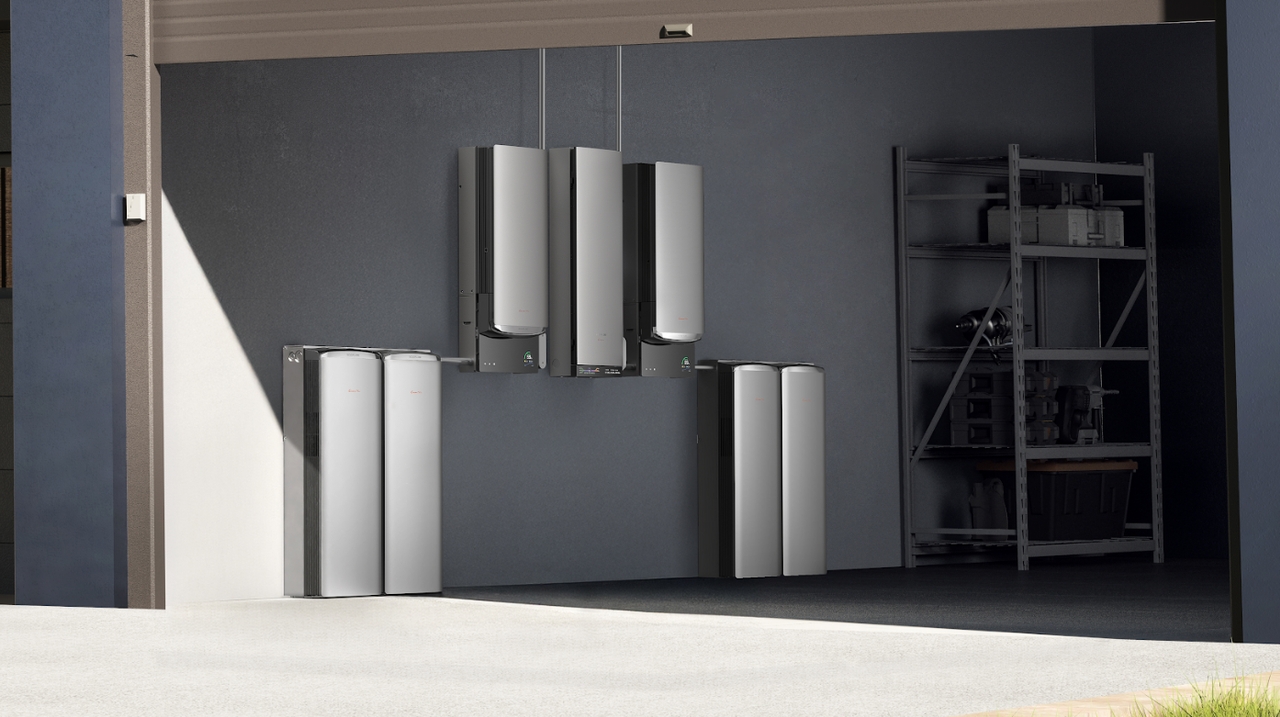
The EcoFlow OCEAN Pro is designed for whole-home backup and can provide up to 24kW of continuous power output, enabling homeowners to keep critical systems and high-demand appliances like HVAC equipment, refrigerators, lighting, and other essential loads running during outages. The system also includes expandable energy storage from 10 kWh to 80 kWh, providing flexibility for households with varying energy needs and backup duration requirements.
Conclusion
Heat wave California is no longer an isolated weather event. Preparing for extreme heat isn't just about staying cool on a hot day. Residents are advised to develop a comprehensive plan for heat readiness that includes staying aware of weather predictions, protecting vulnerable family members, drinking plenty of water, and having access to reliable cooling options.
As heat waves place added strain on California's energy infrastructure, households should also look at ways they can bolster energy resilience and keep critical services running during outages. Investing in reliable backup power solutions can help residents better cope with extended periods of extreme power outages. Why wait? Request a consultation today and get ready to handle the California heat wave outage effortlessly.
Get Your Free Home Energy Consultation!
Which energy solution are you interested in?

FAQs
Who is at the most risk during a California heat wave?
Older adults, infants, outdoor workers, and those with chronic health conditions are at greatest risk. These groups are more vulnerable because their bodies either do not regulate temperature effectively or are exposed to heat for extended periods of time without sufficient cooling.
Can a heat wave increase wildfire risk?
Yes, absolutely. Heat waves dry vegetation, reduce humidity, and create ideal conditions for ignition and spread of fire. Wildfire risk increases substantially with strong winds or dry lightning.
Why are California heat waves becoming more frequent?
They are increasing in frequency as global temperatures climb, drought conditions linger, and atmospheric patterns like heat domes trap warm air over a region for prolonged periods. Proactive planning can make a significant difference in reducing risks and improving comfort during future heat events
Is it safe to visit California beaches during a heat wave?
Generally, coastal areas are safer due to the cooling effect of the ocean, although it can still vary depending on smoke, UV intensity, and local weather patterns. Visitors should continue to monitor advisories. Visitors must be informed about the latest weather conditions before going out.
How hot does it have to be for a heat wave in California?
Heat waves do not have a set threshold, but are typically defined as a period of sustained temperatures significantly above average for the season, typically defined as sustained temperatures of 100°F or higher for two or more consecutive days in inland areas, though coastal regions may trigger heat advisories at lower thresholds given their normally cooler baselines.

