
Home Renovation Ideas with Organic Modernism Style
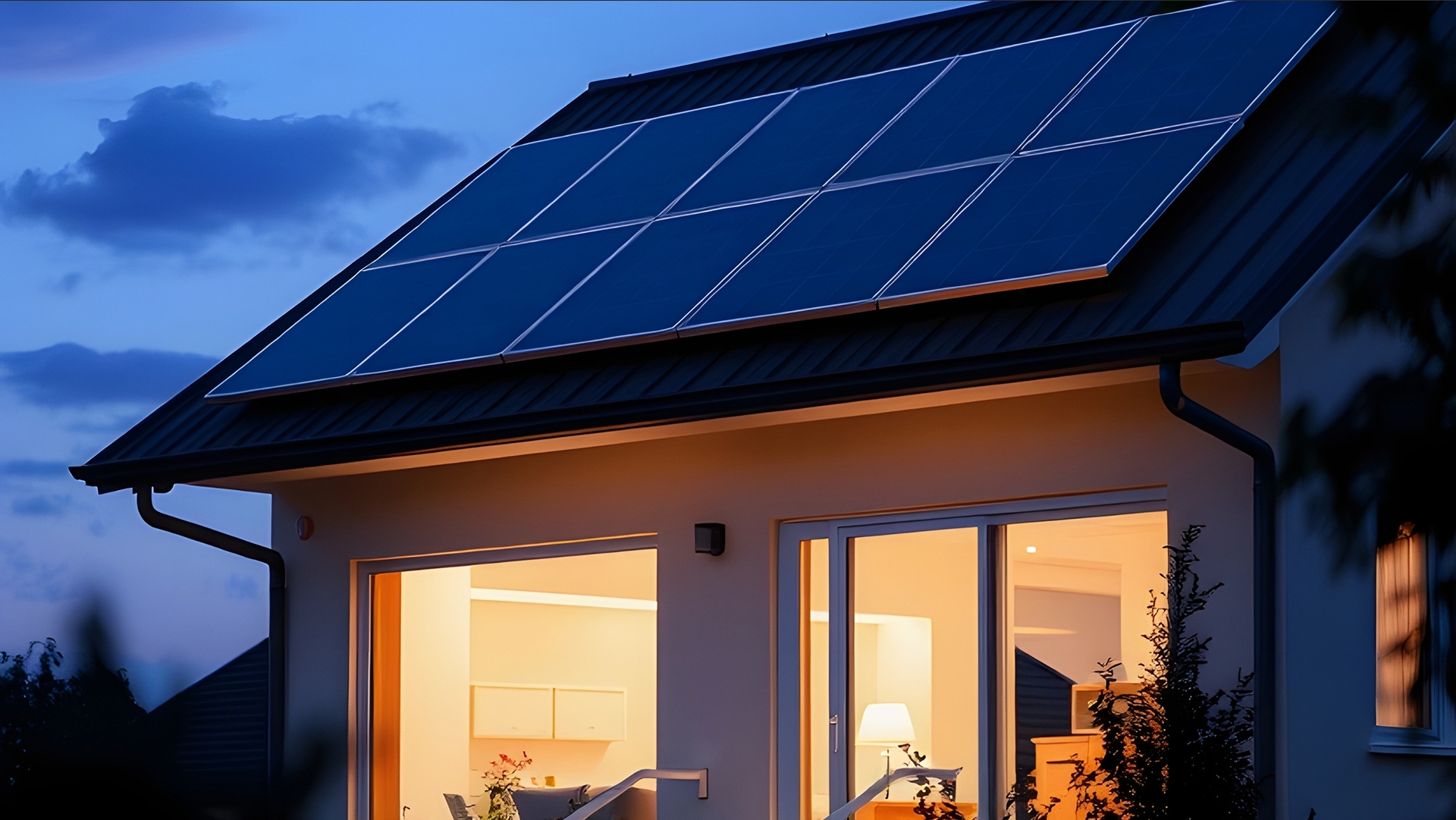
Renovating a home is a great way to create a space that is both modern and very relaxing. The sought-after style in home renovation is organic modernism. This style of home renovation combines modern style with elements of nature that are a little imperfect. If you want a home that looks fancy without being cold or clinical, then this article will give you practical renovation ideas to add organic modern style to your home.
What Is Organic Modernism in Home Design?
At its core, organic modernism is a balancing act. Traditional modern design can sometimes feel rigid, relying heavily on glass, steel, and stark white walls. Organic modern interior design, on the other hand, embraces raw nature. When you combine them, you get organic modern interior design: a space characterized by minimalist layouts and functional furniture, softened by natural materials, earthy color palettes, and abundant natural light.
The goal is to create a sanctuary. By removing visual clutter (the "modern" aspect) and introducing natural textures (the "organic" aspect), the home becomes a calming environment that seamlessly connects the indoors with the outdoors.
How Do You Choose Materials for an Organic Modern Style?
The foundation of any successful renovation in organic modern style relies heavily on material selection. You must prioritize materials that look and feel natural.
Prioritize Natural Wood
Wood is the absolute cornerstone of this aesthetic. When selecting flooring, cabinetry, or exposed ceiling beams, avoid high-gloss varnishes or heavily stained woods. Instead, choose matte finishes, raw edges, and light to medium tones like white oak, ash, or walnut. These choices highlight the natural grain and imperfections of the wood, adding instant warmth to a room.
Incorporate Natural Stone
Replace manufactured countertops or synthetic tiles with natural stone. Materials like honed limestone, unpolished travertine, marble, and soapstone provide incredible texture. The porous, matte finish of these stones perfectly offsets the sharp, clean lines of modern cabinetry. Consider using rough-cut stone for a fireplace surround or a large, monolithic stone slab for a kitchen island.
Layer Organic Textiles
To soften the architecture, incorporate raw textiles. Choose upholstery, rugs, and curtains made from pure linen, heavy cotton, jute, bouclé, and wool. These fabrics introduce a tactile element that makes the space feel lived-in and comfortable, contrasting beautifully with the smooth surfaces of modern design.
How Does Lighting Enhance Organic Modern Interior Design?
Lighting provides the mood of a room. With organic modern style, sufficient natural light is as important as the light fixtures to use.
As you renovate your room, consider how to maximize the use of natural light. Consider enlarging the windows, installing floor-to-ceiling glass doors, or installing skylights. This light will highlight the texture of wood and stone materials during the daytime.
For artificial light, it is best to avoid very ornate and fancy light fixtures, as well as harsh and industrial metals. Consider light fixtures with natural forms and materials. Rattan pendant lights, matte ceramic sconces, and soft-lined lampshades will complement the organic look of the style. Use LED lightbulbs with a color temperature of 2700 to 3000 Kelvin to mimic the soft light of the evening light.
What Color Palette Defines Organic Modernism?
Color is the easiest way to establish this organic modernism. The palette must remain grounded, neutral, and deeply inspired by nature.
Start with a foundational canvas of warm neutrals. Bright, stark whites can feel too clinical. Instead, paint walls in shades of warm cream, soft beige, taupe, or light greige. These colors reflect light beautifully while maintaining a cozy, enveloping atmosphere.
Once the base is established, introduce depth through accent colors found in nature. Muted olive greens, deep terracotta, rusty browns, and soft clay tones work exceptionally well. Apply these colors through accent chairs, large area rugs, or a single feature wall. The key is to avoid highly saturated or neon colors, as they disrupt the calm, natural harmony of the space.
How Can You Integrate Sustainable Technology Seamlessly?
A core principle of embracing nature is protecting it. Modern renovations increasingly focus on sustainability and energy independence. However, bulky technological equipment often clashes with the clean aesthetics of organic modern interior design.
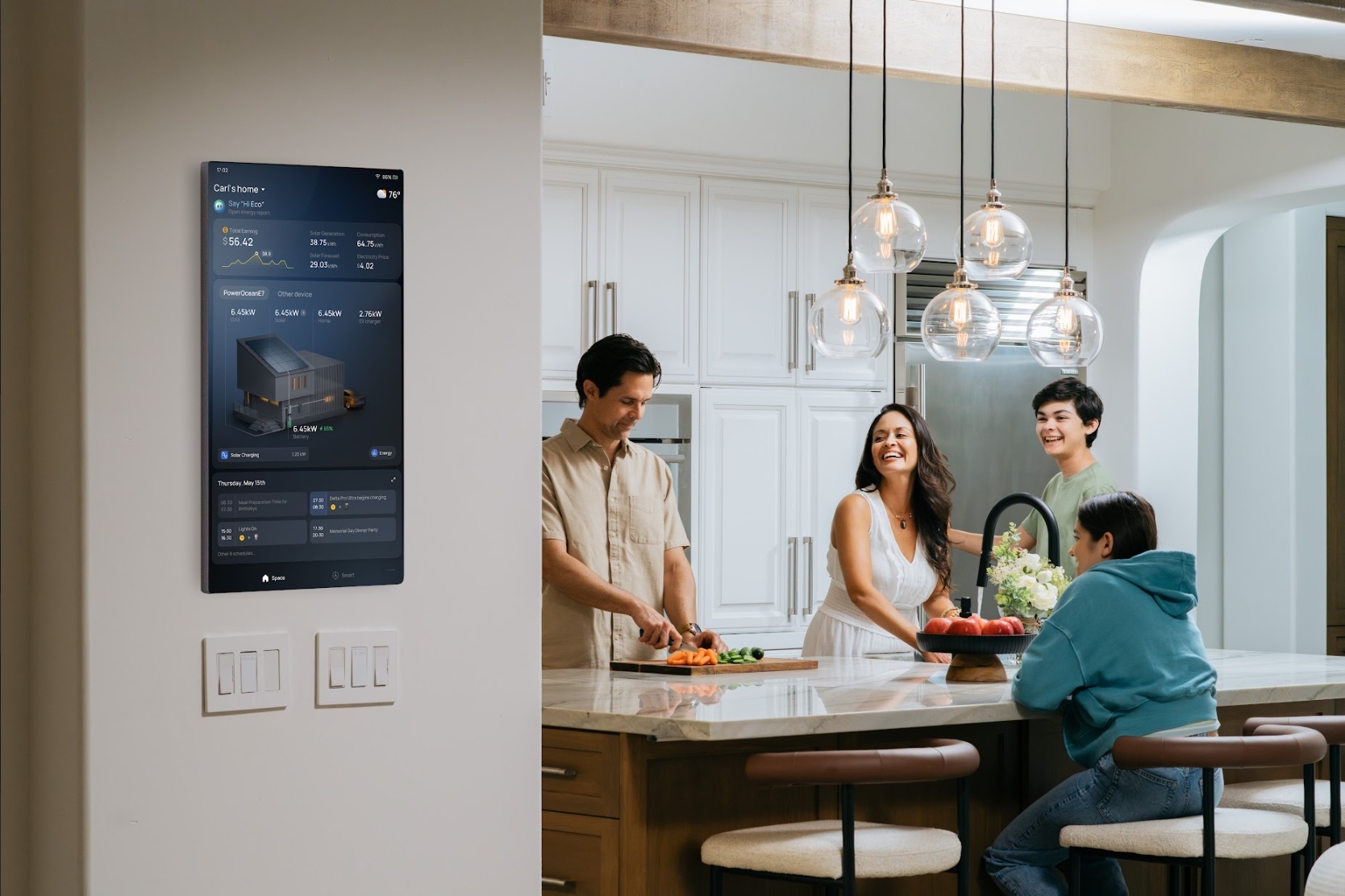
When upgrading your home's electrical infrastructure, you need solutions that are powerful yet visually unobtrusive. This is where whole-home energy systems become essential. If you are adding solar panels or upgrading your HVAC system during a renovation, you must ensure your home can handle the load smoothly.
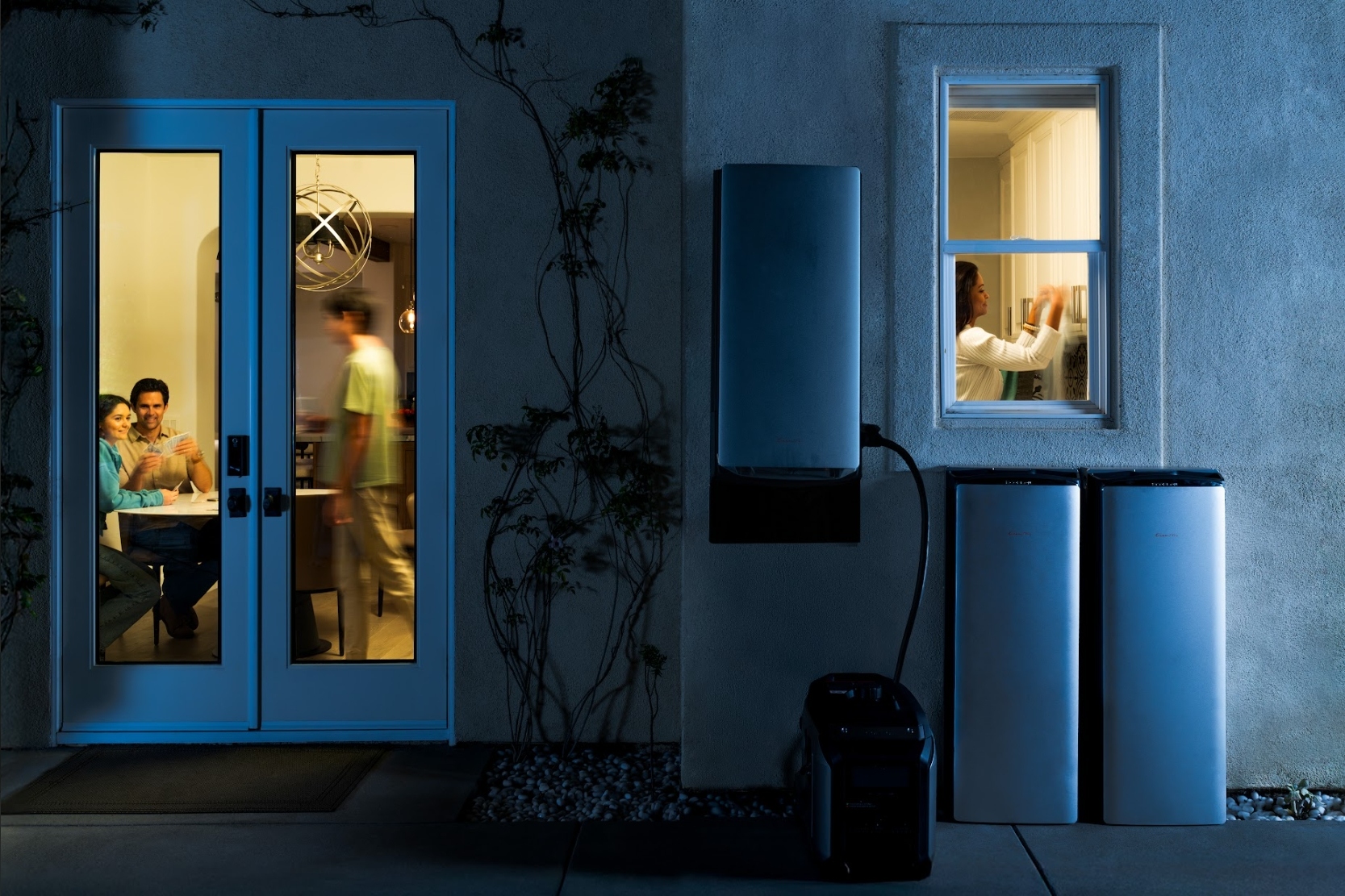
The EcoFlow OCEAN Pro Solar Battery System provides a perfect solution. This fixed, all-in-one home energy ecosystem features a modular design that integrates cleanly into your utility room without visual clutter. It supports a massive 24kW continuous output, easily powering multiple heavy appliances simultaneously while providing 10-millisecond switchover during grid outages.
Get Your Free Home Energy Consultation!
Which energy solution are you interested in?


How Do You Curate Decor for an Organic Modern Home?
The final step in your renovation is staging the space. In this design philosophy, decor must be intentional and minimal.
Embrace "Less is More"
Avoid cluttering shelves with dozens of small trinkets. Instead, select a few large, highly impactful, and functional pieces. A single, oversized ceramic vase on a dining table or a large, abstract wooden sculpture in a hallway makes a stronger statement than multiple small items. Let the negative space (the empty areas around objects) breathe.
Bring the Outdoors Inside
Plants are a non-negotiable element of this aesthetic. Incorporating live greenery breathes literal life into the room. Use large, structural plants like a Ficus Audrey or a large Olive tree placed in a textured stone or woven basket planter. The vibrant green foliage provides the perfect natural contrast against warm neutral walls and wooden furniture.
Focus on Artisanal Craftsmanship
Choose decor items that show the hand of the maker. Hand-thrown pottery, woven tapestries, or imperfect wooden bowls add character. These artisanal items celebrate the beauty of imperfection, which is a central theme when decorating within the organic modern style.
Elevating Your Space with Functional Resilience
Achieving an organic modernism aesthetic requires a thoughtful balance between sleek architectural lines and raw, natural warmth. By prioritizing materials like matte wood and natural stone, maximizing natural light, and keeping the color palette grounded in earth tones, you can transform any house into a serene sanctuary. As you plan your renovation, remember that true modern living also means ensuring your home is resilient and energy-independent. Secure your newly designed space with reliable, whole-home backup power. Get a Quote for the EcoFlow OCEAN Pro today.
FAQ
Q1: What is the difference between modern traditional and organic modern?
The difference between modern traditional and organic modern style is that modern traditional style combines classic elements with contemporary furniture. Organic modern style removes traditional elements and uses a simple layout with rough stones and wood to give a natural look.
Q2: What are the key elements of organic modern design?
The key elements are a warm and neutral color scheme, use of natural materials, plenty of natural lighting, a simple and functional furniture layout, and an abundance of plants and organic shapes.
Q3: What are common organic modern style mistakes?
The common mistake is adding too many items to the room, which will destroy the simple look. Using highly processed items such as high-gloss wood, shiny synthetic fabrics, or bright white paint will not be part of organic modern style.
Q4: What colors are used in organic modern style?
The color scheme will be based on the colors found in nature. The main colors are warm white, cream, taupe, and soft gray. The secondary colors are olive green, terracotta, rust, clay, and deep brown. No bright or highly artificial colors are used.
Q5: How to make your house look expensive?
To make your home look expensive, you should not over-accessorize with too many items. You should use high-quality materials such as marble or solid oak wood. You should use a simple color palette, warm lighting, and avoid clutter.

