
Fall Home Maintenance Checklist: Prevent Costly Winter Repairs
As temperatures drop and storms become more frequent, preparing your home before winter arrives can prevent expensive repairs and improve seasonal comfort. A thorough fall home maintenance checklist helps protect your roof, plumbing, heating system, and exterior from harsh weather.
Completing these essential tasks early also improves energy efficiency, enhances household safety, and reduces the likelihood of unexpected breakdowns during the coldest months. Additionally, we will explore how investing in a resilient home battery system can help you manage your home energy needs easily.
The checklist at a glance
Area | Maintenance Task | Quick Action |
Exterior | Gutters | Clean leaves and debris |
Exterior | Roof | Check shingles and flashing |
Exterior | Windows & Doors | Seal gaps and replace weatherstripping |
Indoor | HVAC System | Replace filter and schedule service |
Indoor | Fireplace | Clean chimney and inspect damper |
Indoor | Safety Devices | Test alarms and replace batteries |
Plumbing | Outdoor Plumbing | Drain hoses and shut off outdoor water |
Plumbing | Water Heater & Pipes | Insulate pipes and flush the tank |
Plumbing | Yard Equipment | Store tools and prepare snow equipment |
Exterior protection: fortifying the home envelope
Preparing your home's exterior before winter helps reduce weather-related damage, improves energy efficiency, and prevents moisture from entering vulnerable areas. These essential fall and autumn home maintenance tasks strengthen the building envelope against seasonal rain, wind, freezing temperatures, and snow.
Gutter and downspout cleaning
Clean gutters and downspouts by removing leaves, twigs, and debris that can block proper drainage. Clogged gutters often cause overflowing water, ice dams, foundation problems, and siding damage. Ensure downspouts extend at least five feet away from the foundation to help reduce soil erosion and minimize the risk of basement moisture.
Roof and flashing inspection
Inspect the roof for cracked, missing, or curling shingles that may have been damaged during summer storms. Carefully examine flashing around chimneys, skylights, vents, and roof penetrations for loose sections or deteriorating seals. Addressing minor roofing issues early helps prevent leaks and costly structural repairs during winter.
Sealing windows and doors
Check weatherstripping and exterior caulking around windows and doors for cracks, gaps, or signs of wear. Replace damaged weatherstripping, apply fresh caulk where necessary, and install door sweeps to reduce drafts. Proper sealing helps maintain indoor comfort while lowering heating demands throughout the colder season.
Indoor comfort & heating system care
Cold weather places additional demands on heating systems and indoor safety equipment. Performing routine maintenance before winter helps improve heating efficiency, supports reliable operation, and reduces potential safety hazards during extended periods of cold weather.
HVAC & furnace tune-up
Replace furnace air filters every one to three months to maintain consistent airflow and improve system efficiency. Schedule a professional HVAC inspection to identify worn components, verify safe operation, and test smart thermostat settings. Preventive servicing can help reduce unexpected heating interruptions during winter.
Safety equipment verification
Test smoke alarms and carbon monoxide detectors throughout the home to ensure they function properly before heating equipment is used regularly. Replace batteries where needed and verify expiration dates on fire extinguishers. Reliable safety devices provide valuable early warning during household emergencies.
Fireplace and chimney preparation
Schedule professional chimney cleaning to remove creosote deposits that increase the risk of chimney fires. Inspect the chimney cap for damage and confirm the damper opens and closes correctly. Regular maintenance also helps prevent debris, rainwater, and animals from entering the chimney system.
Plumbing & outdoor winterization
Freezing temperatures can damage plumbing systems, outdoor equipment, and landscaping if they are not properly prepared. Completing these fall home maintenance checklist tasks helps reduce the risk of burst pipes, equipment failures, and costly repairs while keeping your property ready for winter weather.
Protecting exterior plumbing
Disconnect and drain all garden hoses before storing them for the season to prevent trapped water from freezing. Shut off the interior water supply to outdoor faucets and drain the remaining water from the lines. These simple steps help reduce the risk of frozen pipes and expensive plumbing repairs.
Basement & water heater maintenance
Inspect exposed water pipes in basements, crawlspaces, and attics, then add insulation where necessary to reduce freezing risks. Flush the water heater tank to remove accumulated sediment, which can improve heating efficiency, maintain consistent hot water performance, and extend the system's service life.
Yard equipment & tool storage
Prepare outdoor equipment before winter by draining fuel or adding a fuel stabilizer to lawnmowers before storage. Service snowblowers to ensure reliable operation during heavy snowfall, stock essential ice melt and snow shovels, and prune tree branches near roofs or power lines to reduce storm-related hazards.
Fortifying home energy resilience
Autumn and winter often bring high winds, heavy snow, freezing rain, and severe storms that can interrupt grid power without warning. During these outages, maintaining electricity for heating systems, sump pumps, refrigerators, medical equipment, and other essential appliances becomes increasingly important.
Preparing your home with a reliable backup power solution helps improve safety, comfort, and peace of mind throughout the colder seasons.

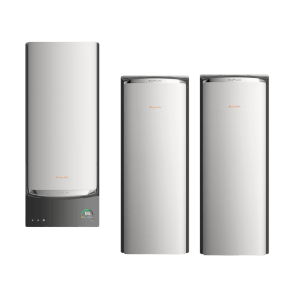
EcoFlow Ocean Pro is an advanced on-grid home battery backup system designed to provide dependable household power while supporting efficient energy management. Its scalable design allows homeowners to prepare for both short-term outages and extended disruptions while making better use of available solar energy.
So, what are you waiting for? Schedule a consultation with an energy expert today to find the ideal solar battery setup for your address.
Get Your Free Home Energy Consultation!
Which energy solution are you interested in?

Key features of Ocean Pro:
Seamless power switchover: Fast backup transfer helps keep heating systems, lighting, refrigerators, and other essential appliances running with minimal interruption during a power outage.
High output & surge capacity: Delivers up to 24 kW continuous AC output with 205A LRA surge capability, allowing demanding equipment such as central HVAC systems, sump pumps, and refrigerators to start and operate reliably.
Scalable battery storage: Modular Lithium Iron Phosphate (LFP) battery storage starts at 10 kWh and expands up to 80 kWh per inverter, providing flexible capacity for different household energy requirements.
Solar & grid optimization: Supports up to 40 kW of solar input across 8 MPPT channels, enabling efficient solar energy utilization, optimized energy management, reduced peak electricity costs, and dependable home backup power.
Wrapping up
Preparing your home before winter arrives is one of the most effective ways to reduce unexpected repairs, improve energy efficiency, and maintain a comfortable living environment.
Simple tasks such as cleaning gutters, inspecting the roof, servicing heating equipment, protecting plumbing, and storing outdoor tools can help minimize weather-related damage throughout the colder months. Pairing these maintenance efforts with a reliable home battery backup solution like the EcoFlow Ocean Pro adds another layer of protection by keeping essential appliances and heating systems powered during outages.
Together, proactive seasonal maintenance and dependable backup energy help ensure your home remains safe, resilient, and ready for whatever autumn and winter conditions bring.
Frequently Asked Questions (FAQs)
What is the 1 rule for home maintenance?
The most important rule is to address small maintenance issues before they become major repairs. Regular inspections and seasonal upkeep help extend the lifespan of your home's systems and reduce long-term maintenance costs.
When is the best time of year to complete a fall home maintenance checklist
Early to mid-fall is generally the best time to complete home maintenance. Finishing these tasks before freezing temperatures and severe storms arrive allows you to prepare your home for the entire winter season.
What are the most critical fall maintenance tasks to prevent expensive winter home damage?
Priority tasks include cleaning gutters, inspecting the roof, sealing windows and doors, servicing the heating system, insulating exposed pipes, and preparing outdoor plumbing. These measures help reduce weather-related damage and improve winter readiness.
How can homeowners prepare for power outages during winter?
A home battery backup system provides electricity during grid outages, helping keep heating systems, refrigerators, sump pumps, lighting, and other essential appliances operating. This added resilience improves household safety and comfort during severe autumn and winter weather.

