
9 Energy Efficient Home Improvements for a Smarter Home
Energy efficient home improvements offer a practical path to lower costs, greater comfort, and stronger home performance. From simple air sealing to advanced solar-plus-storage systems, these upgrades reduce waste and can even turn your home into a smarter energy asset. In this article, we introduce nine high-impact options that deliver real results.
Why home energy improvements matter more than ever
Rising energy costs and changing household needs make efficiency crucial. The right upgrades reduce waste, improve comfort, protect home value, and deliver long-term savings.
Lower and stabilize utility costs: Efficiency upgrades reduce energy demand, making monthly expenses more predictable and manageable.
Improve indoor comfort: Better insulation, windows, HVAC systems, and air sealing create more consistent indoor temperatures year-round.
Increase home value: Energy-efficient features, solar panels, and battery storage make a property more attractive to buyers while lowering future operating costs.
Achieve lasting efficiency: Unlike turning off lights or adjusting thermostats, improving your home's infrastructure creates longer-lasting gains.
9 Energy efficient home improvements to consider
The most effective home energy upgrades focus on stopping conditioned air loss, modernizing mechanical equipment, and generating your own power on-site.
Upgrade your insulation
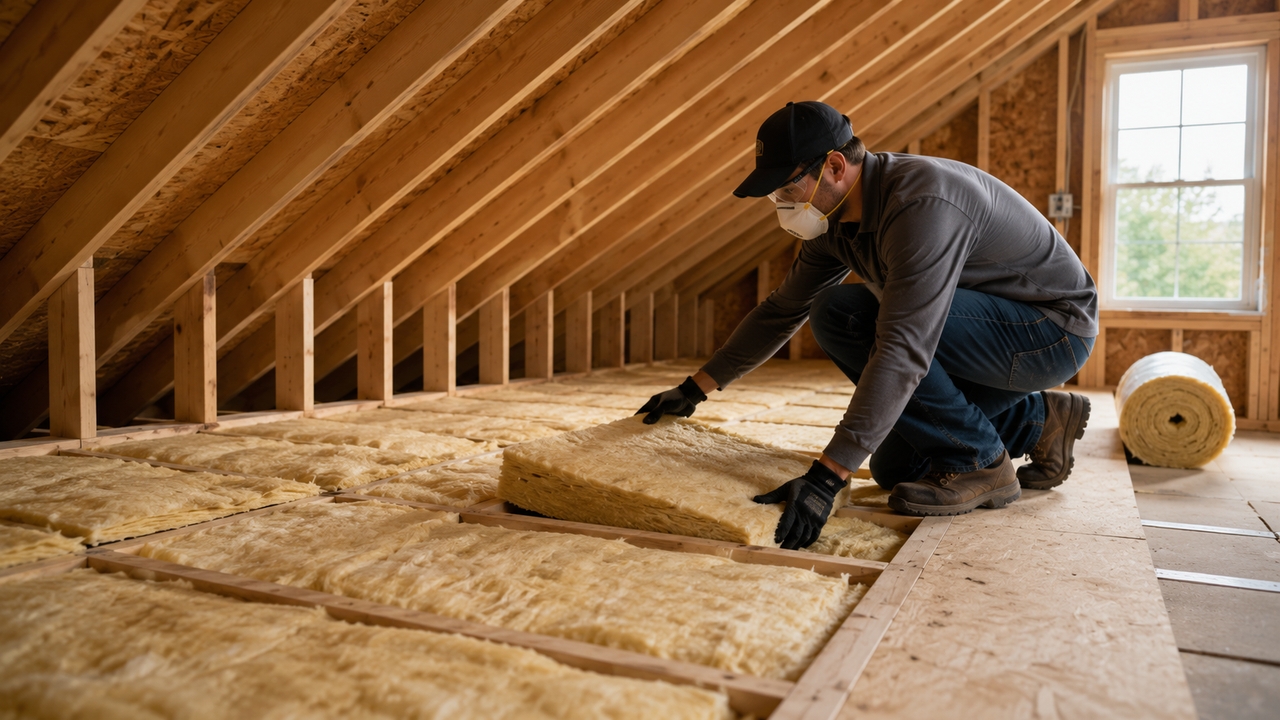
Attics, walls, and floors lose heat rapidly without adequate insulation. Adding or upgrading insulation is one of the most cost-effective ways to cut heating and cooling bills year-round. ENERGY STAR notes that sealing air leaks and properly insulating an attic can save up to 10% on annual energy bills while improving comfort.
Seal air leaks
Gaps around windows, doors, outlets, plumbing penetrations, and attic hatches let conditioned air escape. Weatherstripping, caulking, and foam sealants are inexpensive fixes with a fast payback. Combined with insulation, air sealing can reduce heating and cooling costs by an average of about 15%.
Install energy efficient windows
Old windows can allow heat to move easily between your home and the outdoors. Double- or triple-pane windows provide better insulation. Low-E coatings can further reduce heat transfer. These improvements help keep your home cooler in summer and warmer in winter while reducing HVAC demand.
Switch to a smart thermostat
Smart thermostats learn your schedule and adjust automatically. Most models cut heating and cooling costs by 10-15%. They also send detailed usage reports. Reviewing those reports helps you spot wasteful patterns and adjust settings further, squeezing out even more savings over time.
Replace old appliances with ENERGY STAR models
Older appliances often consume more electricity than newer, efficient models. Replacing aging refrigerators, washers, dishwashers, and other equipment can reduce household energy use. ENERGY STAR-certified models are designed to use less energy and water. Replace the biggest energy users first for greater savings.
Upgrade your HVAC system
An aging furnace or air conditioner may use more energy to maintain comfortable temperatures. A modern, high-efficiency HVAC system can reduce this workload. Proper sizing and professional installation also matter. Before upgrading, address insulation and air leaks to help your new system perform efficiently.
Install a heat pump water heater
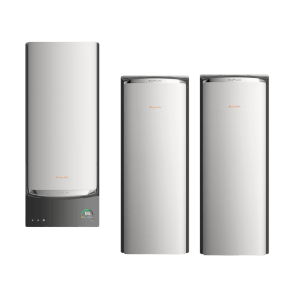
These units move heat rather than generate it through resistance elements, using up to 70% less electricity than standard electric water heaters. Most households see savings of several hundred dollars per year, resulting in a strong long-term return on investment and reduced overall energy demand.
Add solar panels
Rooftop solar panels generate clean electricity on-site and can dramatically cut or eliminate daytime purchases from the grid. When paired with battery storage, solar maximizes self-consumption of free energy, lowers monthly bills, reduces reliance on utility, and strengthens home resilience during power outages or peak rate periods.
Add whole-home battery storage

Solar panels only generate energy while the sun shines. Whole-home battery storage completes the energy independence equation by storing excess solar production for nighttime use or outages. It provides seamless backup power, enables time-of-use rate arbitrage, and supports critical loads when the grid fails.
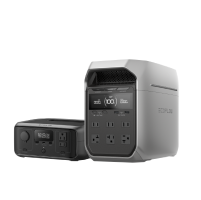
A leading option is the EcoFlow OCEAN Pro Solar Battery System, which delivers up to 24 kW continuous output, expandable 10–80 kWh storage, and supports up to 40 kW solar input, multi-source charging from solar/grid/generators, 10 ms switchover, intelligent app control, and a 15-year warranty for true whole-home backup and savings.
Get Your Free Home Energy Consultation!
Which energy solution are you interested in?
Take control of your home's energy costs. Schedule your free consultation today with our energy expert to design your custom solar-plus-storage setup and start saving.
How to choose the right improvements for your home
Prioritizing your upgrades ensures you maximize return on investment without overspending upfront:
Home age and condition: Pre-1990s homes typically leak the most conditioned air. Address attic insulation and air sealing first to establish a solid thermal envelope before sizing mechanical equipment.
Local climate: If you face freezing winters or brutal summer heat waves, high-efficiency heat pumps and insulated windows yield immediate returns. Sunny areas prioritize rooftop solar and storage early.
Budget and timeline: Low-cost interventions like door sweeps, caulk, and smart thermostats can be executed in an afternoon. Capital investments like heat pump retrofits, PV solar, and storage systems should be phased in to maximize local utility rebates.
Energy usage patterns: Review your utility bills to identify whether base load or peak-rate power drives your costs. A professional home energy audit highlights hidden drafts and equipment inefficiencies.
Long-term goals: If your primary focus is lowering monthly overhead, begin with air sealing, insulation, and appliance upgrades. If your goal is energy self-reliance, emergency resilience, and neutralizing utility rate hikes, install rooftop solar paired with the EcoFlow OCEAN Pro.
Conclusion
To improve energy efficiency, a smart, tiered approach delivers the biggest results: first seal air leaks and upgrade insulation to stop energy waste, then replace aging appliances and mechanical systems with high-efficiency models, and finally deploy modern solar-plus-storage to generate and store your own power. This sequence maximizes savings, comfort, and resilience while ensuring each dollar spent works harder. Next steps include scheduling a professional residential energy audit to identify your home's biggest opportunities and exploring a custom-sized EcoFlow OCEAN Pro whole-home system tailored to your energy needs and goals.
FAQs
What is the best way to improve my home's energy efficiency?
Start with air sealing and insulation. These fixes are inexpensive relative to their impact and address the root cause of most heating and cooling waste before you invest in bigger upgrades like HVAC replacement or solar.
What home improvements reduce my energy bill?
Insulation, air sealing, energy-efficient windows, a smart thermostat, ENERGY STAR appliances, an updated HVAC system, a heat pump water heater, solar panels, and whole-home battery storage all reduce energy bills, either by cutting waste or by generating and storing your own power.
How can energy efficiency be improved?
Energy efficiency improves most reliably through a combination of reducing waste (insulation, sealing, efficient appliances) and taking more control over how energy is generated and used (solar and battery storage). Pairing both approaches delivers more savings than either one alone.

