
What Is Energy Deregulation and How Does It Benefit You?
Tired of unpredictable monthly utility bills and feeling stuck with a single electric company? Energy deregulation gives you the freedom to break free from traditional utility monopolies and choose who supplies your electricity. Instead of being locked into standard rates set by a local utility, energy deregulation opens up competitive market options that let you compare pricing, lock in fixed rates, and select clean energy plans tailored to your home's needs.
What is energy deregulation?
Energy deregulation is the process of opening electricity or natural gas markets to competition by allowing consumers to choose their energy supplier instead of purchasing energy exclusively from a local utility.
In a regulated market, one utility company handles everything: generation, delivery, and billing. You have no choice in the matter.
In a deregulated market, the utility still owns the poles and wires that bring power to your house, but you can choose which retail energy provider (REP) sells you that power. Providers compete for your business with different rates, contract lengths, and plan types.

Which states have deregulated energy?
Not every state offers energy choice, and the rules vary depending on where you live. Some states have deregulated electricity, some have deregulated natural gas, and a few offer both.
Seventeen states plus Washington, D.C. currently offer some form of electricity deregulation:
Region | Deregulated States |
Northeast | Connecticut, Delaware, Maine, Maryland, Massachusetts, New Hampshire, New Jersey, New York, Pennsylvania, Rhode Island |
Midwest | Illinois, Michigan, Ohio |
South/West | Texas, California, Oregon, Virginia |
Other | Washington, D.C. |
CTA: Not sure if you're in a deregulated market? Check your utility bill for a separate "supply" or "generation" charge, visit your state's Public Utility Commission website, or enter your ZIP code into an online energy marketplace to see the suppliers available in your area.
How does energy deregulation work?
Energy deregulation splits the power market into two parts: delivery and supply. Utilities manage the physical power lines and emergency repairs, while retail energy providers compete to sell you the actual electricity.
Separation of roles
Retail Energy Providers (REPs): These independent companies buy power on the wholesale market or generate it themselves. They handle the billing, create consumer rate plans (fixed, variable, indexed), and compete on pricing and customer perks.
Local utility companies (TDUs / DISCOs): Regardless of which supplier you select, your local utility remains responsible for maintaining power lines, responding to power outages, and delivering electricity to your home safely.
Benefits and potential drawbacks of electricity deregulation
Evaluating a competitive energy market requires looking at both consumer perks and potential pitfalls:

Key benefits
Lower prices & flexible plans: Competition drives providers to offer competitive rates, fixed-price contracts, and tailored plans designed around your usage patterns. This can significantly reduce your monthly bills compared to regulated utility rates.
More choices: Deregulated markets give consumers access to renewable electricity, green energy plans, Time-of-Use options, and customized contracts. This flexibility makes it easier to find a plan that matches your budget and sustainability goals.
Better service & innovation: Providers compete through responsive customer support, mobile apps, rewards programs, smart energy tools, and usage insights. This competition drives innovation and helps consumers better monitor and manage electricity consumption.
Potential drawbacks
Market complexity: With numerous providers, pricing structures, and contract terms available, comparing electricity plans can become confusing. Consumers should carefully review plan details before selecting the option that best fits their needs.
Price fluctuations: Variable-rate electricity plans may increase during periods of high demand, extreme weather, or supply shortages. Understanding how rates change helps consumers avoid unexpected increases in monthly energy costs.
Responsibility shift: Consumers must actively compare providers, review Electricity Facts Labels (EFLs), understand contract terms, and monitor renewal dates. Careful research helps avoid hidden fees, unfavorable conditions, or expensive automatic renewals.
Smart strategies to maximize your savings
Picking a deregulated energy plan is only half the job. How you use power on that plan decides whether you actually save money. Here's how to get more out of a competitive energy market.
Compare more than just the rate
The lowest advertised rate isn't always the cheapest plan once you factor in monthly fees, usage tiers, and contract length. Always check the Electricity Facts Label (EFL) for the true cost at your typical usage level, not just the headline number.
Time-of-Use (TOU) matching
Align your energy consumption with lower off-peak rates by shifting high-usage activities like laundry, dishwashing, EV charging, or cooking to cheaper hours. Many deregulated plans offer significant savings through smart TOU scheduling.
Deploy home batteries
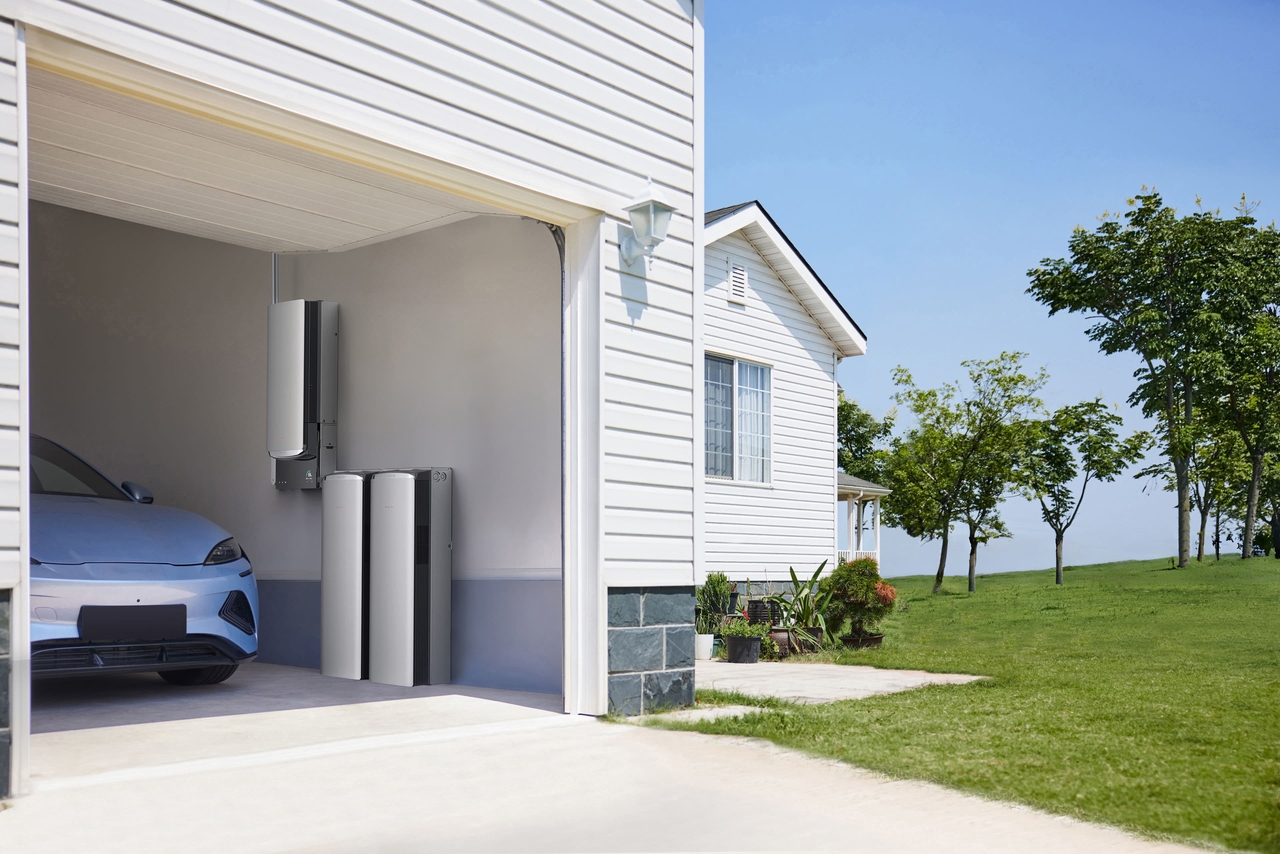
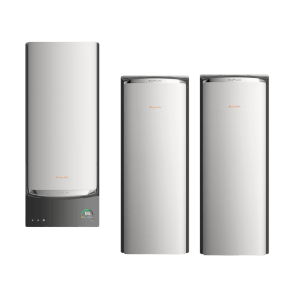
One of the smartest moves is adding home solar paired with a reliable battery system. The EcoFlow Ocean Pro combines solar generation with scalable battery storage, capturing up to 40kW of solar input and expanding from 10kWh to 80kWh of storage as your needs grow. With up to 24kW of continuous output, it can store excess solar power and use it during expensive peak hours or outages instead of pulling from the grid. This allows you to store excess solar energy and use it during expensive peak TOU periods or outages. The system maximizes self-consumption, reduces grid reliance, and can unlock additional utility incentives in many deregulated states.
Conclusion
Energy deregulation gives consumers more choice, more responsibility, and greater potential for savings. By comparing electricity providers, selecting a plan that matches your usage, and understanding contract terms, you can take advantage of competitive pricing and renewable energy options. To maximize your savings, consider pairing a Time-of-Use (TOU) electricity plan with a home battery system like EcoFlow Ocean Pro, which stores low-cost or solar-generated energy for use during expensive peak hours.
Ready to lower your energy costs? Compare available plans in your area and schedule a free consultation with Ecoflow energy experts to explore how the right battery solution can help you save more year-round.
Get Your Free Home Energy Consultation!
Which energy solution are you interested in?

FAQs
What states have deregulated energy?
Seventeen states plus Washington, D.C. offer some form of electricity deregulation, including Texas, Pennsylvania, Ohio, New York, and Illinois. Some states only deregulate natural gas or limit choice to certain customer types.
What is the difference between a utility company and a retail energy provider?
A utility company delivers electricity, maintains power lines, and restores outages. A retail energy provider sells electricity plans and bills customers in deregulated markets, while using the utility's existing infrastructure for delivery.
How do I switch to a new energy provider?
Compare plans using your ZIP code, review the Electricity Facts Label, and sign up with your chosen provider. The switch is usually seamless, happens at the end of your current contract, and requires no service interruption.
Is energy deregulation available everywhere?
No. Only specific states and utility territories offer energy choice. Many states remain fully regulated, meaning you must use your local utility. Always verify eligibility by entering your ZIP code on a comparison platform.
Does energy deregulation make electricity cheaper?
It often does through competition, but results vary. Savings depend on your usage, plan selection, and market conditions. Smart strategies like TOU plans and solar battery storage (e.g., EcoFlow Ocean Pro) can significantly boost your savings.

