
What is Electromagnetic Interference: Meaning, Causes & Solutions
Electromagnetic interference can quietly break your devices. Signals drop. Screens flicker. Systems break down at the worst times. Many homeowners now use a smart home backup battery system to keep their power stable because even small problems can be annoying. This guide explains electromagnetic interference in a way that's easy to understand and shows you how to cut it down so your devices keep working.
What is electromagnetic interference (EMI)
According to the electromagnetic interference definition, it is electrical noise that interferes with circuits operating properly. It messes with signals, which can cause devices to not work properly or lose performance. When it affects wireless communication, EMI is also called radio frequency interference (RFI).
There are three main parts to every EMI situation. The source is where the interference starts, like a motor or a wireless transmitter. The transmission path is the way interference moves, which can be through the air, wires, or other parts that are close by. The device that gets affected is the receiver, which could be a TV, router, or computer.
Simply put, you can think of EMI as background noise during a conversation to help you understand it better. The message is still there, but it gets harder to hear clearly. EMI can cause Wi-Fi problems, distorted sound, screens that flicker, and even problems with devices in everyday life.
The different types of electromagnetic interference
Now that you are well aware of the electromagnetic interference meaning, let's round off some of the common types of EMI.
Radiated EMI
Radiated EMI spreads through the air as electromagnetic waves. It doesn't need wires and can work on devices that are far away. This kind is common with wireless signals like radio and cell phone calls. EMI that comes from radiation can be narrowband or broadband. Narrowband interference comes from a single frequency source, like a radio transmitter, and usually only affects one signal. Broadband interference comes from many frequencies at once, like lightning, and can mess up more than one device at a time.
Conducted EMI
Conducted EMI moves through physical connections like power lines, cables, and wires. This happens a lot when more than one device uses the same electrical system. For instance, when a big appliance like a refrigerator turns on, it can make the power line noisy. This noise can then mess up other devices that are on the same circuit, causing things like screen flickers or audio noise.
Coupled EMI
Coupled EMI happens when interference moves between nearby parts without them touching each other. It happens because of electromagnetic interactions. Inductive coupling occurs when the magnetic fields of one device affect the magnetic fields of another device that is close by. This happens a lot when cables or coils are close to each other. When two conductors are close together, capacitive coupling happens, letting energy move through the electric field between them.
What are the main causes of electromagnetic interference
Natural causes
Natural events can cause strong electromagnetic disturbances. Lightning is a big reason why signals can be messed up because it sends out big bursts of energy. Solar storms and flares can also mess up power grids and communication systems. Cosmic radiation adds background noise all the time, even though it's not very noticeable.
Human-made causes
EMI comes from a lot of everyday devices. Power lines, radio transmitters, and cell phones all send out electromagnetic signals that can get in the way of each other. Badly made or broken electronics can make the problem worse by letting too much noise into the environment.
Internal (inherent) causes
There is some interference happening inside the device itself. Bad circuit design can cause signals to interact with each other in ways that are not wanted. When components are very close together in high-frequency circuits and compact electronics, the chance of interference goes up because signals are more likely to leak.
How to prevent and reduce electromagnetic interference
Household-level solutions
Proper device placement
Carefully putting devices in the right places can cut down on interference. You shouldn't put sensitive electronics near high-power appliances like microwaves or washing machines. Don't put too many wireless devices close to each other, as this can cause signals to overlap and stop working.
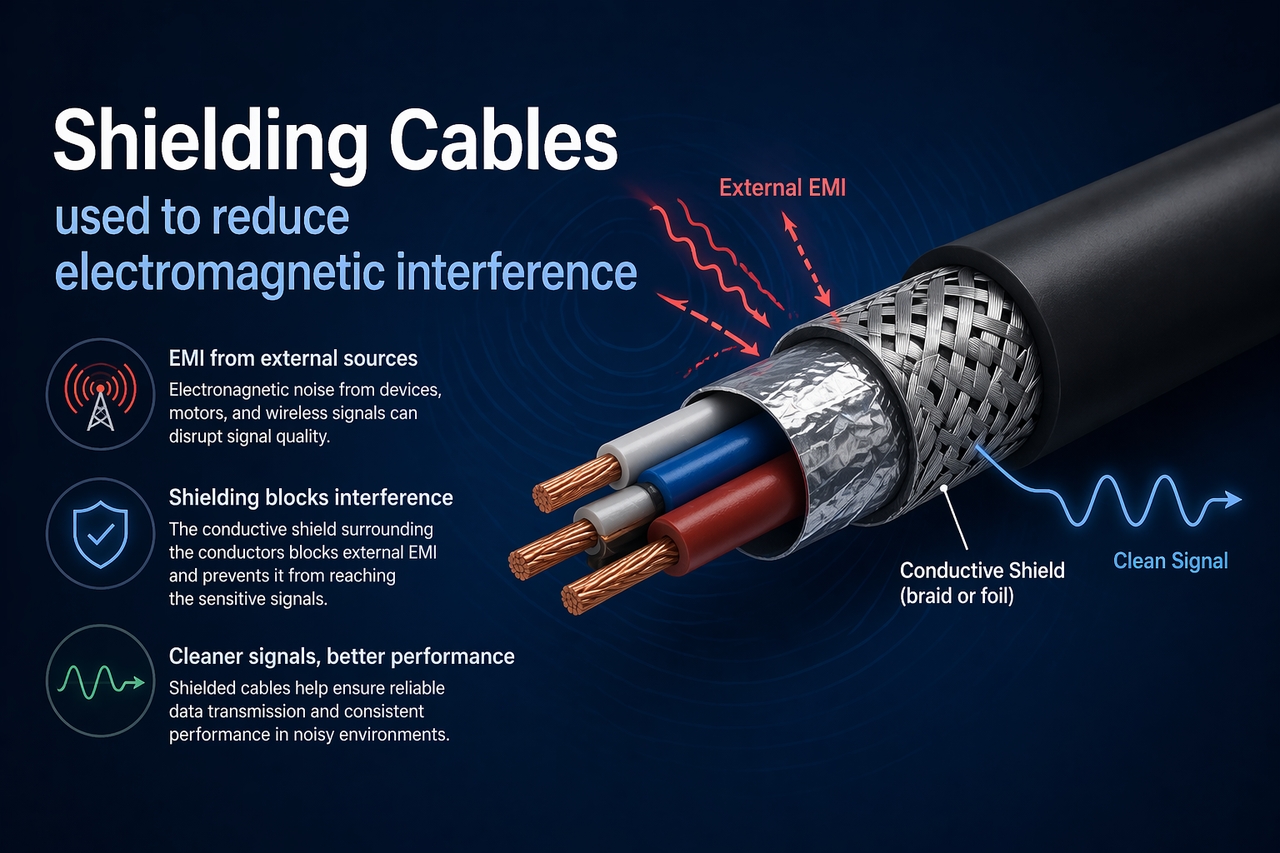
Use of shielded cables
Twisted-pair or shielded cables can help keep outside signals from interfering. These cables are made to keep the signal clear and cut down on noise. Also, it's important to replace damaged or low-quality wiring because bad cables can act like antennas and pick up signals you don't want.
Grounding and earthing
Still wondering how to reduce electromagnetic interference? Proper grounding can help. It makes sure that unwanted electrical noise is safely sent into the ground. Using three-pin plugs and grounded outlets makes electrical systems more stable and lowers the risk of interference in your home.
System-level solutions
Shielding techniques
Shielding means using conductive materials to block electromagnetic waves. Metal cases, shielded cables, and even Faraday cages can keep interference from getting in or out of a device. This is common in electronics that are sensitive.
Filtering and circuit design
EMI filters remove unwanted noise from electrical signals. Suppression components like capacitors and inductors help smooth out interference. Good PCB (printed circuit board) design also plays a big role in reducing EMI by controlling how signals flow within a device.
Compliance with standards
Following EMI and EMC standards makes sure that devices are safe and work well. CISPR and FCC rules say how much interference a device can make and how well it must block outside noise.
Use modern home battery system for stable use
To cut down on EMI, it's important to use electronics that are high-quality and certified. Bad systems can cause unstable voltage and signal noise, which can mess up sensitive devices like routers, TVs, and smart home hubs. A stable and well-regulated power source keeps the flow of electricity clean and cuts down on interference in your home.
Advanced solutions like EcoFlow Ocean Pro are built to strict engineering and compliance standards. It has an official FCC certification, which means that the system doesn't emit too much electromagnetic radiation and is made to work without interfering with other electronic devices in a bad way.

This smart home battery system also has a continuous output of 24kW, which means it can power an entire home without any changes. It supports up to 40kW solar input, allowing efficient energy storage and reducing dependence on unstable grid power. Besides, it can also get power from more than one source, like solar panels, the grid, or generators, so it can keep working without stopping.
Conclusion
A lot of everyday devices can be affected by electromagnetic interference. It comes from natural sources, human-made systems, and even internal device design. However, you can lessen its effects by learning about its types and causes. Better placement, good cables, proper grounding, and reliable power systems all help.
Want to get rid of electromagnetic reference? Call our experts today to find the perfect energy solution for your family.
Get Your Free Home Energy Consultation!
Which energy solution are you interested in?

FAQs
What is the difference between EMI and EMC?
EMI (electromagnetic interference) is the noise or signals that interfere with electronic devices. Electromagnetic compatibility (EMC) is a bigger idea. It means that a device can work properly in its environment without causing or being affected by interference. In short, EMI is the problem, and EMC is the ability to deal with or stop that problem.
What devices cause electromagnetic interference?
A lot of things we use every day can make EMI. Some common examples are power adapters, washing machines, microwave ovens, mobile phones, and Wi-Fi routers. Devices with motors or wireless communication tend to cause more interference.
What are the main causes of EMI?
EMI is caused by both natural and human-made sources. Natural causes include lightning, solar flares, and cosmic radiation. Human-made causes include power lines, broadcasting systems, and electronic gadgets. Internal causes also play a role, such as poor circuit design or high-frequency components inside modern compact devices.
How can EMI be reduced in electronic devices?
EMI can be reduced by using shielding materials that block unwanted signals. Filters can be added to circuits to remove noise. Proper grounding ensures excess energy is safely discharged. Good circuit design, including proper spacing of components and optimized layouts, also helps minimize interference within devices.
How do you stop electromagnetic interference?
You can reduce EMI by improving your setup. Keep sensitive devices away from high-power appliances. Use high-quality, shielded cables instead of cheap or damaged ones. Ensure proper grounding in your home’s electrical system. Using stable and certified power solutions, like modern home battery systems, can also help maintain clean power and reduce interference.

