
Complete Electrical Safety Inspection Checklist for Homeowners
Electrical problems often develop gradually, making routine inspections one of the most effective ways to improve household safety. A home electrical safety inspection is defined as a systematic visual assessment of a home's electrical system to identify visible hazards, signs of wear, or potential safety concerns.
This checklist covers essential inspection points, practical safety precautions, and modern home energy solutions that help homeowners better understand electrical usage while supporting a safer, more reliable home.
Comprehensive home electrical safety inspection checklist
Before starting the home electrical safety inspection process, ensure the inspection is limited to visible components only.
Never remove electrical panel covers, disassemble outlets or switches, or touch exposed wiring. If any part of the electrical system appears damaged, wet, or unsafe to approach, stop the inspection immediately and contact a licensed electrician instead.
1. Main electrical panel & breakers
Your electrical panel distributes power throughout the home. Regular visual inspections help identify signs of wear, overheating, or other issues that may require professional attention.
Verify all circuit breakers are clearly labeled for quick identification during maintenance or emergencies.
Check the exterior of the electrical panel for signs of rust, corrosion, moisture, or damage.
Look for scorch marks, melted insulation, or burning odors that may indicate overheating or electrical faults.
Ensure breaker handles remain firmly positioned without appearing loose, damaged, or partially tripped.
2. Outlets, wall switches, and cover plates
Frequently used outlets and switches experience everyday wear. Inspecting them regularly helps identify visible damage before it develops into a larger electrical safety concern.
Check outlets for cracks, loose mounting, or damaged faceplates requiring replacement.
Test switches to confirm they operate smoothly without unusual resistance or sparking sounds.
Inspect for discoloration, burn marks, or melted plastic around electrical devices.
Verify plugs fit securely without wobbling or falling out of the outlet.
3. GFCI and AFCI protection verification
Ground Fault Circuit Interrupters (GFCIs) and Arc Fault Circuit Interrupters (AFCIs) provide important protection against electrical shock and fire hazards. Periodically checking these safety devices helps ensure they continue operating as intended.
Press the TEST and RESET buttons on GFCI outlets to verify proper operation.
Confirm GFCI protection is installed in kitchens, bathrooms, laundry rooms, garages, and outdoor locations.
Check that AFCI breakers protect bedrooms and other required living areas where applicable.
Replace safety devices that fail testing or show visible damage with assistance from a qualified electrician.
4. Wiring, extension cords, and lighting fixtures
Visible wiring and lighting components should remain in good condition. Routine inspections help identify signs of deterioration that could increase electrical safety risks.
Inspect exposed wiring for cracked insulation, fraying, rodent damage, or loose cable supports.
Avoid using extension cords as permanent wiring for household appliances or electronics.
Check extension cords for cuts, crushed sections, exposed conductors, or loose plug connections.
Examine light fixtures for loose mounting, overheating, flickering, or signs of damaged wiring.
5. Large appliances and outdoor electrical
Large household appliances and outdoor electrical equipment are exposed to higher electrical loads and environmental conditions. Regular inspections help maintain safe operation throughout the year.
Check appliance power cords for wear, overheating, loose plugs, or damaged insulation.
Ensure outdoor outlets have weatherproof covers and remain properly sealed against moisture.
Verify exterior lighting fixtures are securely mounted and protected from water intrusion.
Inspect outdoor extension cords and power equipment for damage before each use.
6. Fire safety & smoke alarms
Electrical safety extends beyond wiring and outlets. Properly functioning smoke alarms and accessible fire protection equipment help improve household emergency preparedness.
Test every smoke alarm monthly using the built-in test button.
Replace smoke alarm batteries according to manufacturer recommendations or when low-battery alerts occur.
Keep a suitable fire extinguisher readily accessible near kitchens, garages, or utility areas.
Maintain clear access to electrical panels and emergency shutoff locations at all times.
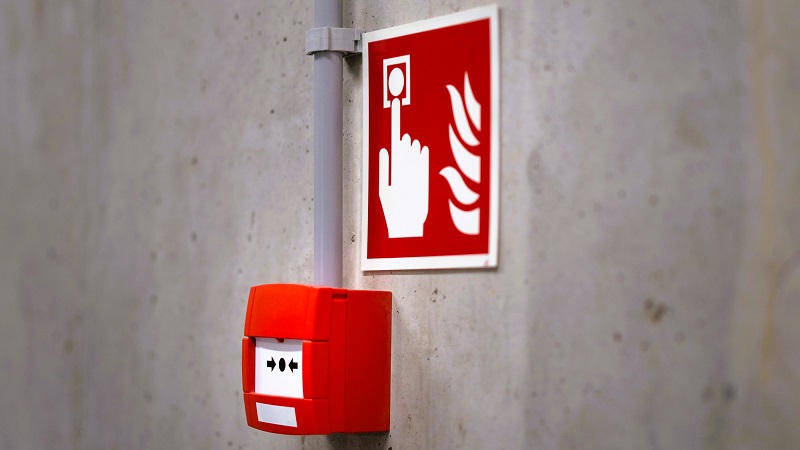
Using smart energy monitoring to improve home electrical awareness
While visual inspections identify physical issues, smart energy monitoring provides valuable insight into how electricity is used throughout the home. Together, these approaches help homeowners improve safety, understand energy consumption, and make more informed decisions about household power management.
Role of real-time energy monitoring
Real-time energy monitoring complements routine inspections by providing continuous visibility into household electricity usage. It allows homeowners to:
Monitor live electricity consumption throughout the home.
Detect unexpected increases in power usage that may indicate appliance issues.
Review historical energy trends to better understand daily and seasonal consumption patterns.
Distinguish between physical electrical inspections and digital monitoring of ongoing energy performance.
Enhancing home energy resilience with EcoFlow Ocean Pro
The EcoFlow Ocean Pro is an advanced grid-tied home battery backup system designed to strengthen household energy resilience. It helps provide backup electricity during grid outages while supporting stable power delivery to connected household loads.
By storing excess solar energy for later use, the system also helps maximize self-consumption and improves overall home energy management.
Get Your Free Home Energy Consultation!
Which energy solution are you interested in?

Tracking household energy usage with EcoFlow PowerInsight 2
EcoFlow PowerInsight 2 features an 11-inch smart touchscreen that serves as a centralized home energy management display. Key monitoring capabilities include:
Real-time monitoring: View live household electricity consumption and connected system performance.
Historical energy insights: Analyze long-term usage trends to identify energy-intensive appliances and improve efficiency.
Unified dashboard: Monitor battery storage, solar generation, grid usage, and household energy flow from a single interface when integrated with compatible EcoFlow systems.

Warning signs that require immediate professional electrician intervention
While many electrical checks can be performed through visual inspection, certain warning signs should never be ignored. If you notice any of the following, stop using the affected circuit where possible and contact a licensed electrician promptly.
Burning smells near panels or outlets: A persistent burning or melting odor may indicate overheating wires, damaged insulation, or loose electrical connections. Turn off power to the affected circuit if it is safe to do so and seek professional inspection immediately.
Frequently tripping circuit breakers or flickering lights: Occasional breaker trips can occur, but repeated tripping or persistent flickering lights may signal overloaded circuits, faulty wiring, or failing electrical components that require professional diagnosis and repair.
Warm or discolored wall switches and outlets: Switches or outlets that feel warm, show scorch marks, or appear discolored can indicate overheating or poor electrical connections. These symptoms should be inspected by a qualified electrician before continued use.
Presence of outdated aluminum or knob-and-tube wiring in older homes: Older electrical systems containing aluminum wiring or knob-and-tube wiring may not meet modern electrical demands or safety standards. A licensed electrician can evaluate the system and recommend appropriate upgrades where necessary.
Wrapping up
Regular home electrical safety inspections help identify visible hazards before they develop into more serious problems.
Checking electrical panels, outlets, wiring, safety devices, appliances, and smoke alarms on a routine basis contributes to a safer living environment and supports reliable system performance. While visual inspections reveal the physical condition of electrical components, smart monitoring solutions provide additional insight into household energy usage.
Combining a practical inspection checklist with modern tools such as the EcoFlow Ocean Pro and EcoFlow PowerInsight 2 enables homeowners to improve electrical awareness, strengthen home energy resilience, and make better-informed decisions about everyday electricity consumption. So, without further ado, schedule a consultation with an energy expert today to find the ideal solar battery setup for your home.
Frequently Asked Questions (FAQs)
What is the checklist for an electrical inspection?
A typical electrical inspection checklist includes the main electrical panel, circuit breakers, outlets, switches, GFCI and AFCI protection, wiring, extension cords, lighting fixtures, large appliances, outdoor electrical components, smoke alarms, and other visible signs of electrical damage or wear.
How often should I perform a home electrical safety inspection?
A basic visual home electrical safety inspection should be performed at least once each year. Additional inspections are recommended after severe storms, major renovations, purchasing an older home, or whenever electrical issues become noticeable.
How does a smart energy monitor help homeowners understand electricity usage?
A smart energy monitor provides real-time and historical electricity consumption data, allowing homeowners to identify energy-intensive appliances, recognize unusual power usage patterns, monitor household energy flow, and make more informed decisions to improve overall energy management.

