
The Complete Guide to Choosing Your Electric Vehicle Outlet
Transitioning to an electric car means bringing the "Gas station" to your home. This is a massive change in how you think about fueling your life. No more detours to the pump in the cold rain. No more watching gas prices climb every week. But before you can simply plug in, understanding the right electric vehicle outlet is essential for safe and efficient charging.
The electrical system in a standard home was built for lights and kitchen appliances. It was not originally designed to pump massive amounts of power into a car battery for eight hours straight. Relying on the wrong setup can lead to painstakingly slow charge times or, worse, electrical hazards. In this guide, we will explore the differences between Level 1 and Level 2 setups. We will look at what you must find when upgrading your electric vehicle EV outlet garage. Finally, we will see how advanced energy solutions can optimize your charging costs and keep you powered up even when the neighborhood goes dark.
Understanding Electric Vehicle Charging Levels
When you first get an EV, the charging options can seem confusing. Most people start with what they already have. However, you will soon see that speed matters. Your choice of electric vehicle charging outlet changes everything.
Level 1 Charging (Standard 120V)
This method uses a standard household outlet. This is known as a NEMA 5-15. It is the same plug you use for a lamp or a toaster.
Charging speed: Adds roughly 3 to 5 miles (4.8 to 8.0 km) of range per hour.
Best for: Hybrid vehicles or drivers with very short daily commutes.
If you drive 40 miles (64.3 km) a day, it could take 10 hours to get that power back. For many, this is just too slow.
Level 2 Charging (240V)
This level requires a dedicated high-voltage electric vehicle charging outlet. It is the same kind of power used by a large clothes dryer.
Charging speed: Adds roughly 20 to 30 miles (32.1 to 48.2 km) of range per hour.
Best for: Fully electric vehicles and reliable overnight charging.
With Level 2, you can wake up with a full battery every single morning. To learn more about setting up your home for this, check out our home battery backup for beginners guide.
Popular Types of 240V Electric Vehicle Outlets
Not all 240V outlets are the same. You need to know which one fits your specific charger. Choosing the wrong electric vehicle charger outlet can result in a plug that simply does not fit.
NEMA 14-50 Outlets
This is the most common standard for a modern electric vehicle charger outlet. It is often called the "RV plug."
It features a four-wire setup. This includes two hots, a neutral, and a ground.
It is highly versatile. It works with almost every EV brand.
It can also power larger appliances if needed.
NEMA 6-50 Outlets
This is a three-wire setup. It is commonly used for heavy welding equipment.
It is compatible with many EV chargers.
It is often cheaper to install because it uses one fewer wire.
It lacks a neutral wire. This makes it slightly less versatile than the 14-50 model.
Hardwired vs. Plug-in Chargers
Some homeowners prefer hardwiring their station directly into the panel. This means there is no outlet at all. The wires go straight from the breaker to the charger.
Plug-in: Great for portability. You can take the charger with you if you move.
Hardwired: Often allows for higher speeds. It is also seen as a more "permanent" and tidy solution for an electric vehicle EV outlet garage.
Installation Safety: Why You Need a Professional
Setting up an electric vehicle outlet is a serious task that involves high-voltage electricity. Safety should always be your first priority.
Not a DIY Project: Installing an EV outlet is strictly not a DIY project. High-voltage work requires a certified professional electrician to prevent shocks or wiring errors.
Industrial-Grade Receptacles: EV charging draws continuous, heavy loads for hours. Standard builder-grade outlets can melt under this pressure. Always use heavy-duty, commercial-grade receptacles to ensure your house remains safe.
Permitting and Code Compliance: A professional ensures your installation meets local National Electrical Code (NEC) standards. This is vital for insurance purposes and passing municipal inspections. Following these strict guidelines protects your property and ensures that the system can handle daily stress without failure.
Don't just charge your car. Power your life. If you are ready to future-proof your home, request a consultation today and let's get your energy independence started.
Get Your Free Home Energy Consultation!
Which energy solution are you interested in?

Future-Proofing Your Garage for Electric Vehicles
The world is changing fast. You do not just want a plug for today; you want a charging setup that works for the next ten years. While a standard high-voltage receptacle gets the job done, integrating a smart home energy system ensures your vehicle stays charged even when the grid goes dark, while simultaneously lowering your daily utility bills.
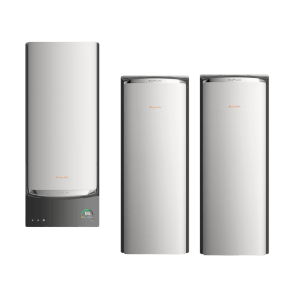
To achieve true energy independence, you can upgrade your home with a solution like the EcoFlow OCEAN Pro, a powerful hybrid inverter and scalable battery system (up to 80kWh) designed to provide infinite backup supply. When paired seamlessly with a smart accessory like the 11.5kW EcoFlow Ocean EV Charger, you transform your garage into an intelligent, high-speed fueling station.
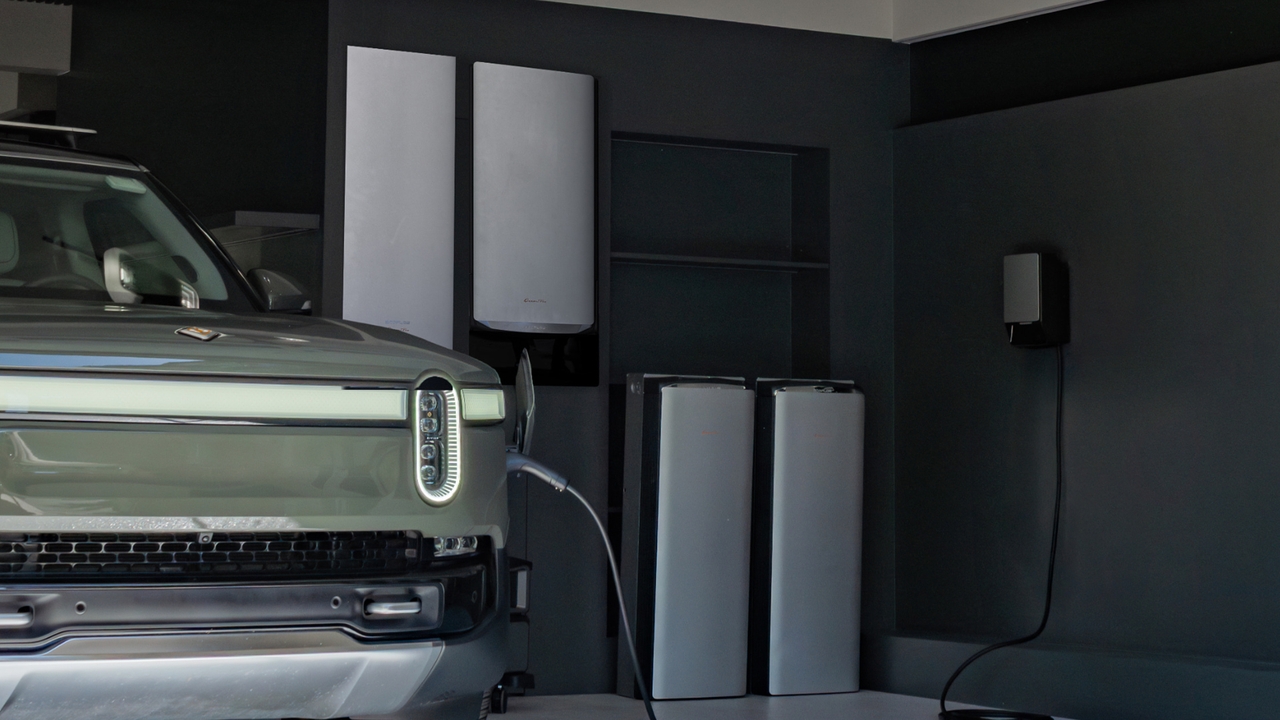
Here is how integrating a smart energy ecosystem elevates your EV charging experience:
Continuous Backup Power: With a 24kW continuous output, your home and garage remain fully operational during severe blackouts.
Heavy Load Capacity: An impressive 205A LRA allows the system to easily handle massive electrical spikes, meaning you can start your central AC and charge your car simultaneously without tripping a breaker.
Automated Cost Savings: Using Intelligent Mode enables Time-of-Use (TOU) optimization, automatically shifting your EV charging to cheaper, off-peak hours without any manual effort.
Extreme Durability: The hardware safely operates in harsh weather conditions ranging from -4°F to 140°F (-20.0°C to 60.0°C).
Maximizing Local Rebates and Utility Incentives
The cost of a new electric vehicle charging outlet can be high. However, you rarely have to pay the full price alone.
Exploring Utility Incentives
Many local utility companies want you to drive an EV. They offer significant cash rebates. These can cover the cost of the charger or the electrician's bill. For example, some programs give back $500 or more just for installing a Level 2 station.
Leveraging Special EV Rate Plans
Ask your power company about EV rate plans. These plans give you much cheaper electricity late at night. By charging your car between 11 PM and 6 AM, you can cut your "fuel" costs by half.
Checking Eligibility
Before you buy anything, check the rules. Some rebates require you to buy a specific brand. Others require an inspection before they send the check. Take these steps early to make sure you get your money back.
Conclusion
Upgrading your home with a dedicated electric vehicle outlet is one of the best home improvements you can make. It turns your garage into a high-tech fueling station that provides reliable power day and night. For real daily use, a 240V Level 2 setup is the only way to go to ensure your car is always ready for the road. Remember that safety must come first; always hire a professional and never use cheap, residential-grade outlets for these continuous loads. In the long run, investing in smart infrastructure saves you money and keeps the lights on during outages. Make the transition to electric driving seamless by choosing high-quality infrastructure today, guaranteeing long-term savings and total peace of mind for your family.
FAQs
1. Can I plug my EV car into my dryer outlet?
You can, but it is not a great idea. Most dryer outlets are not made to be plugged and unplugged every day. This can cause the outlet to wear out or melt. It is much safer to install a dedicated electric vehicle charger outlet.
2. What is the best outlet for EV charging?
The NEMA 14-50 is widely considered the best choice. It provides a fast Level 2 charge. It is also the most common plug type for high-end home chargers. This makes it a safe bet for the future.
3. What type of home EV outlet do you need for EV car?
You need a 240V outlet for Level 2 charging. The NEMA 14-50 and NEMA 6-50 are the two most popular options. These allow you to charge your car about 6 times faster than a standard wall plug.
4. How much does a 240 volt outlet cost for an electric car?
The outlet part is cheap, usually around $50 to $100. However, the full installation usually costs between $300 and $1,200. This depends on how much wiring your house needs and the cost of local permits.
5. Is it safe to have an EV charger in your garage?
Yes, it is very safe if a professional installs it. You should use a heavy-duty industrial-grade outlet and a smart system like the EcoFlow Ocean EV Charger. These handle high heat and heavy loads without fire risks, ensuring total home safety.

