
Earthship Homes Explained: Definition, Benefits, Cost & Design Ideas
With rising utility costs, growing climate concerns, and less reliable power grids, many homeowners are looking for more sustainable living solutions, like earthship homes. Unlike traditional homes that depend on public utilities, Earthship homes are built to generate their own energy, gather water, and keep comfortable temperatures inside with a low impact on the environment. These homes can be paired with modern technologies like a smart home battery backup system to improve energy independence and reliability. Let's learn about these homes, their benefits, cost, and design ideas.
What is an Earthship home: Definition & history
The Earthship is a sustainable, self-sufficient home designed to be as independent of conventional utilities as possible. Earthships use a blend of passive solar architecture, renewable energy production, rainwater harvesting and recycled building materials to construct homes that can run mostly off the grid instead of using conventional construction. They are designed for year-round comfort and to be resource-efficient, environmentally responsible and resilient in the long term.
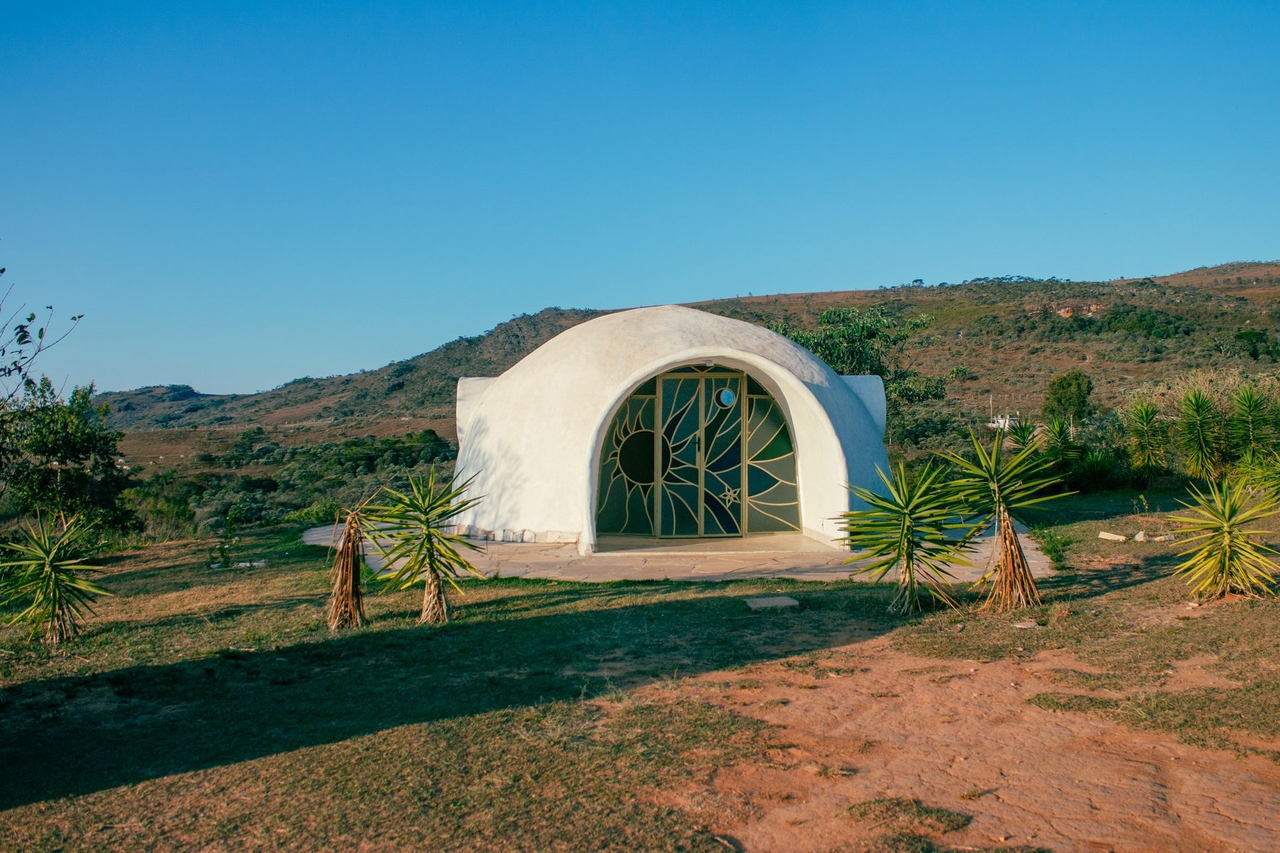
The Earthship concept originated in the 1970s with American architect Michael Reynolds, who aimed to create a response to growing environmental concerns and housing sustainability. Reynolds experimented with unconventional building materials such as discarded automobile tires, aluminium cans and glass bottles, transforming trash into durable building components. He constructed his first Earthships in Taos, New Mexico, where the sunny climate and abundant natural resources made it ideal to test the principles of passive solar.
How do Earthship homes work
Passive solar heating and cooling
One of the major principles of the Earthship home is passive solar design, which helps keep the home comfortable indoors with minimal or no mechanical heating and cooling. Large south-facing windows collect sunlight in the winter to help naturally warm the interior and roof overhangs reduce excess heat in the summer.
Thick walls of thermal mass, often made of earth-filled tires, soak up heat during the day and release it slowly as the temperature drops, keeping the indoor climate stable.
Renewable energy systems
Earthship homes are usually self-sustainable, generating their own electricity from renewable energy sources, thus reducing dependence on the utility grid. Solar panels produce electricity from the sun to power appliances, lighting and other electrical systems in the home. Since solar production varies during the day, excess electricity is stored in battery storage systems for use at night or on cloudy days.
With reliable energy storage, backup for outages, and smart energy management, modern battery solutions like the EcoFlow Ocean Pro allow homeowners to gain more energy independence and effectively manage their renewable power supply.
Water collection & recycling systems
Earthship water management is designed to utilize every resource available through collection, filtration, reuse and recycling. Rainwater from the roof is collected and stored in large cisterns and then passed through filtration systems to produce safe drinking water for household storage.
Greywater from sinks and showers is treated in indoor botanical cells. Plants and natural filtration processes help to clean the water. The treated water is then reused for irrigating indoor greenhouse systems so that homeowners can grow vegetables and ornamental plant.
Waste management & sustainable materials
Earthship construction is about sustainability and using recycled and local materials to reduce waste and environmental impact. Used tires filled with compacted dirt make durable walls with high thermal mass, and aluminium cans are sometimes used in non-load-bearing walls to reduce the need for new building materials.
Glass bottles are often embedded in walls as a decorative element to allow natural light to enter, for both beauty and function. Earthship homes use these materials in their construction, making trash into permanent building components and promoting environmentally sustainable building practices.
Key benefits of Earthship homes
Energy independence and lower utility costs
Earthship homes produce their own electricity, harvest their own water, and naturally control indoor temperatures. This allows homeowners to greatly reduce their monthly utility bills and to be better prepared for electricity rate hikes or power outages. These savings over time offset some of the higher initial construction costs.
Sustainable and eco-friendly
Earthships reduce environmental impact by using renewable energy, re-used building materials, rainwater collection, greywater recycling and passive climate control. They reduce greenhouse gas emissions and waste diversion from landfills by reducing their reliance on fossil fuels.
Comfortable indoor living environment
Earthship homes, with passive solar design and thermal mass construction, can maintain relatively stable indoor temperatures over the course of the year. Natural light, indoor gardens and better ventilation all contribute to healthier, more comfortable living spaces that are less reliant on artificial climate control.
Resilience & self-sufficiency
Earthships generate electricity, treat water, and often have food growing areas or gardens. This means that even in the event of a utility outage, natural disasters or infrastructure failures, earthships can remain functional. This resilience makes them especially appealing for remote locations or for homeowners focused on long-term self-sufficiency.
Cost of an Earthship home: Is it worth the investment
While an Earthship may require a larger initial investment than buying a traditional home, many owners say the long-term savings on utilities and environmental benefits make it worth the effort. Costs can vary greatly depending on where you live and what labour rates are, what materials are available, what permits are required, and how complex the design is.
Average Cost of an Earthship Home
Most Earthship homes range from $300 to $400 per square foot for a professionally built, turnkey finish, totaling about $450,000 to $1,000,000. However, owner-built projects with recycled materials can be significantly less expensive and can lower costs to around $150 per square foot. Luxury custom Earthships with premium finishes, advanced renewable energy systems and large floor plans can go above these estimates.
Factors affecting the cost:
Size: Size is the major contributing factor. Larger homes mean more structural materials, solar capacity, water storage, and interior finishing, thus higher total costs.
Location: Land prices, local labour costs, building codes, transportation costs and climate conditions are factors that impact project budgets. The cost of materials and construction can be higher in remote locations.
Material: Using recycled tires, bottles and cans does cut some of the cost, but glazing, insulation, plumbing systems, solar equipment, batteries and water filtration systems make up a good part of the investment.
Customization: Custom architectural designs, premium interior finishes, integrated smart home technology and advanced renewable energy systems increase the cost of construction, but can improve comfort, performance and long-term value.
Earthship homes design ideas
Open-concept interiors with nature-inspired design
Earthship homes often have open-concept floor plans that maximize natural light, improve airflow, and create a stronger connection between indoor and outdoor spaces. Big south-facing windows, high ceilings and versatile living spaces aid passive solar heating, making the home feel larger.
Inside, finishes are often natural and reclaimed materials such as exposed timber beams, earthen plaster walls, polished concrete floors and locally sourced stone.
Exterior design concepts
On the outside, an Earthship is designed to be in harmony with the surrounding landscape and maximise energy efficiency. Many homes have walls bermed with earth for natural insulation and curved or organic architectural shapes that blend with the land.
Green roofs, native drought-tolerant landscaping and permeable outdoor surfaces further reduce environmental impact, improving stormwater management and minimising water use. Big glass façades facing the sun to get as much natural daylight and passive heating as possible.
Small Earthship homes and alternative designs
The popularity of small Earthship homes is rising among homeowners who are seeking affordable, low-maintenance and sustainable living spaces. Smaller Earthships have a lot of the same fundamental values as larger Earthships, such as passive solar design, renewable energy generation, rainwater harvesting and efficient water recycling, but need fewer materials and have lower construction costs.
In addition, hybrid Earthship-inspired designs are emerging that blend sustainable building techniques with conventional construction methods, making them easier to adapt to urban environments and local building regulations
Integrated solar energy and smart battery storage system
A well-designed Earthship combines passive design with an efficient renewable energy system to increase self-sufficiency. Rooftop solar panels generate clean electricity during the day, and a smart battery storage system ensures excess energy is stored for night-time and cloudy weather.
EcoFlow Ocean Pro is the perfect advanced energy storage solution for homeowners looking to modernize their sustainable home. With 10–80 kWh scalable storage capacity, 40kW solar input, and 24kW continuous output, it can support everything from essential appliances to whole-home backup.
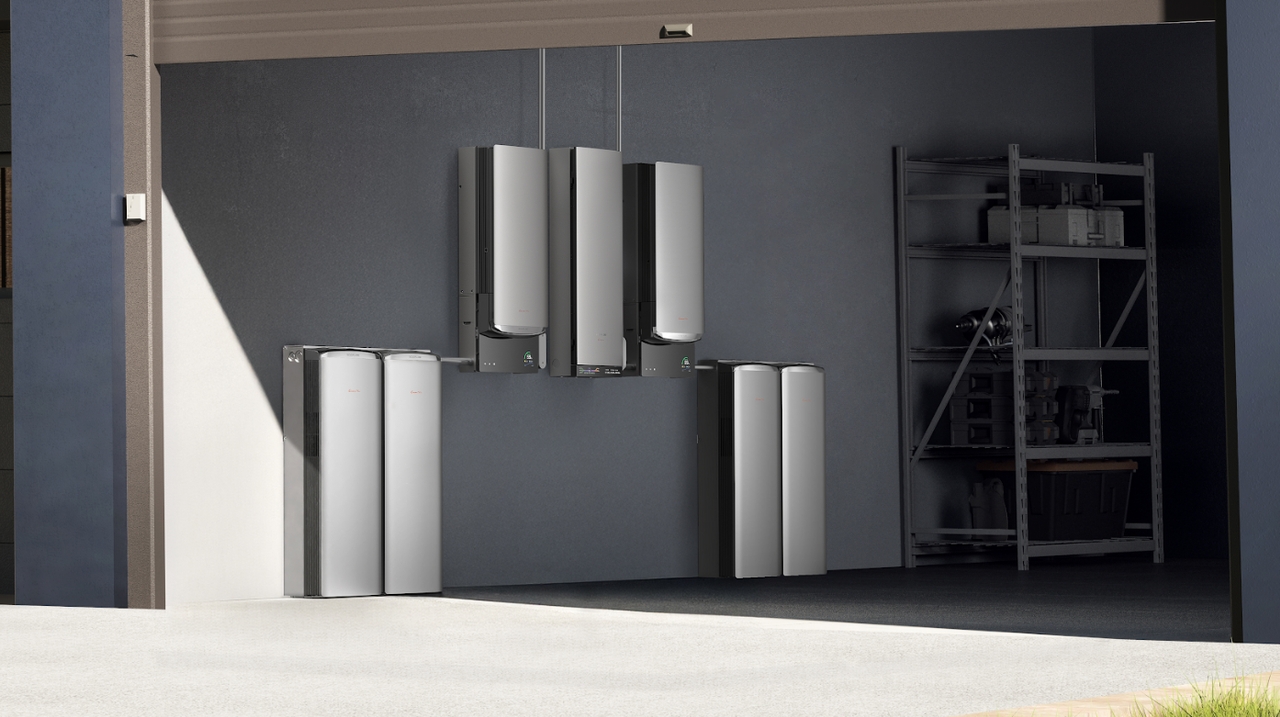
OCEAN Pro is designed with a multi-layered safety system that sets a new standard in home energy storage. Backed by a 15-year warranty, EcoFlow Ocean Pro provides a reliable and intelligent energy storage solution that aligns well with the long-term resilience and energy independence goals of Earthship living.
Conclusion
Earthship homes are one of the most holistic approaches to sustainable residential design, incorporating passive solar architecture, renewable energy generation, rainwater harvesting, recycled building materials, and efficient resource management into one integrated system. But Earthships aren't the right solution for every homeowner.
To determine if an Earthship home is a worthwhile investment for your lifestyle, consider your long-term sustainability goals, budget, location and the level of energy independence you are seeking. Integrate them with a smart battery backup solution and increase resilience to power outages, all while providing a comfortable home year-round. So, what are you waiting for? Request a consultation today and start enjoying sustainable living.
Get Your Free Home Energy Consultation!
Which energy solution are you interested in?

FAQs
How long do Earthship homes last?
If constructed properly, Earthship homes can last for years, depending on the materials used and proper maintenance. The thick earth-filled tyre walls are very durable and resistant to weathering, and routine maintenance of the roofing, waterproofing, plumbing, solar equipment and water systems helps to extend the life of the home.
What are the disadvantages of living in an Earthship?
The disadvantages of earthship homes are the higher initial construction cost, the need for specialised design expertise, and the need to carefully follow local building codes. Performance may also be affected by climate, requiring certain design adaptations in humid, cold or densely populated areas. Another ongoing responsibility is the maintenance of water treatment and renewable energy systems.
Are Earthship homes completely off-grid?
A lot of Earthships are built to be entirely off the grid, generating their own electricity, harvesting rainwater and treating wastewater. Some homeowners use hybrid systems that remain connected to municipal utilities for additional reliability or to satisfy regulatory requirements.
What materials are used to build Earthship homes?
Earthships often have walls made from earth-filled auto tires and use aluminium cans, glass bottles, reclaimed wood, concrete, adobe, steel, insulation, solar panels, battery storage systems, rainwater cisterns and state-of-the-art water filtration equipment.
Can you build an Earthship home anywhere?
You can build an Earthship in many places, but each place has different zoning regulations, building codes, climate, water availability and permits required. You would want to check with local authorities and modify the Earthship design to the local environment and legal requirements before building.

