
What Is a Dry Thunderstorm? All You Need to Know
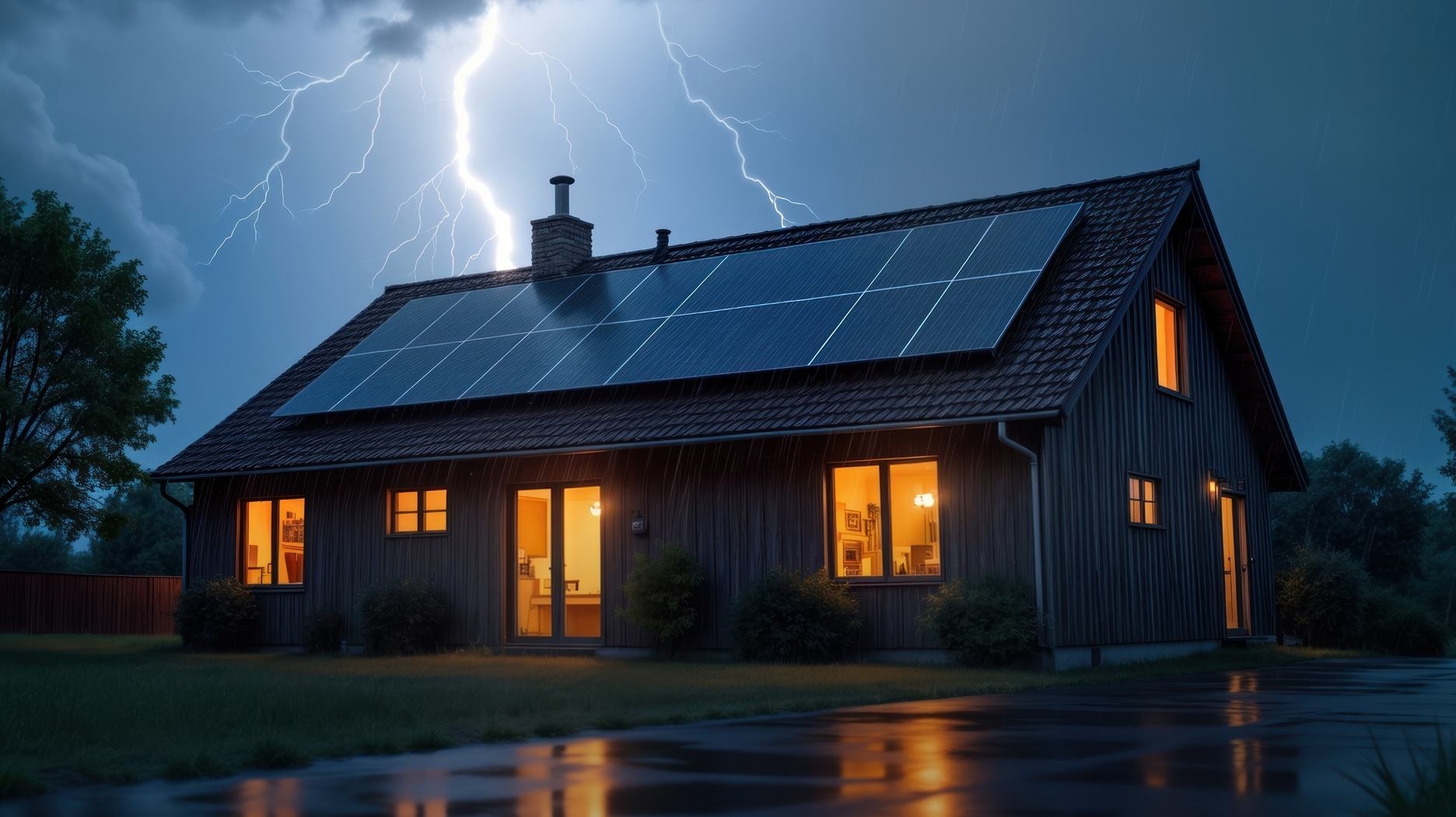
Even while a dry thunderstorm might not appear as powerful as a rainy storm, it can still be hazardous. While relatively little rain falls, there may be thunder, lightning, and strong winds. Because of this, it is simple to underestimate this weather trend. It can increase the risk of wildfires in arid regions, harm electricity lines, and cause residents to experience outages or other disruptions after the storm has passed.
What Is a Dry Thunderstorm?
The National Weather Service, or NWS, defines a dry thunderstorm as a high-based thunderstorm in which lightning is observed but little, if any, precipitation reaches the ground. In other words, rain may fall from the cloud, but most of it evaporates before it reaches the surface.
That is why the word “dry” can be misleading. A dry thunderstorm is still a real thunderstorm with real lightning. The ground just does not get much rainfall from it, which can make the storm look less serious than it actually is. Forecasters and fire-weather teams pay close attention to this pattern because it can create danger without much obvious rain at all.
How Does a Dry Thunderstorm Form?
Dry thunderstorms begin with the same basic ingredients as other thunderstorms, but the lower atmosphere changes the outcome. The storm forms normally, then the air below the cloud prevents much of the rain from reaching the ground.
The Role of Moisture, Heat, and Unstable Air
Thunderstorms need moisture, instability, and lift. Instability means warm air near the ground wants to rise because the air above it is cooler. Lift is the trigger that pushes that air upward, such as uneven heating or a passing weather boundary. These ingredients are the foundation of thunderstorm development.
Once rising air builds a storm cloud, thunder and lightning can develop inside it. That part does not depend on heavy rain reaching the surface. A storm can stay electrically active even when the ground below remains mostly dry.
Why Lightning Still Happens Without Much Rain
Lightning forms inside the storm cloud through charged particles, not because the ground gets wet. That is why a dry thunderstorm can still produce dangerous cloud-to-ground lightning even when surface rain is weak. The National Oceanic and Atmospheric Administration, or NOAA, notes that dry lightning is more likely to cause forest fires because it occurs without rain nearby.
That point is easy to miss. Many people use rain as their signal that a storm is serious, but a dry thunderstorm can stay dangerous without looking like a soaking storm.
Are Dry Thunderstorms Rare?
This is one of the most common search questions around the topic. The short answer is that dry thunderstorms are less common than ordinary rain-producing thunderstorms, but they are not unusual in the right environment.
They Are Uncommon, but Not Unheard Of
Dry thunderstorms are not the most common type of storm, but they are not unusual under the right conditions. They tend to form when the air near the ground is dry enough to cause falling rain to evaporate before it reaches the surface. That makes them more weather-dependent than a typical summer thunderstorm.
So, are dry thunderstorms rare? Not in the strict sense. They are simply more tied to specific weather setups than a typical summer thunderstorm with obvious rainfall.
Where Dry Thunderstorms Are More Likely to Happen
Dry thunderstorms are more likely in places where the lower atmosphere is hot and dry enough to evaporate falling rain. Thunderstorms with little or no rain reaching the ground are most prevalent in the western United States.
That does not mean they only happen in the West. It means the setup is more favorable there, so the term appears more often in forecasts, safety notices, and fire-related weather briefings.
Why Are Dry Thunderstorms Dangerous?
A dry thunderstorm often looks less dramatic than a heavy rainstorm, but the danger is still real. The biggest risks usually come from lightning, wind, and the problems that follow after the storm passes.
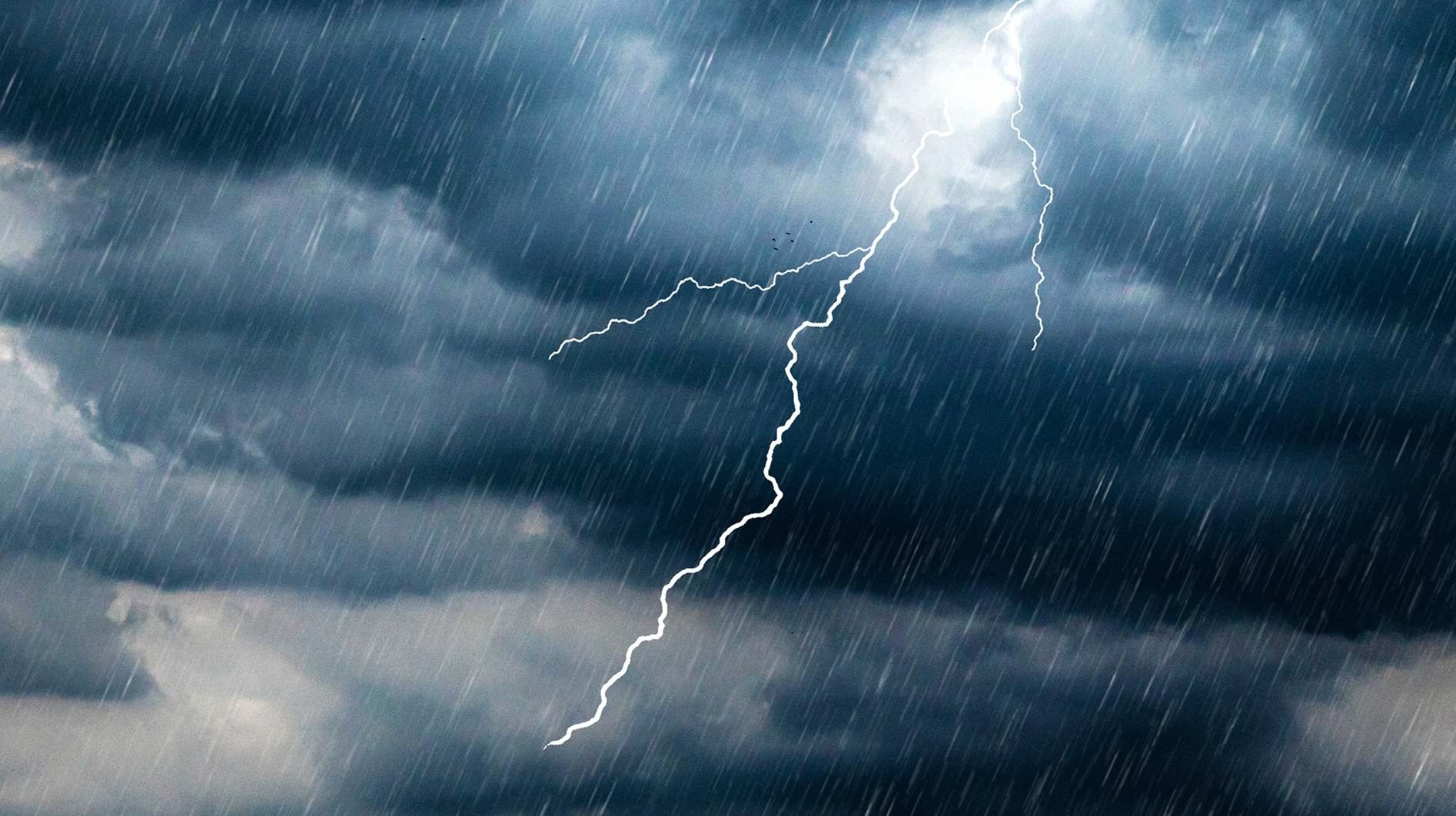
Dry Lightning and Wildfire Risk
This is the best-known threat. A lightning strike can hit dry vegetation while little rain reaches the ground to reduce ignition risk. That is exactly why dry lightning is more likely to cause forest fires.
In hot, dry conditions, that combination matters a lot. The storm brings the spark, but not the water that people normally expect from a thunderstorm.
Strong Winds, Dust, and Flying Debris
Dry does not mean calm. Thunderstorms can still produce strong straight-line winds, which are powerful winds that move outward in a mostly direct path rather than rotating like a tornado. Thunderstorms can knock down trees and power lines and create serious damage even without a tornado.
In drier areas, those winds can also lift dust and reduce visibility. For homeowners, that means a storm does not need heavy rain to become disruptive.
Power Outages and Home Disruption
For many families, the most immediate problem is not the flash of lightning itself. It is the outage or disruption that follows.
A dry thunderstorm can lead to:
Power loss
Spoiled food
Limited phone charging options
Reduced indoor comfort during hot weather
Internet and communication problems
These effects are less dramatic than wildfire headlines, but they shape daily life fast. A short storm can create a long stretch of inconvenience if the home is not prepared.
What Should Homeowners Do During a Dry Thunderstorm?
A dry thunderstorm should be treated as a real safety event, even when the ground stays mostly dry. The biggest mistake people make is assuming light rain means low danger. In reality, lightning, strong wind, and possible outages can still create serious problems for a home.
Take Lightning Seriously, Even if Rain Is Light
The safest rule is simple: if you hear thunder, go indoors. Weather safety experts warn that no place outside is safe when thunderstorms are nearby.
This matters because a dry thunderstorm often looks less intense than a typical storm. There may be little surface rain, but the lightning risk is still real. Waiting for heavier rain before taking action can put people in danger.
Move Indoors and Avoid Conductive Risks
A substantial building is usually the best place to shelter during a thunderstorm. Once inside, stay away from windows, plumbing, and corded electronics until the storm has clearly passed.
A few simple steps can make a big difference:
Go indoors as soon as thunder is heard
Stay away from windows and exterior doors
Avoid sinks, showers, and corded devices
Wait until conditions are clearly calm before going back outside
These steps are basic, but they are effective. In fast-changing weather, simple habits are often the most useful ones.
Watch for Fire Conditions and Outage Risk
A dry thunderstorm can remain a problem even after the thunder fades. Homes may be without electricity for hours due to storm-related damage, and lightning may ignite dry vegetation.
Homeowners should therefore consider options outside temporary housing. In the event that an outage lasts longer than anticipated, it helps to keep phones charged, store emergency lighting, and have a plan for refrigeration, cooling, and communication.
How Home Energy Resilience Can Reduce Storm Disruption
Dry thunderstorms are a weather problem first, but they often become a home-power problem soon after. That is where resilience becomes practical instead of abstract.

Why Backup Power Matters in Severe Weather
Outages do more than switch off the lights. They affect refrigeration, cooling, internet access, and the ability to keep phones charged for alerts and updates.
That is especially important in hot, dry weather. Even a short outage can feel much longer when the home loses basic comfort and communication.
What to Look for in a Whole-Home Energy Solution
The most useful backup setup is one that supports daily life instead of covering only a small corner of it. For storm-related outages, homeowners usually benefit most from features such as:
scalable battery storage
smart energy management
outage-prep tools that help before severe weather arrives
Those features matter because weather disruptions are not only about the storm itself. They are also about how long the home stays functional after the storm has moved on.
A Smarter Way to Stay Prepared During Outages
When outages are part of the risk, a whole-home battery system becomes a natural part of the conversation. EcoFlow OCEAN Pro makes sense here because its 24 kW continuous output is designed for major household loads, while its battery storage can scale from 10 kWh to 80 kWh depending on the home’s backup needs. It pairs with the EcoFlow OCEAN Smart Electrical Panel 40 to give homeowners real control over what happens before, during, and after a storm. The panel's Storm Guard feature monitors weather forecasts and automatically charges the battery when severe conditions are expected within 12 hours, so the system is already prepared when a dry thunderstorm rolls in. From there, the EcoFlow App provides a single place to manage solar input, monitor circuit-level energy use, and prioritize essential loads if an outage extends longer than expected.
The point is not that a battery changes the weather. It is a better backup that can reduce the disruption a dry thunderstorm leaves behind.
Get Your Free Home Energy Consultation!
Which energy solution are you interested in?


Get Ahead of the Next Outage
A dry thunderstorm may bring little rain, but it can still bring lightning, wildfire risk, and power loss. Good preparation protects safety first and comfort second. If your household needs a stronger backup plan for storm-related outages, get a quote and explore the next step toward better home resilience.
FAQs
Q1. What Is a Dry Thunderstorm in Simple Terms?
A dry thunderstorm is one in which there is a lot of lightning and thunder, but not much rain falls. A large portion of the rain that falls from the cloud evaporates in the dry air below. Because of this, a dry thunderstorm can appear less dangerous than a rainy storm, yet it still poses a major risk to power systems, houses, and property.
Q2. Are Dry Thunderstorms Rare in the United States?
Dry thunderstorms are not rare in every part of the United States, but they are more common in hot, dry, and semi-arid areas. They happen more often in places where the air is dry enough that rain evaporates before it hits the ground. They don't happen as often in places with a lot of rain, but they can still happen if the circumstances are right.
Q3. What Is the Rarest Type of Thunderstorm?
Thundersnow is often seen as one of the rarest types of thunderstorms. It takes a very specific mix of cold air, wetness, and storm energy for thunder and lightning to happen during a snowstorm. Thundersnow is much less common than regular thunderstorms or even dry thunderstorms because those two things don't happen together very often.
Q4. Why Is Dry Lightning More Likely to Start Wildfires?
Unlike regular lightning, which is accompanied by heavy rain that helps dampen vegetation, dry lightning occurs with little to no surface moisture. When lightning strikes dry grass, brush, or timber, there is no rainfall to extinguish the spark, allowing fires to ignite and spread rapidly in arid conditions.
Q5. How Can I Protect My Home Power During a Dry Thunderstorm?
Preparation is key to handling storm-related outages. Using a smart backup system like the EcoFlow OCEAN Pro can keep your essentials running. By pairing the EcoFlow OCEAN Pro with the EcoFlow OCEAN Smart Electrical Panel 40, you can keep your essentials running when the grid goes down. The panel's Storm Guard feature monitors local weather forecasts through the EcoFlow App and automatically charges your batteries when severe conditions are expected within 12 hours, so your system is fully ready before the storm arrives.

