
The Truth: Does Turning the AC On and Off Cost More?
Summer weather brings the heat, and with it comes a classic household debate. You are getting ready to leave for work in the morning. Your hand hovers over the thermostat. Should you leave your air conditioner running constantly all day? Or should you power it down completely when you leave the house? Homeowners who are dedicated to a frugal lifestyle and energy saving often struggle to find the right balance. You want to manage those high summer utility spikes, but you also do not want to come home to a house that feels like an oven.
Many assume turning a machine off instantly saves cash. However, central cooling systems are not like light bulbs; they are complex machines managing heat, humidity, and airflow. In this guide, we will explore exactly how cooling systems use power and the hidden costs of turning them on and off. We will also share authentic ways to lower your bills—like integrating a home battery—without sacrificing family comfort.
How Your Air Conditioner Actually Uses Power
To understand your electricity bill, you have to understand how your air conditioner works. Central cooling systems do not just blow cold air into a room. Instead, they actively remove hot air and moisture from the inside of your house and push it outside. This process requires several large moving parts, and those parts draw electricity in different ways depending on what they are doing.
Why Compressor Start-Up Surges Drain Electricity
The heart of your air conditioning system is the compressor. The compressor sits in the big metal box outside your house. Its job is to pump chemical refrigerant through the system to absorb heat. However, the compressor is a very heavy, powerful motor.
When your air conditioner first kicks on, the compressor needs a massive electrical surge just to kickstart the motor from a dead stop. Think of it like pushing a heavy car. It takes a huge amount of effort to get the car rolling, but once it is moving, it is much easier to keep it going. Your air conditioner works the same way. That heavy initial power draw uses a lot of watts. Contrast this with the much lower, steady wattage required to keep the fan and compressor running smoothly during maintenance. Every time you turn the system off and back on, you force the unit to draw that massive start-up surge of electricity. Understanding these sudden power spikes is an essential step when figuring out exactly what consumes the most electricity in a house.
The Problem with "Thermal Mass" and Trapped Heat
There is another major reason why turning your system off causes problems. It is a concept called "thermal mass." When you turn your cooling system off for the day, the temperature inside your house rises. But it is not just the empty air that gets hot. Heat and humidity soak deep into solid objects. Your walls, your furniture, your carpets, and your hardwood floors all absorb the summer heat.
If you leave the air conditioner off for eight hours, your home's structure becomes a giant sponge for heat. When you finally come home and turn the system back on, the air conditioner doesn't just cool the empty air. It has to work overtime to pull this deeply trapped heat out of your home's thermal mass. The cool air hits your hot drywall, and the drywall instantly warms the air right back up. Because of this, the unit must run continuously at maximum power for hours just to strip the heat out of your furniture and floors. This takes an incredible amount of continuous energy.
The Real Cost: Does Turning Off the AC Save Money?
So, with all of this mechanical science in mind, we have to look at the financial reality. The goal is to keep your wallet full while protecting your appliances. If you are asking yourself, "Does turning off the AC save money?", the answer depends entirely on how long you plan to be gone.

What to Do When You Leave the House
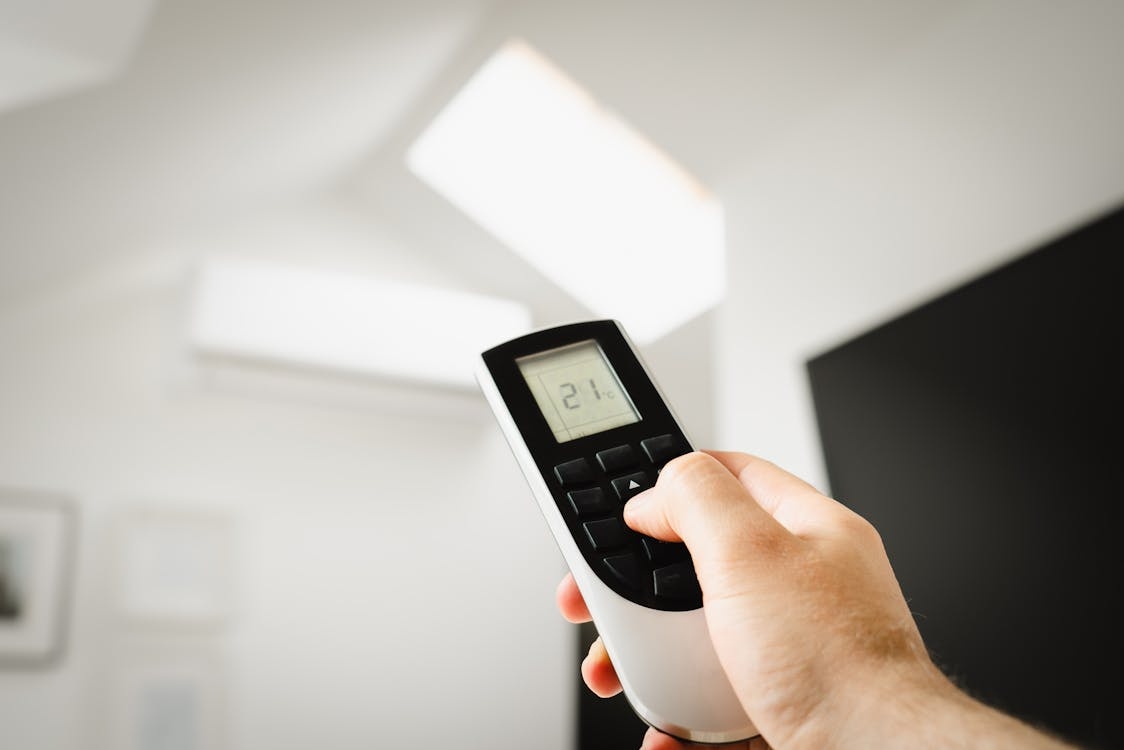
Let us break down what you should actually do when you leave the house. For a standard workday, turning the system off entirely is highly inefficient. As we learned, the heavy power surges required to restart the compressor, combined with the maximum-capacity cooling needed to remove heat from your home's thermal mass, forces your system to work incredibly hard during the hottest part of the afternoon. Instead of turning it off, the U.S. Department of Energy recommends using a simple strategy. Their official guidelines state that you can save as much as 10% a year on heating and cooling by simply turning your thermostat up 7° to 10°F from its normal setting for the 8 hours a day you are away at work.
In the summer, the smartest approach is to keep your house warmer than normal when you are away. When you are at home, set the thermostat as high as is comfortable for you. Keeping the system running at these slightly higher temperatures uses much less electricity, but it ensures your air conditioner can still provide necessary humidity control to keep your home comfortable and safe.
How Constant On/Off Cycling Causes HVAC Wear and Tear
Beyond your monthly utility bill, there is another hidden cost. Does turning on and off the AC cost more when it comes to repairs? Yes, it absolutely does.
Air conditioners have parts called capacitors. Capacitors act like little batteries, sending a jolt of electricity to the compressor to help it start. Constantly forcing the system to turn on and off manually puts heavy mechanical stress on both the compressor and the capacitors. Over time, this repeated stress causes these parts to wear out much faster than they should. Premature wear leads to sudden breakdowns, leaving you sweating in the middle of July while you wait for a repair technician. A blown compressor can cost thousands of dollars to replace. Building a smart home energy ecosystem means finding a balance between saving electricity and protecting your expensive appliances from damage.
5 Smart Ways to Lower Your Summer Cooling Bills
Now that we know turning the system completely off every morning is a bad idea, what should you do instead? Fortunately, there is a step-by-step approach to optimizing your cooling costs. By moving from simple daily habits to smart home upgrades, you can achieve true energy savings.
Using the "Thermostat Setback" Method for Easy Savings
The absolute best alternative to turning your unit off is using the setback method. Instead of powering the system down, advise setting your smart or programmable thermostat to automatically rise by 7 to 10 degrees Fahrenheit (3.9 to 5.6 degrees Celsius) while you are at work.
For example, if you like your house at 72 degrees Fahrenheit (22.2 degrees Celsius) when you are home, set it to 80 degrees Fahrenheit (26.6 degrees Celsius) while you are away. This is the sweet spot. It is warm enough that your air conditioner will barely run while you are gone, which saves you money. But it is cool enough that it stops heavy heat and humidity from soaking deep into your walls and furniture. When you get home, the system only has to cool the air down a few degrees, keeping compressor cycles low and efficient.
Keeping Airflow Strong with Simple HVAC Maintenance
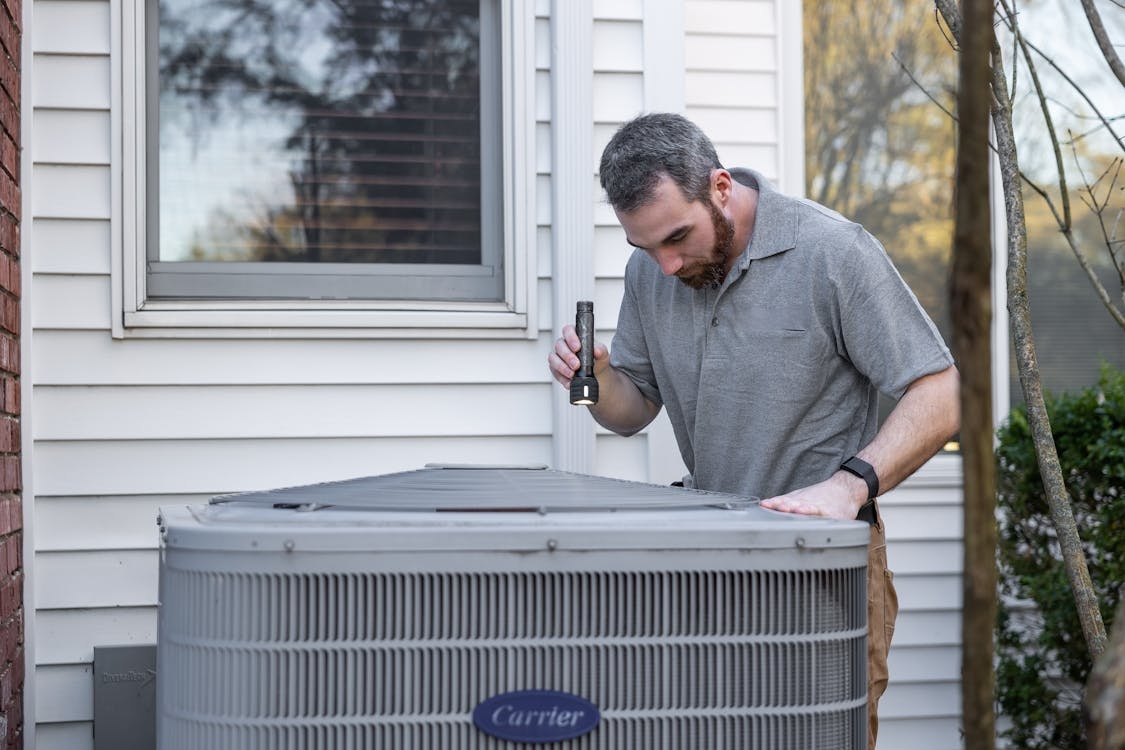
Neglecting basic maintenance forces your unit to use significantly more electricity. Your air conditioner needs to breathe. It pulls warm air from your house through a filter, cools it, and pushes it back out. If you have a dirty, clogged air filter, it chokes the system. The AC blower motor has to work much harder to pull air through the dirt, which draws more watts of electricity. Always remember to swap your indoor filters every 30 to 90 days. Additionally, keep the outdoor condenser clear of yard debris, tall grass, and leaves so it can release heat properly.
Stopping Air Leaks with Insulation and Weatherstripping
You pay good money to cool the air inside your house. If that expensive cooled air is escaping through drafty windows, gaps under your doors, or a poorly insulated attic, the AC will run constantly to replace it. Addressing structural heat gain is vital. Adding simple foam weatherstripping around your exterior doors and caulking your windows is a cheap, frugal fix with a very high return on investment.
Beating Peak Utility Rates with Home Battery Backup
Even if your house is perfectly sealed, running a large air conditioner during hot summer afternoons exposes you to a major financial threat: Time-of-Use (TOU) utility rates. Many power companies charge double or triple the normal rate for electricity used between 4 PM and 9 PM.
You can separate your cooling costs from expensive peak grid rates by using a home battery system. For example, the EcoFlow OCEAN Pro Solar Battery System allows you to store off-peak power and use it when grid rates spike. Starting at 10kWh and scaling up to 80kWh, it provides massive capacity for homes of any size. Its powerful 205A LRA easily handles the heavy electrical start-up surges of large appliances, capable of starting and running two 5-ton HVAC units at once.
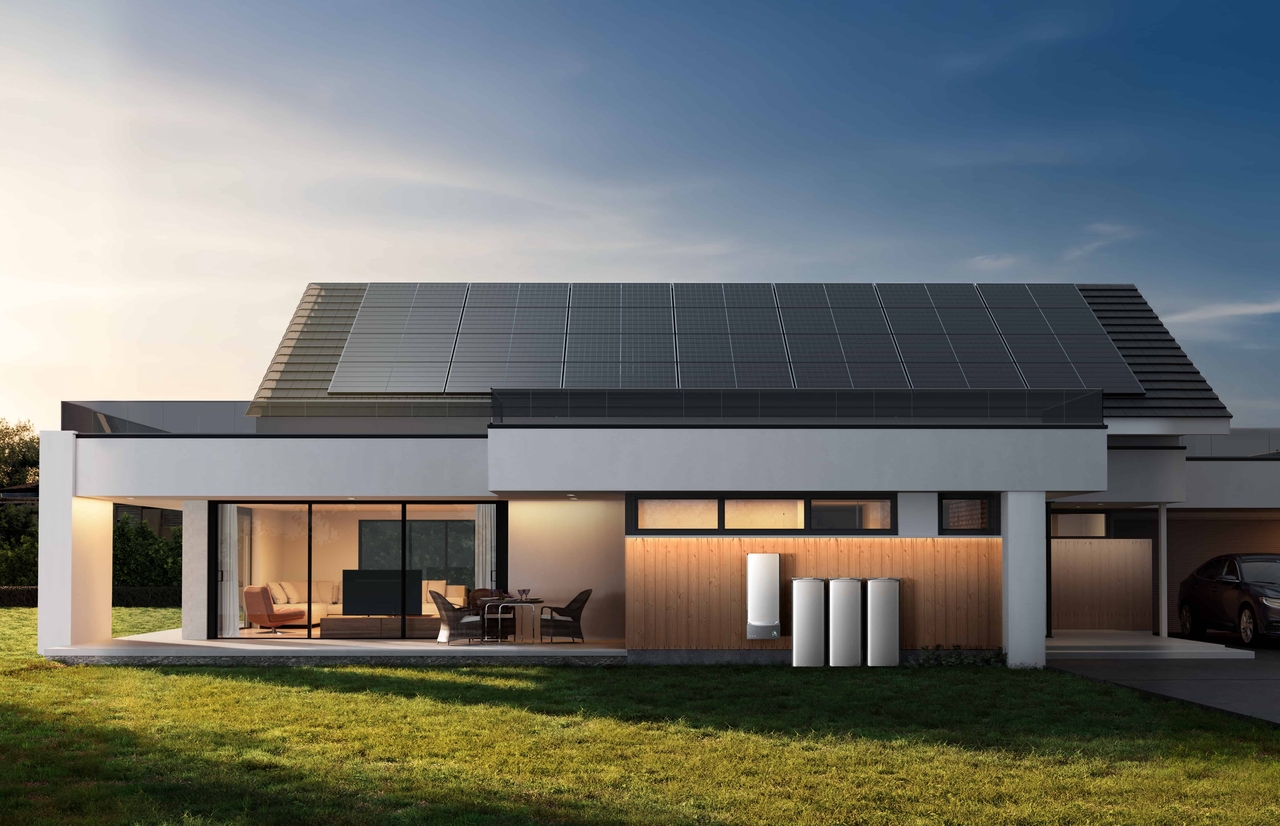
Built-in Intelligent Mode automatically shifts your home's power usage to the cheapest hours.
Delivers reliable backup cooling during extreme summer grid outages.
Keeps the house comfortable without the premium utility price tag.
Are you ready to resolve your uncertainty about home battery backups and high cooling bills? We can help you protect your home and lower your expenses. Request a consultation today to find the perfect energy solution for your family.
Get Your Free Home Energy Consultation!
Which energy solution are you interested in?

Cooling Only What You Need with HVAC Zoning
If you live in a larger or multi-story home, cooling the entire house evenly can waste a massive amount of electricity. Why pay to pump cold air into empty guest bedrooms? We suggest looking into HVAC zoning systems or ductless mini-splits. This allows you to push cold air strictly to the rooms you are actually using, like the living room or your home office. By cooling only specific zones, you give your main AC unit a much-needed break and significantly lower your daily power draw.
Everyday Frugal Habits to Help Your AC
Technology and hardware are great, but sometimes the best solutions are the simplest ones. Shifting back to easy, passive tips can keep your house cool naturally. When your house stays cooler on its own, your air conditioner operates less frequently.
Blocking Solar Heat Before It Warms Your House
Never underestimate the simple importance of managing sunlight. The sun emits radiant thermal energy. When sunshine blasts through your glass windows, it creates a "greenhouse effect" inside your living space, heating up your rooms very quickly. To prevent this, we recommend closing your blinds, shades, or thermal curtains on your south and west-facing windows during the hottest part of the afternoon. By blocking the solar heat before it enters the room, your air conditioner will not have to work as hard.
Using Ceiling Fans to Create a Wind-Chill Effect
Airflow is a powerful tool for a frugal lifestyle. Using targeted airflow helps your body feel cooler, even if the room temperature is higher. Running your ceiling fans counterclockwise pushes air straight down. This creates a downdraft that acts like a wind-chill effect on your skin, evaporating moisture and keeping you comfortable. Because the moving air feels so good, this trick lets you comfortably raise your thermostat by up to 4 degrees Fahrenheit (2.2 degrees Celsius) without feeling the difference in comfort. Just remember that fans cool people, not empty rooms. Always turn fans off when leaving an empty room to save electricity.
Final Thoughts
The debate over the thermostat is finally settled. Turning your air conditioner completely off before a normal workday does not save you money. In fact, because of the heavy compressor start-up surges and the intense energy needed to pull heat out of your home's thermal mass, constantly flipping the system on and off will likely cost you more in both electricity and mechanical repairs. Instead, adopting the thermostat setback method, keeping up with basic filter maintenance, and protecting your home from peak utility rates with smart battery backups will ensure your house stays cool and your bills stay low all summer long.
FAQs
What is the best temperature for AC on a low bill?
For the best balance of comfort and savings, set your thermostat to 78 degrees Fahrenheit (25.5 degrees Celsius) when you are home. When you leave the house for work, raise it to 85 degrees Fahrenheit (29.4 degrees Celsius) to reduce cooling cycles.
Does turning off the AC save money?
Turning off the AC is not always the most efficient option for short daily absences. According to Energy.gov guidance, raising the thermostat by 7°–10°F during periods when the home is unoccupied can help reduce cooling costs by up to 10% per year, depending on climate conditions and usage patterns.
What is the 3 minute rule for air conditioners?
The 3-minute rule is a safety feature built into modern thermostats. It forces the air conditioner compressor to wait at least three minutes before restarting after it is turned off. This prevents electrical damage and protects the heavy motor from power surges.
What is the 20 rule for air conditioning?
The 20 rule states that your air conditioner should not try to cool your home more than 20 degrees Fahrenheit (11.1 degrees Celsius) below the outside temperature. Pushing the system harder than this strains the compressor and wastes a huge amount of electricity.
How can I reduce my AC bill in the summer?
You can lower your bill by replacing dirty air filters, closing your window blinds during the afternoon, using ceiling fans, sealing air leaks, and using a smart thermostat setback strategy to safely raise the temperature while you are at work.

