
Do Solar Panels Need to be Cleaned: A Guide to Cleaning Panels
Do solar panels need to be cleaned, or can you just install and forget them? Many users notice reduced efficiency, dust buildup, or unexpected drops in energy output but aren't sure what to do next. Dirty panels can quietly cut your savings and performance over time. This guide explains why cleaning matters and how to do it safely and effectively. In addition, the guide also discusses how solutions like EcoFlow Ocean Pro make maintaining optimal performance easier than ever.
Why solar panel cleaning matters
Dust and Debris Reduce Efficiency
Over time, solar panels naturally accumulate layers of dust, dirt, pollen, bird droppings, and even air pollution. These elements create a barrier between sunlight and photovoltaic (PV) cells, preventing them from absorbing solar energy effectively.
Reduced sunlight exposure directly lowers electricity generation.
Solar panels rely on direct sunlight to generate electricity. When their surface is partially blocked, even small patches of dirt can disrupt energy flow across the panel.
Potential performance improvements
The good news is that cleaning can make a noticeable difference. Studies and real-world usage show that properly cleaned panels can improve energy production by 10–25%, depending on the level of dirt and environmental conditions.
How often do solar panels need to be cleaned
Do solar panels need to be cleaned periodically or regularly? If that question bothers you, it's recommended to check your region for an answer. Most experts suggest cleaning solar panels once or twice a year to maintain optimal efficiency. This basic schedule works well for many households and ensures dirt doesn't build up to performance-impacting levels. However, this is only a baseline; actual needs can vary depending on your surroundings and how quickly debris accumulates.
Environment-Based Cleaning Frequency
Rainy regions → In areas with frequent rainfall, nature does this work for you. Panels may only need attention once a year or even less, as rain can wash away light dust and debris.
Moderate climates → In places with balanced weather conditions, dust and grime build up gradually. Cleaning every 6 months helps maintain steady performance and prevents efficiency losses.
Dusty areas → If you are living in dusty regions with immense dirt and debris, cleaning every 3–4 months is recommended to avoid significant drops in energy output.
Step-by-step guide to clean your solar panels
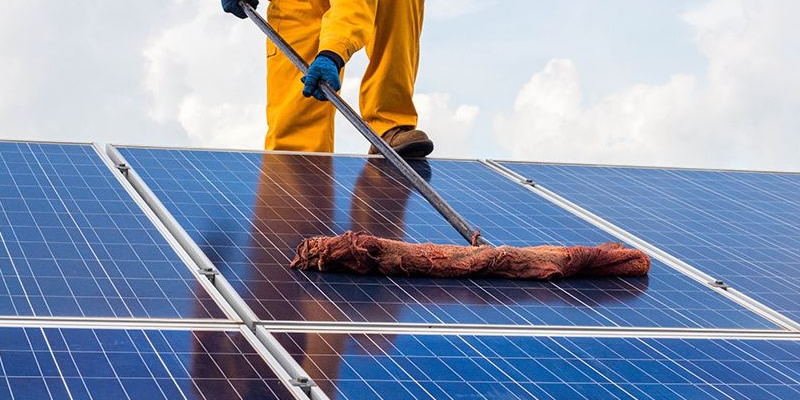
Step 1: Safety First
Before you begin, prioritize safety at all times. Avoid climbing onto roofs unless you have the proper equipment, training, and stable footing. Solar panels are often installed at angles that can be slippery and hazardous. If your system is hard to access or located on a high roof, it's best to hire professional cleaners who have the right tools and experience to handle the job safely.
Step 2: Turn Off the Solar System (If Recommended)
Some systems require you to shut down the power before cleaning. Always check your manufacturer's or installer's guidelines to ensure you follow the correct procedure. Turning off the system helps reduce any electrical risk and protects both you and the equipment during the cleaning process.
Step 3: Use the Right Tools
Whether you are initiating solar panel cleaning in winter or summer, using proper cleaning tools prevents damage to the panel surface. A soft brush or sponge is ideal for gently removing dirt without scratching the glass. Pair this with a garden hose using low pressure to rinse away debris. For best results, use clean or deionized water, which minimizes streaks and mineral deposits after drying.
Step 4: Clean During Cooler Hours
Timing matters more than most people think. Clean your panels in the early morning or late afternoon when temperatures are lower. This prevents thermal shock, which can occur if cold water hits hot panels under direct sunlight. It also allows water to evaporate more slowly, reducing streaks and making cleaning more effective.
Step 5: Rinse and Inspect
After gently scrubbing, thoroughly rinse the panels to remove any remaining dirt or soap residue. Leftover residue can block sunlight and reduce efficiency. Once done, take a moment to inspect the panels for cracks, loose wiring, or stubborn spots that may need additional attention.
How to know if solar panels need to be cleaned
Visible dirt or buildup
You can tell your solar panels need cleaning by observing their physical condition. If you notice a layer of dust, sand, bird droppings, and leaves. Even a thin coating of dirt can block sunlight and reduce efficiency.
Drop in power output
Another important indicator is a drop in power output. If your solar system has a monitoring app or inverter display, compare the current electricity generation with previous days or weeks under similar sunlight conditions. A noticeable decrease in performance, especially by around 5–15%, often suggests that dirt is affecting the panels.
Uneven panel performance
Uneven performance across panels is also a sign to watch for. If one section of your system produces less electricity than the others, it could be due to localized dirt, such as bird droppings or debris blocking sunlight on specific panels.
Regular monitoring
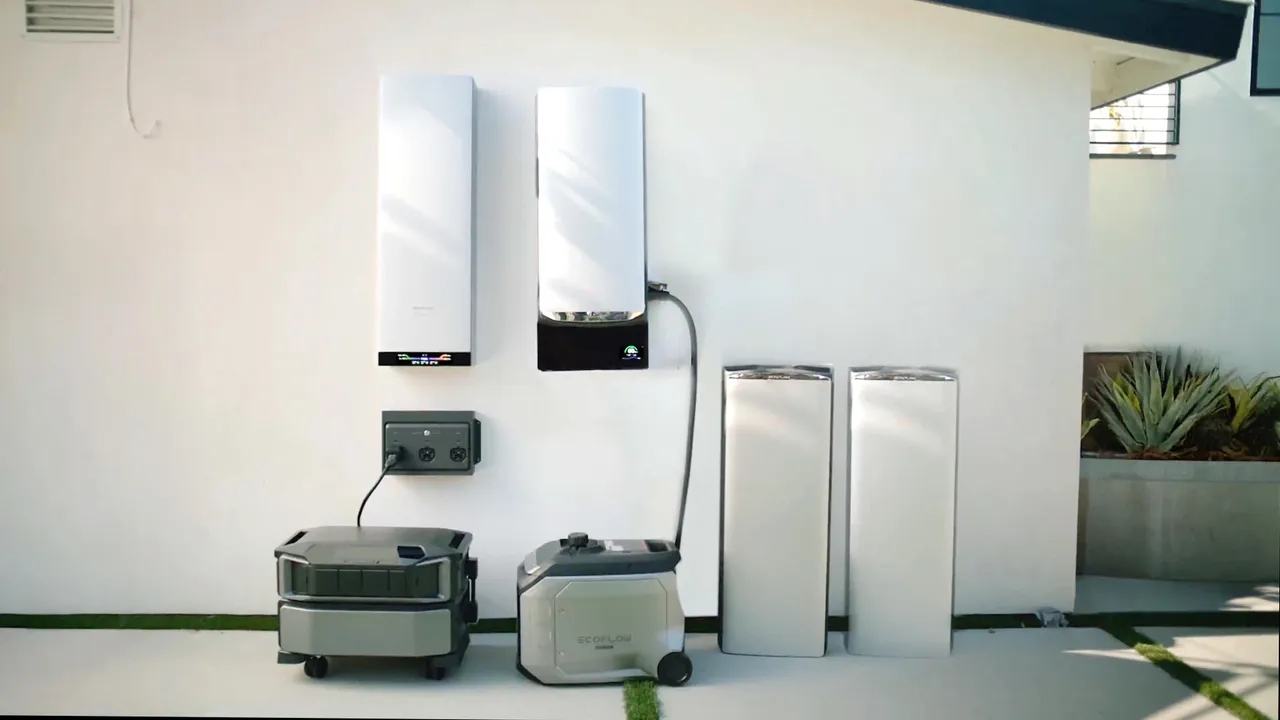
Regularly monitoring your panel performance is important to determine whether the solar panel is working properly. For this, you must install a smart home energy system, like EcoFlow Ocean Pro, that indicates the problem beforehand to avoid the hassle. EcoFlow offers a one-touch emergency power-off feature that lets the system shut down instantly. With its 30-day advance alarm system, the platform continuously monitors performance and component health, providing early warnings of potential issues.
Conclusion
Do solar panels need to be cleaned? The simple answer is yes. A clean solar panel can intercept more sunlight to generate more electricity and power up your home. Regular cleaning and proper maintenance can restore performance and keep your system running at its best. The EcoFlow Ocean Pro not only enhances energy generation through its efficient design but also delivers long-term reliability with advanced safety features and smart energy management.
Ready to power up your home? Schedule Your Free Consultation Today with us and enjoy optimized solar performance.
Get Your Free Home Energy Consultation!
Which energy solution are you interested in?

FAQs
Does rain clean solar panels?
Yes, rain cleans solar panels by removing regular dust and debris. However, thorough cleaning is still required to clean the build-up. Even a thin layer of grime can impact performance, so periodic cleaning helps maintain optimal energy output.
Do solar panels need to be cleaned regularly?
Whether solar panels need to be cleaned regularly or periodically depends on the region where the panel is installed. For example, regular cleaning is required if you live in dusty regions, and periodic cleaning once a year or less is enough for rainy regions.
Do rooftop solar panels need to be cleaned?
Yes, rooftop solar panels do need to be cleaned, although the frequency depends on your environment. While rain can remove some surface dust, it's usually not enough to clear stubborn dirt, bird droppings, or pollution. Over time, buildup can reduce efficiency, so occasional cleaning helps maintain consistent energy output.
How do I know if my solar panels need cleaning?
Keep in mind a few signs to know if your solar panel needs cleaning. First, if you find a noticeable drop in energy production without any technical issues, this means your solar panels require cleaning. Secondly, if you find visible dirt, dust, or stains on the panel surface, go for panel cleaning. Monitoring your system's performance regularly is key. Systems like the EcoFlow Ocean Pro make this easier by providing real-time insights and alerts, helping you identify when reduced output may be due to dirty panels.
What happens if you don't clean your solar panels?
If panels are left uncleaned for long periods, dirt buildup can block sunlight and significantly reduce efficiency. This leads to lower energy generation, decreased savings, and a longer return on investment. In extreme cases, heavy debris or bird droppings can cause long-term damage or hotspots.

