
Exploring If Electric Fireplaces Will Spike Your Household Bills
Many homeowners love the cozy ambiance of a flickering hearth. It makes a living room feel warm and inviting during the cold winter months. However, hesitation often sets in when people start considering the utility bill. It is very common to assume that adding a supplemental heat source will cause energy costs to skyrocket. After all, nobody wants to open their mail and find a surprise bill that is twice as high as last month.
However, understanding exactly how these units draw power can alleviate those concerns. You do not have to guess about your energy usage. By breaking down typical power consumption and operating costs, you can comfortably enjoy a warm room. You can do this without the dread of unexpectedly high monthly expenses. Many people worry and ask: Do electric fireplaces use a lot of electricity? The answer depends on your settings and your habits. If you want to keep your home running smoothly, integrating a home battery backup can help you manage these extra loads during winter storms.
Heating Mode vs. Flame Mode: A Wattage Breakdown
To understand your costs, you first need to understand the dual nature of these units. Most electric fireplaces have two completely separate systems inside. One system creates the glowing flame effect using lights. The other system creates the actual physical heat using a heating element. These two different settings drastically change how much power you draw from your wall outlet.
First, let's look at the flame-only mode. This is the setting you use when you just want the room to look cozy but you don't need extra warmth. The visual flame effect is highly efficient. In almost all modern units, this effect is powered by LED lights. Because LED technology uses very little energy, leaving the flames on often draws less than 50 watts of electricity. To put that in perspective, running the flame effect all evening takes less power than a standard lightbulb. You can run the "fire" for hours for just a few pennies. To put this in perspective, most standard portable space heaters also run at this same 1,500-watt level. This shows that electric fireplaces are right in line with other common household heating tools.
On the other hand, the heating element requires much more power. When you turn on the heat, the unit typically uses around 1,500 watts on the highest setting. This is the baseline number for almost every electric fireplace sold in the United States. Running a 1,500-watt appliance for one hour equals 1.5 kilowatt-hours (kWh). This is the same amount of power a standard portable hair dryer or a large toaster uses. The question of whether do electric fireplace heaters use a lot of electricity comes down to how many hours a day you leave that 1,500-watt heater running.
Feature | Flame-only mode | Heating mode (high) |
|---|---|---|
Primary function | Visual ambiance and cozy atmosphere | Physical room warming |
Technology used | LED lighting systems | Heating element |
Typical wattage | Less than 50 watts | Approximately 1,500 watts |
Energy consumption | Minimal (less than a standard bulb) | 1.5 kilowatt-hours (kWh) per hour |
Daily cost | Very low (pennies per evening) | Dependent on hourly usage |
Household equivalent | A standard lightbulb | A hair dryer or large toaster |
Do Electric Fireplaces Use a Lot of Energy Compared to Other Heaters?
When people ask, "Do electric fireplaces use a lot of electricity?", they are usually thinking about their main home furnace. To get a clear picture of your energy bills, you have to look at how different systems heat your home. Not all heat is created equal, and some methods waste much more energy than others.
Electric Fireplaces vs. Central Heating Systems
Central heating systems and electric fireplaces have completely different jobs. A central HVAC system forces warm air through the entire house. It consumes massive amounts of electricity or gas to push that air through long ducts. Often, it ends up heating empty bedrooms or hallways that nobody is using. A central system can easily draw 3,500 to 5,000 watts of power every hour it runs.
Electric hearths are designed for "zone heating." This means they are built to warm just the immediate space you are sitting in. Instead of heating a 2,000-square-foot house, you are only heating the 400-square-foot living room. This makes them a more targeted solution. It allows you to turn down your main thermostat and save money on your primary heating bill. Building a smart home energy ecosystem is about using the right tool for the right job, and electric fireplaces are great for localized warmth.
Comparing Electric to Gas Fireplaces
The next common comparison is against gas fireplaces. Gas units generate high heat, but they require serious ventilation. Because they burn fuel, they need a chimney or a flue to safely release exhaust gases outside. Unfortunately, a significant portion of the warmth escapes straight up that flue. You are literally paying for heat that goes outside.
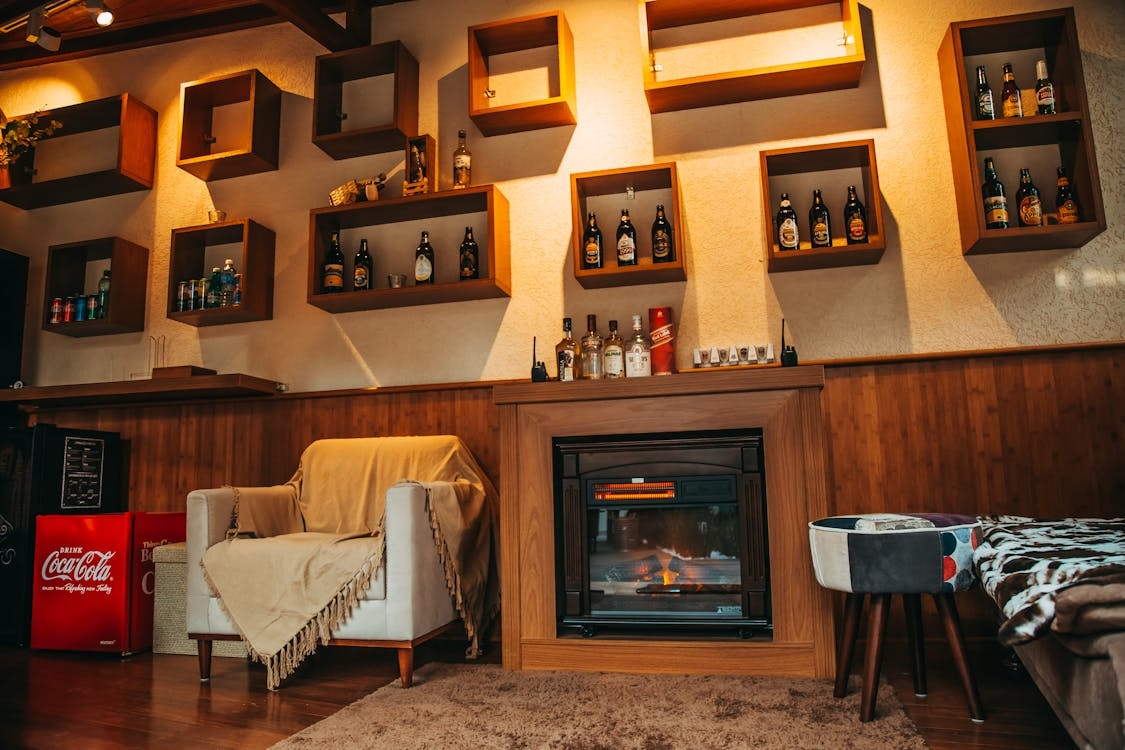
Electric fireplaces convert nearly all electricity into heat at the point of use. Because there is no actual fire, there is no need for a vent or a chimney. Every single watt of electricity drawn from the wall is converted directly into indoor heat. There is zero venting loss. This makes them highly effective at capturing all the energy you pay for on your bill.
Electric vs. Traditional Wood-Burning Hearths
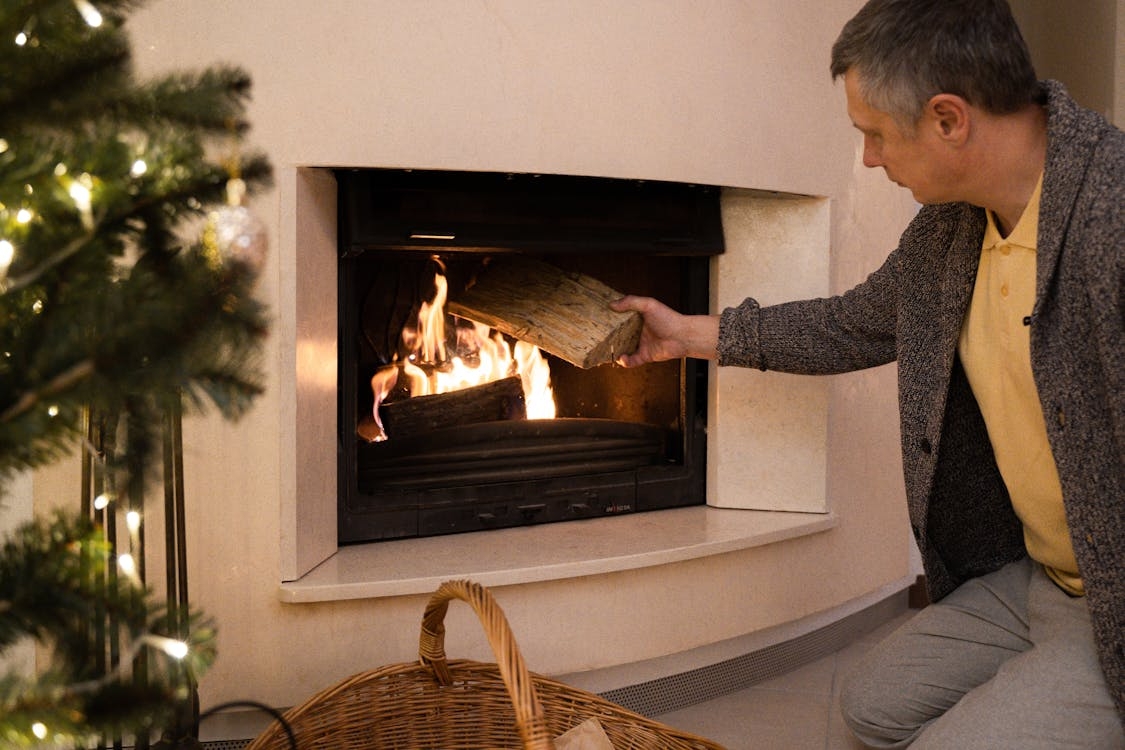
Many people assume that burning wood is the most effective heating method. However, traditional masonry chimneys are notoriously drafty. Even when a fire is blazing, the open chimney pulls existing warm air out of the home. This creates a vacuum that sucks cold air in through cracks in your doors and windows. Electric units eliminate drafts entirely. You do not need to open a flue or worry about cold air sneaking into your living room. This helps your home maintain its ambient temperature much more effectively.
Electric Fireplaces vs. Standard Space Heaters
Mechanically, an electric fireplace and a basic space heater both max out at about 1,500 watts. However, cheap space heaters often create localized hot spots. Electric fireplaces feature advanced infrared quartz or strong fan-forced elements that distribute warmth more evenly. High-quality units can comfortably warm up to 1,000 square feet.
Debunking Common Electric Fireplace Myths
There is a lot of bad information out there about electric heating. Let's clear up some common myths that might make you hesitant to use your fireplace.
Myth 1: They take hours to warm up
Some people think electric fireplaces take forever to get hot. This is a mistake. Unlike wood or gas, which require ignition and a buildup time, electric heating elements work instantly. The moment you push the power button, the internal coils or quartz tubes heat up. The blower fan immediately begins pushing warm air into the room. You can feel the warmth within seconds of turning it on.
Myth 2: They are dangerous to leave plugged in
Another major concern is fire safety. Modern electric fireplaces are built to the highest safety standards. They feature "cool-to-the-touch" glass. Even if the heater has been running for three hours, the front glass will not burn your hands or your pet's fur. They also come equipped with automatic thermal shut-off switches. If the unit ever gets too hot or if the airflow is blocked, the system turns itself off instantly. This makes them much safer than exposed heating elements.
Managing Your Household Equipment Power Consumption
Adding a 1,500-watt appliance to your daily life will show up on your bill. However, you can manage this impact if you are smart about your equipment's power consumption.
Identifying High-Drain Appliances
The first step in managing your electric bill is knowing where the power goes. Your fireplace shares the electrical panel with heavy loads, such as water heaters and ovens. Understanding these simultaneous draws helps prevent tripped breakers. If you run your fireplace, dishwasher, and clothes dryer at the same time, you are putting a heavy strain on your home's circuits.
Tracking Real-Time Energy Usage
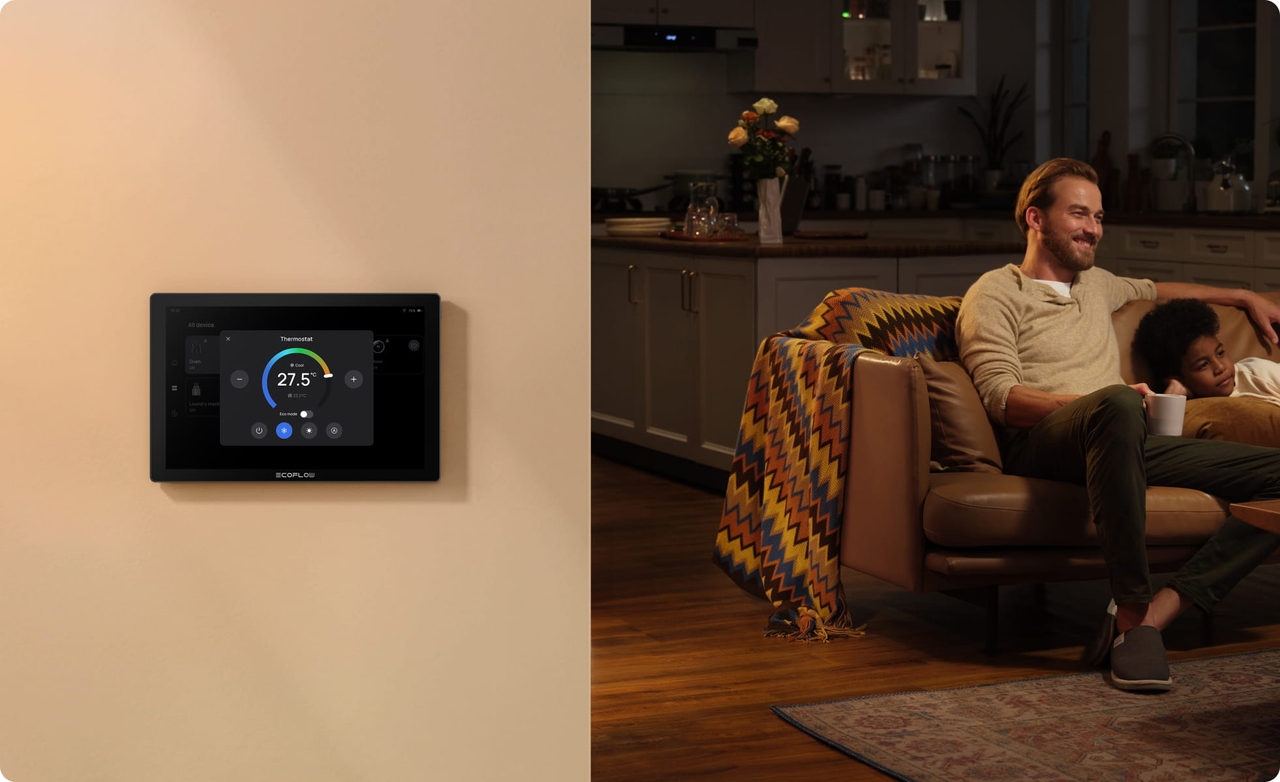
We recommend using smart plugs or whole-home energy monitors. These devices show exactly how many kilowatts your devices draw per hour. Providing this visibility into your daily habits makes it easier to save. You might find that you only need to run the heater on "High" for 20 minutes to warm the room, then switch to "Low" to keep it comfortable.
Shifting Usage to Off-Peak Hours
Many utility companies use Time-of-Use (TOU) rates. This means electricity is cheaper during the day and very expensive in the evening. You can save money by shifting your usage. Try to pre-heat your living room in the late afternoon just before the expensive peak rates kick in. Once the high-price hours start, you can turn off the heater and just enjoy the low-wattage flame effect.
Integrating Solar Storage for Heavy Loads
Modern homes are now using solar power to offset high utility costs. When you rely on supplemental heaters during cold snaps, drawing from a reliable system like the EcoFlow OCEAN Pro Home Solar Battery allows you to power your fireplace with stored energy. This is a high-capacity system designed to handle large household loads.
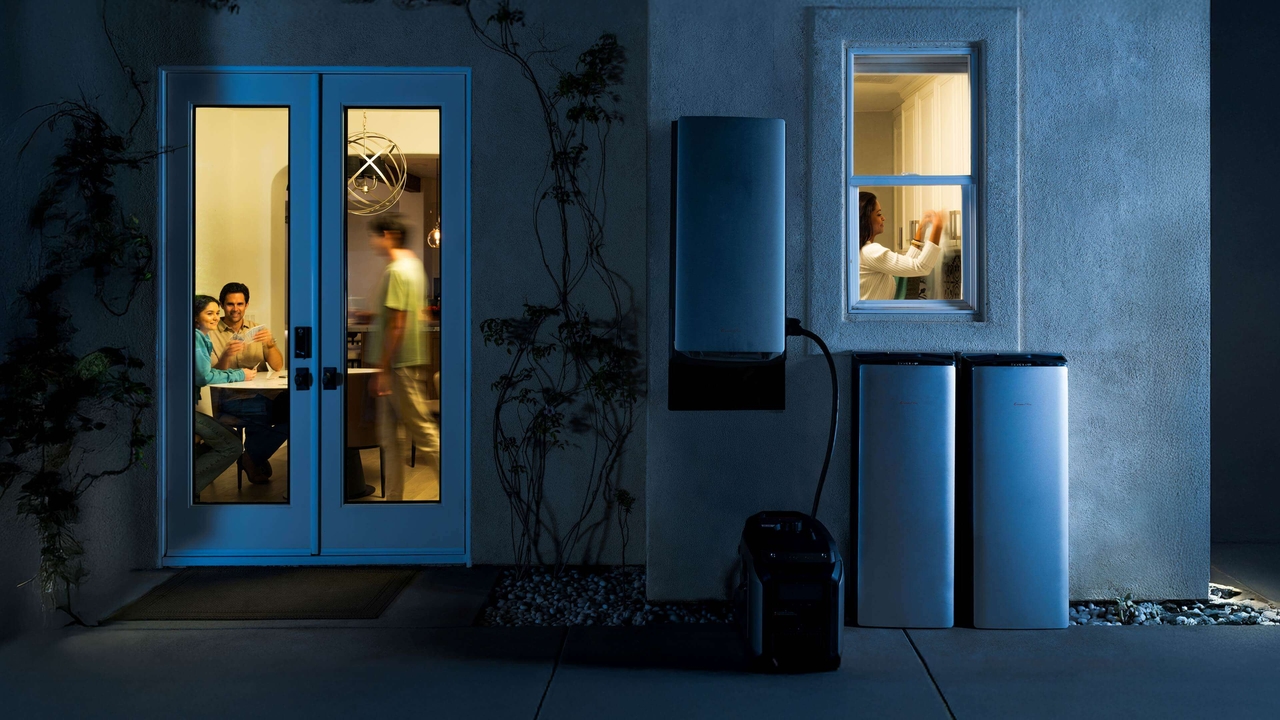
Because this involves high-voltage home energy, it is not a DIY project. It is not "plug and play." The system requires professional installation by a certified electrician. Once installed, it provides a seamless way to keep your home warm while shielding you from high grid rates and winter blackouts.
Expandable Capacity: This system starts with a robust 10kWh base capacity. This gives you plenty of energy to run a 1,500-watt fireplace along with your lights and refrigerator.
Intelligent Mode: The system automatically shifts your power usage. It prioritizes using your stored solar energy when grid rates are at their highest.
Pairing this system with a smart home panel gives you a full dashboard to monitor which circuits in your house use the most energy. This helps you see if the fireplace is really the reason your bill is high or if it is another appliance.
This kind of real-time visibility is exactly what helped one California homeowner, Steve, finally take control of his monthly costs. Facing rising utility bills with three children to support, Steve used his OCEAN Pro system to track his power usage room by room. By seeing exactly where his electricity was going right on his phone, he was able to change his family's daily habits, eliminate energy waste, and gain immediate financial relief.
Get Your Free Home Energy Consultation!
Which energy solution are you interested in?

4 Simple Ways to Improve Heating Efficiency and Keep Costs Low
You don't always need new technology to save money. Simple habits can make a big difference in how much energy your fireplace uses.
Strategic Zone Heating
This is the best way to save. Lower your central thermostat by 5 to 10 degrees. Then, let the electric fireplace warm the specific room where your family is hanging out. The central heater will run much less often. The small cost of the fireplace is much lower than the cost of running a giant central furnace for the whole house.
Utilize Built-in Thermostats
Most modern electric fireplaces have a digital thermostat. Do not just leave it on "Constant." Set a specific temperature, like 70 degrees. The unit will run until the room is warm and then shut off. It will only turn back on when the temperature drops. This prevents the heater from running all night and wasting electricity.
Seal Room Drafts
Maximize the heat your fireplace makes. Close doors to hallways or empty bedrooms to keep the warm air in one place. You should also use heavy curtains on your windows. This prevents the warm air from touching the cold glass and losing its heat. If you have a drafty door, a simple draft stopper can keep the heat inside where it belongs.
Ambiance Without Heat
Don't forget the flame-only setting! Use this during milder weather or when you have a lot of people over. A room full of people naturally gets warm. You can enjoy the flickering lights and the holiday vibe without adding extra heat to the room. This uses almost zero energy.
Conclusion
So, do electric fireplace heaters use a lot of electricity? The answer is no, as long as you are smart about it. By using zone heating and your unit's built-in thermostat, you can stay warm without breaking the bank. These fireplaces provide 100% efficient heat exactly where you need it. They are a safe, clean, and beautiful way to survive the winter.
Are you ready to resolve your uncertainty about home energy bills? We can help you protect your home and manage your power better. Request a consultation today to find the perfect, reliable energy solution for your property. Our experts can show you how to build a system that keeps your family warm and your costs low.
FAQs
Do electric fireplace heaters use a lot of electricity?
No, they use about the same amount of power as a standard hair dryer. On the highest setting, they typically use 1,500 watts. If you only turn on the flame effect, they use very little power, often less than 50 watts.
How much does it cost to run an electric fire for 1 hour?
It depends on your local electric rate. If your power company charges 15 cents per kilowatt-hour, running a fireplace on high for one hour will cost you about 22.5 cents. If you only use the flames, it costs less than one cent per hour.
Do fireplace heaters use a lot of electricity if just the flames are on?
No. When the heat is off, the flames use efficient LED lights. This is one of the cheapest ways to add ambiance to a room. It uses much less power than a ceiling fan or a television.
Can leaving an electric fireplace on overnight overload my circuit?
It can if you have other big appliances on the same circuit. You should always plug a 1,500-watt heater into its own outlet. It is safer to use the thermostat setting so the heater cycles on and off rather than running at full power all night.
What is the common mistake that doubles your electricity bill?
The biggest mistake is leaving the electric fireplace on high while also keeping your central home furnace set to a high temperature. To save money, you must turn down the main house heat and use the fireplace to only heat the room you are in. If you do not lower the main thermostat, you are just paying for two heaters at the same time.

