
The Major Disadvantages of Natural Gas: Why It's Time for Solar
Natural gas was once promoted as the cleaner answer to coal and oil, earning a reputation as the "bridge fuel" toward renewable energy. While it burns cleaner than some fossil fuels, the reality is far more complicated.
Made primarily of methane extracted from deep underground reservoirs, natural gas powers homes, industries, and electricity grids worldwide. But beneath its efficiency reputation lies a growing list of environmental, economic, and safety concerns. Methane leaks, greenhouse gas emissions, water contamination, volatile pricing, and infrastructure risks are becoming harder to ignore. As climate concerns intensify and renewable technology advances, high-efficiency solar energy is emerging as a cleaner, smarter long-term solution.
Deep dive: the disadvantages of natural gas
Natural gas may appear cleaner on the surface, but its drawbacks affect the environment, public health, energy security, and long-term sustainability.
Severe environmental impacts
The Methane leakage crisis
Natural gas consists primarily of methane. This gas traps heat in the atmosphere about 80 times more effectively than carbon dioxide over 20 years. Methane leaks happen throughout the entire supply chain. They occur at wellheads during extraction, along pipelines during transportation, and in storage facilities. Even small leaks create a major climate impact that offsets many benefits of burning natural gas.
Carbon Dioxide emissions
Natural gas burns more efficiently than coal, but it still produces significant carbon dioxide emissions. Every time natural gas is used for electricity, heating, or cooking, carbon enters the atmosphere. These emissions contribute directly to global warming and rising temperatures. While natural gas may produce fewer emissions than coal, it still remains a fossil fuel that depends on combustion.
For countries and homeowners aiming for true carbon reduction, continuing reliance on natural gas delays progress toward cleaner energy systems.
Air and water pollution
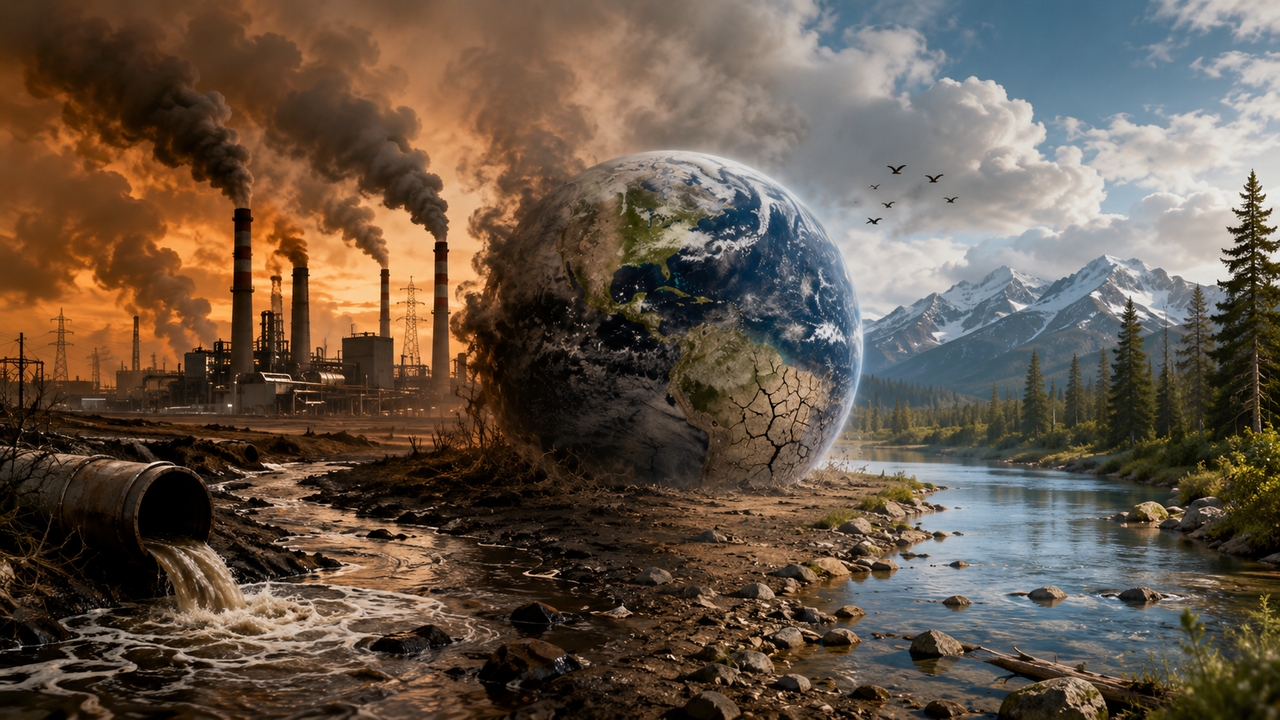
Natural gas extraction and processing also create harmful pollutants. Sulfur compounds, nitrogen oxides, and volatile organic compounds can reduce local air quality and contribute to respiratory problems.
Communities near drilling sites often face increased exposure to industrial pollution. Water contamination is another major concern, especially in areas with heavy drilling activity.
The hidden costs of extraction: Fracking
Much of the natural gas produced today — particularly in the United States — comes from hydraulic fracturing, more commonly known as fracking. Understanding this process reveals some of the most serious natural gas disadvantages.
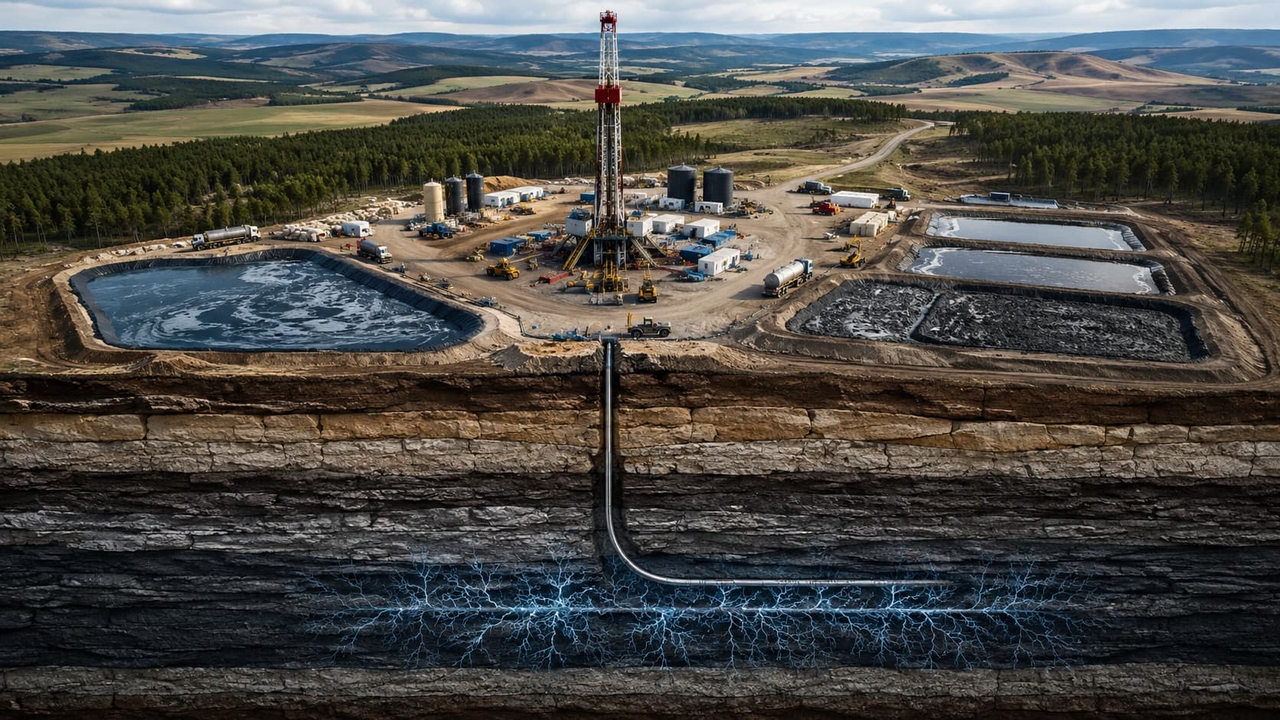
Fracking involves injecting a high-pressure mixture of water, sand, and chemicals deep into shale rock formations to fracture the rock and release trapped gas. It has dramatically expanded natural gas production, but not without serious consequences.
Groundwater contamination & water waste
Fracking requires enormous quantities of fresh water—millions of gallons per well. The process also generates toxic wastewater that must be carefully managed. When it isn't, that wastewater can leach into local groundwater supplies and soil, contaminating drinking water for nearby communities. The scale of water use and risk of contamination represents a significant and ongoing concern.
Ecosystem disruption and seismic activity
The industrialization of previously rural or undisturbed land for extraction destroys natural habitats and fragments ecosystems. Beyond this, scientific research has established a clear link between the disposal of fracking wastewater — typically injected deep underground — and increased rates of localized earthquakes. Communities near high-volume disposal wells have experienced seismic activity at rates far above historical norms.
Economic volatility and geopolitical risks
A finite, non-renewable resource
Natural gas is not renewable. It takes millions of years for underground deposits to form naturally. At current consumption rates, experts estimate global reserves may only last another 50 to 100 years. Eventually, supplies will decline, forcing nations to transition toward renewable alternatives anyway. This finite nature makes natural gas an unsustainable long-term solution.
Price volatility
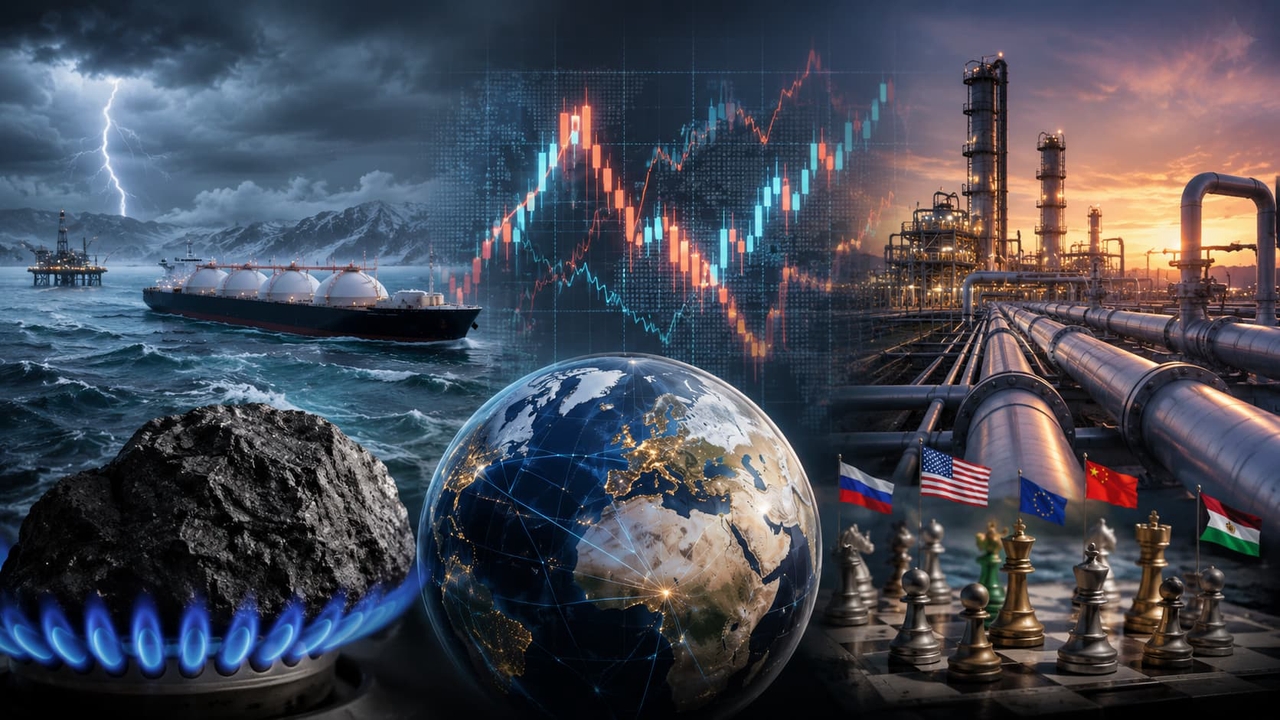
Natural gas prices are notoriously unstable. Severe weather events, supply chain disruptions, unexpected demand spikes, and infrastructure failures can cause prices to surge rapidly and without warning. Homeowners and businesses that depend on natural gas have little protection from these fluctuations, making long-term energy budgeting difficult and unreliable.
Geopolitical dependence
A handful of countries hold the majority of the world's natural gas reserves. This concentration of supply means that nations relying heavily on natural gas imports are vulnerable to geopolitical tensions, trade disruptions, and the political decisions of foreign governments. Energy security becomes entangled with international politics in ways that affect everyone downstream.
Safety hazards and infrastructure challenges
Highly flammable and toxic
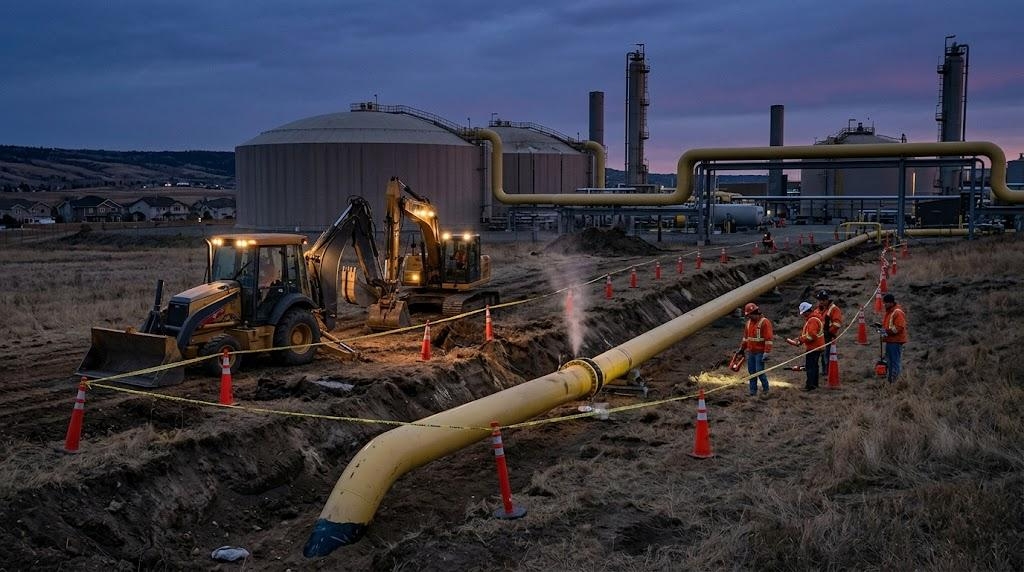
Natural gas is extremely combustible. On its own, it is colorless and odorless — completely undetectable by human senses. For this reason, a chemical called mercaptan is added during processing to give it the familiar "rotten egg" smell, making leaks easier to identify. But undetected leaks still occur, and when gas accumulates to a sufficient concentration in an enclosed space, the risk of explosion is very real. Every heating season brings news of tragedies linked to gas leaks and faulty appliances.
Costly and disruptive infrastructure:
Transporting natural gas requires vast, complex networks of underground pipelines — expensive to build, expensive to maintain, and disruptive to install. Storing natural gas presents its own challenges: its volume is roughly four times that of liquid fuels like petrol, requiring massive, specialized storage facilities. This infrastructure burden represents a high and ongoing cost that is often invisible to the end consumer.
The green alternative: transitioning to high-efficiency solar energy
The disadvantages of natural gas point in one clear direction: it is not a long-term solution. Moving forward requires a transition to an energy source that is clean, stable, and sustainable.
Why solar outperforms natural gas
Solar energy is fundamentally different from natural gas in one key respect: the fuel source is inexhaustible and free. The sun will continue producing energy for billions of years; it doesn't need to be mined or fracked, and using it produces zero direct emissions. There are no pipelines to build, no wastewater to manage, and no exposure to geopolitical supply disruptions. Once a solar system is installed, homeowners are largely insulated from utility price volatility— a dramatic contrast to the unpredictable costs of natural gas.
Achieving energy independence seamlessly
Modern solar technology has evolved rapidly over the past decade. One of the biggest concerns people once had was what happens after sunset or during cloudy weather.
Today, advanced battery storage systems solve that challenge by storing excess solar energy for later use. Homeowners can now maintain reliable power day and night while reducing dependence on the grid.
A smarter home energy solution
The EcoFlow OCEAN Pro is a strong example of where residential solar technology stands today. It supports up to 40 kW of solar input, scalable battery storage up to 80 kWh, and 24 kW of continuous output, enough to run an entire home efficiently. Intelligent energy management reduces grid dependence automatically, and unlike natural gas generators, it operates silently with zero emissions and no ongoing fuel costs.
Unsure if your home is ready to transition away from fossil fuels, or wondering how to navigate the shift to a smart solar setup? Schedule your free consultation today to speak with an energy expert and get a customized, clean-energy assessment for your setup.

Get Your Free Home Energy Consultation!
Which energy solution are you interested in?


Signing off
Natural gas was once a reasonable compromise: it's less harmful than coal, more available than early renewables, and a practical choice for millions of homes and businesses. That was then. Today, the full picture of natural gas is much harder to defend. Its methane emissions undermine its clean reputation. Its extraction methods carry serious environmental and community risks. Its prices fluctuate unpredictably. Its infrastructure is expensive and complex. And its reserves, however substantial, are not infinite.
The transition to renewable, high-efficiency solar energy isn't just an environmental preference — it's increasingly the practical, economic, and strategic choice for households looking to secure stable, affordable energy for the long term.
Frequently Asked Questions (FAQs)
Should I buy a house with natural gas?
A house with natural gas can offer reliable heating and lower energy costs, but buyers should consider safety risks, rising fuel prices, and environmental concerns. Many homeowners now prefer electric and solar-powered homes for cleaner, future-ready living.
Why is natural gas bad for the environment?
Natural gas releases potent methane leaks that accelerate climate change and produce carbon dioxide when burned. Fracking also contaminates groundwater and destroys natural habitats through water waste and ecosystem disruption.
What are the dangers of natural gas?
Natural gas is highly flammable, and leaks can cause fires or explosions. Because the gas is naturally odorless, additives are required for detection. Poor ventilation and pipeline failures may also create serious health and safety hazards.
Is natural gas worse than coal?
Natural gas burns cleaner than coal and produces fewer carbon emissions during combustion. However, methane leaks throughout production and transport reduce its environmental advantage. Both remain fossil fuels that contribute to climate change
How long will natural gas last?
Natural gas is a non-renewable fossil fuel formed over millions of years. Experts estimate current global reserves could last between 50 and 100 years, depending on future demand, extraction rates, and global energy consumption patterns.

