
How to Compare and Find the Best Dallas Electricity Rates Today
Dallas features a deregulated energy market, putting the power to choose your provider directly in your hands. While the concept is simple, the reality often involves wading through complex contracts, opaque fees, and unpredictable seasonal price swings that quickly feel overwhelming. Developing a clear strategy remains the most effective path toward securing the best Dallas electricity rates.
Addressing summer utility spikes or seeking long-term stability begins with understanding your home's unique energy footprint. Many homeowners now reduce costs by improving insulation, upgrading to high-efficiency appliances, and integrating home battery backup systems to store affordable off-peak power. This guide clarifies how to secure competitive rates while managing consumption effectively. Taking control of your energy bill starts here, with a step-by-step look at navigating the market.
Understanding the Deregulated Dallas Energy Market
Texas has a unique "Power to Choose" system. In most of the country, one utility company handles everything. Dallas is different. The energy market is split into different roles.
First, there is Oncor. Oncor is the local utility company that manages the physical grid. They maintain the power lines and fix outages. Oncor charges standard delivery fees on your bill. No matter which provider you choose, Oncor still delivers the power to your home.
Second, there are Retail Electric Providers (REPs). These are the companies that actually sell the electricity to you. In Texas, you actually get to choose your own electricity company. Because the market is deregulated, these providers compete for your business, making it significantly easier to shop around and lock in lower rates. Plus, there is no need to worry about your power becoming less reliable. A utility like Oncor still manages the actual wires and physical delivery, so your lights stay on exactly the same no matter whose logo is at the top of your monthly bill.
Common Electricity Plans Dallas Residents Choose
When you finally start looking at different electric company rates in Dallas, Texas, you will notice a few distinct types of contracts. It is important to know the difference before you sign anything.

Here is a quick overview of the primary energy contracts available in the marketplace today.
Plan Type | Key Benefit | Potential Risk | Best For |
Fixed-Rate | Predictable, stable pricing | No benefit if market rates drop | Stability-focused households |
Variable-Rate | No long-term contract | High risk of price surges | Short-term energy needs |
Time-of-Use | Lower off-peak rates | Requires load management | Households shifting appliance use |
Green Energy | Renewable/sustainable power | Can carry a premium price | Eco-conscious homeowners |
Prepaid | No deposit or credit check | Requires monitoring balance | Renters or flexible budgets |
How to Find the Cheapest Energy Rates in Dallas
Finding a truly great deal takes a little bit of homework. You want to move beyond the advertised "teaser" rates and find real savings. Here are factual, proven methods for finding the cheapest energy rates in Dallas.
Analyze Historical Usage Tiers
Texas electricity rates are uniquely tiered based on your usage. Providers base their pricing on three standard levels: 500 kWh, 1,000 kWh, and 2,000 kWh. If an ad shows a super low rate, it might only apply if you use exactly 2,000 kWh. Calculate your average monthly usage first. Look at your past bills. Then, shop exclusively for rates matching your specific tier. This prevents you from paying a penalty fee for using too little or too much power.
Decode the Electricity Facts Label (EFL)
The Electricity Facts Label, or EFL, is the most important document you will read. Every plan has one. Always download the EFL before signing up. The EFL uncovers hidden base charges, specific delivery fees, and tricky bill credit structures. Sometimes a plan requires you to hit a certain usage level to get a $100 credit. If you miss that target by just one kilowatt, your rate jumps up. The EFL explains exactly how the math works.
Utilize Objective Marketplaces
Do not just click the first ad you see on a search engine. Use objective marketplaces. The official Power to Choose platform is a great starting point managed by the Public Utility Commission of Texas. This site lets you filter plans accurately by your zip code and your exact usage history. Comparing multiple offers side-by-side is the smartest way to shop. It forces retail companies to compete for your business on a level playing field.
Time Contract Shopping (Shoulder Months)
Timing is everything in the energy market. You should advise locking in long-term contracts during mild spring or fall months. These are known as "shoulder months." During these times, the grid demand is low. People are not blasting their air conditioners or turning on heavy heaters. Wholesale prices are at their lowest. If you lock in your rate during April or October, you will often find the best deals of the entire year.
Proven Strategies to Lower Your Dallas Electricity Costs
Securing a great rate is only half the battle. You also need to control how much power your home actually uses. Managing monthly expenses efficiently means making smart updates to your house. Here is actionable advice for reducing energy consumption.

Conduct a Routine Home Energy Audit
A home energy audit helps you find where your power is escaping. Start by checking for window drafts. If you feel air moving, seal the gaps. Upgrading your attic insulation can also make a massive difference. Poor insulation lets the hot Texas sun bake your ceilings. Furthermore, ensure your HVAC systems are serviced annually. A dirty, struggling air conditioner wastes huge amounts of power. Finding these flaws with a DIY home energy assessment helps you spot hidden inefficiencies before they cost you money.
Optimize Your HVAC and Cooling Habits
Air conditioning makes up the largest chunk of a Dallas energy bill. You need to optimize your cooling habits. Set your thermostats higher when you are away from home. There is no reason to freeze an empty house. Replace your air filters every single month during the summer. Clean filters help the machine run without struggling. Also, use your ceiling fans. Fans reduce the cooling load on air conditioning units by moving the air around, allowing you to raise the thermostat a few degrees while staying comfortable.
Leverage Time-of-Use Plans with Smart Storage
Managing exactly when a house draws grid power is essential for Time-of-Use plans. If you are on one of these plans, you want to pull electricity from the grid during the cheapest off-peak hours. You can store it, and then rely on that stored power when afternoon rates peak.

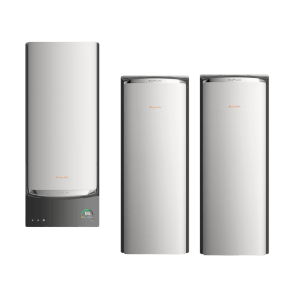
Integrating a home system like the EcoFlow OCEAN Pro solar battery system allows you to handle this load shifting automatically. It uses an intelligent mode that dynamically shifts your energy consumption to off-peak pricing periods to optimize utility savings. You get a massive baseline capacity of 10kWh per unit. Better yet, it delivers a robust 24kW of continuous power output. This is enough power to effortlessly run heavy household loads like 5-ton HVAC units during peak Texas heat.
If you are concerned about grid instability during extreme Texas weather, our energy experts can help you assess your specific power requirements. Request a consultation to receive a tailored energy security plan designed to ensure your household remains powered throughout the next storm season.
Reduce Phantom Power Consumption
Many electronics continue to draw electricity even while they are turned off. This is called "standby power" or "phantom power." Televisions, game consoles, and phone chargers all slowly sip energy all day and night. Recommend using smart power strips. These strips completely cut the power to devices when they are not in use. Managing your outlet usage helps prevent this invisible energy waste from accumulating on your monthly utility bill. It is a small change that adds up over a year.
How to Safely Switch Your Electric Provider in Texas
Switching your provider is much easier than most people think. You do not need to worry about losing power during the change. Here is a neutral wrap-up guiding users on the actual switching process for new electricity plans in Dallas, using 4 key points:

Review Your Current Contract for Termination Fees
Before you switch, check your current paperwork. Remind yourself to look for Early Termination Fees (ETFs). If you switch more than 14 days before a contract ends, your old provider might charge you a penalty. These fees can sometimes be higher than the savings you get from switching. Always double-check your contract end date so you can avoid an unnecessary bill.
Analyze the Electricity Facts Label (EFL)
As mentioned earlier, verify everything. Analyze the EFL of the new plan very carefully. Emphasize verifying the exact cost per kWh at your specific usage threshold before switching. If your home uses 1,500 kWh, make sure you know exactly what the rate is at that level. This final check ensures your new plan will actually save you money.
Coordinate the Switch with Your New Provider
The actual process of switching is very hands-off for you. Coordinate the switch simply by signing up with your new provider. They handle the cancellation and transition process automatically. You do not even need to call your old company to say goodbye. The new provider takes care of the paperwork behind the scenes.
Enjoy an Interruption-Free Transition via Oncor
People often worry that their lights will go out when they switch companies. That does not happen. Reassure yourself that since Oncor manages the physical grid, power remains on seamlessly during the billing switch. No one comes to your house to flip a switch or change wires. The only thing that changes is the name of the company at the top of your next electric bill.
Take Control of Your Dallas Energy Journey
Managing your monthly expenses requires smart shopping and proactive home management. Finding the best Dallas electricity rates usually means locking in a fixed plan during the mild spring or fall. That way, your bill stays flat even when high summer demand drives prices up across Texas. By comparing rates carefully and reading the EFL, you can stop overpaying. You have the tools and the strategies you need. Start comparing plans today and keep more money in your wallet every single month.
Get Your Free Home Energy Consultation!
Which energy solution are you interested in?

FAQs
How much is electricity per month in Dallas?
Most Dallas households pay about $150 to $175 a month. This assumes you use roughly 1,100 kWh at a rate of 14 to 15 cents. Your real cost depends heavily on your home size, how much you run the air conditioner, and your specific pricing tier.
How do I choose the best electricity plan in Dallas?
First, check past bills to find your exact usage. Always read the Electricity Facts Label to dodge sneaky fees. A fixed-rate plan protects you from summer spikes. Adding a backup like the EcoFlow OCEAN Pro can maximize savings on Time-of-Use options.
What is the cheapest electricity in Dallas?
The cheapest rate changes daily, often dipping around 7 to 8 cents per kWh on the 1,000 kWh tier during shoulder months. Always check the Power to Choose marketplace to verify the current lowest rates before locking into a new contract.
Is it better to get a fixed or variable energy plan?
Fixed-rate plans are much safer for local homeowners. They lock your energy price in place. This shields your family from massive bills during brutal summer heatwaves. Variable options offer flexibility but expose you to huge risks when demand peaks.
How much does Oncor charge for electricity delivery?
Oncor fixes a base fee of roughly $4 every month. They also add a delivery charge of about 4 to 6 cents per kWh. These standard fees show up on every single bill. They cover repairing downed power lines and maintaining the physical grid equipment.

