
Can You Flush the Toilet When the Power is Out? A Homeowner's Guide
A sudden blackout raises immediate concerns about necessities, and one question always comes to mind: Can you flush the toilet when the power is out? The short answer is usually yes, but it depends heavily on your home's specific water supply and waste-disposal system. While standard gravity-fed toilets on municipal water might work seamlessly, homes relying on private well pumps or electric septic systems will face immediate plumbing challenges.
When an outage stretches from hours into days, temporary fixes like storing emergency water in the bathtub quickly run dry. To keep high-demand appliances like well pumps and water heaters running without interruption, integrating a reliable home battery backup is essential. In this guide, we will explore exactly how different plumbing systems function without electricity, how to safely manually flush your toilet, and what to do when your emergency water supply runs out.
How Different Water Systems Affect Flushing
If you find yourself asking, "Can you flush a toilet when power is out?" Understanding how your water and waste systems interact with the grid is the first step in outage preparedness. Below is a quick comparison of what to expect based on your home's specific plumbing setup. Reading a power outage survival guide can help you plan for these exact moments.
Water / Waste System | Can You Flush? | Impact & Result During Power Outage |
|---|---|---|
Municipal (City) Water | Yes | Unlimited flushing is usually possible as long as the city water towers maintain pressure. |
Private Well Water | Limited | You get exactly one automatic flush; after that, the electric pump cannot refill the tank. |
Gravity Septic System | Yes | The system works normally as long as you have a manual water source to refill the toilet bowl. |
Powered Septic (Pump) | No | Flushing will cause waste to collect in the basin, quickly leading to a sewage backup. |
Smart / Electric Toilet | No | The electronic flushing mechanism will fail without a manual bypass. |
Municipal Water Systems (City Water)
Most homes on city water rely on massive, elevated water towers. These towers use the simple force of gravity to maintain pressure throughout the local underground pipe network. Because these systems do not require electricity at your specific house to move the water, you will generally maintain normal water pressure.
According to emergency sanitation guidelines provided by the CDC, maintaining your home's hygiene during a blackout is critical. Fortunately, because of this, the answer to whether you can flush a toilet when the power is out is almost always yes for city residents. You can continue flushing and refilling your toilet tank indefinitely during a blackout. This remains true as long as the municipal utility company has backup generators running for its main pumping stations.
Private Well Systems
If your home is in a rural area or uses a private well, your plumbing is entirely dependent on an electric well pump. The EPA notes that private wells require electricity to pump water from deep underground into your home's pressure tank. When the power goes out, the pump immediately stops working.
As a result, you will typically get exactly one normal flush. This flush uses the water already in the toilet tank. Once that tank is empty, your faucets will run dry. The toilet will not refill until grid power is restored or a backup energy source is turned on.
Do Toilets Flush When Power Is Out Based on Waste Systems?
It is incredibly important to know exactly how your waste leaves your property. Having fresh water is only half the battle. If your home cannot safely remove wastewater, you cannot flush your toilet. If you want to keep your entire plumbing system fully operational, looking into whole-home power solutions is the smartest approach.

Standard Gravity Toilets and Septic Tanks
Traditional gravity-flush toilets and standard septic systems rely on gravity to move waste. They do not need motors or pumps to function. The wastewater flows downward through the pipes into the septic tank, then out into the drain field. So, can you flush the toilet when power is out with this setup? Yes, because of this natural design, they function normally during blackouts as long as there is water available to fill the bowl.
Upflush Toilets and Effluent Pumps
Upflush systems in basements or septic tanks equipped with grinder pumps require electricity to push waste to the drain field. These systems use a holding basin. Once the basin fills, an electric motor kicks on to grind the waste and pump it away. Avoid using these without power to prevent dangerous blockages. If the basin fills up and the pump cannot turn on, the wastewater has nowhere to go but back up into your bathroom.
Smart Toilets and Bidet Combos
If you own a modern fixture, you might wonder, "Does the toilet flush when the power is out?" Usually, no. Modern smart toilets operate using electronic valves rather than a traditional mechanical flapper and chain. When the grid goes down, the electronic flush button will simply not work. Fortunately, most manufacturers design these units with a hidden manual flush lever or a backup battery compartment. You will need to check your specific user manual to locate and activate it.
How to Manually Flush a Toilet When the Power Is Out
If you are on well water and have already used your one free flush, you might ask, can I flush the toilet when the power is out again? Yes, but you will need to flush the toilet manually. This is commonly known as the "bucket method." It is easy to do, but you need to follow the right steps to make it work properly.
Find a Bucket: Find a bucket or a large container that is easy to pour from.
Gather Water: You will need a good amount of water to create the flushing action.
Lift the Lid: Lift the toilet seat and lid so the bowl is fully exposed.
Pour Quickly: Pour the water directly into the toilet bowl. Do not pour it into the upper tank. You need to pour it fast enough to mimic a normal flush but carefully enough to avoid splashing.
Watch the Bowl: The sudden rise in water volume pushes the waste through the trapway at the bottom of the bowl. This creates a natural siphon that empties the bowl just like a regular flush.
Pouring 1 to 2 gallons (3.8 to 7.6 liters) of water directly into the toilet bowl simulates a natural flush. The shape of the toilet bowl does the rest of the work.
When doing this, it is highly recommended to emphasize the use of non-potable water. Use water from a swimming pool, a rain barrel, or even melted snow. This allows you to save your clean, bottled drinking water for staying hydrated.
Hitting the Wall: When Manual Flushing Stops Working
The bucket method is a fantastic trick for a short outage. However, when an afternoon blackout turns into a multi-day grid failure, manual fixes stop working. Eventually, you will hit a wall where buckets and stored water are no longer enough to keep your home sanitary.
The Rapid Depletion of Emergency Water
The average toilet requires 1.6 gallons (6 liters) of water per flush. For a family of four, relying on the "bucket method" can easily consume 20 to 30 gallons (75 to 113 liters) of stored water in just a single day. If an outage stretches into day two or three, that bathtub full of emergency water will quickly run dry. Once that happens, you are left without any way to clear the toilet bowl.
The Hidden Danger of Unpowered Septic Pumps
Even if you have an endless supply of buckets from a nearby pond, manual flushing only pushes waste down the drain. If your home relies on an electric effluent pump, grinder pump, or upflush basement toilet, that waste has nowhere to go. Pushing past this barrier without electricity can cause severe sewage backups into your sinks and lower-level drains, creating a costly biohazard.
Health, Hygiene, and Sanitation Risks
Beyond the mechanics of the toilet, extended outages disrupt overall hygiene. Without running water, proper handwashing becomes difficult. When toilets cannot be flushed, stagnant waste can introduce harmful bacteria and unpleasant odors into the home environment. Maintaining a clean home becomes nearly impossible without a functioning plumbing system.
Breaking Through with Whole-Home Backup
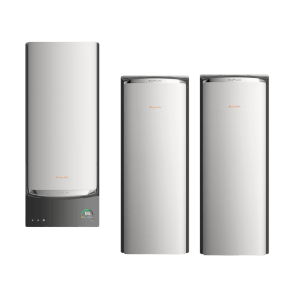
Pushing past these barriers requires a system that can fully replace grid power for high-demand plumbing appliances. By integrating a solution like the EcoFlow Ocean Pro, you eliminate water rationing entirely. Delivering a massive 24kW continuous output, it effortlessly handles the heavy startup surges of well pumps and septic grinder pumps.
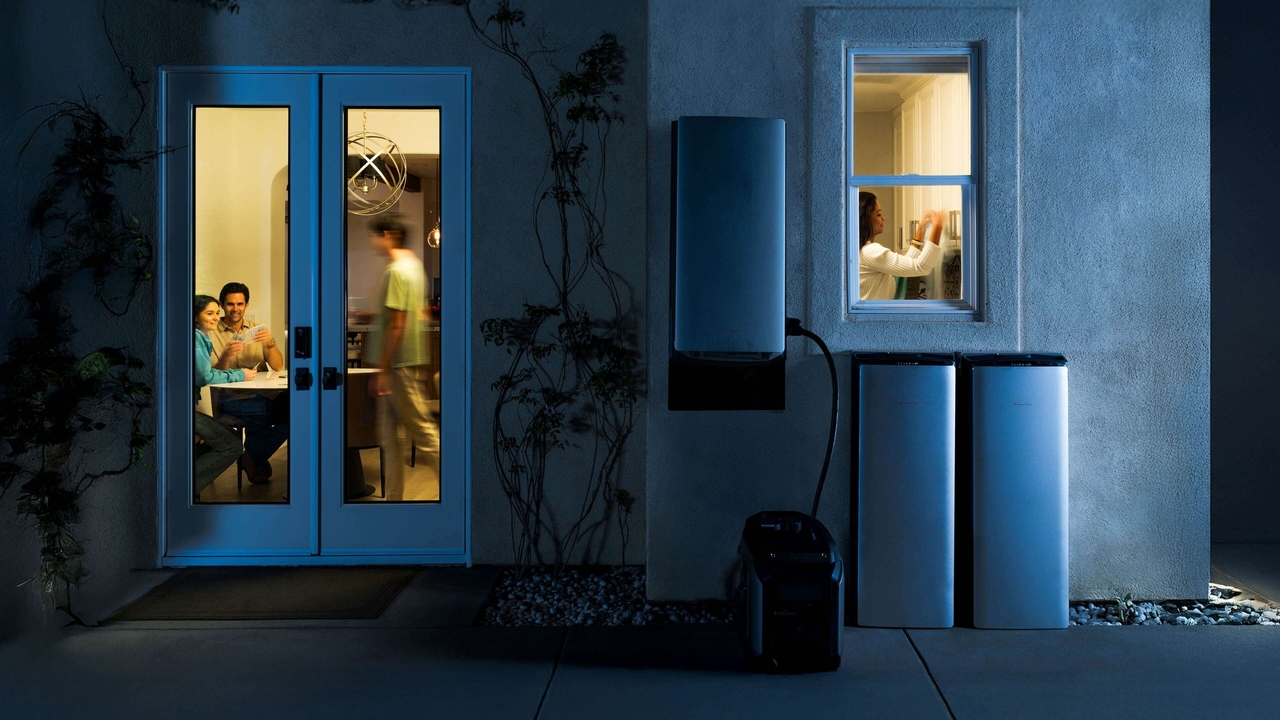
Scalable from 10kWh to 80kWh and featuring 10ms power switching, your home's water supply and waste removal stay active for days without a glitch. The system uses Intelligent Mode to optimize your energy usage smoothly. Furthermore, its IP67 rating ensures it is flood-resistant up to 3.3 feet (1 meter), and it operates safely in extreme temperatures from -4°F to 140°F (-20°C to 60°C).
Are you ready to resolve your uncertainty about power outages? We can help you protect your home's essential plumbing and high-demand appliances. Request a consultation today to find the perfect energy solution for your home.
Get Your Free Home Energy Consultation!
Which energy solution are you interested in?

Essential Tips for Plumbing Emergencies During Outages
When the power goes out, making smart decisions about your plumbing can save you from costly repairs later. Here are some essential tips to keep in mind during an emergency:
Store emergency water smartly: Store emergency water in your bathtub (up to 100 gallons / 378 liters) strictly for manual flushing, not drinking. You can buy cheap plastic tub liners to keep the water clean.
Avoid harsh chemicals: Avoid using harsh chemical drain cleaners if the water isn't flowing. Since there is no water pressure to push them through, they can sit in the pipes and cause long-term corrosive damage to your plumbing.
Prepare your smart fixtures: Check your smart or tankless toilet manual to locate the emergency manual-flush button or the backup battery compartment before an outage hits. Knowing where this button is in the dark will save you a lot of frustration.
Conclusion
Dealing with a power outage is stressful enough without having to worry about your basic plumbing. By understanding whether your home uses municipal water or a private well, and knowing exactly how your waste system operates, you can avoid messy and expensive mistakes. The bucket method is an excellent temporary trick, but as outages grow longer, relying on a solid backup power strategy is the only way to ensure your home stays clean, safe, and fully functional.
FAQs
Can you use water when the power is out?
If you have city water, your faucets will work normally via gravity. If you rely on an electric well pump, you will lose running water once the tank runs dry, unless you keep it powered by a home battery backup like the EcoFlow Ocean Pro.
Will a septic tank back up without power?
A standard gravity-fed septic tank will not back up during an outage. However, if your system uses an electric grinder or effluent pump to move waste uphill, flushing without power will quickly cause a severe backup.
Can I flush my toilet when the power is out?
Yes, most standard gravity toilets will flush. If you have city water, it will operate normally. If you have well water, you will get one normal flush before needing to pour 1 to 2 gallons (3.8 to 7.6 liters) of water manually into the bowl.
Is it okay to shower when the power is out?
If you have city water and a traditional gas water heater, you can shower comfortably. If you have an electric well pump or tankless heater, you will not have water or heat without a backup power source such as the EcoFlow home battery solutions.
How many times can you flush without power?
If your home uses municipal city water, you can flush indefinitely. If you use an electric well pump, you get exactly one automatic flush. After that, you can only flush manually by pouring buckets of water into the bowl.

