
Can Lithium Batteries Catch Fire When Not in Use? True Safety Risks
From the smartphones resting in pockets to the massive residential setups powering modern neighborhoods, lithium chemistry practically runs daily life. Society relies heavily on these dense energy packs for convenience and emergency backup power. However, looking at a dormant device resting on a garage shelf often sparks a valid concern regarding its actual stability. People frequently ask: Can lithium batteries catch fire when not in use, or do they remain completely stable when resting?
There is a widespread misconception that an unplugged electronic device poses zero hazard. In reality, energy storage units act as active chemical environments. Even when a unit sits perfectly idle, complex chemical reactions still quietly occur beneath the sturdy outer casing. A resting power pack holds immense potential energy waiting to be released.
In this guide, we will break down the underlying science of battery hazards. By analyzing unexpected storage risks, consumers can understand how to manage their devices better. We will also detail how integrating a robust, professionally engineered home battery system effectively safeguards a household from sudden thermal issues.
The Science Behind Idle Lithium Battery Hazards
To understand why a stationary object might suddenly ignite, looking inside the casing reveals a lot. While various solar battery types handle energy storage using slightly different chemical makeups, lithium-ion cells generally consist of carefully arranged internal structures. They primarily contain a positive side (cathode), a negative side (anode), and a liquid chemical called an electrolyte. This liquid allows energy to flow back and forth effortlessly.
Most importantly, a very thin, porous material known as a separator sits directly between the positive and negative sides. This microscopic barrier keeps the highly reactive chemical components apart. If this delicate separator fails, the positive and negative sides touch. When that physical contact happens, an uncontrolled chemical reaction occurs instantly, quickly releasing all that trapped potential energy.
Understanding Thermal Runaway
The primary technical concept behind these rare fires is a phenomenon called thermal runaway. This essentially acts as a self-sustaining cycle of chemical destruction.
When a separator fails and a short circuit happens inside the cell, internal temperatures rise incredibly fast. This rising heat triggers further chemical reactions within the surrounding materials, which then release even more heat and flammable gases. Eventually, pressure builds up until the sealed cell ruptures. This chain reaction releases flames and extreme heat, proving that the question: "Can lithium ion batteries explode when not in use?" is a highly realistic concern.
Core Triggers That Cause Idle Battery Fires
People often wonder how a device sitting untouched for weeks could suddenly fail out of nowhere. The truth is that internal damage usually develops silently over a long period. Several distinct factors can compromise a cell while it rests quietly in storage.
Internal Short Circuits and Manufacturing Defects
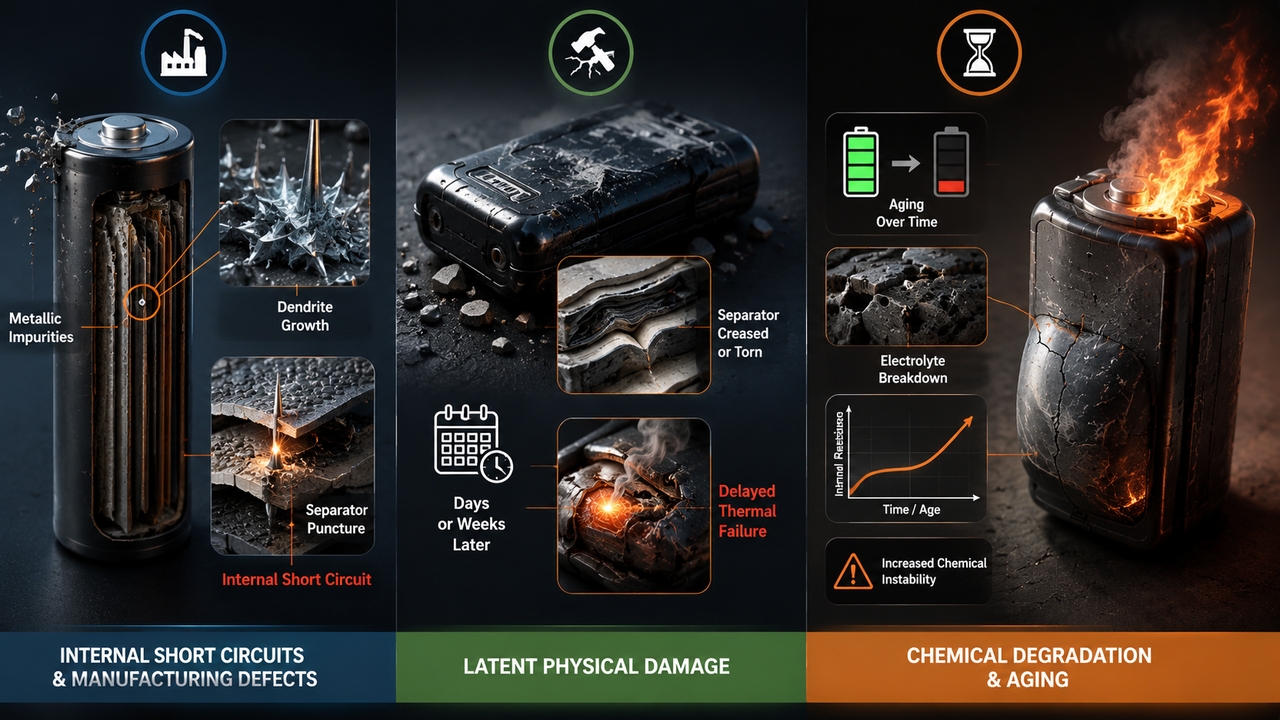
Not all electrical hazards result from dropping or misusing a device. Sometimes, the danger begins right on the factory floor. Microscopic impurities, such as tiny shards of metal dust, can accidentally enter a cell during the manufacturing process. Over time, these impurities slowly wear down the internal separator.
Additionally, a slow chemical process causes the formation of needle-like crystalline structures called dendrites. These microscopic metallic growths form little by little as the cell operates over its lifespan. While sitting dormant on a shelf, these sharp dendrites might finally grow long enough to pierce the internal separator, creating a sudden short circuit. According to safety guidance from the U.S. Consumer Product Safety Commission (CPSC), these kinds of internal hardware failures remain a significant contributor to unexpected thermal events globally.
Latent Physical Damage
Accidents happen constantly in daily life. A smartphone drops on the sidewalk, or a power tool pack bumps against a concrete wall. Quite often, the device continues working perfectly fine right after the impact. Because there is no immediate smoke, observers naturally assume the equipment survived unscathed.
However, latent physical damage is incredibly deceptive. A past drop or crush injury leaves the internal layers structurally compromised. The delicate plastic separator might be creased or slightly torn. Days or weeks later, that weakened internal structure can finally give way. This leads to delayed thermal failure, turning a forgotten drop into a sudden indoor emergency.
Chemical Degradation and Aging
Everything ages, and power cells are no exception. Older units naturally lose their structural integrity as the years pass. As the internal electrolyte liquid slowly breaks down, the internal resistance inside the casing steadily rises.
This aging process increases overall chemical instability. An expired, degrading cell becomes much more volatile than a brand-new one, making it susceptible to failure even under normal room conditions. Replacing aging units before they swell is a crucial part of responsible energy management. Exploring reliable solar energy for home use highlights the importance of investing in durable setups that actively resist this structural wear over time.
Environmental Factors and Storage Risks
Where the equipment is stored plays a massive role in its overall stability. Environmental stressors actively accelerate the degradation of internal components, pushing otherwise stable chemistry toward a highly volatile state.
Impact of Extreme Climates
Temperature control remains the absolute rule of electronics storage. Storing devices in high-ambient temperature zones directly accelerates chemical instability. For instance, a locked garage in the middle of summer can easily exceed safe temperature limits. Trapped heat in poorly ventilated spaces causes the internal liquids to expand and degrade rapidly.
Freezing temperatures can also be quite harmful. While extreme cold does not usually cause immediate fires, trying to charge a deeply frozen cell later on causes rapid dendrite growth. This sets the perfect stage for future short circuits when the device returns to room temperature.

The State of Charge (SoC) Dilemma
Improper storage preparation is an often-overlooked culprit behind idle failures. Leaving a device fully plugged in and stored at a 100% maximum charge places immense chemical stress on the internal components. It acts similarly to storing a rubber band stretched to its absolute limit; the tension eventually causes the material to snap.
Conversely, letting cells completely deep-discharge to 0% and leaving them empty for months is equally harmful. Severe deep discharge damages internal structures and creates microscopic copper shunts. When that completely drained device is finally plugged back in, those internal shunts can trigger immediate thermal runaway. Experts generally recommend storing idle power packs at roughly a 50% charge to maintain a safe chemical balance.
Storage Conditions and Risk Matrix
To quickly assess storage safety at home, consider the following breakdown of common environmental hazards:
Storage Condition | Risk Level | Primary Hazard Impact |
|---|---|---|
Extreme Heat (>113°F (45°C)) | High | Accelerates electrolyte breakdown; initiates early thermal runaway precursors. |
Severe Over-Discharge (battery voltage below safe limits) | Moderate | Causes copper shunts to form, creating internal shorts during next charge cycle. |
High Humidity | Moderate | Promotes corrosion of terminals and battery contacts, potentially affecting performance and safety. |
Recognizing Warning Signs and Safe Battery Management
Preventing a household disaster requires a bit of vigilance. Long before an actual fire breaks out, failing electronics usually display noticeable warning signs. Recognizing these physical indicators early allows individuals to remove the hazard safely.
Identifying Early Indicators of Compromise
When retrieving a stored device from a drawer or shelf, a quick visual and sensory inspection makes a huge difference. Below is a scannable checklist of early warning signs:
Swelling or Bulging: If the plastic casing looks bloated, warped, or cracked, internal gases are actively building up inside.
Pungent Chemical Odors: A sweet or harsh solvent-like smell indicates that the sealed casing has ruptured and gas is leaking into the room.
Auditory Warnings: Abnormal hissing, popping, or faint crackling sounds act as immediate red flags of internal boiling.
Excessive Heat: Feeling surprisingly hot to the touch, despite being disconnected, means thermal runaway is likely beginning.
Transitioning to Ultra-Safe Home Storage Systems
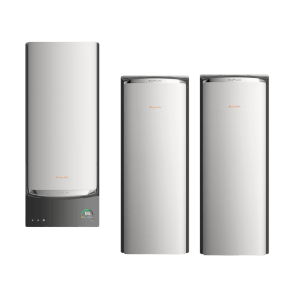
For homeowners looking to scale up their energy resilience safely, high-tier solutions like the EcoFlow OCEAN Pro Solar Battery System provide a highly secure, whole-home power solution. Unlike basic standalone units, advanced residential setups like the EcoFlow Ocean Pro are engineered with multi-layered safety protections, combining precise cell-level temperature monitoring with a Battery Management System (BMS) designed to detect and respond to thermal anomalies before they escalate into dangerous events.

On top of the physical hardware, an intelligent mode automatically balances the daily power distribution. This essentially prevents the internal cells from getting chemically overstressed during heavy use. By easily handling heavy household demands delivering up to 24kW of continuous output and a 205A LRA surge capacity, the system provides reliable power without ever pushing the battery chemistry to dangerous limits.
Are you ready to resolve your uncertainty about home battery backups? We can help you protect your modernized property with ultimate peace of mind. Request a consultation today to find the perfect, ultra-safe energy solution tailored specifically for your home.
Get Your Free Home Energy Consultation!
Which energy solution are you interested in?
Proper Mitigation and Disposal Protocols for Compromised Cells
When a stored device begins showing obvious signs of failure, rapid and calculated action prevents severe property damage. Handling a chemically unstable power pack requires extreme caution and strict adherence to environmental safety protocols.
Immediate Emergency Response Actions
If an idle device suddenly starts off-gassing, hissing, or smoking, immediate isolation becomes absolutely necessary. Carefully move the failing device outside, using metal tongs or heavy heat-resistant gloves if available. Place the smoking unit on a non-combustible surface, such as a thick concrete driveway or bare dirt. The unit should rest at least 10 feet (3.0 m) away from buildings, vehicles, and flammable materials.
During this emergency process, avoid inhaling toxic white vapors. Electrolyte smoke is highly hazardous to human lungs. If open flames erupt, step back immediately and call local emergency services. Standard household water extinguishers often fail to stop complex chemical thermal runaway.
Safe Handling and Certified Disposal
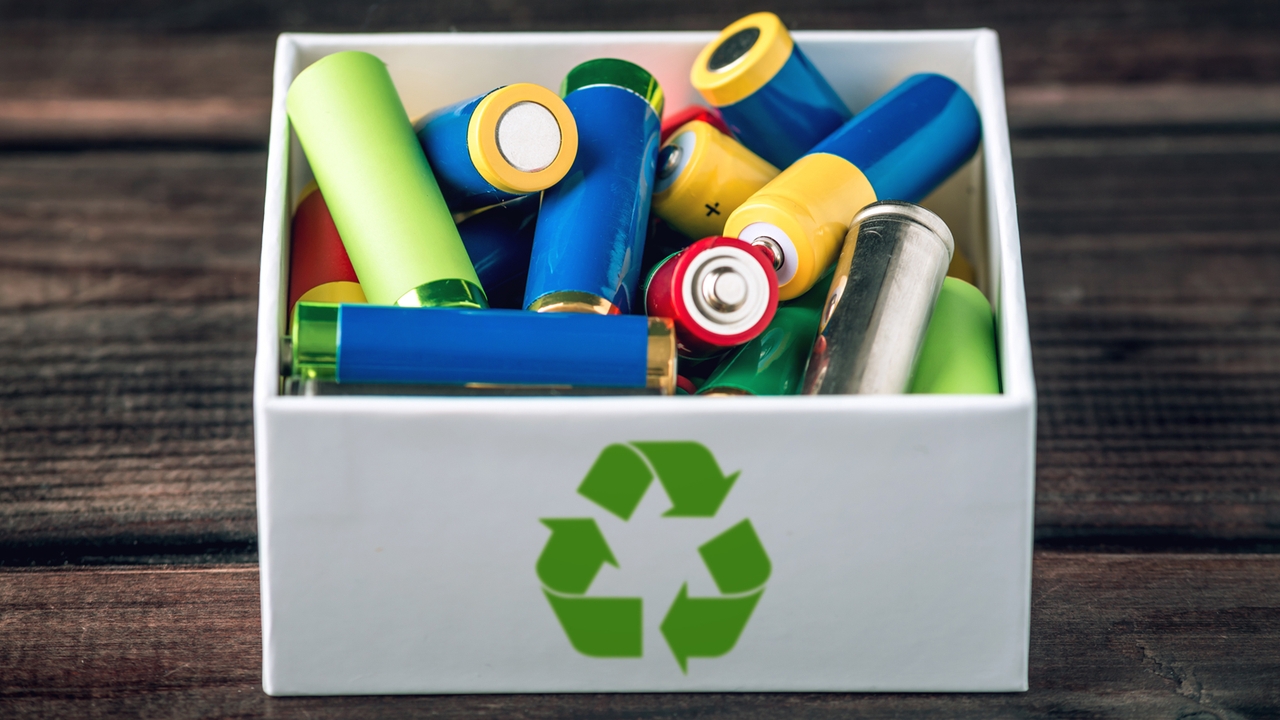
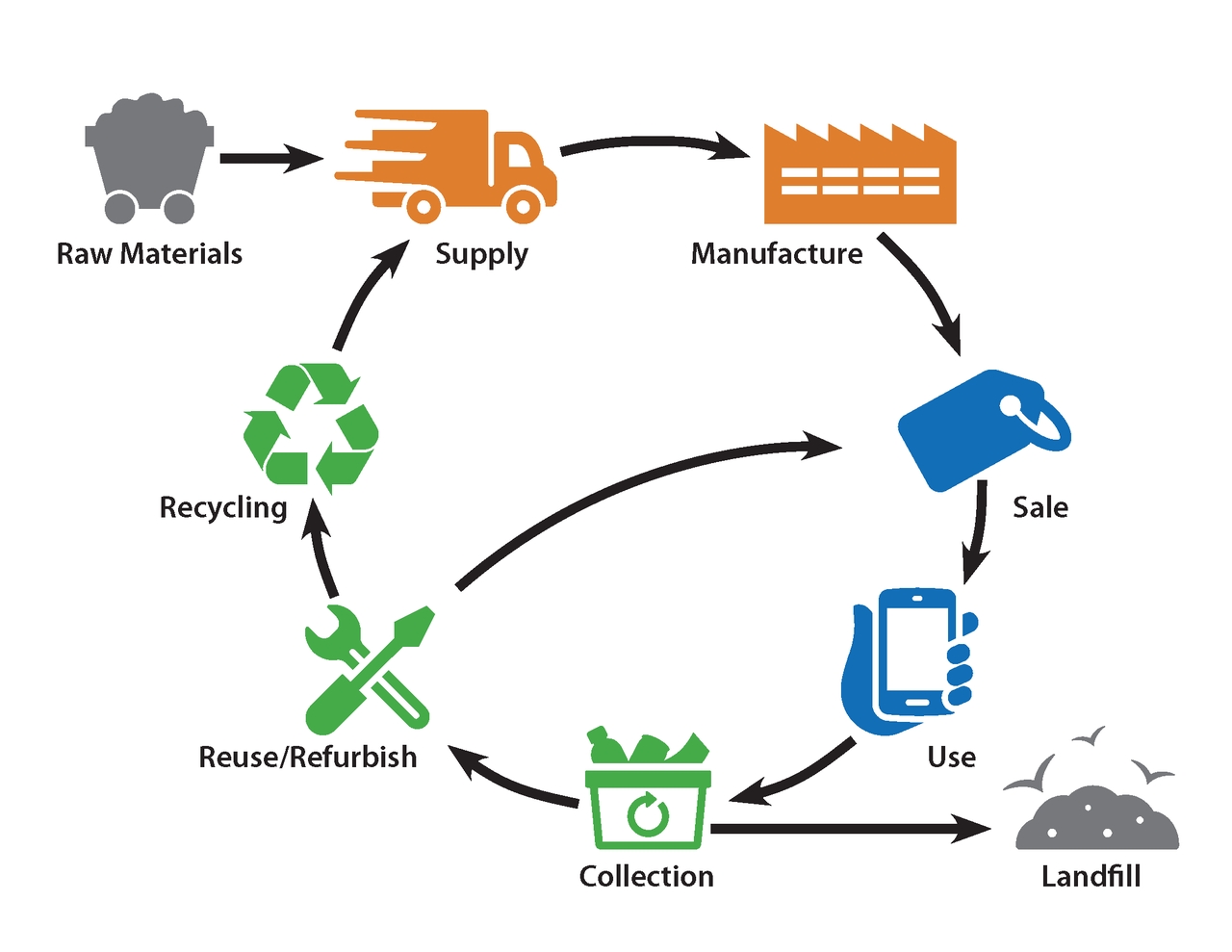
Once a compromised cell has completely cooled down, it still poses a massive environmental and physical threat. Damaged energy packs must never be discarded in standard household garbage bags. Garbage trucks use incredibly powerful hydraulic compactors to crush daily trash. If a compromised cell is crushed inside a moving sanitation truck, the resulting short circuit can easily ignite the surrounding garbage.
The U.S. Environmental Protection Agency (EPA) strictly warns against tossing these hazardous materials into regular waste streams due to severe fire risks. Instead, residents should locate designated municipal hazardous waste collection centers. These specialized drop-off centers possess the right tools and fire-resistant transport bins to neutralize and recycle volatile heavy metals safely.
Conclusion
Understanding the hidden dynamics of modern power storage remains the first vital step toward maintaining a safer home environment. Exploring whether lithium batteries can catch fire when not in use reveals that dormant devices are never truly inactive. Microscopic manufacturing defects, latent physical trauma, and poor storage environments all contribute to the slow breakdown of internal chemical components.
By respecting basic temperature limits, managing charge levels to roughly 50% during storage, and recognizing the early warning signs of swelling or unusual heat, mitigating these risks becomes highly manageable. Upgrading to intelligently monitored, professionally installed home energy systems further removes the hazardous guesswork. With the right fundamental knowledge and proactive habits, harnessing cutting-edge energy remains a safe and highly efficient part of modern living.
FAQs
Is it safe to store lithium batteries in the house?
Yes, storing them indoors is completely safe when done correctly. Keep them at room temperature, away from direct sunlight. Maintaining roughly a 50% charge reduces internal chemical stress, preventing unexpected thermal hazards while resting on a shelf.
Can lithium ion batteries explode when not in use?
Yes, they can unfortunately fail while idle. If a device suffered hidden physical damage previously, the internal separator might degrade over time. This slow breakdown eventually triggers a delayed short circuit and thermal runaway out of nowhere.
At what temperature do lithium batteries catch fire?
Lithium-ion batteries begin to become chemically unstable at temperatures above 140°F (60°C), but thermal runaway typically initiates at significantly higher internal temperatures, around 176°F (80°C) or above, where the chain reaction of heat generation becomes self-sustaining and uncontrollable. Advanced residential systems like the EcoFlow Ocean Pro actually use intelligent cell-level monitoring to track heat constantly, preventing these dangerous thresholds from ever being reached.
Can a dead lithium battery catch fire?
Yes, a completely dead unit remains hazardous. Deeply discharging a cell creates structural defects called copper shunts. These internal flaws cause high resistance, meaning the degraded cell could still spark if exposed to extreme heat or physical crushing.
How do you know if a lithium battery is about to explode?
Watch for physical changes like a bloated casing. A sweet, solvent-like odor strongly indicates leaking gas. Hearing faint hissing sounds or feeling a disconnected device becoming uncharacteristically hot means thermal failure is unfortunately starting.

